The Role of Drones in Adding New Perspectives to Sports Broadcasting
30 March 2026
Let’s be real—sports broadcasting has come a long way from the days of grainy replays and static sideline shots. Today, it's an immersive experience, and a big reason for this revolution is flying right above our heads: drones.
Yep, drones. Those buzzing, camera-wielding gadgets that used to be a cool hobby are now full-on game-changers in the world of sports media. They’re not just helping capture the action anymore—they're giving fans a whole new way to experience it. Whether it’s a bird’s-eye view of a soccer match or a close-up tracking shot of a snowboarder mid-flip, drones are rewriting the playbook of sports broadcasting.
In this article, we’ll dive into how drones are flipping sports coverage on its head, the tech behind them, the benefits and challenges, and what the future might look like. So grab your controller (just kidding) and let's take off.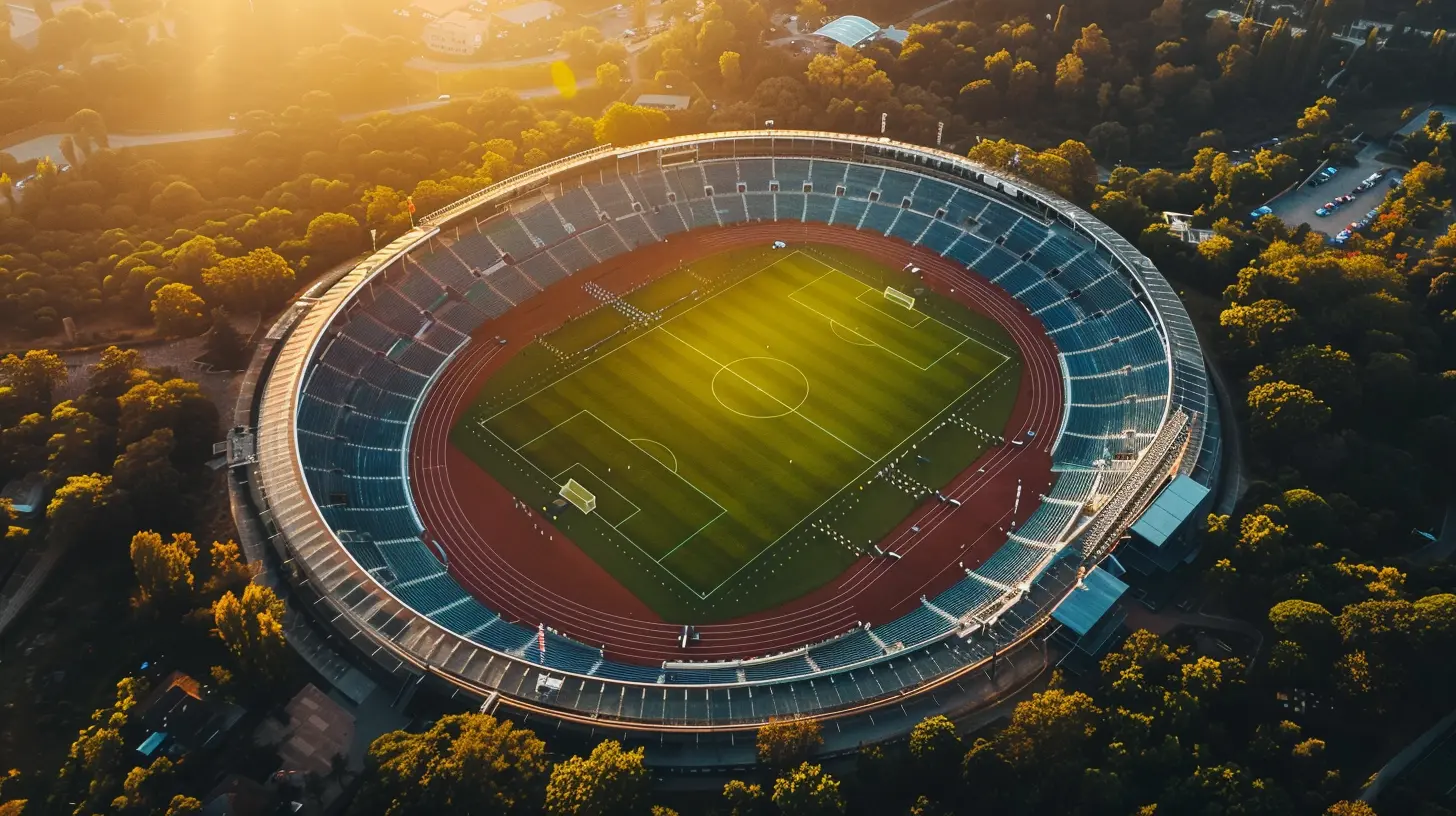
Why Drones Are a Game-Changer in Sports Broadcasting
Let’s start with the obvious: drones give us views we’ve never had before. Traditional cameras are limited by where you can put them—on the sidelines, in the stands, maybe a crane shot. Drones? They fly, hover, swoop, and soar. That kind of flexibility opens up a whole new visual dimension.Imagine this—you’re watching a mountain biking race, and instead of squinting at a distant rider going downhill, a drone is tailing them, weaving through trees, capturing every twist and turn from inches away. You're practically riding shotgun. That’s the level of intimacy drones bring to the table.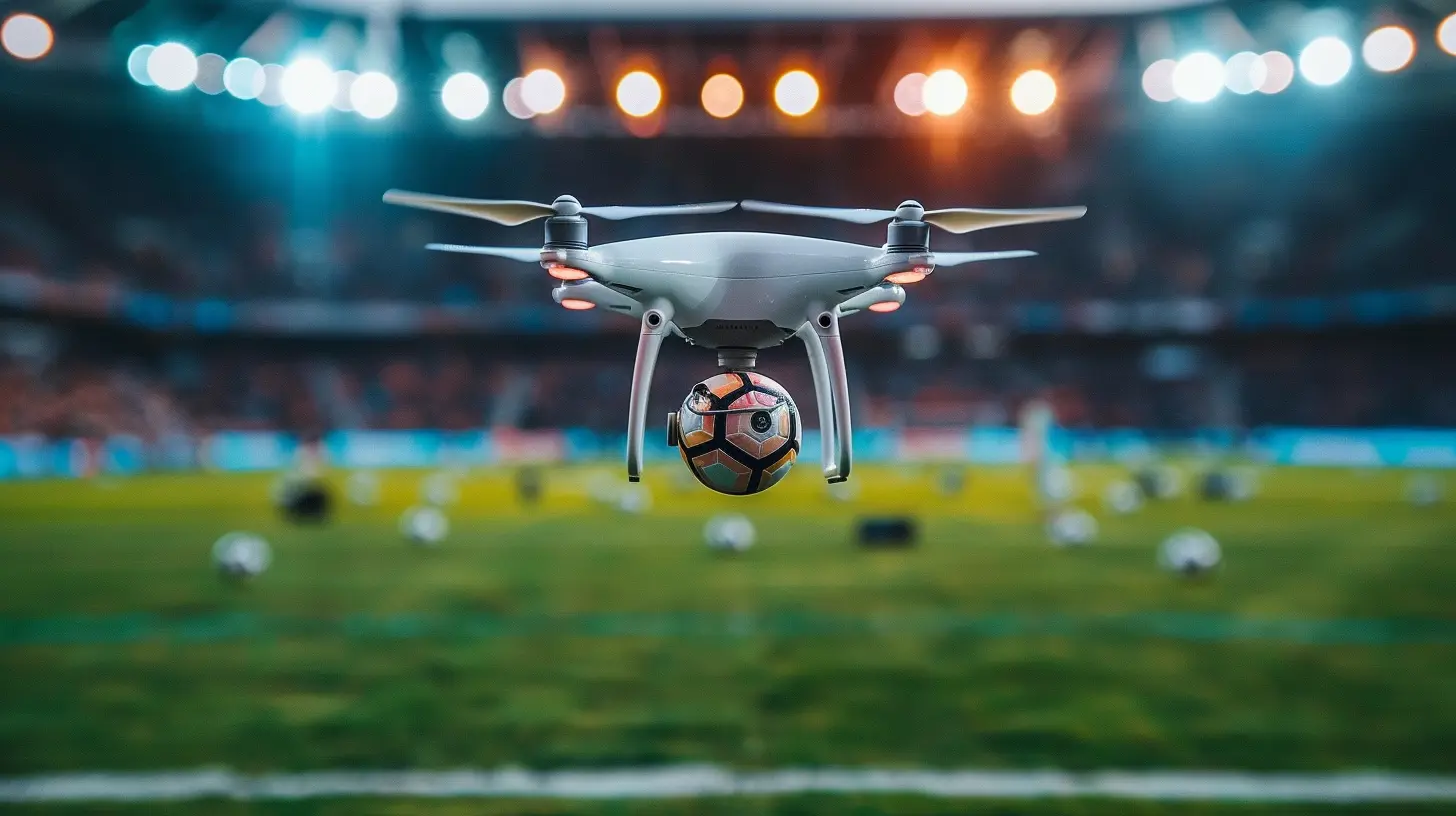
The Tech That Makes It All Fly
Before we get too hyped, let’s talk about what’s actually under the hood (or propellers).High-Quality 4K/8K Cameras
Most broadcasting drones come equipped with ultra-HD cameras that shoot in 4K or even 8K. That’s cinema-level quality, folks. These cameras are also stabilized with gimbals, which means butter-smooth footage even when the drone’s zipping through the air.Real-Time Streaming
Thanks to low-latency live streaming tech, drone footage can be broadcast in real time. This means what you see on screen while you’re watching live sports could be coming from a drone flying just a few meters above the action.GPS and Obstacle Avoidance
With built-in GPS and sensors, drones can follow pre-set paths or even lock onto moving subjects like players or racing cars. Throw in some AI-assisted tracking, and you’ve got a floating cameraman that never misses a beat.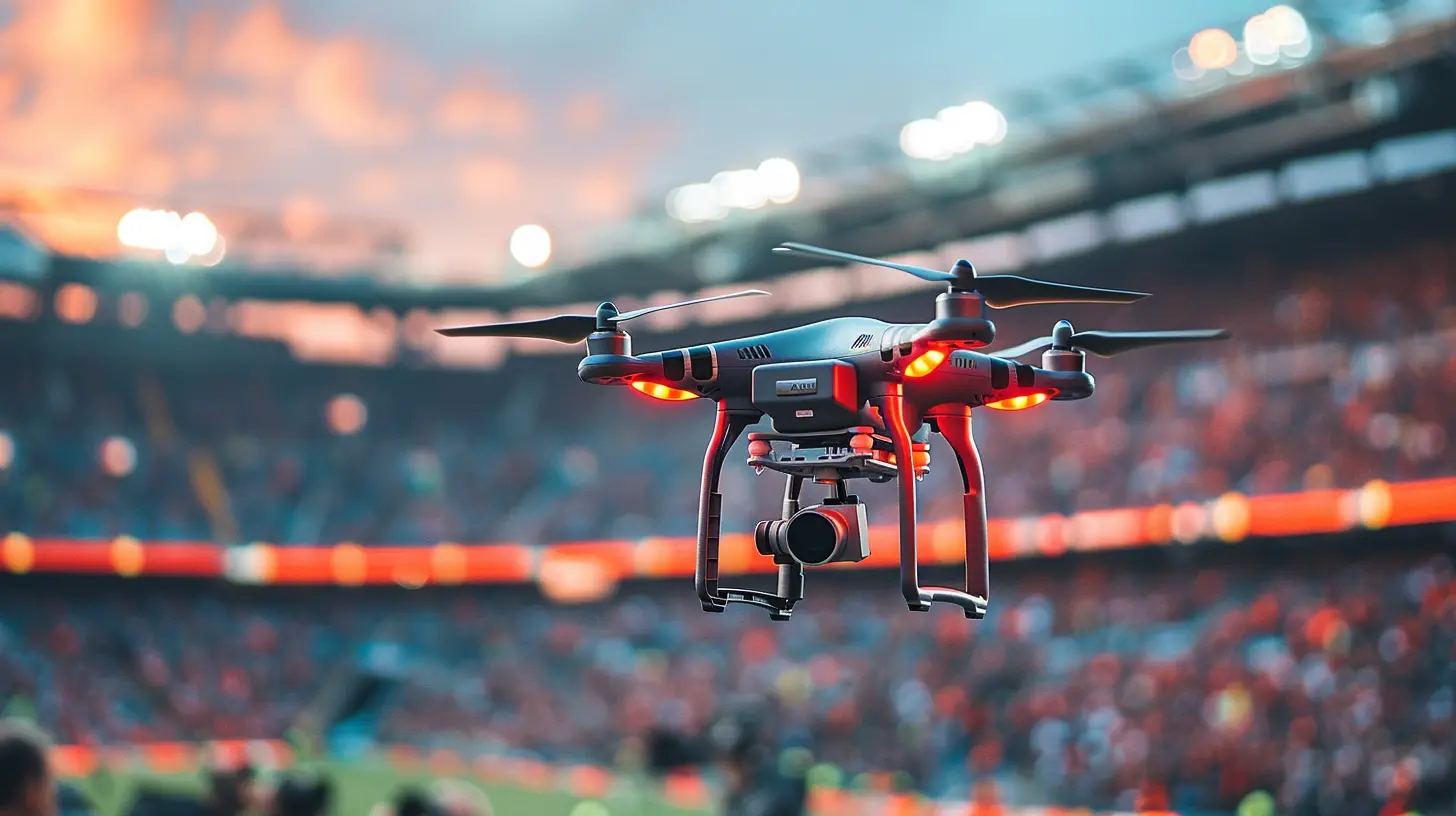
Sports That Are Embracing Drones
Not every sport is drone-friendly (looking at you, indoor table tennis), but tons of them are fully onboard.Football (Soccer for the U.S. crowd)
Drones have been used to give overhead views of formations, set plays, and full-field dynamics. It’s not just for fans—coaches and analysts are making use of this data-rich perspective too.American Football
NFL teams have started using drones for practice footage. They let coaches review plays from above—kind of like a giant coach’s clicker in the sky. Broadcasters are now incorporating drone shots into pre-game coverage and even touchdown replays.Motorsport
Ever watched rally racing or motocross with drone footage? It’s insane. Drones can keep up with fast-moving vehicles, flying close to the action without the need for a helicopter crew.Extreme Sports
From surfing to snowboarding, drones are clutch in capturing those jaw-dropping stunts from cool, cinematic angles. They can follow athletes across waves, cliffs, and slopes like a loyal camera-wielding hawk.Golf
Golf courses are perfect for drone use. They’re wide open, scenic, and often hard to capture entirely with traditional cameras. Drones give a bird’s-eye tour of the course and can track a golf ball in flight.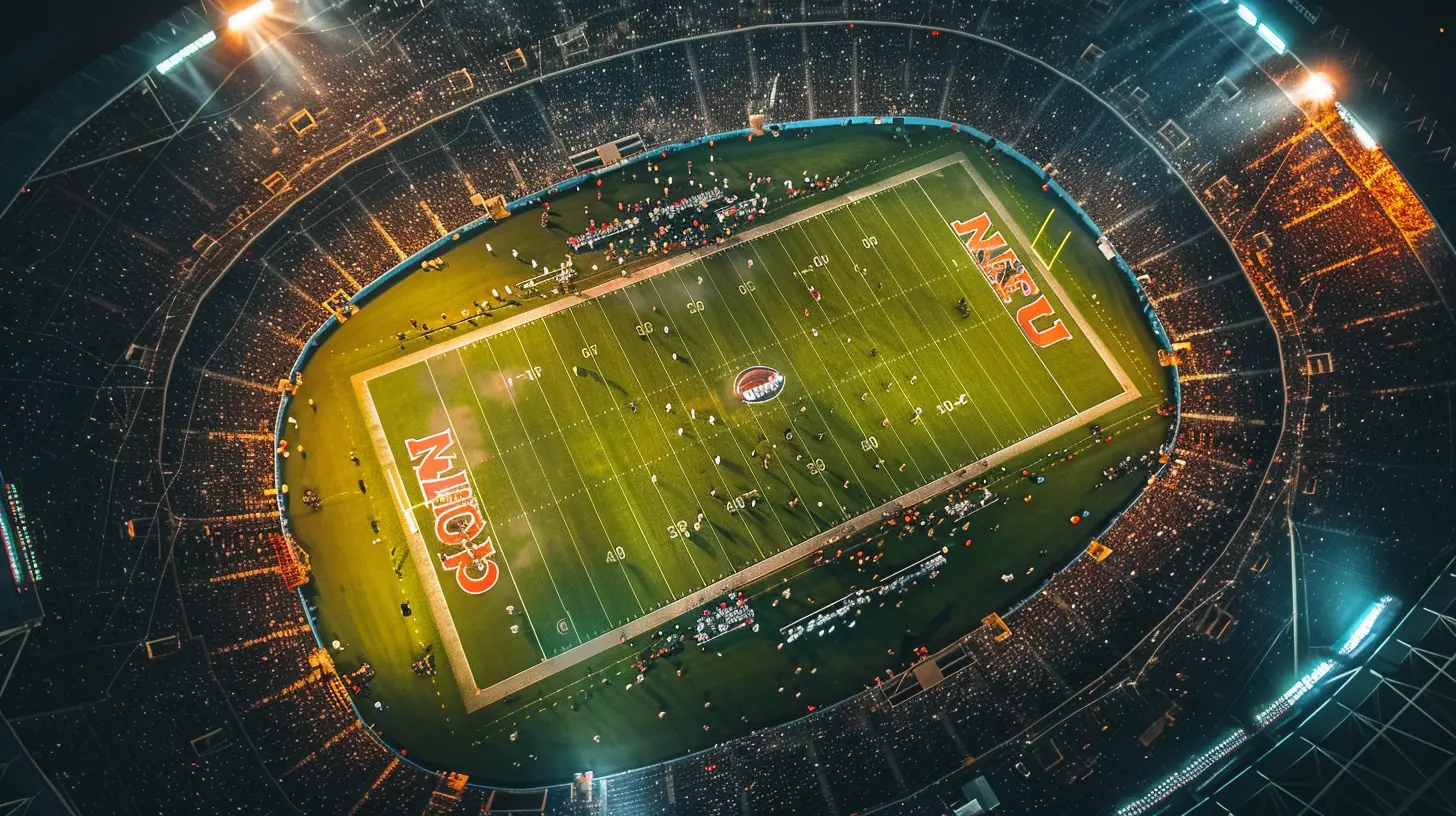
Why Fans Love Drone Footage
Let’s be honest: once you’ve seen drone coverage, it’s hard to go back.1. It Pulls You Into the Action
You’re no longer just a spectator. You're flying with the athletes, seeing what they see, moving how they move. It’s immersive, and in a world where attention spans are short, that’s gold.2. It Adds Drama and Emotion
The slow rise of a drone as a runner crosses the finish line? Goosebumps. The hovering shot above a huddle right before a game-winning play? Instant tension. Drone shots heighten drama like the perfect movie soundtrack.3. It Offers a Fresh Perspective
You don’t just see the game—you understand it better. A top-down view shows player spacing, movement, strategies…it adds context that sideline cams just can’t capture.Behind the Scenes: How Broadcasters Use Drones
So how do production teams actually use drones during a live sports broadcast?Pre-Game
Drones are used for sweeping scenic shots of the stadium, the crowd, or surrounding areas—great for setting the scene and grabbing attention before the action starts.In-Game
Live drone cameras can follow action in bursts, especially in open or outdoor events. They might zoom in during key plays or provide a unique replay angle that sideline cams miss.Post-Game
Post-game recaps often use drone footage for highlights, montages, or to capture the emotion of the moment—think victory celebrations or crowd reactions from above.The Challenges Nobody Talks About
Yeah, it’s not all smooth flying. Drones bring a unique set of challenges that broadcasters and organizers need to grapple with.Safety Concerns
Flying a machine with spinning blades over athletes and fans? You bet there are safety protocols. Drones need to be flown by licensed operators and often have to maintain a safe distance from people.Weather Conditions
High winds, rain, or fog? Not ideal for drone flying. While drones are getting more weather-resistant, they still have their limits.Battery Life
Most professional drones only fly for about 20–30 minutes on a single charge. That means constant swapping, charging, and managing logistics during a long broadcast.Regulations and Permissions
Depending on the country or event, there are tons of legal hoops to jump through—from airspace restrictions to local broadcasting rules.Drones vs Traditional Cameras
Don’t get it twisted—drones aren’t replacing traditional camera setups anytime soon. But they aren’t just an add-on either. They’re a powerful tool that complements what we already have.Picture this: a sideline cam captures the player’s grit up close, and the drone gives you the full tactical setup from above. It’s like switching between a microscope and a telescope—each has its role, but together, they offer a complete picture.
Future of Drones in Sports Broadcasting
The wildest part? We’re just getting started. Here’s what’s on the horizon:Autonomous Drones
Imagine AI-powered drones that know exactly where to be before the next play happens. They’ll be able to predict action, avoid obstacles, and adapt on the fly without human pilots.Augmented Reality Integration
Overlay stats, player names, even real-time speed indicators directly into the drone footage? That’s coming. AR’s about to make viewing even more interactive.Fan-Controlled Drones
Yep, fans might eventually be able to control drones via apps, choosing their own angles and how they want to watch the game. Personalized viewing is the next frontier.Final Thoughts
Drones are more than just flashy tech—they’re storytellers. They bring fans closer to the action, offer jaw-dropping visuals, and help broadcasters turn every match, race, or play into something cinematic.Sure, there are hurdles—regulations, safety, weather—but the payoff is unforgettable. Drones have taken sports broadcasting to a whole new level—literally and creatively. So next time you’re watching your favorite sport and see that epic overhead shot, know that a little flying machine is out there, working its magic.
all images in this post were generated using AI tools
Category:
Sports BroadcastingAuthor:

Frankie Bailey
Discussion
rate this article
2 comments
Aiden McNab
Drones in sports broadcasting? Finally, a way to capture the action without missing a beat. It's about time we ditch the old angles and give fans a view that even the players didn't know they needed. Let's elevate the game!
June 13, 2026 at 2:59 AM
Frankie Bailey
I completely agree. Drones bring a fresh perspective that can transform how fans experience the game. It's a game changer for sure!
Talia Forbes
This article highlights drones as a transformative force in sports broadcasting, offering unique angles and immersive experiences. However, it overlooks potential drawbacks, such as privacy concerns and the risk of distraction. Balancing innovation with ethical considerations will be crucial in shaping the future of sports media.
April 1, 2026 at 5:08 AM
Frankie Bailey
You make a valid point. While drones do enhance coverage, we must carefully address privacy and distraction issues as we embrace this technology. Balancing innovation with ethics is essential for the future of sports media. Thanks for your insight.