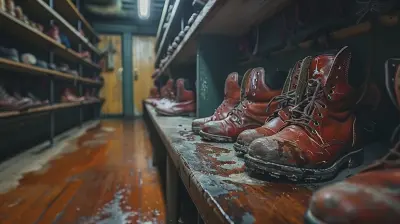
From the Field of Dreams to Retirement Reality
15 May 2026
If you’ve ever been swept up by the crack of a bat, the roar of a crowd, or the pure adrenaline of a last-second goal, you know the power of sports. For athletes, the field, the court, or the track isn’t just where they compete—it’s where they live. It's their identity, their livelihood, and often, their dream.
But what happens when the whistle blows for the last time? When the cleats get hung up, and the crowd's roar fades into memory? That’s when real life kicks in.
The transition from professional sports to retirement is a journey few talk about, but it’s one filled with challenges, reinvention, and sometimes... an identity crisis.
Let’s walk that path together—from the Field of Dreams to Retirement Reality.
The Dream Begins: Chasing Glory from the Start
Most professional athletes start young—real young. For many, it begins with little league jerseys and early mornings at practice, with supportive parents screaming from the sidelines and dreams of going pro scribbled in their school notebooks.The dream grows bigger with every scholarship, every tryout, every win. Fame, adrenaline, and success become normal. Sacrifices are made. Friendships fade. Education sometimes takes a back seat. Why? Because making it means everything.
And when you land on a professional team, it’s the ultimate payoff. You’ve made it, right?
But there’s one thing most young athletes don’t think about: it doesn’t last forever.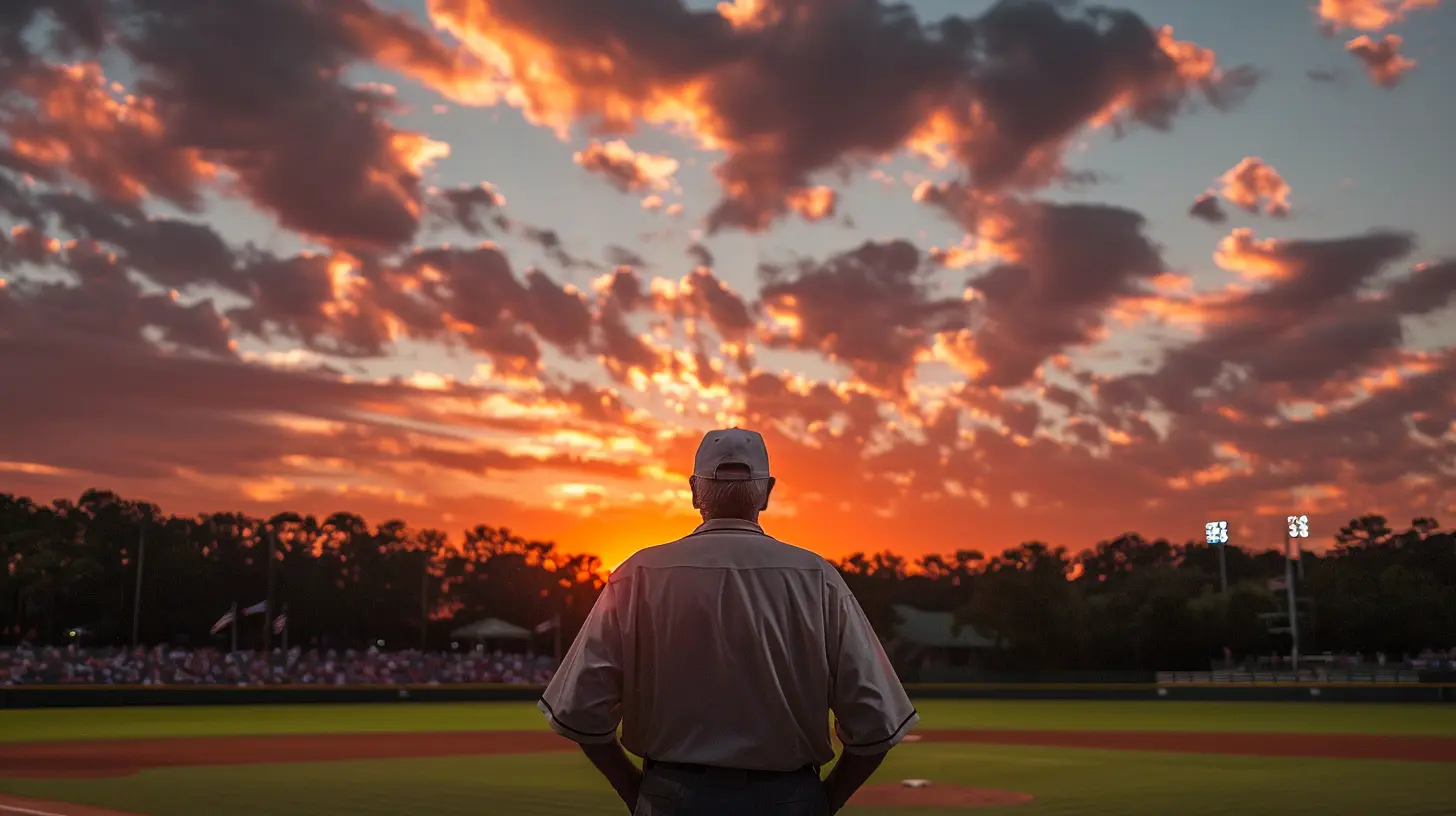
The Short Shelf Life of Pro Athletes
Here’s the heartbreaking truth—pro sports careers are brutally short.Let’s break it down:
- NFL players average just 3.3 years.
- NBA players hover around 4.5 years.
- MLB players? About 5.6 years.
- And Olympians? They train for years for a shot that lasts seconds—or maybe a few days every four years.
Even the stars, the legends, retire by their late 30s. It’s a young person’s game, no matter how fiercely you train or how much your fans beg you to stay.
Injuries, team cuts, mental burnout, or just age will eventually say, “It’s time.”
So, what’s next?
Retirement Reality Hits Hard
Retirement for most means slowing down. For athletes, it often feels like hitting a wall going 100 mph.Why? Because unlike a 9-to-5 gig, sports careers are all-consuming. They’re not just jobs—they’re identities. Imagine waking up one day and realizing the thing that once defined you is now... gone.
No more early practices.
No game day rituals.
No locker room banter.
No crowd cheering your name.
That silence can be deafening.
The Mental Toll: Losing More Than a Jersey
Mental health and identity issues are massive among retired athletes. Depression, anxiety, even substance abuse can creep in during the aftershock. Why? People underestimate the psychological vacuum left behind.When your entire life has revolved around your physical ability, what happens when your body no longer performs?
It’s like asking a musician to put down a guitar forever.
And let’s not sugarcoat it—just because someone made millions on the field doesn't mean they’re immune to emotional struggle. Just ask the countless former pros who’ve spoken out about their post-retirement battles.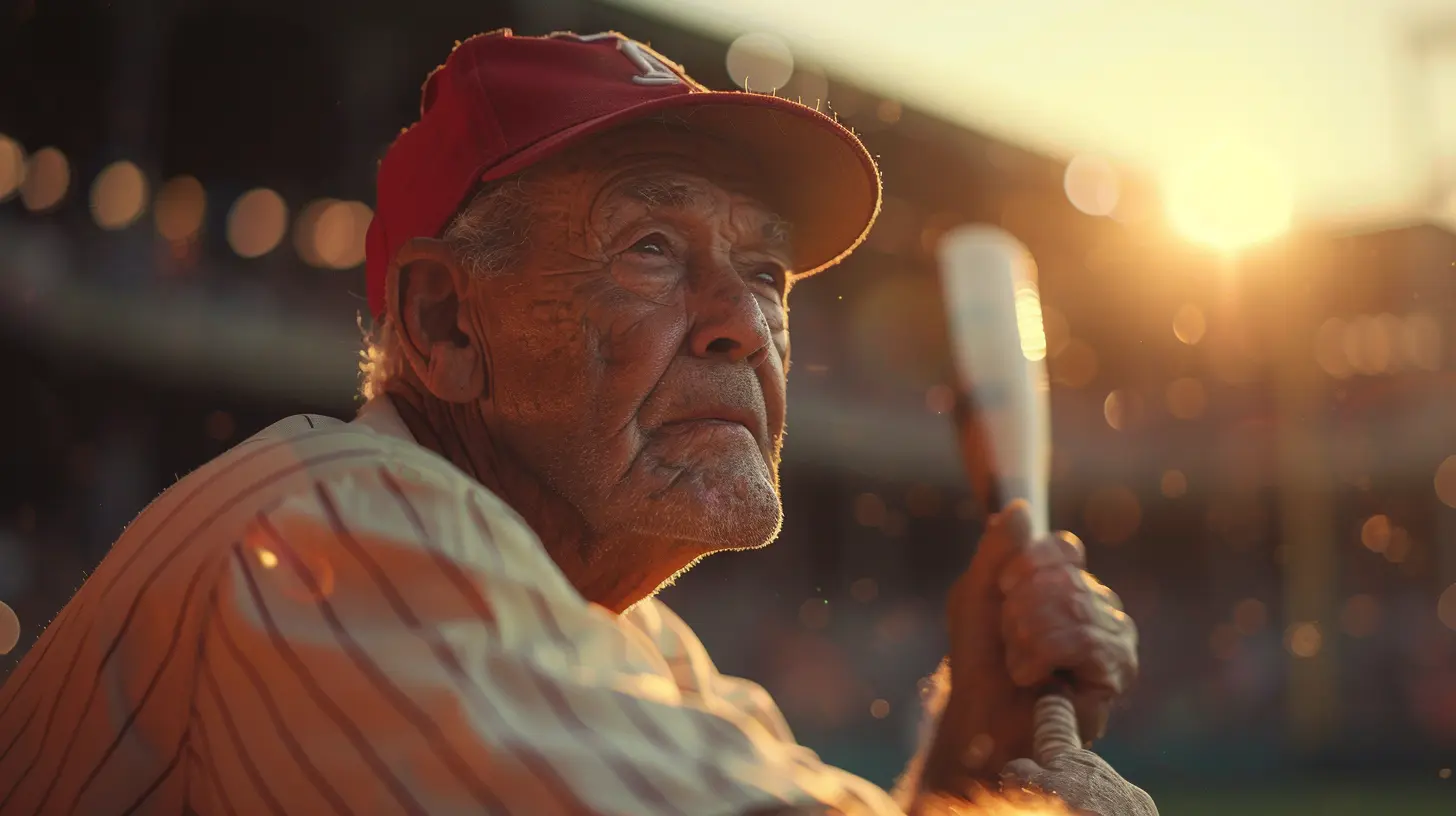
The Financial Cliff: From Millions to Mismanagement
You’d think multimillion-dollar contracts would mean smooth sailing into retirement, right? Unfortunately, nope.According to multiple studies:
- Nearly 78% of NFL players face financial distress within two years of retirement.
- Around 60% of NBA players go broke within five years.
Why? Because money management wasn’t part of the playbook. Lavish spending, bad investments, trusting the wrong people—it adds up.
Many athletes go from living like kings to dealing with bankruptcy, taxes, or lawsuits. Financial literacy isn’t taught in locker rooms, and many don't plan for life after the final buzzer.
Creating a Second Identity: Reinventing Life Off the Field
So where do retired athletes go? Some become coaches. Others dip into broadcasting. A few start businesses or go back to school. But here’s the common thread: reinvention.Creating a "second act" isn’t just about survival—it’s about purpose.
Take Michael Strahan, who went from sacking quarterbacks to lighting up morning television. Or Venus Williams, who’s aced her way into the fashion and design world. Or Magic Johnson, who built a business empire.
They found a way to channel their passion and discipline into something new.
But not everyone knows where to begin. And that's a problem.
Planning Ahead: It’s Never Too Early
One thing is crystal clear: planning for retirement should start way before your last game. That means:- Getting financial education early
- Building connections outside of sports
- Exploring interests beyond the game
- Understanding that self-worth isn’t tied to performance
Athletes need to be reminded that they’re more than the stats on a scoreboard. They have hustle, grit, leadership—skills any industry would kill for.
They just need the blueprint.
Support Systems: A Team Off the Field
No athlete succeeds alone, and that doesn't change after retirement.Organizations like the NFLPA, NBPA, and others offer transition programs. But athletes need more than occasional seminars. They need:
- Mentorships from those who’ve walked the path
- Mental health support tailored to their unique struggles
- Career coaching and job placement help
- Financial advisors who actually know what they're doing
Surrounding themselves with the right team off the field is just as crucial as the one they had on it.
The Power of Storytelling: Sharing the Journey
When retired athletes open up about their journey, it inspires others. Not just other players—but fans, kids, and the broader public.Their stories of resilience, failure, redemption, and growth show us that life doesn’t end after the game does. In many ways, it just begins.
Athletes like Kobe Bryant showed us that passion and excellence translate beyond the court. His Oscar win proved that storytelling matters and legacy can be reimagined.
Your story doesn’t stop at retirement—it evolves.
Building a Life After the Game
Let’s be real—no one can fill the exact space that sports occupy in an athlete’s heart. But that doesn’t mean life ends.It’s just a new field with different rules.
Imagine turning the same focus and work ethic you had in training into building a company, writing a book, mentoring youth, or chasing a new dream. The possibilities are endless—if you're ready to see them.
And guess what? You don’t need to be a superstar to make a successful transition. You just need a plan, support, and the willingness to adapt.
For Fans, Too: Understanding the Human Behind the Hero
As fans, we often see athletes as larger-than-life. We cheer for the highlights and groan at the losses. But we forget one thing—they’re human.So when your favorite player retires, remember: they didn’t vanish. They’re still navigating life—just like you, just like me.
Support their next chapter. Follow their ventures, read their stories, buy their books, attend their events. Let’s champion the human behind the jersey.
Final Thoughts: A New Chapter, Not the End
From the Field of Dreams to Retirement Reality isn’t a sad story—it’s a transformation.It’s the metamorphosis of identity, from athlete to entrepreneur, mentor, parent, creator, or just... a human finding their way again.
Is it tough? Absolutely. But it doesn’t have to be tragic.
With the right mindset, tools, and support, the end of a sports career can be the beginning of something even greater.
Because life doesn’t end after the final whistle—it just changes lanes.
So here’s to the next chapter. Let’s make it count.
all images in this post were generated using AI tools
Category:
Retirement AnnouncementsAuthor:

Frankie Bailey
Discussion
rate this article
1 comments
Zailyn McGinn
This article poignantly captures the transition from the exhilaration of the playing field to the often challenging realities of retirement. It highlights the emotional and psychological hurdles athletes face, emphasizing the importance of mental health support and planning for life beyond sports. A vital discussion for all involved.
May 17, 2026 at 6:27 PM
Frankie Bailey
Thank you for your thoughtful insights. I truly appreciate your perspective on the emotional journey athletes face in retirement. It's an important conversation that needs more attention.