The Rise of High School E-Sports: A New Frontier in Athletics
13 January 2026
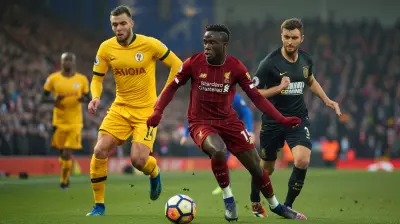
Let’s be real—just a decade ago, nobody would’ve guessed that high school students would be representing their schools playing video games. Yet here we are, living in a world where competing in League of Legends or Rocket League can earn teens scholarships, trophies, and the same school spirit we once only saw on the football field.
This shift didn’t happen overnight, but it’s moving fast. High school e-sports is becoming the new varsity letter jacket, and for good reason. If you're still picturing sweaty teens in dark basements, it's time to update that mental image. E-sports isn’t just legit—it’s the future.
What's the Deal With High School E-Sports?
So, what exactly is “high school e-sports”? In simple terms, it’s organized competitive video gaming at the high school level. Think of it like any other school sport—structured seasons, coaches, practice schedules, and competitions. Teams face off in popular games like:- League of Legends
- Rocket League
- Overwatch
- Valorant
- Super Smash Bros.
- Fortnite
These aren’t just weekend hobbies. These games require teamwork, strategy, communication, and skill—just like basketball or soccer.

Why E-Sports Are Blowing Up in High Schools
Now you might be wondering: why are so many schools jumping on the e-sports train? It’s not just about fun (though it’s definitely fun). Let’s break it down.1. A Modern Way to Engage Students
Not every student is into traditional sports. But almost all teens are into tech in some shape or form. E-sports gives a new platform to kids who may not have been involved in school activities otherwise.It helps schools reach students where they are, which is often online. Bringing gaming into the classroom in a competitive, organized way boosts inclusivity and engagement.
2. Building Real-World Skills
You’d be surprised how much you can learn from gaming:- Communication and teamwork? Check.
- Quick decision-making? Absolutely.
- Leadership and strategy? You bet.
- Time management? Yep, especially with practice schedules and homework.
These skills translate directly into real-life success, college, and even careers. E-sports students are often just as disciplined, driven, and coachable as traditional athletes.
3. Scholarships and Career Paths
Here’s the kicker—there’s actual money in this. Colleges are now offering e-sports scholarships. Yes, you read that right. Playing games could help pay for college.There are also tons of career paths that open up, from game development to shoutcasting (think play-by-play commentary for gamers) to digital marketing. E-sports is a massive industry, and high school teams are the training ground for tomorrow’s pros.
How Schools Are Making It Happen
Bringing video games into schools might sound easy, but it’s not as simple as handing kids controllers. There’s a whole structure that needs to be in place.Starting a Program
Many schools start by joining leagues like the High School Esports League (HSEL), PlayVS, or the North America Scholastic Esports Federation (NASEF). These leagues provide:- Official rulebooks
- Schedules and brackets
- Coaching resources
- Online platforms for competition
Schools need administrators, IT staff, and sometimes even local sponsors to help fund gear like gaming computers, high-speed internet, and headsets.
Coaching and Training
Yup, e-sports teams have coaches just like any other sport. These coaches help students improve their skills, develop strategies, and build team chemistry. Practices are scheduled, organized, and often just as intense as any physical sport.And yes, they even watch game film. (Except in this case, it’s replays of matches to analyze plays, mistakes, and communication.)
Inclusivity and Accessibility
One of the coolest things about high school e-sports? It’s for everyone. Boys, girls, neurodivergent students, kids with physical disabilities—everyone can get in on the action. Unlike many traditional sports, e-sports levels the playing field and opens up opportunities to all kinds of players.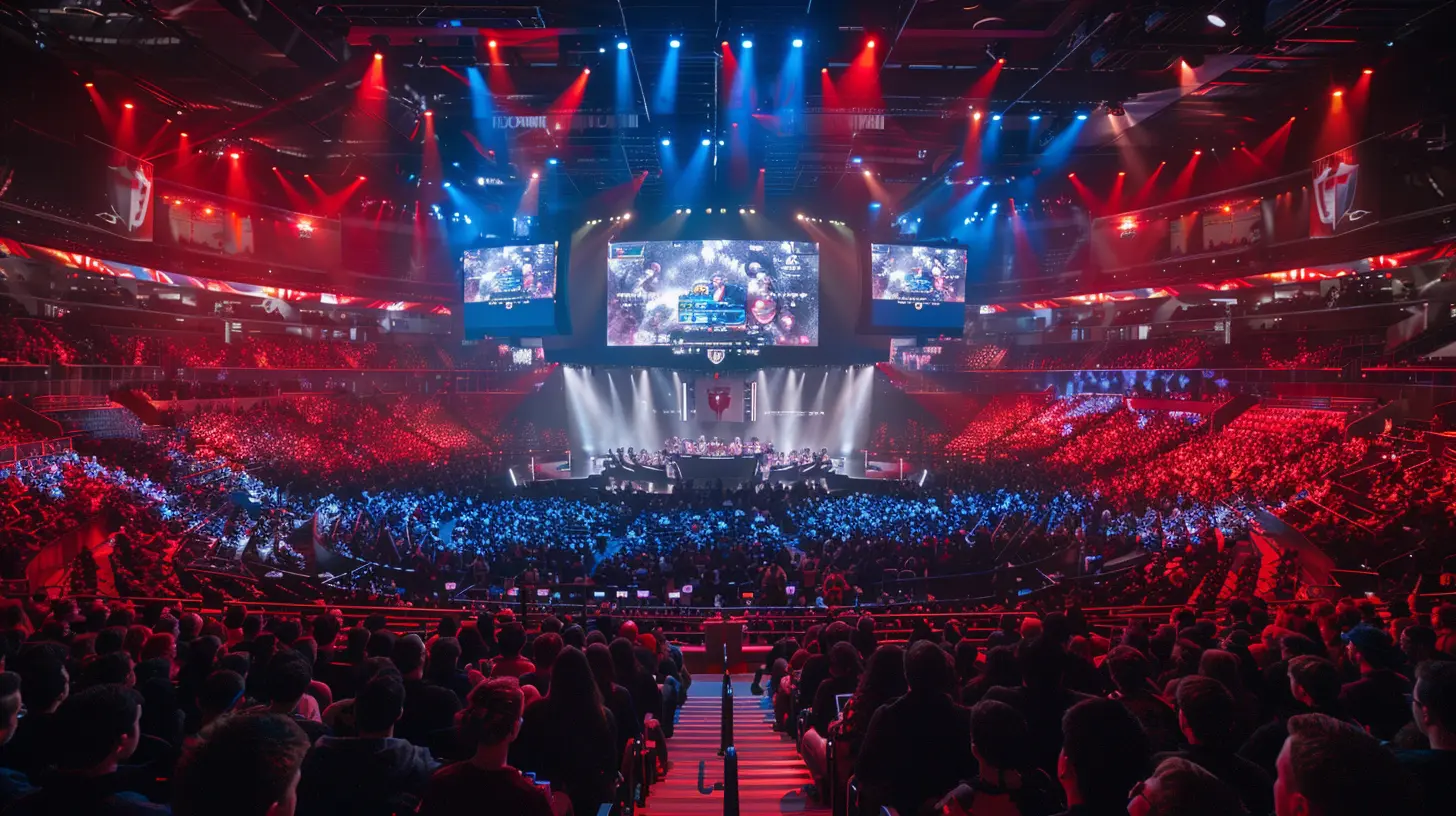
Parents and Teachers: Skeptical or Supportive?
Let’s talk about the elephant in the room—some adults still just don’t get it. To them, gaming is a waste of time. But that’s changing big-time.Changing the Narrative
Schools are showing parents that e-sports isn’t about wasting time staring at screens. It’s about healthy competition, learning teamwork, and opening doors. Once parents see students thriving, building confidence, and even earning scholarships, they start to come around.And when teachers see the educational benefits—improved strategic thinking, better focus, and stronger digital literacy—they quickly become some of the biggest supporters.
Balancing Screen Time and Schoolwork
It’s a valid concern—how do you keep students from gaming all night? Most programs structure practices like any other sport: a few hours after school, with mandatory grade checks. Students have to stay academically eligible to compete, which means e-sports can actually motivate better grades.The Role of Mental and Physical Health in E-Sports
You might not be running laps in e-sports, but mental endurance is huge. Competitive gaming is intense. It requires lightning-fast reflexes, split-second decisions, and serious focus.Combating Burnout
Just like any other sport, players can get burnt out. That’s why coaches build breaks and downtime into schedules. More schools are even introducing mental performance coaching to help players handle the pressure and stay healthy.Physical Wellness
Believe it or not, many schools emphasize stretching, posture, hydration, and even light cardio to keep e-sports athletes healthy. After all, wrist pain, eye strain, and mental fatigue are real issues.
E-Sports vs Traditional Sports: A Friendly Rivalry
We’re not knocking traditional sports—they aren’t going anywhere. But let’s stop acting like it’s one or the other. Schools with strong athletic traditions are starting to see e-sports as the new kid on the block that everyone wants on their team.Both build school pride, teach life skills, and create unforgettable experiences. The best part? They can coexist.
In fact, many student-athletes play both football and Fortnite. The future is about giving students choice and support, no matter where their talents lie.
The Future of High School E-Sports
We’re just getting started. Here’s what we can expect in the next few years:Nationwide Recognition
Expect more state athletic associations and school boards to officially recognize e-sports as varsity-level activities. With that comes more funding, more scholarships, and more legitimacy.Bigger and Better Competitions
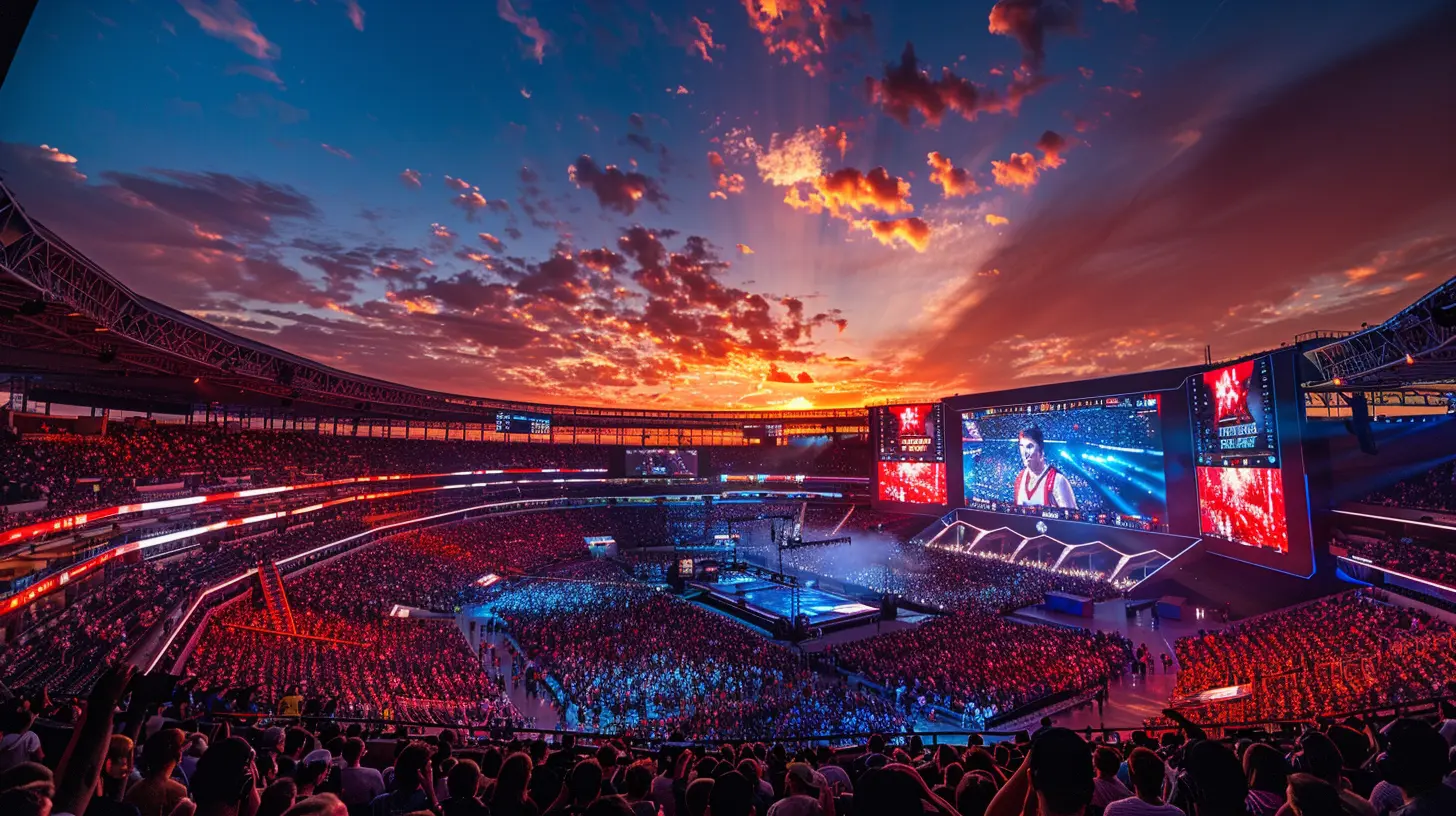
Championships are already being held in full stadiums, complete with lights, shoutcasters, and fans. The level of production is only going up. Think state tournaments, national leagues, and maybe even international spots.Career Pathways and Curriculum
Some schools are even rolling out courses in e-sports management, broadcasting, and game development. Students won’t just play—they’ll build careers in the industry.Diversity and Inclusion Taking Center Stage
The gaming world has often struggled with representation. But high school e-sports can change that by leading the way in diversity, giving more voices a platform, and creating an inclusive environment from the ground up.
Conclusion: This Is Just the Beginning
The rise of high school e-sports isn’t a trend—it’s a movement. Kids are finding their voices, building their futures, and representing their schools in a whole new arena. And just like traditional athletes, they’re learning life skills that stick with them forever.So whether you’re a student, parent, teacher, or just a bit curious, it’s time to tune in. High school e-sports is no longer a niche—it’s the next generation of athletics. And who knows? The next big name in e-sports might just be sitting in homeroom right now.
all images in this post were generated using AI tools
Category:
High School SportsAuthor:

Frankie Bailey
Discussion
rate this article
2 comments
Kai Perez
This article beautifully captures the exciting evolution of high school e-sports. It’s inspiring to see young athletes thrive in this new arena, showcasing teamwork and skill in innovative ways.
March 2, 2026 at 5:25 AM
Frankie Bailey
Thank you for your kind words! I'm glad you found the article inspiring and reflective of the incredible growth in high school e-sports.
Ryan Lopez
From halftime snacks to game hacks!
January 19, 2026 at 1:36 PM
Frankie Bailey
Thanks! It's exciting to see how eSports is blending fun and strategy in high school athletics!