Defensive Resilience: How Team A Held On for the Win
25 February 2026
Imagine you're watching a heart-pounding game, and the clock is ticking down. The crowd is roaring, and every second feels like an hour. The opposing team is pressing hard, hungry to snatch victory at the last moment. But there, standing tall, unshaken and unbending – is Team A. If you've ever questioned how crucial defense is in sports, this game was your answer.
In this article, we're diving deep into one of the most compelling sports narratives you'll ever come across – the story of defensive resilience and how Team A didn’t just survive, but thrived under pressure to secure the win. Buckle up, because this is more than just a recap – it's a lesson in grit, strategy, and the power of never backing down.
The Set-Up: When Pressure Hits, Character is Revealed
Games aren’t just won with dazzling goals or buzzer-beating shots. Sometimes, it’s about digging in, staying the course, and refusing to let the other side break you. That’s what Team A did.They entered the match strong, with a game plan that balanced attack and defense. But as the game rolled into the second half, the tides began to change. Momentum swung the other way. The opposition ramped things up with aggressive plays. Fans held their breath. It wasn’t just physical stamina that was about to be tested — it was mental toughness.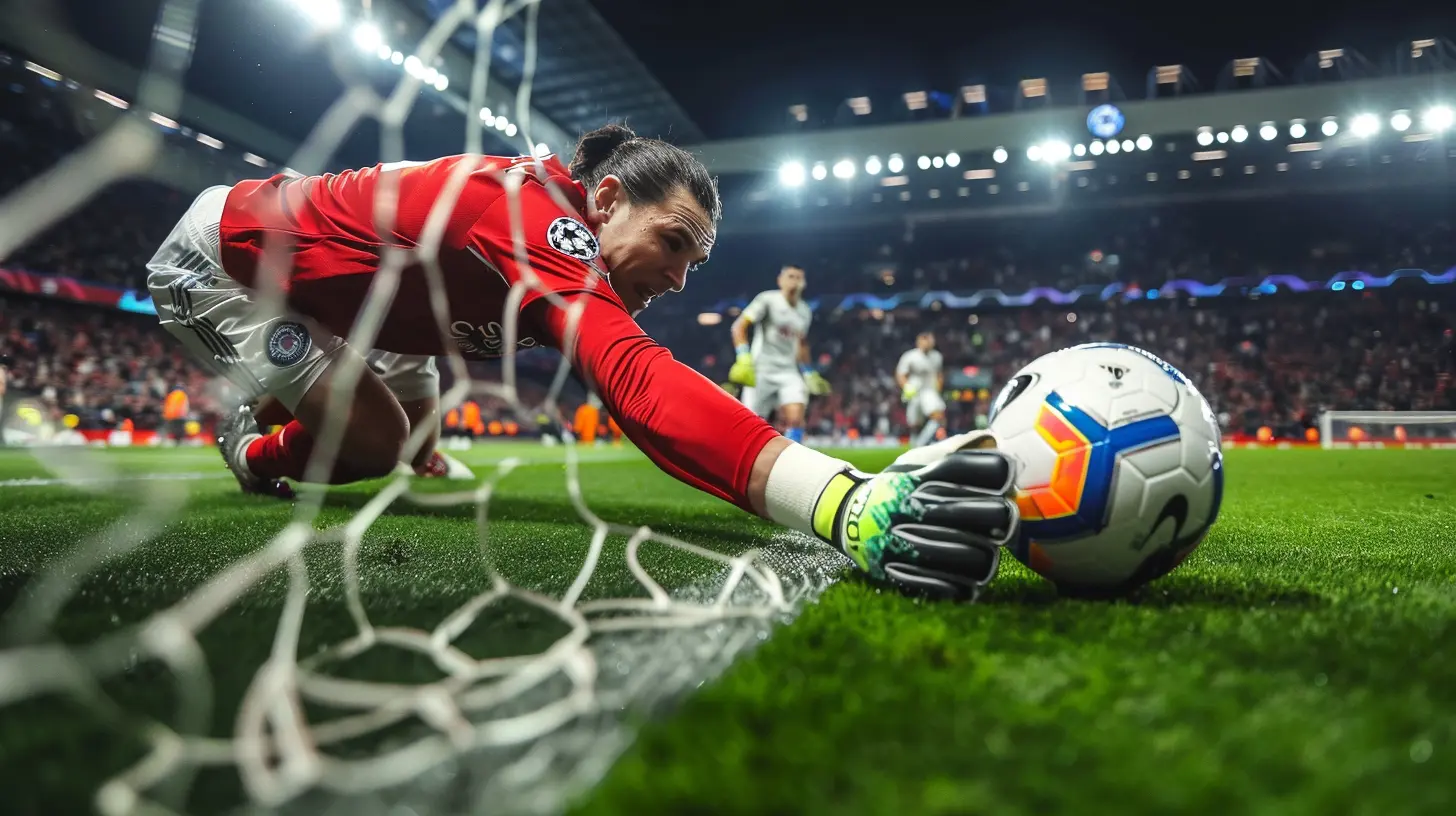
The Turning Point: Backs Against the Wall
Every great story has that moment where it could all fall apart. For Team A, that came with about 20 minutes left on the clock. They were holding onto a slim lead, and the opposing team was throwing everything they had at them.Cross after cross. Shot after shot. Corner after corner.
It felt endless. But here's where resilience kicked in. Team A didn’t panic. They didn’t fall into the trap of chaos. Instead, they huddled together, communicated like a single unit, and dug deep. You could see it in their eyes — that refusal to crumble. That grit you can’t teach.
One player blocked a powerful volley with his body, taking the hit without a flinch. Another made a crucial interception that denied what could have been the equalizer. It wasn’t pretty football, but it was heroic.
What Is Defensive Resilience Anyway?
Let’s take a second to break it down.Defensive resilience isn’t just about tackling or blocking shots. It’s the mental muscle behind the physical grind. It’s about staying focused when your legs are heavy, when the crowd is screaming, and when every instinct is telling you to retreat.
You see, in sports — and in life — resilience is your superpower. It’s the fuel that keeps you going when it would be easier to give in. Team A wasn’t the most technically gifted side on the field that day, but they had something the stats can’t measure — heart.
Key Components That Fueled Team A’s Resilience
1. Team Communication
Ever heard the saying, “Defense wins championships”? Well, communication is the glue holding that defense together. Team A never stopped talking — on the field and off. Clear, sharp calls. Constant direction. Always covering for one another.Great defense is like a symphony, and every player hit the right note.
2. Mental Fortitude
When you’re up by one and the clock’s crawling, your mind starts racing. What if we mess up? What if they score? Here’s where mental toughness becomes everything. Team A didn’t spiral. They kept their cool. They stayed in the moment.Each player acted like the calm in the storm.
3. Smart Positioning
This wasn’t about pinning themselves in and parking the bus. Team A stayed compact, yes, but they were still proactive. They read the game, anticipated the plays, and closed down space when it mattered most.They forced the opposition to take shots from tough angles, minimizing real danger.
4. Fitness and Physical Commitment
Resilience also lives in the lungs and the legs. You can’t hold strong if the tank is empty. Team A’s conditioning was top-tier. They chased down every ball, jumped for every header, and slid in for every block, even in the dying seconds of the game.That’s commitment. That’s team-first mentality.
Leadership in the Trenches
Every resilient defense has its anchor — the voice that rallies the troops and keeps the walls from crumbling. For Team A, that was their captain. Constantly directing traffic. Encouraging teammates. Holding chins up when fatigue set in.You know that silent leadership that doesn’t need highlight reels, but changes the game? That was on full display. Leadership wasn’t just about wearing the armband — it was about inspiring belief and accountability.
The Final Minutes: Tension You Could Cut With a Knife
With five minutes to go, the attacks reached fever pitch. The opposition was desperate. You could feel the tension through the screen or from the stands. But Team A stood tall.A last-ditch sliding tackle here. A vital clearance there. The goalkeeper punched out a dangerous corner, then scrambled to his feet for the rebound.
Every save, every block felt like a goal. And when the final whistle blew? Euphoria. Exhausted bodies collapsed, hearts full, and teammates embraced like soldiers after a battle.
Team A didn’t just win the game — they earned it, with every fiber of their being.
Why This Story Matters (And What You Can Take From It)
Let’s step outside the stadium for a second. Because this performance? It’s more than a tale of sports — it’s a metaphor for life.We all face those make-or-break moments. Times when we’re under siege, when everything feels like it could fall apart. Maybe it's work. Maybe it's personal battles. Maybe it's just life getting heavy.
What Team A showed us is this: You don’t always need to be flashy or perfect — sometimes, just holding on is the real victory.
Holding your ground when everything’s coming at you.
Staying strong when giving up feels easier.
Working together when the pressure is highest.
Not all wins come with style points. Some come with bruises, scars, sweat, and grit. That’s resilience. That’s what champions are made of.
How Coaches Can Build a Culture of Resilience
If you're a coach or a team leader, wondering how to replicate this kind of steel, here are a few tips:- Preach purpose: Remind your players what they're defending – not just the net, but the team’s identity.
- Simulate pressure in training: Put players in stressful situations during practice so they're ready when it counts.
- Celebrate the small wins: A goal-line clearance or last-second block is just as valuable as a goal.
- Cultivate trust: When players know their teammates have their back, they fight harder.
Building resilience starts long before match day. It’s forged in the tough sessions, in the early mornings, in the setbacks that teach growth.
Fans Felt It Too
Let’s not forget the fans in all of this. For those watching, it was more than just a game — it was an emotional rollercoaster. You could see it in their faces: hope, fear, pride, relief.What Team A gave them wasn’t just a win. It was something to believe in. A reason to cheer. A memory that will live on longer than any stat sheet.
Final Whistle Takeaway
Defensive resilience isn’t glamorous. It doesn’t come with shiny highlight reels or social media hype. But it’s the backbone of championship DNA. It’s gritty. It’s selfless. It's heart-on-the-sleeve football.Team A reminded us that sometimes, winning isn’t about domination — it’s about determination. When the pressure piled on, they didn’t fold. They fought. They endured. And they held on, brick by brick, to claim a victory that words can barely describe, but every true sports fan deeply understands.
So next time you're watching a game and see a team grind it out under pressure, just remember — heroes don't always wear capes. Sometimes, they wear cleats and carry an unbreakable spirit.
all images in this post were generated using AI tools
Category:
Post Match AnalysisAuthor:

Frankie Bailey
Discussion
rate this article
2 comments
Rook McGhee
Great read! It’s impressive how Team A showcased such defensive resilience. Their ability to hold on in those final moments shows the power of teamwork and strategy. It’s matches like these that make sports so thrilling to watch!
April 10, 2026 at 4:46 AM
Frankie Bailey
Thanks for the kind words! Team A's resilience really shone through in those crucial moments. Glad you enjoyed the article!
Eleanor McIlwain
Great analysis! It’s inspiring to see how Team A demonstrated such grit and determination. Their defensive strategies really paid off, and it’s a testament to the hard work they put in. Looking forward to seeing how they build on this success in future games!
March 1, 2026 at 4:25 AM
Frankie Bailey
Thank you! I'm glad you found the analysis inspiring. Team A's grit and defensive strategies truly made a difference, and I’m excited to see how they continue to build on this momentum!