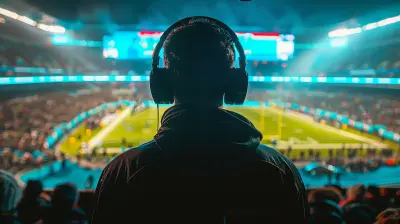
Celebrate Sports Culture with These 2026 Events
18 October 2026
Sports culture is not built in stadiums alone. It lives in the parking lot conversations after a loss, the ritual of the same breakfast on game day, the shared silence of a crowd holding its breath, and the arguments that last longer than the match itself. When a major event arrives in a city, it does more than fill hotel rooms. It reshapes routines, tests infrastructure, and gives strangers a reason to talk to each other.
2026 is an unusually rich year on the global sporting calendar. Two of the biggest multi-sport events in the world land in the same twelve months, and the surrounding schedule is packed with championships that carry genuine cultural weight. This guide is not a list of dates. It is a practical, opinionated look at what each event means, who it suits, how to plan around it, and the mistakes that catch people out.

Why 2026 Stands Apart
Most years offer one anchor event. 2026 offers several, and they overlap in ways that demand choices. The Milan Cortina Winter Olympics in February sit close to the men's football World Cup in June and July, which means fans with broad interests will face real trade-offs in budget, leave, and attention. Add the Commonwealth Games in Glasgow in July and a dense calendar of annual championships, and the year becomes a test of planning discipline.There is also a cultural dimension. The Winter Olympics return to Italy, a country where alpine sport is not a niche pursuit but part of regional identity. The football World Cup expands to 48 teams across the United States, Canada, and Mexico, which changes the tournament's rhythm, travel demands, and the kind of stories it produces. Expansion always brings debate: more nations means more representation, but also longer schedules and a risk that group stages feel diluted. Understanding that tension helps you decide whether the tournament is worth your time and money.
Milan Cortina 2026 Winter Olympics: A Games of Two Halves
What Makes These Games Different
The 2026 Winter Games are not concentrated in one city. They are spread across Milan, Cortina d'Ampezzo, and several alpine and northern Italian venues. This is a deliberate choice rooted in cost control and existing infrastructure, and it has real consequences for visitors.The upside is authenticity. Competitions take place in towns with genuine sporting histories rather than purpose-built clusters. The downside is logistics. Traveling between clusters takes time, and the atmosphere is dispersed rather than concentrated. If you have attended a single-city Games before, adjust your expectations.
Planning Around the Spread
My advice is to pick one cluster and commit to it rather than trying to sample everything. A figure skating and hockey trip based in Milan looks nothing like a skiing trip based in the Dolomites, and attempting both in one visit usually means long transfers and half-empty days.Consider three traveler profiles:
- The urban sports fan: base in Milan for figure skating, speed skating, and ice hockey. Reliable transport, strong food culture, and easy arrival through major airports.
- The mountain traditionalist: base near Cortina for alpine skiing, bobsleigh, and sliding sports. Fewer hotel options, higher prices, and weather-dependent schedules, but the atmosphere is unmatched.
- The mixed group: split the trip. Spend the first half in one cluster and the second in another, accepting a travel day in between.
Book accommodation early and confirm cancellation terms. Mountain regions have limited capacity, and operators understand their leverage. A refundable rate costs more but protects you if competition schedules shift, which they sometimes do.
Common Mistakes
The most frequent error is underestimating cold and altitude. Cortina sits in mountainous terrain, and February conditions can be severe. Another is assuming tickets will be easy to buy late. Popular finals sell quickly, and resale markets carry risk. If a specific session matters to you, treat it as a priority purchase.Also, do not overlook the Paralympic Winter Games, which follow the Olympic competition in March. They often deliver the most intimate and emotionally powerful sporting moments of the season, with smaller crowds and closer access to athletes.

The 2026 FIFA World Cup: A Continental Tournament
The Expansion Story
The 2026 men's World Cup is the first with 48 teams and the first hosted across three countries. Host cities span the United States, Canada, and Mexico, from Vancouver to Mexico City to the eastern seaboard. This is not a single event in the traditional sense. It is a series of regional festivals linked by a shared tournament.Supporters should think in regions rather than countries. A fan based in the northeast United States can attend multiple matches without long flights. A fan trying to follow one team across the continent may face exhausting travel. Before buying anything, map your team's likely path and decide whether you are following a team or following a region.
Tickets, Travel, and Timing
Demand will be extraordinary. Official ticketing phases reward preparation: register early, understand the ballot or queue system, and keep payment details current. Avoid unofficial resellers unless you fully understand the risks, which include invalid tickets and no recourse.Transport is the bigger challenge. Intercity flights during the tournament will be expensive, and driving long distances between host cities is realistic only for the most committed. Trains work well in parts of the northeast and in Mexico, but not everywhere. Build travel days into your plan and avoid booking matches in different time zones on consecutive days.
Cultural Payoff
What makes this World Cup culturally significant is the collision of football cultures. Mexican fan traditions, American sports entertainment production, and the deep immigrant football communities across North American cities will create atmospheres unlike previous tournaments. Expect fan festivals to matter as much as stadiums. In many host cities, the official fan zones and neighborhood watch parties will offer a better cultural experience than a single group-stage match, and at a fraction of the cost.If your budget is limited, choose one marquee match and spend the rest of your time in fan zones and local football bars. That approach often produces better memories than chasing tickets.
Glasgow 2026 Commonwealth Games: Scaled Back, Still Meaningful
The Commonwealth Games in Glasgow arrive in July with a deliberately leaner model: fewer sports, existing venues, and a shorter footprint. This is a response to the rising costs that have pushed several host cities to withdraw in recent years.For visitors, the smaller scale is an advantage. Venues are close together, tickets are more accessible, and the city itself is compact and walkable. Glasgow has a strong record of hosting major events and a local population that embraces them. The atmosphere in the city center during a home Games is genuinely special.
The trade-off is breadth. A reduced sports program means some disciplines are absent. Check the final schedule before building a trip around a specific sport. For families and first-time Games attendees, though, this may be the most approachable major event of the year.
Annual Championships Worth Building a Trip Around
The 2026 calendar also includes established championships that reward cultural immersion more than spectacle.Wimbledon and the Grass Court Season
Wimbledon remains the purest expression of tennis culture: queue traditions, strawberries, and a grounds layout that invites wandering. The queue itself is a cultural experience, and for many visitors it is the point. If you go, respect the queue rules and arrive prepared for a long wait with supplies and patience. The trade-off is unpredictability: queue entry does not guarantee a show-court seat.The Tour de France
The Tour is less a spectator event than a moving festival. The best experiences happen on mountain stages, where fans camp overnight and the race passes in a blur of noise. Understand that you will see the riders for seconds. The value is in the community, the landscape, and the ritual. Choose a stage with a summit finish and plan your position early.Cricket and Rugby Calendars
Depending on the year's scheduling, international cricket and rugby fixtures offer some of the most atmospheric sporting days anywhere. Test cricket, in particular, rewards those who embrace its slow rhythm. A day at a Test match is a social occasion as much as a competition, and understanding that is the key to enjoying it.
How to Choose Your 2026 Event
Ask yourself four questions before committing money:1. What do I actually want to feel? Spectacle, intimacy, tradition, or discovery. Each event delivers a different emotional profile.
2. What is my realistic budget including travel and accommodation? Event tickets are often the smallest cost.
3. How much uncertainty can I tolerate? Mountain weather, schedule changes, and team progression all create risk.
4. Am I traveling for the sport or for the place? Both are valid, but they lead to different plans.
Comparison at a Glance
| Event | Atmosphere | Cost Level | Planning Difficulty | Best For ||---|---|---|---|---|
| Winter Olympics | Dispersed, regional | High | High | Winter sport devotees, alpine travelers |
| World Cup | Festival, continental | Very high | Very high | Football culture, group trips |
| Commonwealth Games | Compact, friendly | Moderate | Low | Families, first-time attendees |
| Wimbledon | Traditional, intimate | Moderate to high | Moderate | Tennis purists, queue culture |
| Tour de France | Nomadic, communal | Low to moderate | Moderate | Road trip travelers, landscape lovers |
Misconceptions That Cost People Money
A few persistent myths deserve correction. First, that tickets are the hard part. In reality, accommodation and transport are usually harder and more expensive. Second, that bigger events always deliver better experiences. Smaller championships often provide closer access and warmer atmospheres. Third, that planning far ahead guarantees a smooth trip. Early planning helps, but flexibility matters more, especially with weather-dependent sports.Another misconception is that you must attend in person to participate in sports culture. Host city fan zones, local club screenings, and community events capture much of the shared experience at a fraction of the cost. If a trip is out of reach, a well-chosen local gathering can still deliver the ritual and connection that make sport meaningful.
Practical Best Practices
- Register for official ticket ballots and newsletters as early as possible.- Book refundable accommodation first, then lock in transport.
- Build buffer days around any event with a weather risk.
- Learn basic local transport before you arrive, not after.
- Keep digital and printed copies of tickets and reservations.
- Prioritize one anchor experience per trip and let the rest be spontaneous.
Final Thoughts
The 2026 sporting calendar rewards intentionality. The Winter Olympics and the World Cup will dominate headlines, but the year's real value lies in matching events to your own temperament and resources. A family might find more joy in Glasgow than in a crowded World Cup host city. A solo traveler might remember a night on a Tour de France mountain far longer than a group-stage match.Sport culture is ultimately about belonging, and belonging is available at every scale. Choose the event that fits your life, plan for the friction, and leave room for the unplanned moments that make these gatherings worth the effort.
all images in this post were generated using AI tools
Category:
Sports Events CalendarAuthor:

Frankie Bailey
Discussion
rate this article
1 comments
Kassandra Benson
Get ready to cheer! The excitement in 2026 is going to be off the charts. From epic matches to vibrant festivals, there's something for every sports fan. Let's soak in the thrills, revel in the camaraderie, and make unforgettable memories. Who's ready for the ultimate sports celebration?
October 18, 2026 at 3:10 AM