Young Talent Poised to Shine at 2027 Sporting Events
8 November 2026
The world of sports is a dynamic landscape that constantly evolves, with new generations of athletes stepping into the spotlight. As we look ahead to the 2027 sporting events, a fresh wave of young talent is emerging, ready to redefine their respective disciplines. This article delves into the factors that contribute to their success, the challenges they face, and the environment that nurtures their development.
The Rising Stars
Identifying Young Talent
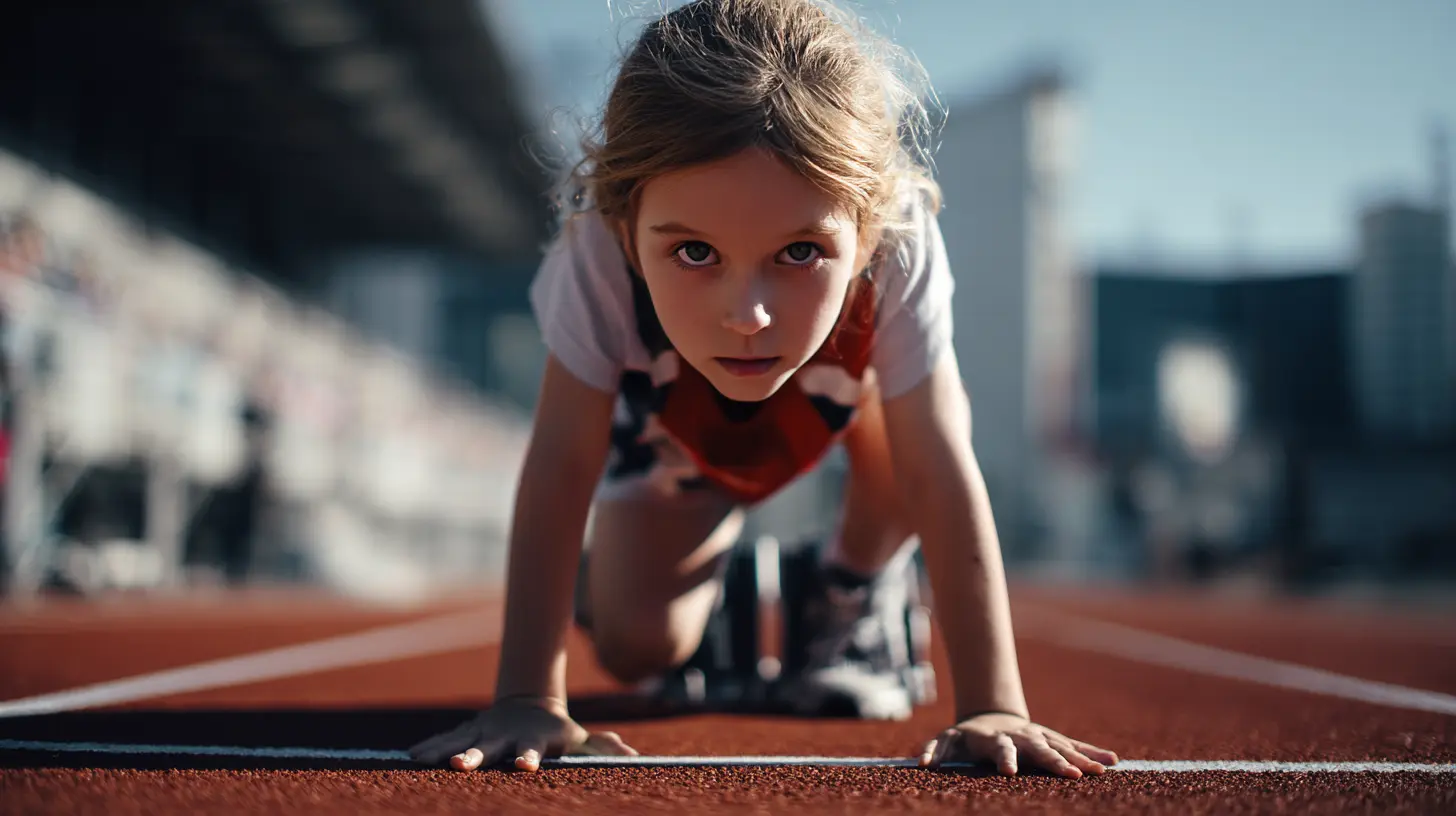
The first step in recognizing the future stars of sports is understanding where to look. Young athletes often emerge from grassroots programs, academies, and junior leagues that serve as breeding grounds for talent. These platforms offer essential training, competition, and exposure. Coaches and scouts play a crucial role in identifying potential, often looking for a combination of skill, physical attributes, and mental resilience.Case Study: The Role of Academies
Take, for instance, soccer academies like FC Barcelona's La Masia. This renowned academy has produced world-class players such as Lionel Messi and Xavi Hernandez. The structured environment allows young athletes to hone their skills daily while also fostering a strong sense of teamwork and discipline. The balance between individual skill development and collaborative play is vital for any aspiring athlete.Key Attributes of Young Talent
The athletes who stand out tend to share certain characteristics:1. Physical Ability: Natural athleticism is often complemented by rigorous training. Young athletes must develop strength, speed, and agility, tailored to their specific sport.
2. Mental Toughness: The pressure of competition can be daunting. Young athletes need to cultivate resilience, focus, and the ability to learn from failure.
3. Work Ethic: Talent alone is not enough. A relentless work ethic, demonstrated through hours of training, practice, and a commitment to improvement, is essential.
4. Coaching and Support: Effective coaching can amplify raw talent. Mentorship from experienced coaches provides critical feedback and guidance, shaping athletes both on and off the field.
Training Regimens and Best Practices
The Importance of Structured Training
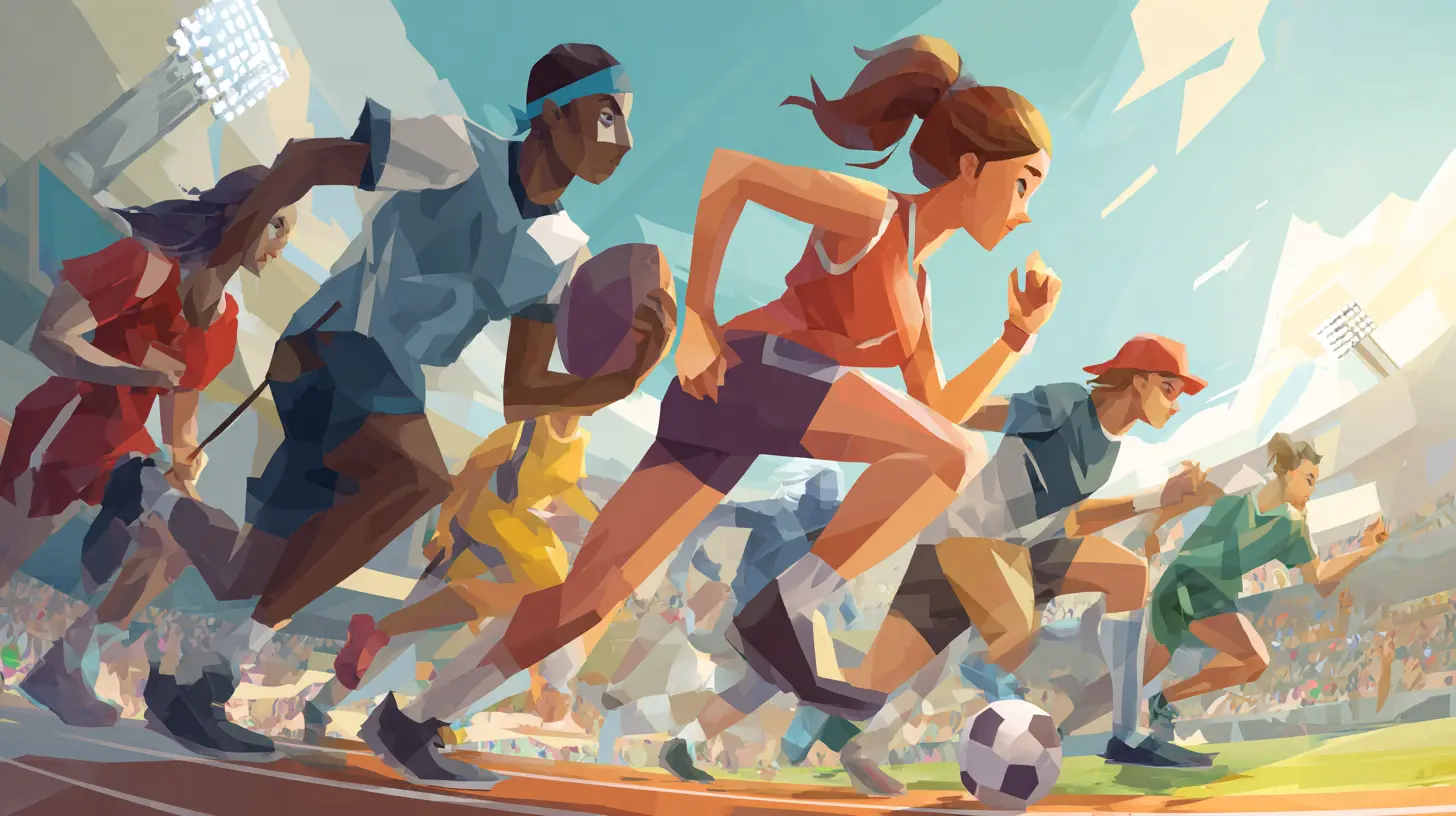
Structured training programs are crucial for young athletes aiming for success. These programs typically include:- Skill Development: Focused drills tailored to improve specific skills, such as shooting in basketball or passing in soccer.
- Strength and Conditioning: Building a strong physical foundation through targeted exercises to enhance performance and reduce injury risk.
- Mental Conditioning: Incorporating sports psychology to develop focus, confidence, and coping strategies for high-pressure situations.
Example: The Benefits of Cross-Training
Cross-training is a practice where athletes engage in different sports or activities to build overall athleticism. For example, a young basketball player might benefit from swimming to improve endurance and flexibility. This approach not only enhances physical attributes but also keeps training engaging and reduces the risk of burnout.Avoiding Common Pitfalls
While the journey of a young athlete is filled with promise, it is also fraught with challenges. Common mistakes include:- Burnout: Overtraining can lead to physical and mental exhaustion. It's essential to balance training with rest and recovery.
- Neglecting Fundamentals: Focusing solely on advanced techniques without mastering the basics can hinder long-term development. Athletes should continually revisit fundamental skills.
- Ignoring Nutrition: Proper fueling is vital. Young athletes often overlook the importance of a balanced diet, which can affect performance and recovery.
The Role of Technology
Embracing Data Analytics
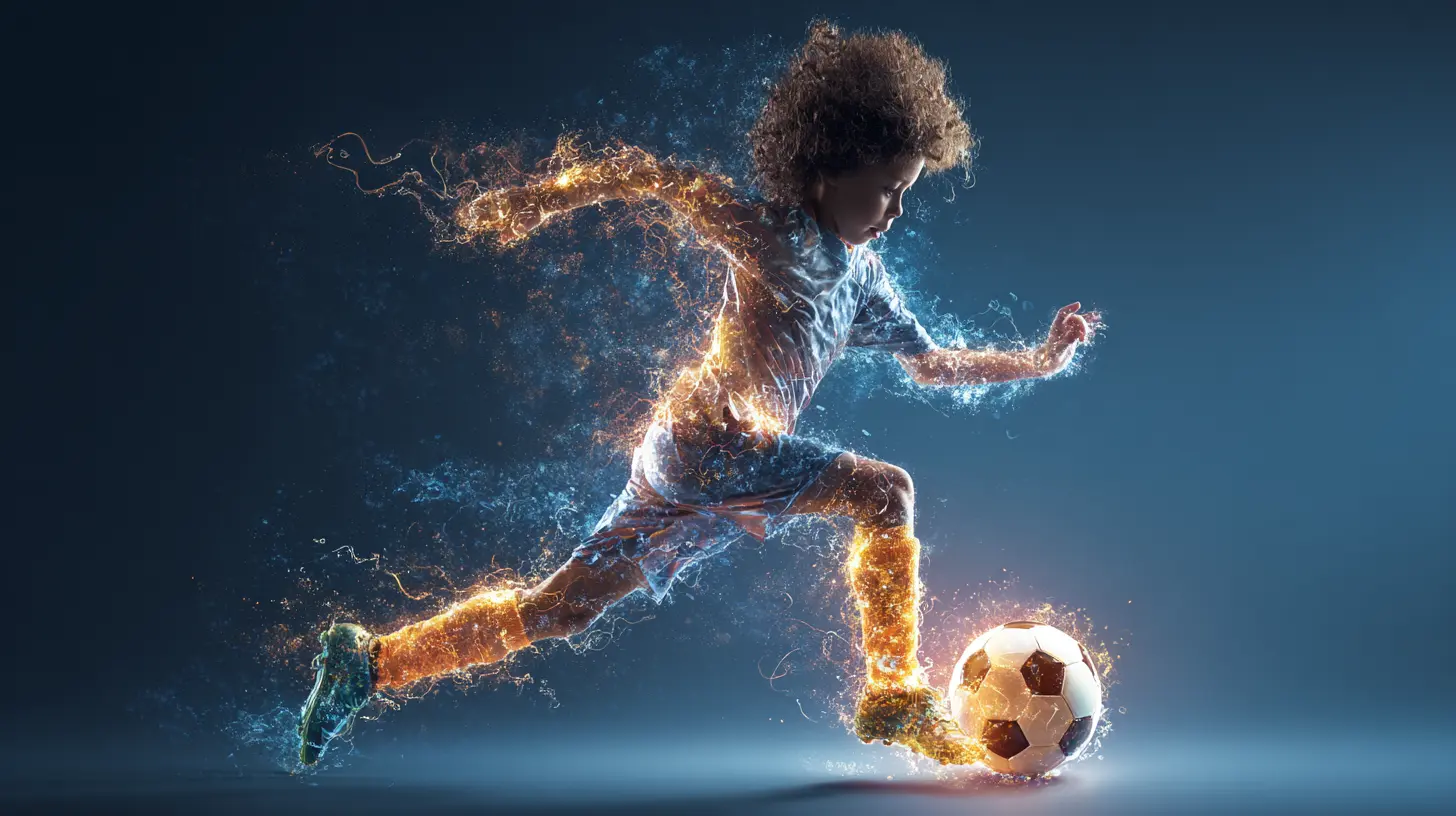
In recent years, technology has transformed training and performance analysis. Wearable devices and apps can provide real-time data on an athlete's performance, helping them and their coaches make informed decisions about training.Real-World Application: Video Analysis
Video analysis has become a staple in many sports. By reviewing game footage, athletes can identify strengths and weaknesses, allowing for targeted improvement. For instance, a young tennis player can analyze their serve mechanics, leading to better technique and performance.Social Media and Branding
For young athletes, social media is a powerful tool for personal branding. It allows them to share their journey, connect with fans, and potentially attract sponsorship opportunities. However, navigating this landscape requires caution.Best Practices for Social Media Use
1. Authenticity: Young athletes should present their true selves, avoiding the temptation to create a false persona.2. Engagement: Interacting with fans and followers can build a supportive community, but it should not distract from training.
3. Privacy: Being mindful of what to share is crucial. Young athletes should understand the implications of their online presence.
The Impact of Competition
The Importance of Competitive Experience
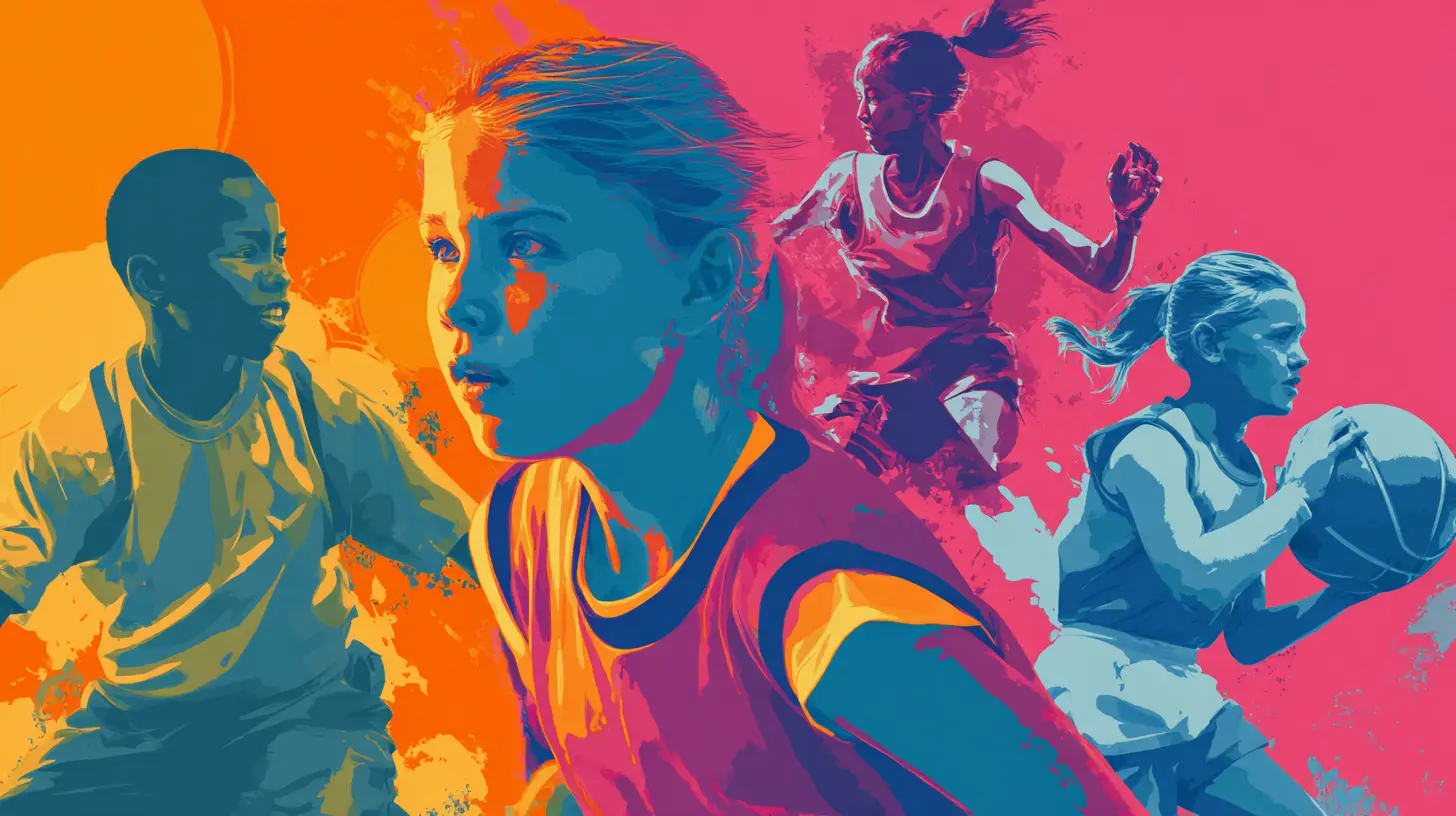
Competing at various levels is vital for young athletes. Exposure to different styles of play and varying levels of competition helps them adapt and grow. Whether it's local tournaments or international competitions, each experience contributes to their development.Challenge vs Growth
While competition can be daunting, it serves as a catalyst for growth. Athletes learn to handle adversity, adapt strategies, and improve resilience. It is essential for young athletes to seek out competitive environments that challenge them without overwhelming them.Mentorship and Role Models
Having role models can significantly influence young athletes. Observing the journeys of established athletes can provide valuable insights and inspiration. Mentorship from experienced athletes or coaches can also guide their development.Preparing for Major Events
The Road to 2027
As we approach the 2027 sporting events, young athletes must tailor their training and preparation accordingly. This involves:- Long-Term Planning: Athletes should set realistic goals with a clear roadmap leading to the events. This includes milestone achievements along the way.
- Simulated Experiences: Engaging in mock competitions can help young athletes acclimate to the pressures of major events.
- Physical and Mental Preparation: Building a holistic approach that emphasizes both physical readiness and mental fortitude is essential for success.
Understanding the Stakes
The significance of major sporting events cannot be overstated. For many young athletes, these competitions are opportunities to showcase their talent on a global stage. The pressure can be immense, but it also serves as a powerful motivator.
Conclusion: A Bright Future Ahead
The horizon looks promising for young athletes preparing for the 2027 sporting events. With the right training, support systems, and opportunities, these individuals are poised to make significant impacts in their respective sports. As they navigate challenges and embrace the journey, the emergence of new stars will undoubtedly bring excitement to the world of sports.
all images in this post were generated using AI tools
Category:
Sports Events CalendarAuthor:

Frankie Bailey

