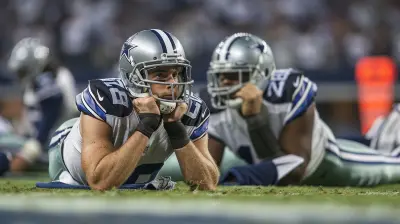
What We Know About Multi-Sport Athletes Recovering in 2026
13 September 2026
Recovery for multi-sport athletes has changed more in the past five years than in the previous twenty. The athlete who plays soccer in the fall, basketball in the winter, and runs track in the spring presents a recovery puzzle that single-sport specialists never have to solve. Their bodies absorb different loading patterns, their nervous systems toggle between completely different demands, and their calendars leave almost no true off-season. By 2026, sports medicine and performance staff have refined how they think about this population, and the picture is more nuanced than the old advice to just rest more.
This article breaks down what we actually know, what remains uncertain, and how athletes, parents, and coaches should apply that knowledge. The focus is on practical decision-making, not hype.
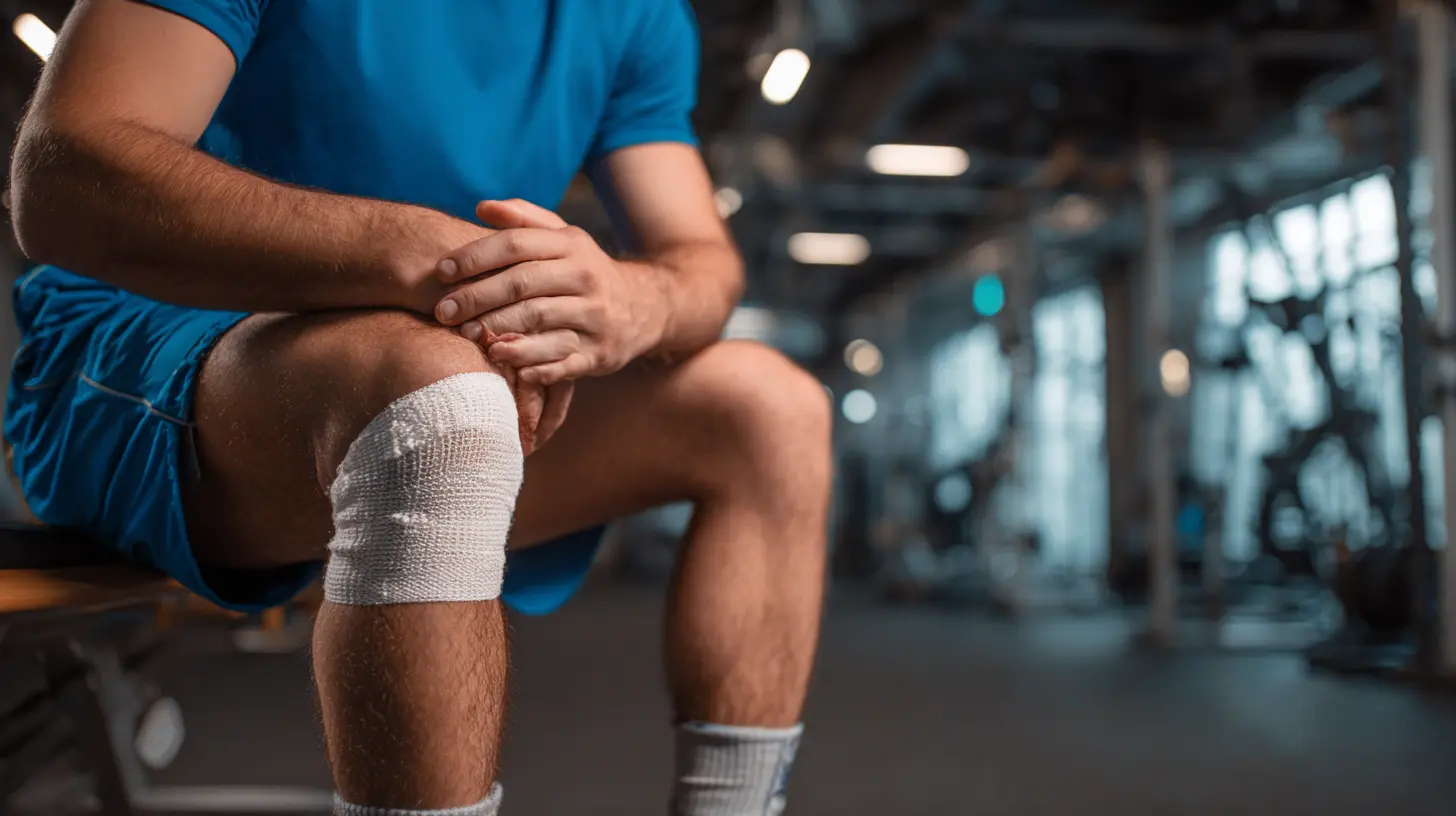
Why Multi-Sport Athletes Recover Differently
The core issue is not that multi-sport athletes train more. Many actually train fewer total hours than single-sport athletes who specialize year-round. The difference is the variety of stress and the frequency of transition between sports.Each sport imposes its own signature on the body. Basketball loads the Achilles and patellar tendons through repeated jumping and deceleration. Soccer stresses the hip adductors, hamstrings, and ankle stabilizers through cutting and sprinting. Swimming shifts demand toward the shoulders and upper back while unloading the lower body. When an athlete moves from one to the next, the tissues that were heavily loaded in the previous season do not fully reset. They carry residual fatigue, microtrauma, and altered movement patterns into the new sport.
This is why a multi-sport athlete can feel fresh cardiovascularly but still break down. The heart and lungs adapt quickly. Tendons, ligaments, and bone adapt slowly. A 16-year-old who finishes a grueling basketball season with sore knees and jumps straight into spring track may have the engine to run, but the connective tissue is still catching up.
Recovery, then, is not just about fatigue. It is about managing the transfer of load from one sport to the next.
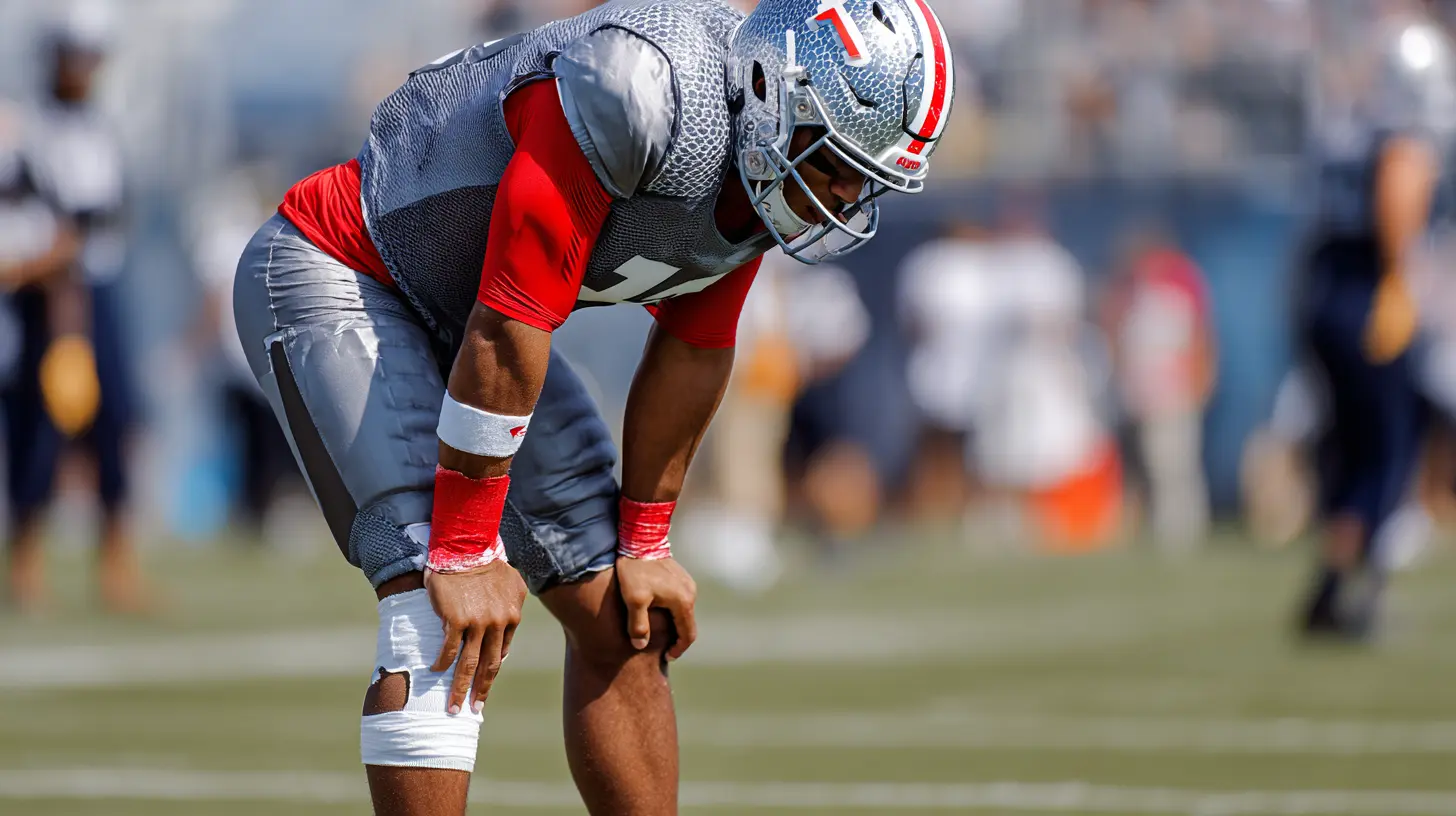
The 2026 Recovery Framework: Load, Tissue, and Nervous System
Most high-level programs now organize recovery around three interacting systems rather than a single "rest vs. train" decision.Load Management
Load management means tracking and adjusting the total stress an athlete accumulates. In 2026, many programs use session rating of perceived exertion (RPE) multiplied by duration to estimate internal load, paired with GPS or accelerometer data for external load. The goal is not to keep load low. It is to avoid spikes.A spike occurs when an athlete goes from a low-load period, like a two-week break, into a high-load period, like the first week of preseason. Tissue does not tolerate sudden increases well. The common guideline is to keep week-to-week increases in load under roughly 10 percent, though this is a heuristic, not a law. For multi-sport athletes, the transition between seasons is the highest-risk window because it often produces exactly this kind of spike.
Tissue Readiness
Tissue readiness refers to the condition of muscles, tendons, and bones. It is assessed through a mix of subjective reporting, movement screening, and sometimes imaging when symptoms warrant it. The key insight is that tissue readiness lags behind perceived fitness. An athlete can feel ready while their tendons are still remodeling from the previous season.Practical markers include morning stiffness, localized soreness that does not resolve within 48 hours, and reduced range of motion in a previously loaded joint. When these appear during a sport transition, the smart move is to reduce volume in the new sport for a week or two rather than push through.
Nervous System State
The nervous system governs how well an athlete produces force, reacts, and recovers. Chronic under-recovery shows up as elevated resting heart rate, poor sleep quality, mood disturbances, and slower reaction times. Wearable devices in 2026 can track some of these, but they are tools, not verdicts. Heart rate variability, for example, is useful when tracked consistently over time for one athlete, but comparing one athlete's number to another's is meaningless.For multi-sport athletes, the nervous system angle matters because switching sports is itself a cognitive and neuromuscular challenge. Learning new movement patterns while fatigued from a previous season increases injury risk. Recovery protocols that ignore this miss half the picture.

What Actually Works: Evidence-Informed Practices
The following practices have the strongest support and the most practical value for multi-sport athletes.Sleep as the Foundation
Sleep is the single most powerful recovery tool available. During deep sleep, growth hormone peaks, tissue repair accelerates, and memory consolidation supports skill learning. For adolescents, who make up a large share of multi-sport athletes, the recommendation is generally 8 to 10 hours per night. Most get less.The practical problem is scheduling. A student who finishes practice at 8 p.m., eats, does homework, and winds down rarely sleeps before 11 p.m. If school starts at 7:30 a.m., the math does not work. Programs that take this seriously adjust practice times, reduce early morning sessions after late games, and educate athletes on wind-down routines. Caffeine timing matters too. A pre-workout drink at 4 p.m. can still impair sleep at 11 p.m.
Nutrition Timing and Composition
Recovery nutrition is not just about protein shakes. The priorities are:1. Replacing glycogen after high-intensity sessions with carbohydrates.
2. Providing adequate protein spread across the day, roughly 1.6 to 2.2 grams per kilogram of body weight for athletes, depending on goals.
3. Managing hydration, including electrolytes when sweat losses are high.
4. Timing intake so that the post-session window is used, but not obsessively. The "30-minute window" is less rigid than once believed.
For multi-sport athletes, the challenge is that nutritional needs shift by sport. A distance runner needs more carbohydrate than a thrower. A swimmer training twice a day needs a different pattern than a soccer player with one evening session. Generic advice fails here. Individualization is not optional.
Active Recovery vs. Passive Rest
Active recovery, such as easy cycling, swimming, or walking, increases blood flow without imposing significant new load. It can reduce soreness and help athletes feel better. Passive rest, meaning complete inactivity, is sometimes necessary but is often overused.The trade-off: active recovery helps only if the activity is genuinely easy. A "recovery run" that turns into a moderate-effort session adds stress instead of removing it. For multi-sport athletes in transition, low-impact options like cycling or pool work are usually better than running because they spare the joints that just absorbed a season of impact.
Strength Training as Recovery Insurance
This sounds counterintuitive, but structured strength work reduces injury risk and improves recovery capacity. Stronger tendons tolerate load better. Better movement quality means less wasted energy. The caveat is that strength training must be programmed around the sport schedule, not added on top of it.In-season strength work should be low-volume and moderate-intensity, focused on maintaining qualities rather than building them. Off-season or transition periods are when heavier loading makes sense. Multi-sport athletes often skip strength work because they are always in a season. That is a mistake. Even two short sessions per week can make a difference.
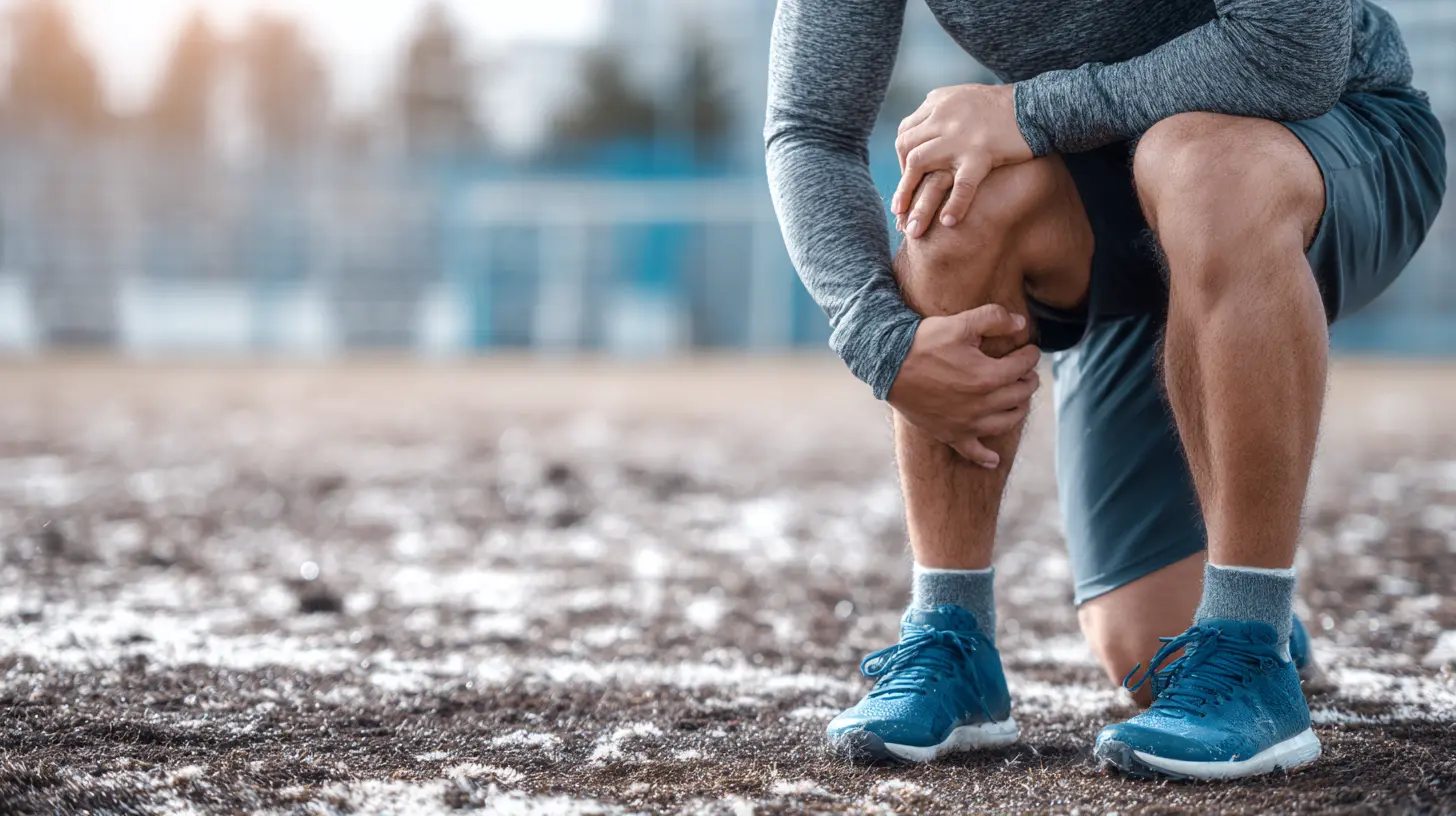
The Transition Window: Where Most Problems Happen
If there is one period that deserves the most attention, it is the two to four weeks between sports. This is when athletes are most vulnerable.Why Transitions Are Risky
- The previous season's fatigue has not cleared.- The new sport's demands are unfamiliar to tissues that adapted to something else.
- Motivation is often high, leading to overexcitement and early overload.
- Coaches of the new sport may not know what the athlete did in the previous one.
A Practical Transition Protocol
A sensible approach looks like this:1. Take 5 to 10 days of relative rest or very light activity after the season ends. This does not mean doing nothing. It means no structured sport-specific training.
2. Reintroduce movement gradually, starting with general strength and mobility work.
3. Begin sport-specific preparation at low volume, focusing on technique and movement quality before intensity.
4. Increase load progressively over 2 to 3 weeks, monitoring for signs of tissue distress.
5. Communicate with the new coach about the athlete's recent history and any lingering issues.
This protocol is not glamorous, but it prevents the classic pattern of a post-season injury in the first two weeks of the next sport.
Common Mistakes and Misconceptions
Several beliefs persist despite evidence to the contrary."Playing multiple sports automatically prevents overuse injuries."
Variety helps, but it does not guarantee protection. A multi-sport athlete can still develop tendinopathy if the total load across sports exceeds what their tissues can handle. The benefit of variety is that it distributes stress, not that it eliminates it."More rest is always better."
Rest is a tool, not a virtue. Too much rest leads to detraining, loss of strength, and increased injury risk when training resumes. The goal is appropriate recovery, not maximum recovery."Young athletes recover faster, so they need less structure."
Youth is not a shield. Adolescents have growth plates that are vulnerable to repetitive stress, and their sleep and nutrition habits are often poor. They may bounce back from a single hard session, but they accumulate risk over a season just like adults, sometimes more."If it doesn't hurt, it's fine."
Pain is a late signal. Many overuse injuries begin with subtle changes in movement, stiffness, or performance that precede pain by weeks. Athletes and coaches who only react to pain are always behind.
What 2026 Technology Does and Does Not Solve
Wearables, apps, and AI-driven platforms are now common in sports recovery. They can help with:- Tracking load and sleep patterns.
- Flagging unusual changes in heart rate or HRV.
- Reminding athletes to complete recovery routines.
- Providing objective data for conversations between athlete, coach, and clinician.
They cannot:
- Diagnose injuries.
- Replace clinical judgment.
- Account for everything happening in an athlete's life, like school stress or family issues.
- Turn a poorly designed training program into a good one.
The risk in 2026 is over-reliance on data. An athlete who feels fine but has a low HRV score may be told to rest unnecessarily. Another who feels terrible but has normal numbers may be pushed too hard. Technology should inform decisions, not make them.
Balancing Multiple Sports: Decision Points for Athletes and Families
Families often ask whether their child should specialize or continue multiple sports. There is no universal answer, but several factors matter.Age and Development
Before puberty, broad movement experiences are generally beneficial. Specializing early rarely produces better long-term outcomes and often increases injury risk and burnout. During and after puberty, the calculus shifts. If an athlete has clear talent and passion for one sport, focused training with proper recovery may make sense. If they love several sports, continuing them can still work, provided the transition periods are managed.Coaching and Program Quality
A well-run multi-sport program that coordinates schedules and communicates about load is very different from a fragmented system where each coach acts independently. Before committing, ask how coaches handle athletes who are in another sport. If the answer is vague, expect problems.The Athlete's Own Motivation
An athlete who is doing three sports to please parents or chase scholarships is at higher risk of burnout and injury than one who genuinely enjoys the variety. Motivation affects sleep, nutrition, and adherence to recovery practices. It is not a soft factor. It is central.
Practical Recommendations for Coaches and Support Staff
Coaches are often the first line of defense. A few habits make a large difference.- Ask athletes what they did in the previous season and how they feel now.
- Build transition periods into the annual plan instead of jumping straight into high-intensity work.
- Use simple load monitoring, even if it is just RPE and duration, to spot spikes.
- Teach athletes basic recovery skills: sleep hygiene, hydration, and how to communicate soreness.
- Coordinate with other coaches when possible. A shared spreadsheet or brief message can prevent a lot of damage.
None of this requires a large budget. It requires attention.
What Remains Uncertain
Honesty matters here. Several areas still lack clear answers.- The ideal length of a transition period varies by athlete, sport, and prior history. Research offers ranges, not precise prescriptions.
- The long-term effects of year-round multi-sport participation, as opposed to seasonal participation, are not fully understood.
- Wearable-derived metrics like HRV have inconsistent research support for guiding daily training decisions in young athletes.
- The role of genetics in recovery capacity is real but not yet actionable for most people.
Athletes and practitioners should treat these as open questions, not settled science.
Final Thoughts
Recovery for multi-sport athletes in 2026 is less about any single intervention and more about managing transitions, monitoring load, and respecting the slow pace at which tendons and bones adapt. Sleep, nutrition, and thoughtfully programmed strength work remain the backbone. Technology helps at the margins. The biggest gains come from basic discipline: planning the space between seasons, communicating across coaches, and paying attention to early warning signs before they become injuries.The athletes who thrive are not necessarily the most talented. They are the ones whose support system treats recovery as part of training, not as an afterthought.
all images in this post were generated using AI tools
Category:
Injury UpdatesAuthor:

Frankie Bailey
Discussion
rate this article
2 comments
Whitney Brooks
Multi-sport athletes have a unique resilience that shines through in recovery. Their commitment and adaptability inspire us all. Let's support their journeys and celebrate every step they take towards healing.
September 16, 2026 at 10:59 AM
Honor McDaniel
It's inspiring to see the resilience of multi-sport athletes as they navigate recovery. Their dedication and passion for sport often shine through in tough times. Here's to hoping they find strength and support in their journey back to the field.
September 13, 2026 at 3:15 AM
Frankie Bailey
Thank you for your thoughtful comment. The resilience of multi-sport athletes is truly remarkable, and their journeys serve as a powerful reminder of the strength within us all. Here's to their recovery.