Top Athletes Skipping Major Events Due to Injury in 2026
3 October 2026
Every Olympic cycle and World Cup year produces the same uncomfortable ritual. A federation announces a roster. Then the withdrawals start. By the time the opening ceremony or the first whistle arrives, the event is missing some of the biggest names in sport, and the conversation shifts from who will win to who is not even there.
2026 is an unusually crowded year on the global sports calendar. The Winter Olympics in Milan and Cortina d'Ampezzo. The FIFA World Cup across the United States, Canada, and Mexico. A full slate of Grand Slam tennis, major marathons, world championships in athletics and swimming, and the usual grind of professional leagues running in parallel. That density matters, because it multiplies both the physical toll on athletes and the commercial and emotional cost of every absence.
This article looks at the forces behind those absences, how different sports handle them, and what fans, coaches, and athletes themselves should understand about a decision that is never as simple as it looks from the outside.
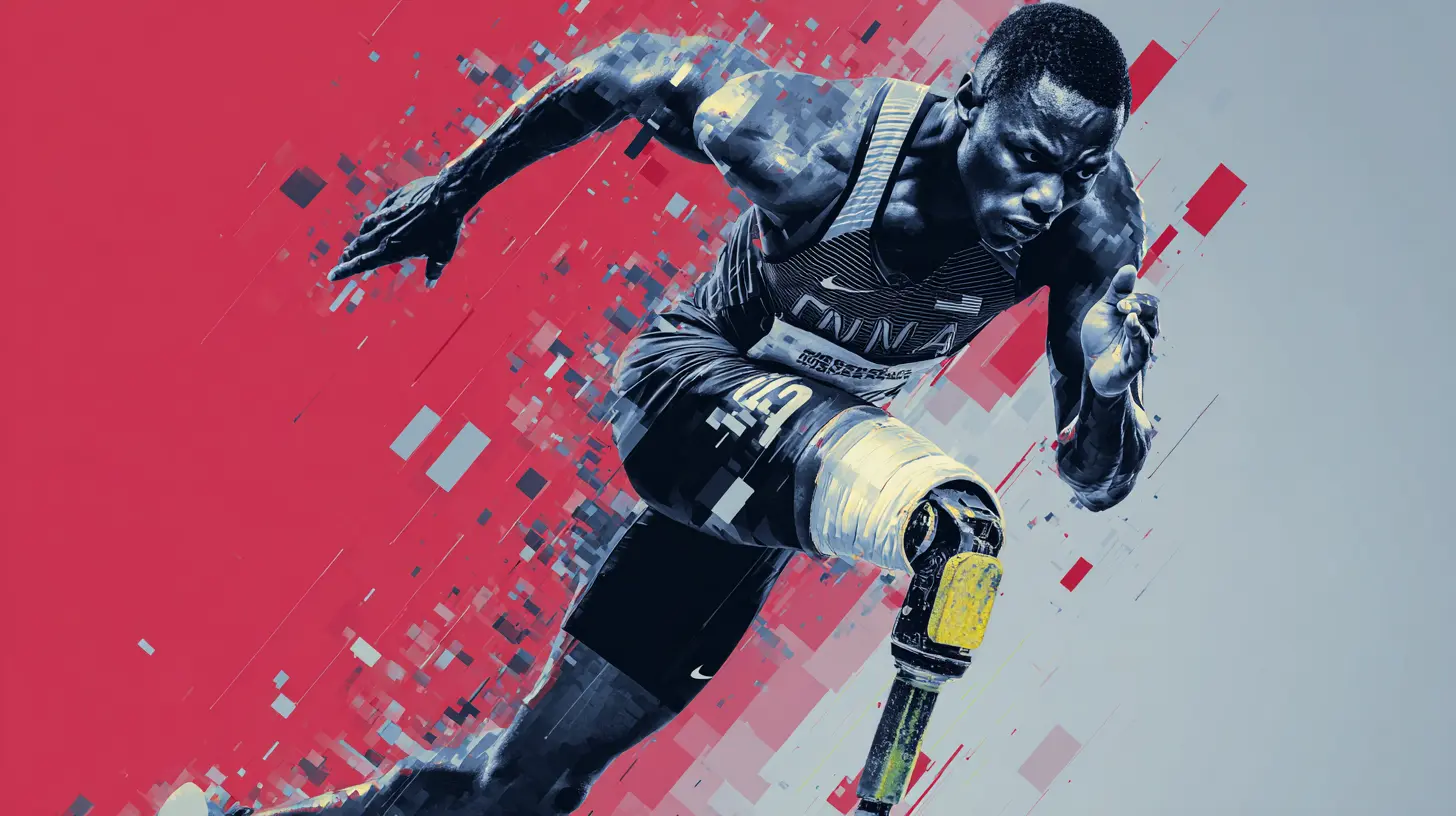
Why 2026 Is a Particularly Brutal Year for Injuries
A Calendar With No Breathing Room
The compressed international calendar is the single biggest structural factor. When a Winter Olympics, a World Cup, and world championships in multiple summer sports all land in the same twelve months, athletes in overlapping disciplines face a scheduling squeeze that leaves almost no room for recovery.Consider a professional footballer who plays a 50 to 60 match club season, then joins a national team for a World Cup that now runs with an expanded format and more matches than any previous edition. Add continental tournaments and qualifiers, and the cumulative load becomes difficult to justify medically. Sports medicine practitioners have warned for years that tissue needs time to adapt to load. When the calendar removes that time, the body does not simply cooperate because the event is important.
The Economics of Playing Hurt
There is a hard truth that fans often resist. Athletes are employees with contracts, bonuses, and long-term earning windows that are shorter than most careers in other industries. A player who risks a minor injury to appear at a major event and turns it into a season-ending or career-altering problem may lose far more than a medal.This is why the decision to skip is rarely cowardice. It is often a calculated risk assessment made by the athlete, their agent, their club, and their medical team, sometimes against the wishes of a federation that wants the star power.
Advances in Diagnosis Change the Math
Better imaging and biomechanical analysis have made it harder to hide injuries and easier to quantify risk. Twenty years ago, a player might have received a vague diagnosis and played through it. Today, an MRI can show the exact grade of a soft tissue tear, and load monitoring can predict with reasonable accuracy when a return to competition is premature. That precision cuts both ways. It protects athletes, but it also gives them documented reasons to withdraw that are difficult to argue with.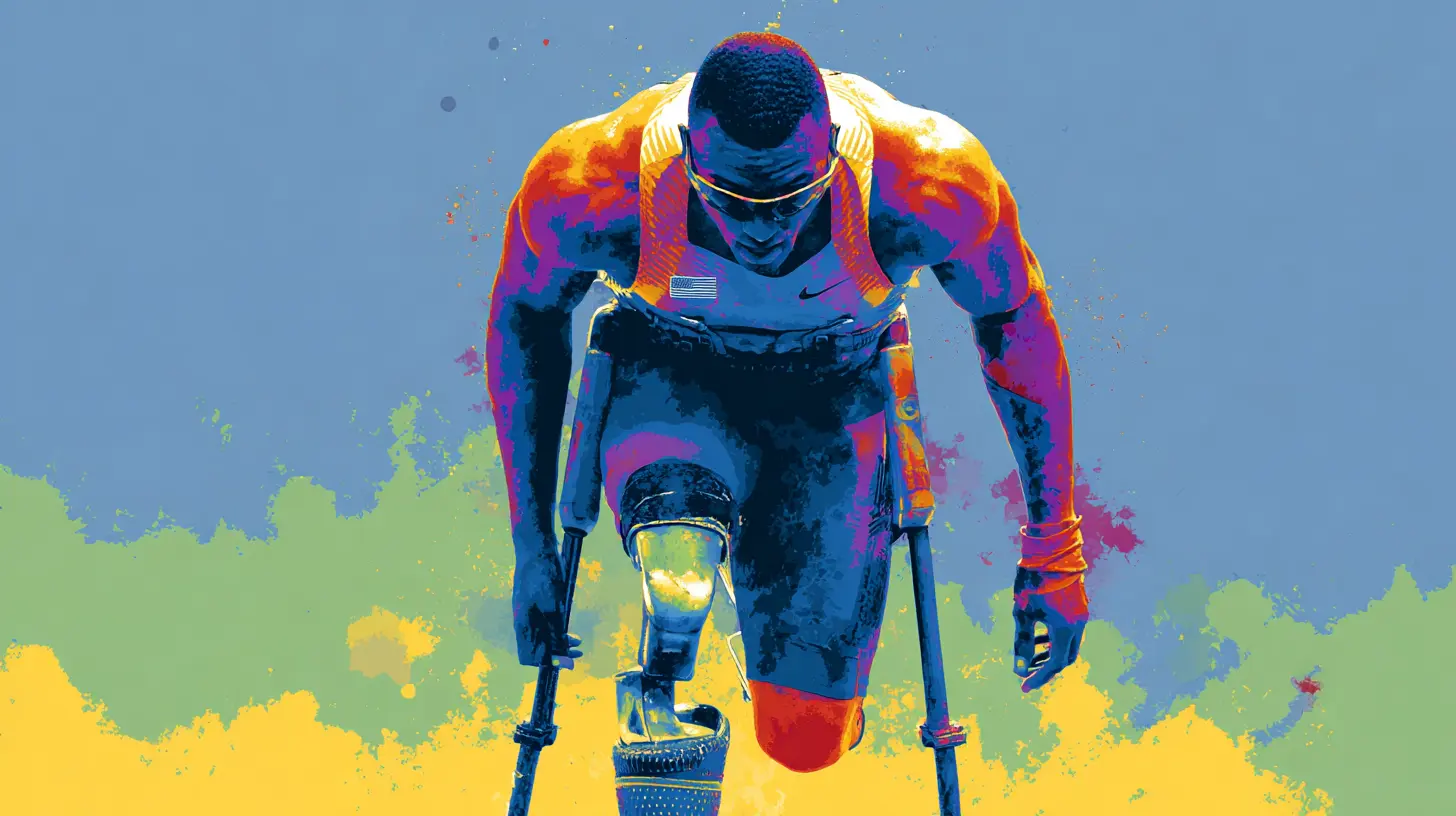
Winter Olympics 2026: The Highest-Stakes Withdrawals
The Winter Games present a unique problem. Many winter sports are inherently high-impact and high-speed, and the margin between a clean run and a serious injury is measured in centimeters and milliseconds.Alpine Skiing and the Speed Disciplines
Downhill and super-G racers routinely reach speeds where a crash can end a season. Knee injuries, particularly to the ACL, are the defining ailment of the sport. A skier who tears an ACL in the months before the Olympics faces a recovery timeline that almost never allows a return at full competitive level in time for the Games.The calculus for a skier is different from a team sport athlete. Alpine racing has a short peak window, and an Olympic medal can define a career. That pressure pushes some athletes to attempt comebacks that medical staff would advise against. When a top racer does withdraw, it is usually because the risk of re-injury on icy, aggressive courses is simply too high to justify.
Figure Skating and the Weight of a Single Event
Figure skating is brutal in a different way. The sport rewards repetition, and elite skaters train jumps hundreds of times per week. Stress fractures, ankle injuries, and hip problems accumulate quietly. Because the Olympics are the only event that truly matters to casual audiences, skaters often delay surgery until after the Games, which means the injury is managed rather than fixed.In an Olympic year, a skater who withdraws is usually dealing with something structural, not a bruise. The sport's judging and qualification systems also make late replacements complicated, so a withdrawal can ripple through a national team's entire plan.
Ice Hockey and the NHL Question
Ice hockey at the Olympics has a long, contentious history regarding NHL participation. When the league pauses its season to allow players to compete, the injury risk is borne by the clubs that pay the salaries. A star player who suffers a significant injury at the Games and misses the rest of the NHL season creates a genuine conflict between national pride and professional obligation.In 2026, with the NHL again involved in Olympic competition, expect the same tension. Some players will withdraw citing nagging injuries, and some of those withdrawals will be genuine while others will be strategically framed. The distinction matters less than the outcome. The team that loses a first-line forward or a starting goaltender is a different team.
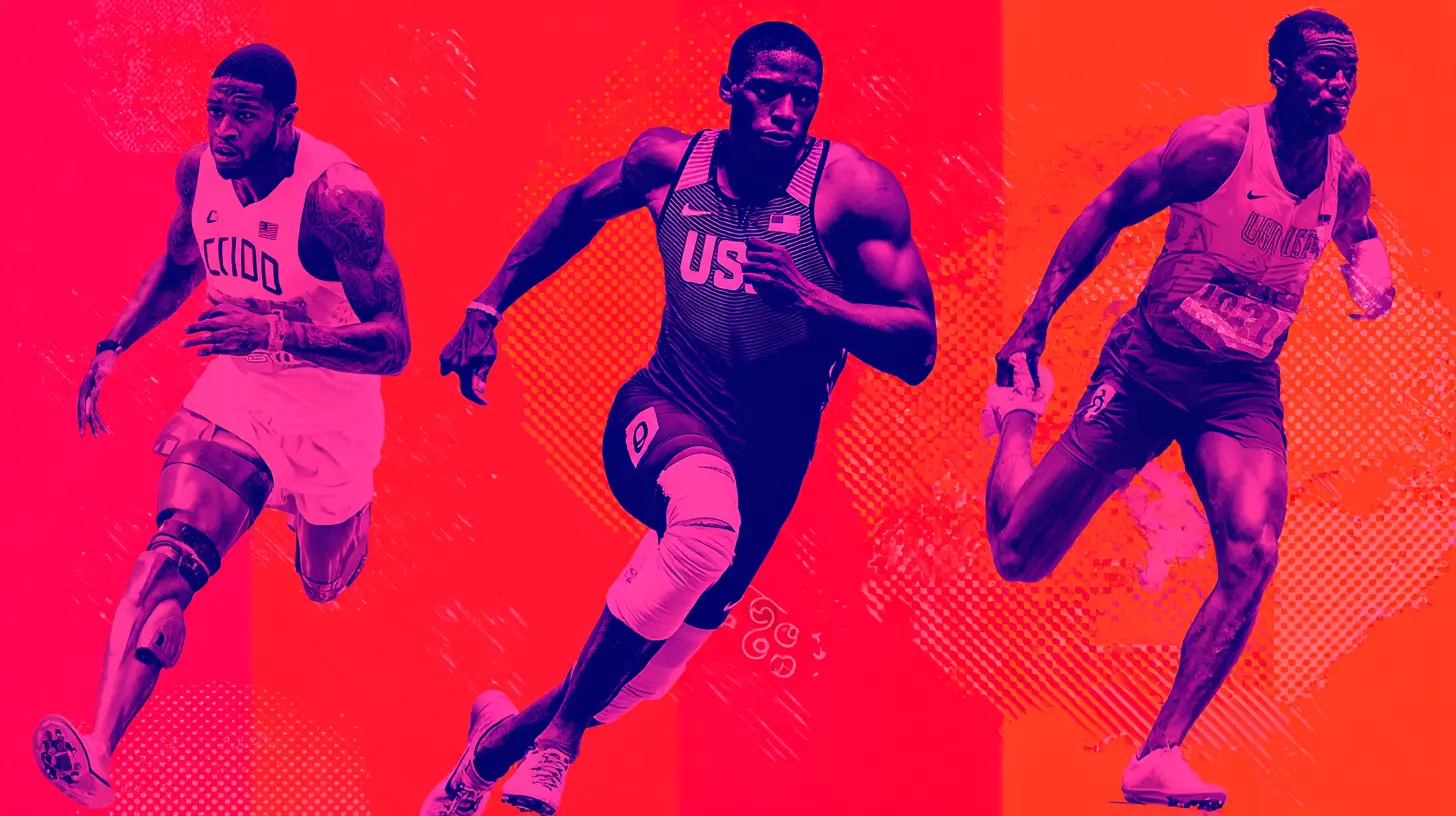
FIFA World Cup 2026: A Tournament That Tests Bodies and Patience
The Expanded Format Problem
The 2026 World Cup is the largest ever, with more teams and more matches. That expansion increases the total minutes played by the deepest squads and the travel burden across three host countries with vastly different climates and time zones.For a player who has already logged a heavy club season, the tournament becomes a test of endurance as much as skill. Muscle injuries, particularly hamstring and calf strains, tend to spike in the later stages of congested schedules. A player who feels a twinge in the group stage faces a real dilemma. Push through and risk a tear that ends the tournament. Withdraw and let the team down.
The Club Versus Country Conflict
This is the oldest tension in football and it has never been resolved. Clubs invest enormous sums in players and want them protected. National teams want their best available. Players are caught in the middle, often pressured from both sides.A practical example of how this plays out: a forward with a minor groin issue may be cleared by his club's medical staff to rest for three weeks, which conveniently rules him out of international duty but has him fit for the club's next league match. Whether that is genuine caution or convenient timing is almost impossible to prove, and it happens in both directions.
Why Some Stars Will Genuinely Miss Out
Beyond the politics, there are straightforward medical reasons. An ACL reconstruction typically requires nine to twelve months before a return to competitive play, and longer for full confidence. A player who suffers that injury in the autumn before a summer World Cup is almost certainly out. The same applies to Achilles ruptures and serious ankle fractures.Fans should also understand that "fit" is not binary. A player can be medically cleared to play but still operating at 70 percent, which at international level is often worse than useless. Some withdrawals are really about a player recognizing that he cannot perform at the standard required.

Tennis, Athletics, and the Individual Sports Dilemma
Grand Slams and the Ranking Trap
Tennis presents a fascinating case study because the sport is individual. There is no club to blame and no federation to fight. The decision rests almost entirely with the player and their team.The ranking system creates a perverse incentive. Skipping a major event costs ranking points, which affects seeding, which affects future draws. A player with a chronic wrist or elbow issue may choose to play a Slam at reduced capacity rather than lose the points, then withdraw mid-tournament when the injury flares. This is one of the most common patterns in the sport and it frustrates fans who buy tickets for a specific day.
The smarter approach, and one more players are adopting, is to withdraw before the draw is made. It costs points but preserves the body and avoids the bad publicity of a mid-match retirement.
Marathons and the Limits of Willpower
Distance running has its own culture around injury. Runners are often praised for pushing through pain, and that ethos can be dangerous. Stress fractures in the foot or shin do not heal with determination. They heal with rest, and running on them can turn a six-week recovery into a six-month one.When an elite marathoner withdraws from a major race, it is often because a stress reaction was caught early. That is actually good medical practice, even though it disappoints the race organizers and the broadcasters who built their promotion around that athlete.
Track and Field World Championships
Athletics has a compressed championship calendar and a qualifying system that forces athletes to compete frequently. A sprinter with a hamstring strain faces a brutal choice. Hamstrings are notoriously prone to re-injury, and a partial tear that is rushed back can become a full rupture.The best practice in sprinting is conservative. If a scan shows any significant damage, the athlete withdraws. The career is longer than any single championship.
How Teams and Federations Actually Decide
The Medical Team's Role
In professional sports, the decision to withdraw is usually made by a medical committee, not the athlete alone. This is deliberate. It removes some of the emotional pressure and creates a documented process.A typical protocol includes imaging, functional testing, and a graded return-to-play progression. If the athlete cannot pass the functional benchmarks, they do not play. This protects the athlete and the organization from liability.
The Pressure to Play
That said, protocols can be bent. Star players generate revenue, and there is always someone arguing that a compromised star is better than a healthy substitute. This is where organizations make mistakes. Playing an injured athlete rarely works out, and it often makes the injury worse.The most successful teams in any sport are the ones with a culture that treats the medical staff as authoritative rather than advisory. When the doctor's word is final, players are protected and the team avoids the long-term cost of preventable injuries.
What Fans Get Wrong About Withdrawals
The Assumption of Weakness
The most common misconception is that a withdrawing athlete is soft or unwilling to compete. In reality, the opposite is often true. The athletes who withdraw are frequently the ones who have been managing pain for months and have finally reached a point where continuing would cause permanent damage.The Conspiracy Reflex
Fans also tend to assume hidden motives. Sometimes those exist, particularly around club versus country disputes. But most withdrawals are exactly what they appear to be. A scan showed a problem. The doctors advised rest. The athlete followed the advice.Ignoring the Human Cost
It is easy to forget that a withdrawal is a personal loss for the athlete. Years of preparation, sacrifices by family, financial commitments, and a single shot at a career-defining moment. When a star pulls out, they are usually more devastated than any fan.Practical Lessons for Athletes and Coaches
Load Management Is Not a Buzzword
The single most effective injury prevention strategy is managing training and competition load. This means tracking minutes, monitoring sleep and recovery markers, and being willing to rest players even when they feel fine.Teams that do this well, across football, basketball, and other sports, consistently have fewer soft tissue injuries. It is not glamorous, but it works.
Early Intervention Beats Heroic Comebacks
The athletes with the longest careers are usually the ones who address minor injuries immediately. A small problem treated early is a two-week absence. The same problem ignored for a month is often a season-ending surgery.Build a Team You Trust
Athletes should surround themselves with medical professionals who have no incentive to rush them back. That means independent advice, not just the team doctor employed by the club. A second opinion is not disloyalty. It is due diligence.Communicate Early
When a withdrawal is inevitable, announcing it early is almost always better than waiting. It gives organizers time to adjust, fans time to process, and the athlete space to recover without a media circus. Late withdrawals, especially on the eve of competition, generate the most anger and the most damaging speculation.
What to Expect as 2026 Unfolds
The pattern is predictable. In the months before each major event, a steady drip of withdrawals will be announced. Some will be high-profile stars whose absence changes the entire complexion of the competition. Others will be quieter, affecting teams in ways that only dedicated fans notice.The sports most at risk are those with the longest seasons and the most physical contact. Football, basketball, hockey, and alpine skiing top that list. Individual sports with chronic overuse patterns, like tennis and distance running, will also see their share.
The honest takeaway is that this is not a crisis. It is the natural consequence of a sports calendar that has grown faster than the human body can adapt to. As long as the money and the prestige keep growing, the pressure to compete will keep rising, and so will the number of athletes who have to make the hardest call of their careers.
The best thing fans can do is understand that the decision is rarely simple, and the best thing athletes can do is make it with good medical advice and enough time to actually heal.
all images in this post were generated using AI tools
Category:
Injury UpdatesAuthor:

Frankie Bailey