The Unsung Heroes: High School Athletic Trainers Who Keep Players Safe
19 July 2026
When we think of high school sports, who comes to mind first? Usually, it's the star quarterback, the lightning-fast sprinter, or maybe the coach rallying the troops from the sidelines. But behind every athlete who crosses the finish line, scores the winning goal, or plays through a tough season, there's someone else quietly working in the background—the high school athletic trainer.
These folks are not just taping ankles or checking temperatures. They’re real-deal lifesavers, injury-preventing ninjas, and the first line of defense when things go sideways on the field. It’s about time we shine the spotlight on these unsung heroes who dedicate their skills, knowledge, and heart to keeping student-athletes safe and performing at their best.
What Exactly Does a High School Athletic Trainer Do?
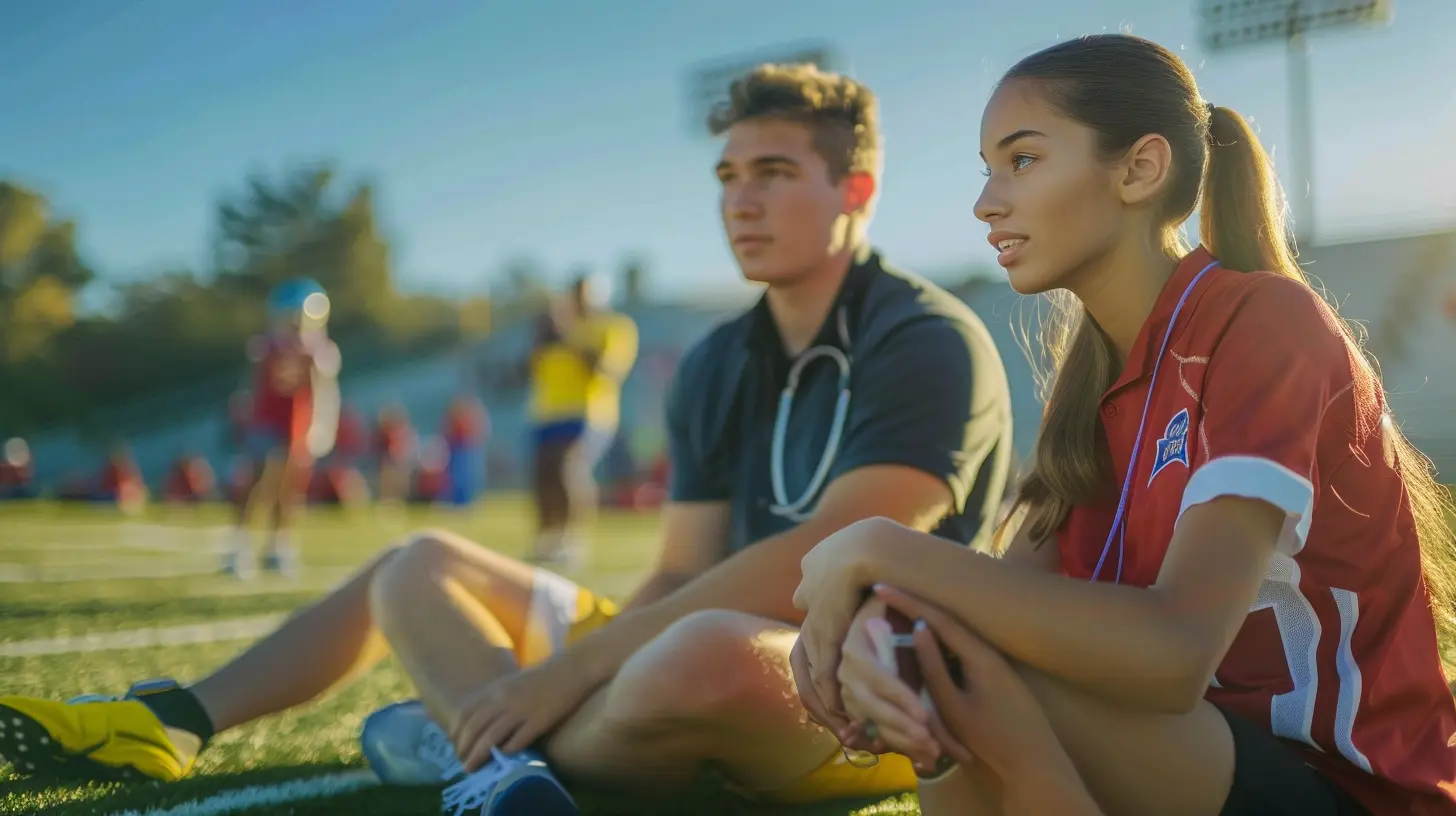
Let’s bust a myth right off the bat: athletic trainers are not gym teachers. They’re highly educated and certified healthcare professionals trained in preventing, diagnosing, and treating injuries. Think of them as the first responders of the sports world.They do it all—from creating injury prevention programs to performing emergency care when a kid takes a nasty fall. They also help guide athletes through rehabilitation and recovery, making sure they return to play healthier and stronger.
So why don’t we hear more about them? Because their work tends to happen behind the scenes. But trust me, ask any player who’s been hurt, and they’ll tell you how clutch their athletic trainer was during the darkest moments of their sports journey.
The First Ones There and the Last Ones to Leave
Athletic trainers don’t punch in and out like a 9 to 5 desk job. Their day starts before the first whistle blows and doesn’t end until the lights go off on the field. Rain, snow, or blazing heat—they're out there setting up, monitoring, and making sure every athlete is game-ready.Ever seen someone sprint across the field with a medical kit in hand the second a player goes down? Yep, that’s them.
And it’s not just game day heroics. After the crowds clear, these trainers stick around for ice treatments, injury evaluations, and hours of paperwork. They're grinding behind the scenes while the rest of the team is heading home for dinner.
Makes you wonder how they keep up, right?

The Emotional Lifeline for Student-Athletes
Injuries are more than just physical setbacks. For a high school athlete dreaming of a college scholarship or a pro career, even a sprained ankle can feel like the end of the world. That’s where athletic trainers really earn their superhero badge.They’re not just healing bodies—they're also patching up spirits. A good trainer knows when to give a pep talk, a listening ear, or some tough love. They become mentors, counselors, and sometimes even like a second parent.
Have you ever seen a teen athlete break down in frustration after being sidelined? The trainer is usually right there, calming them down, explaining the recovery plan, and assuring them that their comeback story is just getting started.
Injury Prevention: Their Secret Superpower
“An ounce of prevention is worth a pound of cure.” That quote hits home for athletic trainers.Sure, they’re ready to jump in when injuries happen, but their real magic lies in stopping them before they start. They monitor athletes’ movement, catch signs of fatigue, check hydration levels, and even look at how practice routines might be contributing to overuse injuries.
Ever wonder why your school’s star player rarely gets hurt? Odds are, there’s an athletic trainer pulling strings in the background—adjusting their recovery schedule, managing their workload, and keeping them in peak condition.
In a nutshell, trainers protect players from the things they don’t even see coming.
The Unsung Role in Concussion Awareness
Let’s talk about concussions. A buzzword in sports medicine and a real threat in contact sports. High school players are at major risk, especially in sports like football, soccer, and hockey.Athletic trainers are often the first to spot symptoms—and the most trusted voice when it comes to returning to play. They use their training to detect subtle signs like dizziness, confusion, or delayed reaction time that players (or even coaches) might overlook.
And here's the kicker: they’re not afraid to say “no.”
When everyone else is pushing for a quick return, trainers are the ones stepping in to protect the player’s long-term health. Because at the end of the day, that’s what matters.
The Certification and Training Behind the Title
You might think athletic trainers just pick up their skills on the fly. Nope. These pros are armed with degrees in athletic training (AT), and they must pass rigorous national certification exams.They’re trained in everything from biomechanics and anatomy to emergency cardiac care. Many are also educated in nutrition, mental health, and even environmental illnesses like heatstroke.
It’s like the Swiss Army knife of sports medicine—all packed into one person.
And just like teachers and coaches, many athletic trainers have to keep up with continuing education to stay certified. So while their job may be at a high school, their skills are nothing short of professional level.
Underpaid, Overworked, and Still Showing Up
Here’s a gut punch: many high school athletic trainers don’t make nearly what they deserve. They work long hours, weekends, and holidays. Budget cuts can threaten their jobs. Some schools even ask one trainer to cover multiple sports at once (imagine running between the football field, the track, and the wrestling room—all in the same day).In some parts of the country, schools can't afford full-time trainers at all, leaving student-athletes incredibly vulnerable.
But despite all that, these trainers keep showing up. Why? Because they care. Because they remember the athlete who thanked them after a long recovery. Because they know what’s at stake if they don’t.
They’re in it for the players, not the paycheck.
Real-Life Stories of Impact
Let’s put a face to this story.A high school football player collapses with a heatstroke during summer practice. The athletic trainer—knowing the signs and the protocol—immediately starts cooling treatments and calls emergency services. That quick thinking? It saves his life.
Or the volleyball player who tears her ACL. Devastated, she doesn’t know if she’ll play again. Her trainer maps out the recovery, coordinates with doctors, and stays by her side through surgery, rehab, and—months later—her triumphant return to the court.
These aren’t rare stories. They happen every day in high schools across the country—yet they rarely make headlines.
Building Trust with Coaches, Parents, and Players
Being an athletic trainer isn’t just about clinical skills. It’s also about building relationships.They work closely with coaches to create safe practice environments. They communicate with parents about injuries and rehab plans. Most importantly, they build trust with the players—so when something’s wrong, the athlete feels safe speaking up.
That trust is golden. Especially in a world where kids sometimes feel pressured to “tough it out” and hide injuries.
The best athletic trainers create a culture where safety and health come first—and where athletes know they’re more than just a jersey number.
The Future of High School Sports Depends on Them
As high school sports get faster, more intense, and more competitive, the role of athletic trainers becomes even more critical. Bigger games come with bigger risks. And it’s not just about winning—it’s about keeping our kids safe in the process.Advocating for full-time trainers at every high school should be a national conversation. Student-athletes deserve professional care and protection, just like college and pro athletes get.
Investing in athletic trainers isn’t an expense—it’s an insurance policy for our young athletes’ futures.
So, How Do We Celebrate These Heroes?
Start by recognizing them. Give them a shoutout at awards banquets. Include them in the team photo. Ask them to share injury prevention tips during parent meetings.If you’re a parent, a coach, or even a fellow student, take a moment to say “thank you.” Trust me, it means the world.
And if you're a school administrator? Fight to keep your athletic trainer on staff. Your student-athletes’ health literally depends on it.
Final Thoughts
High school athletic trainers are the heartbeat behind the hustle. You might not see them in the highlight reels or in the newspaper write-ups, but they’re the reason many athletes can even take the field.They prevent injuries, handle emergencies, manage long recoveries, and support mental health—all with little recognition and often limited resources.
They’re the unsung heroes of high school sports. And it’s time we start singing their praises.
all images in this post were generated using AI tools
Category:
High School SportsAuthor:

Frankie Bailey
Discussion
rate this article
1 comments
Devin Wilson
High school athletic trainers are the backbone of school sports, juggling injuries and emergencies behind the scenes. Their expertise and dedication often go unnoticed, but they deserve a standing ovation.
August 13, 2026 at 5:07 AM
Frankie Bailey
Absolutely! Their hard work and commitment truly make a difference and often go unrecognized. They deserve all the appreciation for keeping our athletes safe.