The Science of Balance and Coordination: How Athletes Stay on Their Feet
1 March 2026
When you watch an athlete perform—whether it's a gymnast gracefully flipping through the air, a soccer player dodging tackles, or a basketball star dribbling past defenders—it’s easy to be amazed by their seemingly effortless movements. But what really keeps them on their feet? The answer lies in the incredible science of balance and coordination.
These two crucial skills don’t just happen by luck or natural talent. Athletes train hard to refine their ability to stay upright, adjust their posture, and react quickly. So, how do they do it? Let’s dive into the world of balance and coordination to uncover the secrets behind these athletic feats.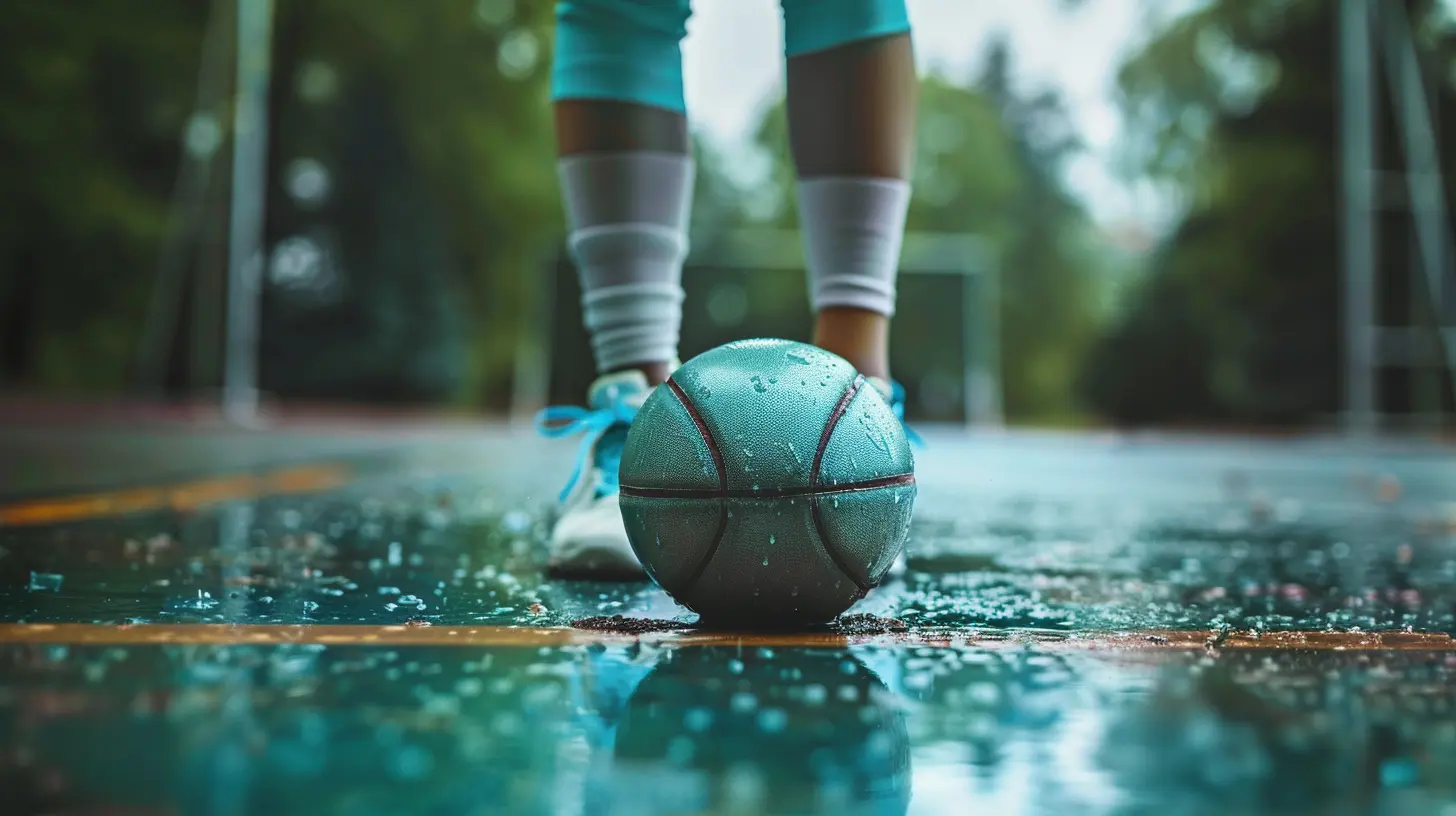
What Is Balance?
Balance is the ability to maintain control over your body’s position, whether you're standing still or moving. It sounds simple, but in reality, balance is a complex process involving multiple body systems working together.There are two main types of balance:
- Static Balance – The ability to maintain equilibrium while stationary (e.g., standing on one leg).
- Dynamic Balance – The ability to stay steady while in motion (e.g., running, jumping, or pivoting).
Athletes rely on both types, often shifting between them in an instant. Imagine a basketball player setting up for a jump shot—first using static balance to steady themselves, then transitioning into dynamic balance as they shoot!
The Role of Coordination in Athletic Performance
Balance alone isn’t enough; coordination plays a huge role in making an athlete’s movements smooth and efficient.Coordination is the ability to time and control different body parts to perform an action seamlessly. It’s what helps a tennis player time their swing perfectly to return a fast serve or a swimmer execute a flawless turn.
For top athletes, coordination isn’t just a bonus—it’s essential for peak performance. The better the coordination, the more fluid and controlled their movements become, reducing the risk of injury and improving overall efficiency.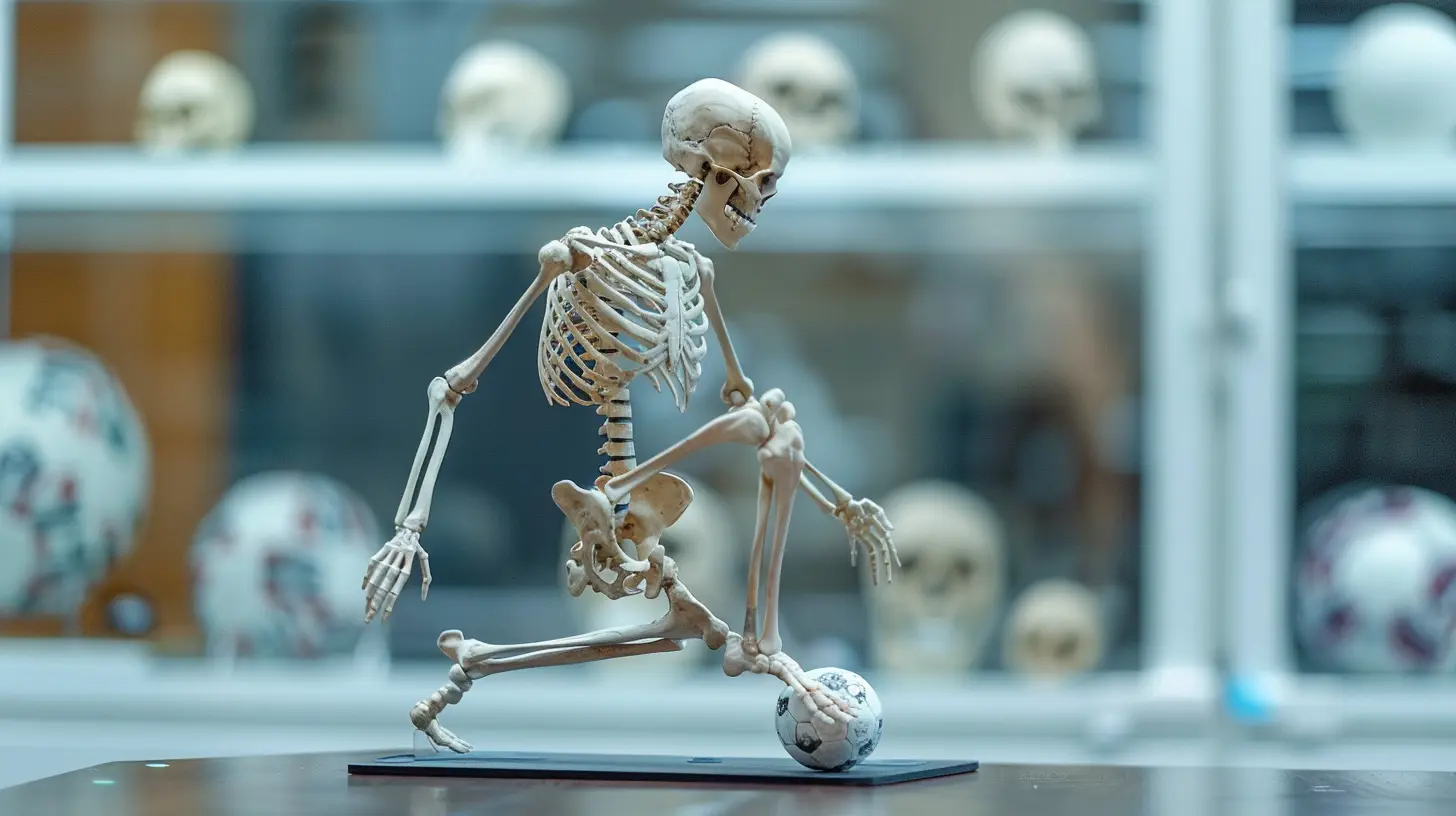
The Body Systems Behind Balance and Coordination
So, what makes all of this possible? It turns out that several body systems are working behind the scenes to keep athletes on their feet:1. The Vestibular System (Inner Ear)
Ever wonder why you get dizzy when you spin around too fast? That’s the vestibular system at work. It’s located in the inner ear and acts as the body's internal gyroscope, helping detect movement and changes in head position.For athletes, a well-trained vestibular system means quicker reactions and better stability, especially in sports that involve frequent position changes like gymnastics or figure skating.
2. Proprioception (Body Awareness)
Proprioception is your body’s ability to sense its position in space without looking. It’s why you can touch your nose with your eyes closed or walk without staring at your feet.Athletes rely heavily on proprioception to make split-second adjustments. A football player catching a pass in mid-air doesn’t have time to look at their feet—they instinctively know where they are and how to land properly.
3. The Muscular System
Strong muscles, especially in the core and legs, are essential for balance. The core acts like a stabilizing anchor, keeping the body centered and preventing falls. The stronger the core, the better the balance.That's why athletes spend hours strengthening their abs, obliques, and lower body to handle the demands of their sport.
4. The Nervous System
The brain and nervous system are the masterminds behind coordination. When an athlete moves, their brain sends rapid signals to the muscles, telling them how to adjust and react. The faster and more efficiently these signals travel, the better the athlete’s coordination.Think of it like WiFi—if your internet connection is strong and fast, everything runs smoothly. If it’s slow and laggy, well, you get the idea.
How Athletes Train Balance and Coordination
Top athletes don’t just wake up with insane balance and coordination—it’s something they train for tirelessly. Here are some of their go-to methods:1. Balance Exercises
- Single-leg drills – Standing or hopping on one leg improves stability.- Bosu ball workouts – Adding an unstable surface enhances balance.
- Tightrope walks or balance beams – Great for refining foot placement and control.
2. Agility Drills
- Ladder drills – Quick foot movements improve reaction time.- Cone drills – Sharp cuts and turns boost dynamic balance.
- Jump rope – Helps with coordination, timing, and footwork.
3. Core Strengthening
- Planks and side planks – Build a rock-solid core.- Russian twists – Improve rotational stability.
- Deadlifts and squats – Strengthen lower-body stability.
4. Proprioception Training
- Blindfolded movements – Forces athletes to rely on body awareness rather than sight.- Unstable surfaces (e.g., foam pads) – Enhances sensory feedback for better control.
Why Balance and Coordination Matter in Every Sport
No matter the sport, balance and coordination separate the best from the rest. Here’s how they come into play in different athletic disciplines:- Basketball: Quick changes in direction and mid-air adjustments for layups.
- Soccer: Staying on your feet while dribbling past defenders or absorbing tackles.
- Gymnastics: Mastering flips, spins, and landings with precision.
- Tennis: Eye-hand coordination to return shots at lightning speed.
- Martial Arts: Reacting and countering attacks while maintaining stability.
Without these skills, even the most talented athletes would struggle to perform at their peak.
How You Can Improve Your Own Balance and Coordination
You don’t have to be a pro athlete to benefit from better balance and coordination! Whether you're an amateur athlete, a weekend warrior, or just someone who wants to move better in daily life, here are some tips:1. Practice Yoga or Tai Chi
Both are fantastic for improving balance, body control, and flexibility.2. Try Balance Challenges
Stand on one leg while brushing your teeth or try walking heel-to-toe in a straight line. Simple habits make a big difference.3. Play Sports That Require Quick Movements
Sports like basketball, soccer, or even dance improve coordination naturally.4. Strengthen Your Core
A strong core makes balance easier. Start with planks and build from there!Final Thoughts
Balance and coordination are what separate average athletes from elite performers. These two skills are the backbone of every movement, allowing athletes to stay upright, move efficiently, and avoid injury.If you’ve ever wanted to move with more grace, speed, and control, focusing on balance and coordination is the key. So, whether you're training for a sport or just looking to improve your everyday movements, take a page from the pros—train smarter, build strength, and challenge your senses.
After all, staying on your feet is more than just a skill; it’s a superpower.
all images in this post were generated using AI tools
Category:
Sports ScienceAuthor:

Frankie Bailey
Discussion
rate this article
2 comments
Galina Thompson
In the dance of sport, where grace meets grit, Balance whispers secrets, skillfully knit. With every stride and leap they embrace, The science of motion, a fluid embrace. In harmony’s rhythm, champions find their place.
April 12, 2026 at 5:06 AM
Frankie Bailey
Thank you for beautifully capturing the essence of balance and motion in sports! Your words embody the intricate relationship between grace and skill that defines athletic excellence.
Raina McKinstry
The article insightfully explores the intricate relationship between balance and coordination in athletic performance, highlighting how training techniques and body mechanics can significantly enhance an athlete's stability and efficiency.
March 4, 2026 at 4:05 AM
Frankie Bailey
Thank you for your thoughtful comment! I'm glad you found the exploration of balance and coordination valuable in understanding athletic performance.