The Role of Tradition in the World’s Premier 2026 Sports Events
16 October 2026
Tradition is not nostalgia. In elite sport, it is infrastructure. It shapes how athletes prepare, how crowds behave, how referees are trusted, and how a single match becomes a memory that outlives the scoreboard. When the world's biggest sporting events arrive in 2026, tradition will not sit quietly in the background. It will be the invisible hand guiding ceremonies, scheduling, venue design, fan rituals, and the emotional contract between sport and the public.
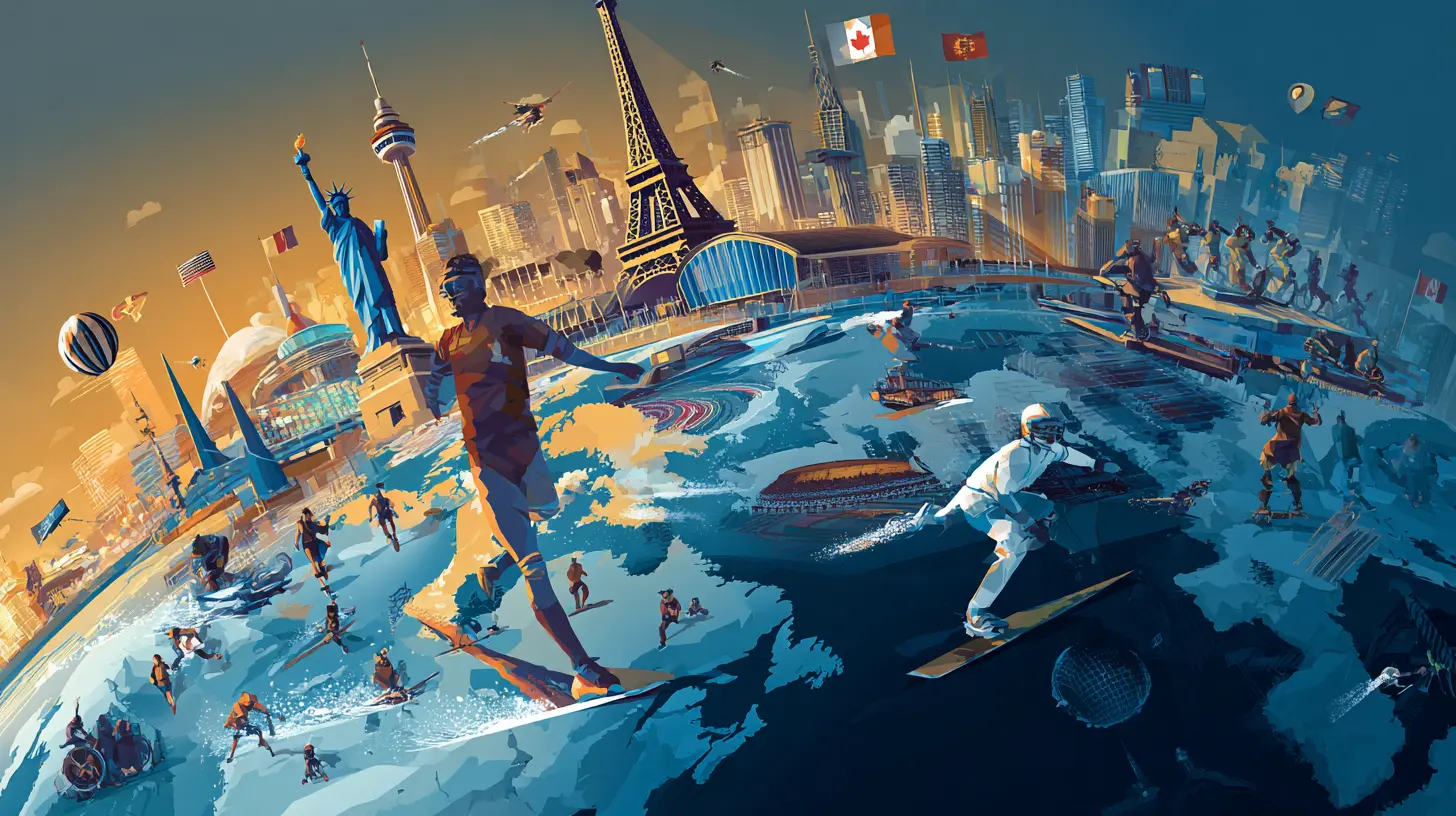
2026 is a rare convergence year. The FIFA World Cup will be staged across Canada, Mexico, and the United States, expanding to 48 teams. The Winter Olympics will open in Milan and Cortina d'Ampezzo, Italy. The Commonwealth Games are set for Glasgow, Scotland. Each of these properties carries decades of accumulated custom, and each faces pressure to modernize. Understanding how tradition functions in these contexts is not academic. It is practical knowledge for organizers, broadcasters, sponsors, athletes, and fans who want to know why certain decisions feel right and others provoke backlash.
Why Tradition Matters More in a Crowded Sports Calendar
Every year produces more live sport, more highlight reels, more competing content. Attention is finite. Tradition is one of the few assets that cannot be manufactured quickly. A rivalry that dates to 1930 carries weight that a newly invented tournament cannot replicate, no matter how large the prize purse. That weight translates into ticket demand, broadcast value, and cultural relevance.Tradition also reduces decision fatigue. When fans know that the World Cup final happens on a Sunday, that the Olympic flame is lit in a specific way, or that the Commonwealth Games open with a particular procession, they do not need to relearn the event each cycle. Predictability builds anticipation. Anticipation builds ritual. Ritual builds meaning.
The trade-off is real, though. Tradition can become an excuse for resisting necessary change. Sports that cling to outdated formats, exclusionary practices, or inefficient operations eventually lose relevance. The most successful events treat tradition as a living system, not a museum piece. They preserve the core and adapt the edges.
The World Cup 2026: Tradition Under Maximum Stress
The 2026 FIFA World Cup is the most ambitious edition ever attempted. Three host nations, 48 teams, 104 matches, and a footprint stretching from Vancouver to Mexico City to New York. The tournament's traditions are among the most recognizable in global sport: the opening match, the anthem ceremonies, the trophy presentation, the ball design, the official song, the mascot, the bracket structure.What Stays and Why
Certain elements will not change, and organizers know better than to touch them. The trophy itself, awarded since 1974, is untouchable. The final match remains the single most-watched annual sporting event on the planet. The qualifying system, while expanded, still preserves continental representation, which matters because it gives smaller federations a genuine path and keeps the tournament globally inclusive rather than concentrated in a few powerhouse regions.The anthem ritual before each match is another fixed point. It is easy to dismiss as ceremonial filler, but it serves a concrete function. It signals the transition from warm-up to competition, gives players a moment of emotional grounding, and creates a shared experience for stadium and broadcast audiences. Removing it would save a few minutes and cost a great deal of atmosphere.
What Must Adapt
The 48-team format is a break from the 32-team structure that ran from 1998 through 2022. Purists argue it dilutes quality. Supporters argue it expands opportunity. Both points have merit. The practical reality is that more teams mean more matches, which means more revenue, broader global engagement, and greater pressure on logistics. The tradition of the group stage survives, but its shape changes.Hosting across three countries introduces a different kind of adaptation. Time zones vary widely. Travel distances are enormous. Climate conditions range from temperate to tropical. Organizers must balance the tradition of a unified tournament experience against the reality that no single host city can replicate another's conditions. The likely solution is regional clustering, where teams play group matches in geographically sensible zones before the knockout rounds bring everyone together. This preserves competitive fairness while acknowledging logistical truth.
Common Mistakes to Avoid
The biggest mistake organizers make with a tournament this size is over-branding. When every surface, every broadcast segment, and every pre-match moment is saturated with sponsor messaging, the traditions that give the event soul get buried. Fans notice. They may not articulate it, but they feel the difference between a match that breathes and a match that feels like a three-hour advertisement.A second mistake is ignoring local tradition. Mexico, Canada, and the United States each have distinct football cultures. Mexico's is deep and passionate. Canada's is growing and increasingly competitive. The United States has a complex relationship with the sport, marked by periods of indifference and bursts of enthusiasm. A tournament that treats all three as identical markets will miss the chance to connect with each on its own terms.
The Milan Cortina Winter Olympics: Tradition in a Dispersed Geography
The 2026 Winter Olympics face a different challenge. Milan and Cortina d'Ampezzo are separated by roughly 400 kilometers. Venues are spread across northern Italy, from the Dolomites to the Lombardy plain. This is not the traditional single-cluster Winter Games model. It is a deliberate choice, driven by cost and sustainability concerns, and it tests whether Olympic tradition can survive decentralization.The Ceremonies Question
Olympic opening and closing ceremonies are among the most tradition-bound events in sport. The parade of nations, the Olympic flag, the oath, the flame, the artistic program. In a dispersed Games, the question becomes where these ceremonies live and how they unify an event spread across a region.The likely approach is a central ceremony in Milan with satellite events in mountain venues. This preserves the tradition of a single iconic moment while acknowledging that athletes and fans are not all in one place. The risk is fragmentation. If the ceremonies feel disconnected from the competition, the Games lose cohesion. The opportunity is that each venue can develop its own local traditions, creating a richer overall experience.
Winter Sport Traditions and Climate Reality
Winter sports depend on snow and ice. That dependency is under strain. Recent Winter Games have relied heavily on artificial snow, and Milan Cortina will likely do the same for some events. This creates a tension between tradition and viability. The tradition of skiing on natural snow is deeply embedded in the culture of alpine sport. The reality is that many venues can no longer guarantee it.Organizers and federations are navigating this by investing in snowmaking technology, adjusting competition schedules, and in some cases relocating events. These are not popular decisions among purists, but they are necessary. The alternative is losing events entirely, which serves no one.
What Other Winter Games Can Teach
Previous Winter Olympics have shown that tradition adapts. The addition of new events like freestyle skiing and snowboarding brought younger audiences without erasing the classics. The inclusion of mixed-gender team events preserved the spirit of competition while reflecting modern values. Milan Cortina will likely continue this pattern, and the lesson is clear: tradition survives when it evolves deliberately rather than defensively.
The Commonwealth Games in Glasgow: Tradition and Relevance
The Commonwealth Games occupy a unique space. They are smaller than the Olympics, more geographically specific, and historically tied to a political structure that some question. Glasgow 2026 will be a scaled-back edition, reflecting financial realities and a changing sporting landscape.The Core Traditions
The Commonwealth Games retain several distinctive traditions: the Queen's Baton Relay, the parade of nations, the focus on sports that are popular across member nations, and the emphasis on community and youth. These are not arbitrary. They create a sense of shared identity among countries that share historical connections but often compete fiercely.The baton relay is particularly interesting. It is a tradition that combines sport, ceremony, and public participation. It travels through all participating nations, often carried by local athletes and community figures. It builds anticipation and creates local stories that feed into the main event. For Glasgow, this will be a chance to reconnect the Games with its founding ideals while managing a smaller budget.
When Tradition Becomes a Liability
The Commonwealth Games face a genuine question: does the tradition of the event justify its cost and complexity in a world where the sports calendar is already saturated? Some host cities have withdrawn. Some sports have been dropped. The event is searching for a sustainable model.The answer is not to abandon tradition but to redefine it. A smaller, more focused Games that invests in athlete experience and community engagement may be more valuable than a sprawling event that strains public finances. Glasgow's approach, which emphasizes existing venues and reduced operational scope, is a test case. If it works, it may become the new tradition.
How Tradition Shapes Athlete Performance and Identity
Tradition is not just for fans and broadcasters. It affects athletes directly. Pre-competition routines, team rituals, and the weight of representing a nation or a legacy all influence performance. Some athletes thrive on it. Others find it burdensome.The Psychology of Ritual
Sports psychology research suggests that rituals can reduce anxiety and improve focus by creating a sense of control and familiarity. A tennis player who bounces the ball a specific number of times before serving is not being superstitious for no reason. The routine narrows attention and dampens distracting thoughts.At major events, tradition operates on a larger scale. The opening ceremony, the village experience, the shared meals, the team meetings. These are not just logistics. They are part of the mental preparation. Athletes who understand this can use tradition as a tool. Those who ignore it may find themselves unsettled by the intensity of the environment.
When Tradition Hurts
Tradition can also be a trap. Athletes who feel pressured to live up to a legacy, or who internalize outdated expectations about how they should behave, may struggle. Coaches and federations need to be thoughtful about which traditions they reinforce and which they let go. The goal is to support performance, not to preserve customs for their own sake.
Tradition and Commercial Pressure: A Delicate Balance
Major sports events are commercial enterprises. Broadcast rights, sponsorship, merchandise, and ticketing generate billions. Tradition is a key part of that value proposition, but it can also conflict with commercial interests.Where the Tension Shows Up
Sponsors want visibility. Tradition often involves moments that are not sponsor-friendly, such as long ceremonies, quiet anthems, or unpredictable fan behavior. Broadcasters want tight schedules. Tradition sometimes requires flexibility. Host cities want economic impact. Tradition may dictate that certain events happen in certain places, regardless of cost.The best organizers manage this tension by identifying which traditions are non-negotiable and which can be adapted. The trophy presentation, for example, is sacred. The exact timing of a pre-match entertainment segment is not. Knowing the difference is a skill.
The Risk of Over-Commercialization
When commercial interests override tradition, fans push back. Empty stadiums, declining viewership, and social media backlash are all signals that something has gone wrong. The 2026 events will be watched closely for signs of this. Organizers who treat tradition as a cost center rather than a value driver are likely to regret it.Practical Recommendations for Stakeholders
If you are involved in planning, covering, or participating in a 2026 event, here are concrete ways to work with tradition rather than against it.For Organizers
Audit your traditions. List every ritual, ceremony, and format convention. For each one, ask three questions: Does it serve a purpose? Does it resonate with current audiences? Can it be adapted without losing its meaning? Cut or modify what fails these tests.Invest in storytelling. Traditions do not explain themselves. Newer fans need context. Use broadcast segments, digital content, and in-venue messaging to explain why a particular moment matters. This builds appreciation and deepens engagement.
Protect the quiet moments. Not everything needs a soundtrack or a sponsor tag. Silence, anticipation, and raw emotion are part of what makes sport powerful. Resist the urge to fill every second.
For Broadcasters and Media
Respect the rhythm. Tradition has a pace. Do not cut away from ceremonies to show ads or analysis. Do not talk over national anthems. Do not treat rituals as filler. Your audience notices, and your credibility depends on getting this right.Provide context without condescension. Explain traditions to newcomers without dumbing them down. Assume intelligence and curiosity. A well-crafted explainer can turn a casual viewer into a lifelong fan.
For Athletes and Coaches
Use tradition deliberately. If a ritual helps you focus, keep it. If it adds pressure, modify it. You are not obligated to perform someone else's idea of what an athlete should be.Prepare for the environment. Major events are loud, chaotic, and emotionally intense. Familiarity with the traditions you will encounter can reduce stress. Know what happens at the opening ceremony, how the village works, and what the competition schedule looks like.
For Sponsors
Align with tradition, do not interrupt it. The most effective sponsorships enhance the event rather than distract from it. Support the moments that matter. Fund the youth programs, the community initiatives, the athlete support systems. Those associations build goodwill that no banner ad can match.
Misconceptions Worth Correcting
Several myths about tradition in sport deserve scrutiny.Myth one: Tradition is static. In reality, traditions evolve constantly. The Olympic torch relay, for example, was introduced in 1936 and has changed format many times since. What feels ancient is often relatively recent.
Myth two: Younger fans do not care about tradition. They care about authenticity. They may reject forced rituals and corporate messaging, but they embrace genuine cultural moments. The key is sincerity, not age.
Myth three: Tradition and innovation are opposites. They are not. The most innovative events often draw heavily on tradition. The difference is that they reinterpret it for a new context rather than simply repeating it.
Myth four: Tradition is only about the past. It is actually about the future. Traditions are the stories we choose to carry forward. They are a statement about what we value and what we want to preserve for the next generation.
The 2026 Test
The 2026 sports calendar will be a global experiment in how tradition functions under modern conditions. The World Cup will test whether a massively expanded tournament can retain its soul. The Winter Olympics will test whether a dispersed, climate-challenged event can still create unity. The Commonwealth Games will test whether a smaller, more focused model can secure a meaningful future.The outcomes are not predetermined. They will depend on the decisions made by organizers, the behavior of athletes and fans, and the willingness of everyone involved to treat tradition as a living asset rather than a decorative one.
Tradition is not the enemy of progress. It is the foundation on which progress is built. The events that thrive in 2026 will be those that understand this, and those that do not will learn the lesson the hard way.
all images in this post were generated using AI tools
Category:
Sports Events CalendarAuthor:

Frankie Bailey