The Power of Dynamic Stretching for Athletes
25 December 2025
If you’ve ever watched an athlete warm up before a game, you’ve probably seen them moving around—high knees, leg swings, arm circles, maybe even a few exaggerated lunges that make them look like they’re attempting some secret superhero pose. This, my friend, is dynamic stretching, and it’s the MVP of warm-ups.
Gone are the days when stretching meant sitting on the ground trying to touch your toes for an uncomfortably long time while questioning your flexibility (or lack thereof). Static stretching had its moment, sure, but for athletes looking to boost performance, stay injury-free, and move like a well-oiled machine, dynamic stretching is where it’s at.
So, let’s dive in and break down why dynamic stretching is a game-changer, how it works, and the best moves to incorporate into your warm-up routine.

What Is Dynamic Stretching?
Dynamic stretching is like stretching—but in motion! Unlike static stretching, where you hold a stretch for 20-30 seconds, dynamic stretching involves moving parts of your body through a full range of motion in a controlled way.Think of it as letting your muscles wake up slowly instead of yanking them out of bed with an alarm clock at full volume. Dynamic stretches prepare your body for movement by increasing blood flow, improving flexibility, and getting those muscles fired up for action.

Why Athletes Should Swear by Dynamic Stretching
Look, if you’re about to sprint, jump, kick, or throw, your muscles need to be ready. And not in the "half-asleep, still-wearing-pajamas" kind of way. They need to be primed and ready to go. That’s exactly what dynamic stretching does. Here’s why it should be your go-to:1. Better Performance
Dynamic stretching mimics the movements you’re about to do in your sport, meaning your muscles are prepared for the task at hand. It increases coordination, range of motion, and even power output, which means you’ll move faster, jump higher, and react quicker.2. Reduces Injury Risk
A cold muscle is a tight muscle. And a tight muscle? Well, that's an injury just waiting to happen. Dynamic stretching gradually increases your heart rate and warms up your muscles, reducing the chances of strains, pulls, and other "ouch" moments.3. Increases Blood Flow
Imagine trying to drive a car in the dead of winter without letting it warm up first. Not ideal, right? Your body works the same way. Dynamic movements get your blood pumping, ensuring your muscles get enough oxygen before you start demanding peak performance from them.4. Improves Flexibility and Mobility
Tight muscles limit your movement. Less movement equals less power. And less power? Well, that’s a sad day on the field, court, or track. Dynamic stretching keeps your body loose and mobile so you can move freely and efficiently.5. Prepares Your Nervous System
Stretching isn’t just about the muscles—it’s about the brain, too. Dynamic stretching wakes up your nervous system, making sure those brain-to-muscle signals are firing at full speed. Reaction time and coordination? On point.
How to Do Dynamic Stretching Right
So, now that we’ve hyped up dynamic stretching like it’s the next big sports performance hack (because it is), let’s talk about how to actually do it right.1. Start slow: You don’t have to go straight into Olympic-level explosive movements. Ease into it and gradually increase intensity.
2. Focus on movement quality: Don’t rush through it just to tick off your warm-up. Move with control and precision.
3. Match it to your sport: Different sports require different movements. Runners need leg-focused stretches, while basketball players benefit from full-body mobilization.
4. Keep it short: 5-10 minutes is plenty. You’re warming up, not running a marathon.
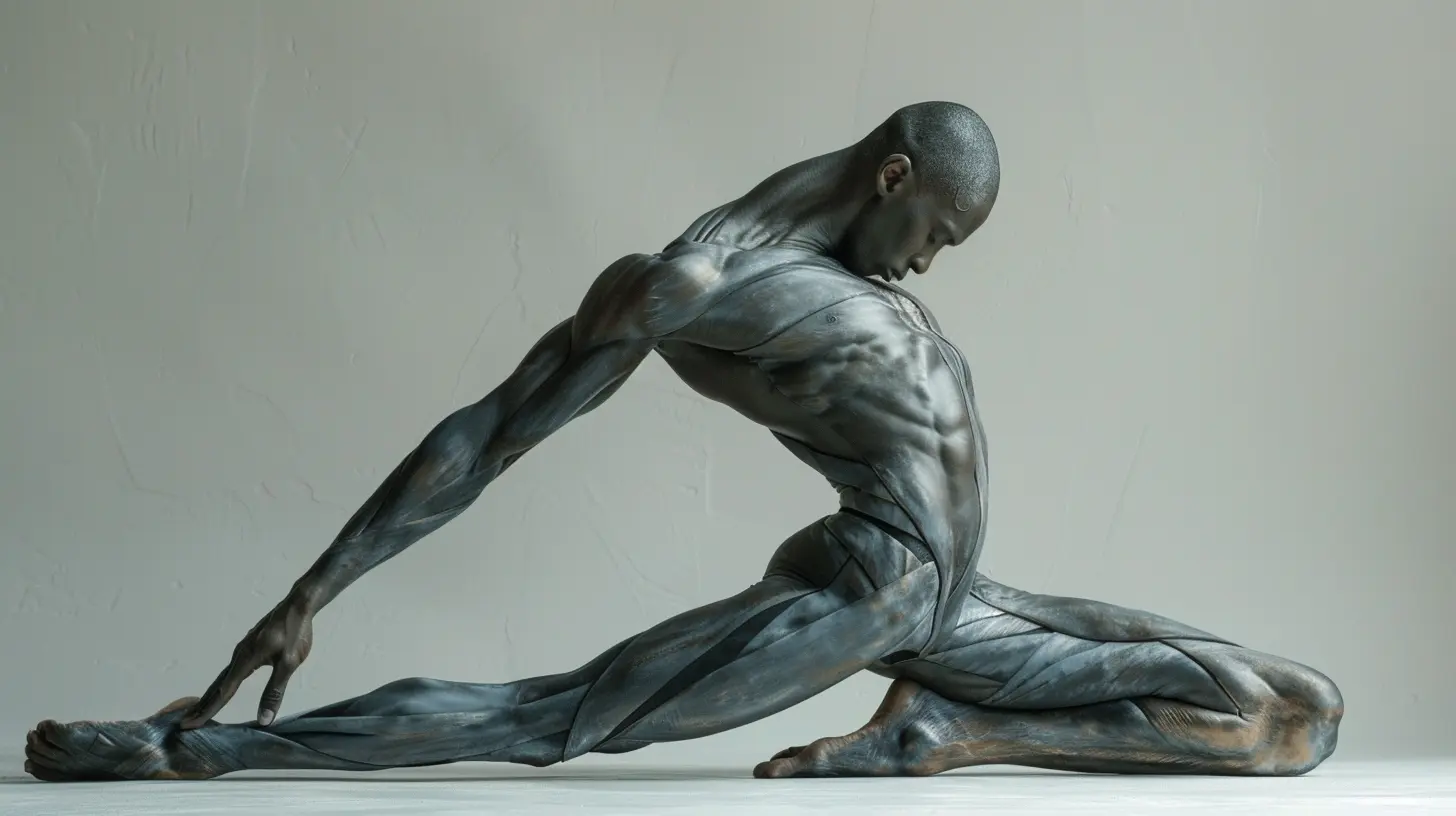
The Best Dynamic Stretches for Athletes
Different strokes for different folks—or in this case, different stretches for different sports. Here are some powerhouse moves that work for nearly any athlete:1. Leg Swings
Think of this as a pendulum for your legs. Hold onto something for stability and swing one leg forward and backward, gradually increasing the range. Then switch to side-to-side swings. This gets the hips and hamstrings loose and ready to move.2. Arm Circles
Big, slow circles with your arms to increase blood flow to your shoulders. Start small and gradually make them bigger. Reverse the direction after about 10-15 seconds. Your shoulders will thank you.3. Walking Lunges
If you had to pick one dynamic stretch, this could be it. Walking lunges stretch your hips, engage your legs, and wake up your core. Bonus points if you add a torso twist at the bottom.4. High Knees
It’s like running in place but with exaggerated knee lifts. This one revs up your heart rate while stretching your hip flexors and activating your quads.5. Butt Kicks
The reverse of high knees. Instead of bringing your knees up, you’re bringing your heels to your butt. It’s great for getting your hamstrings loose and making sure they don’t feel like steel cables mid-workout.6. Inchworms
Start standing, then walk your hands forward into a plank before walking them back up. This is a sneaky full-body movement that stretches your hamstrings and activates your core all in one go.7. Torso Twists
Stand shoulder-width apart and twist your torso side to side. This gets your spine and core engaged, which means less stiffness and better mobility when you start your workout.8. Side Lunges
This one’s perfect for sports that involve lateral movement (hello, soccer and basketball). Step to the side, bend one knee while keeping the other leg straight, then push back to standing. Your hips and inner thighs will feel the stretch.When to Use Dynamic Stretching
The best time for dynamic stretching? Right before your workout, practice, or game. Think of it as your body's way of flipping the "on" switch. It’s also great for active recovery days if you want to stay loose without pushing yourself too hard.However, if you’re cooling down post-workout, dynamic stretching isn’t your best bet. That’s where static stretching comes in, helping your muscles relax and recover.
The Bottom Line
Dynamic stretching isn’t just some fitness trend—it’s science-backed, common-sense warm-up magic. Getting your body moving before you really get moving is crucial, and a solid dynamic stretching routine can make the difference between peak performance and a bad day on the field.So, next time you’re tempted to skip warm-ups and dive straight into your sport, remember this: Your muscles deserve a wake-up call, not a rude awakening. Lace up, stretch smart, and get ready to dominate!
all images in this post were generated using AI tools
Category:
StretchingAuthor:

Frankie Bailey
Discussion
rate this article
2 comments
Otto McConkey
Dynamic stretching is a game-changer for athletes, enhancing flexibility and performance while reducing injury risk. Incorporating these stretches into warm-ups can improve agility and muscle readiness, setting the stage for optimal training and competition. A must-try for serious athletes!
February 17, 2026 at 3:56 AM
Frankie Bailey
Thank you! I’m glad you found the article valuable. Dynamic stretching truly does play a crucial role in preparing athletes for peak performance!
Zanya Parker
Dynamic stretching sounds fascinating! I'm eager to learn how it enhances performance and prevents injuries for athletes.
December 25, 2025 at 4:48 AM
Frankie Bailey
I'm glad you found it interesting! Dynamic stretching improves performance by increasing flexibility and range of motion, while also warming up muscles, which helps prevent injuries during physical activity.