The Popularity of Fantasy Sports and Its Influence on Broadcasting
26 July 2026
Fantasy sports aren’t just a fun way to compete with your friends anymore—they’ve become a massive industry that’s turned casual fans into hardcore analysts and reshaped the way we watch sports. From the NFL to the NBA, and even niche sports like golf and MMA, fantasy leagues have taken the sports world by storm. But what’s even more fascinating? Their influence on how games are broadcasted.
Let’s dive into how fantasy sports grew into a pop culture powerhouse and how they’ve totally flipped the sports media script.
What Are Fantasy Sports, Really?
Let’s start with the basics. Fantasy sports are games where you create a virtual team made up of real-life athletes. Your team scores points based on how those athletes perform in actual games.Pretty straightforward, right?
But here’s where it gets interesting: This isn’t just a once-a-week hobby anymore. People are glued to their screens tracking every yard, assist, and goal like their pride—and sometimes their wallet—depends on it. Because in some cases, it does.
From Casual Fun to Billion-Dollar Beast
Fantasy sports have exploded over the past two decades. According to the Fantasy Sports & Gaming Association (FSGA), over 60 million people in North America play fantasy sports. That’s not a fringe group anymore—that’s mainstream.And when you toss in daily fantasy sports (DFS) platforms like DraftKings and FanDuel, things really pick up steam. These platforms allow users to draft new teams for just a day or week of games, adding a casino-like thrill to traditional fantasy.
The result? A multi-billion-dollar industry that’s completely changed the way fans interact with sports.
The Evolution of Viewership Habits
So how does this affect game broadcasts? A lot more than you might think.1. Fans Watch Games Differently Now
Back in the day, you’d watch your team and maybe catch a few highlight reels. But now? People are monitoring multiple games at once—sometimes without even caring who wins, as long as their fantasy players do well.You’ll see folks watching a Jaguars vs. Texans game—not because they’re fans, but because they need 10 points from a backup running back to win their matchup.
2. Redzone Channels & Real-Time Stats
The NFL RedZone channel is pretty much fantasy football’s best friend. No commercials, just live look-ins every time a team’s "in the red zone." It perfectly caters to fantasy users who want quick, exciting snippets of action rather than watching full games.Sports networks now integrate real-time fantasy stats in the broadcasts. Graphics during games show how many fantasy points a player has instead of just their rushing yards or touchdowns. You’ll even hear announcers say things like, “That catch just helped a lot of fantasy owners.”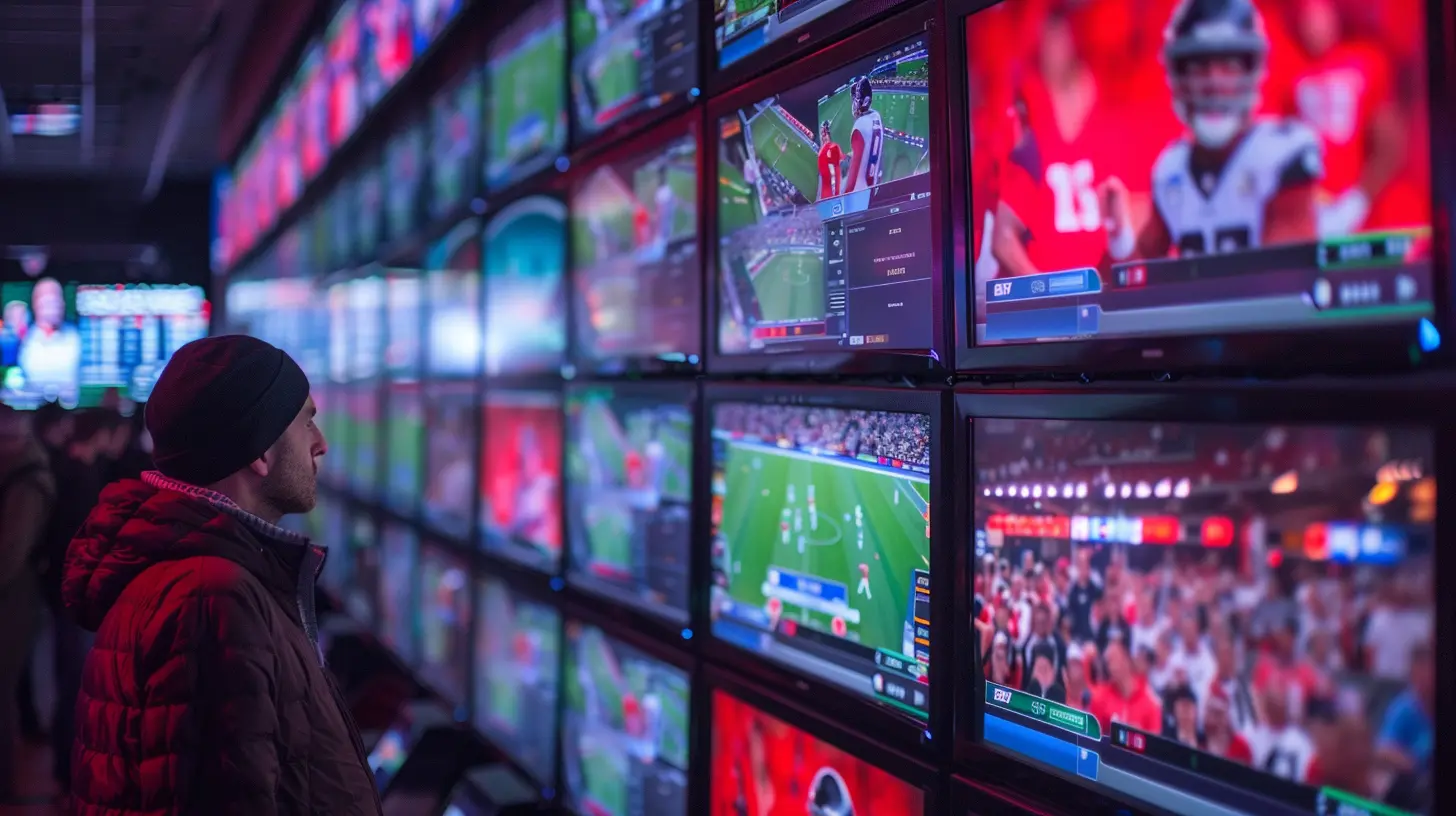
The Broadcasters Are In On It
You didn’t think the networks would miss out on this, did you?1. Dedicated Fantasy Shows & Segments
Major sports networks—think ESPN, NBC Sports, and CBS—have entire shows dedicated to fantasy sports. These shows break down matchups, injuries, projections, and waiver wire pickups.Even pre-game and halftime shows now have fantasy segments. Broadcasters discuss starts and sits as casually as they break down defensive schemes.
2. Enhanced Viewer Engagement
Here’s the kicker: fantasy sports have increased viewership and kept fans engaged in games they otherwise wouldn’t care about. That’s pure gold for broadcasters who are fighting for attention in a crowded media landscape.Fantasy players are more likely to watch Monday Night Football—even if their team isn’t playing—because they’ve got a tight matchup riding on it.
Impact on Advertising
With a more engaged audience comes more targeted advertising. Brands are now tailoring ads specifically for fantasy players. You’ve probably seen those DraftKings commercials or insurance companies offering "fantasy football injury reports" in a tongue-in-cheek way.Broadcasters are selling ad space in and around fantasy content like never before. And advertisers love it—these viewers are highly active and emotionally invested.
Mobile Apps & Second Screens: A New Standard
Let’s be honest—most fantasy players aren’t just watching the game. They’ve got apps open, checking their rosters, updating lineups, and trash-talking in the group chat.This “second screen” experience has forced broadcasters to adapt. They’re now syncing broadcast content with fantasy apps to keep both screens relevant. Some even promote fantasy "companion" streams with deeper data analytics, injury updates, and projections in real time.
Social Media & Real-Time Commentary
If fantasy sports are chocolate, then social media is the peanut butter—it’s a match made in heaven.Twitter, Reddit, Discord—you name it—are packed with fantasy debates, trade advice, memes, and instant reactions during games.
Broadcasters and sports channels now join these conversations, bringing social chatter into the actual broadcast. It keeps the audience looped in while creating a community feeling, which is exactly what fantasy sports thrives on.
The Gambling Connection
Let’s not ignore the elephant in the room: the overlap between fantasy sports and sports betting.Fantasy made it socially acceptable to bet on player performances long before legalized sports betting became mainstream. Now, that line is even blurrier.
Broadcasters now include betting odds, player prop bets, and fantasy insights all in one segment. Shows like ESPN’s “Daily Wager” blend sports talk with actionable fantasy and betting advice.
It’s all part of this growing, multi-screen, data-driven sports experience.
The Role of Data & Analytics
Fantasy sports have turned fans into mini-statisticians. You’ve got people reading defensive scheme breakdowns and target shares like they’re prepping for a war room meeting.So naturally, networks and broadcasters have responded by pumping out more advanced stats, data visualizations, and analytical insights during games.
Analytics that used to be reserved for coaches and front offices are now part of everyday broadcasts. Why? Because fantasy fans crave that edge.
Fantasy's Influence on Sports Culture
Let’s get philosophical for a second.Fantasy sports haven’t just changed the way we watch sports—they’ve changed how we talk about them, too. Player performance often becomes more important than team success.
Ever found yourself saying, “My team lost, but at least my fantasy lineup crushed it”? You’re not alone.
This shift has influenced how players are covered, marketed, and remembered. A wide receiver might not be a Pro Bowler, but in fantasy circles, he’s a legend because he’s a touchdown machine.
Challenges and Criticisms
Fantasy sports aren’t without their downsides, though.Some purists argue they’ve distracted from the essence of the games. Instead of rooting for your team, you’re rooting for individual players—even if they’re on rival squads.
Also, this heavy focus on stats can de-humanize players. Fans sometimes forget these are real people, not just point-generating assets.
Broadcasts can feel cluttered with too much data and not enough storytelling. Not everyone wants to see yards-after-contact per play graphs every five minutes. So it’s a balancing act.
So, What’s Next?
Fantasy sports aren’t going anywhere. In fact, they’re only going to get bigger as integration between broadcasters, apps, and streaming platforms deepens.We’re already seeing:
- Augmented reality overlays of live fantasy stats during broadcasts
- AI-powered lineup advice on smart TVs
- Fantasy games for every sport, including esports
As media companies race to offer the most immersive and interactive experiences, fantasy sports will remain front and center in the evolution of sports broadcasting.
Final Thoughts
Fantasy sports have gone from side-hustle hobby to a full-blown entertainment ecosystem. They’ve not only changed how we watch sports—but why we watch them.Broadcasters have adapted with real-time stats, fantasy-focused shows, and mobile app integration. Fans are more informed, more connected, and more emotionally invested than ever before.
It’s no longer just about the game. It’s about the experience. And fantasy sports are right at the heart of it.
all images in this post were generated using AI tools
Category:
Sports BroadcastingAuthor:

Frankie Bailey
Discussion
rate this article
1 comments
Brick Stone
Fantasy sports have transformed viewing habits, making broadcasts more engaging and interactive for fans across various platforms.
August 1, 2026 at 3:34 AM
Frankie Bailey
Absolutely, fantasy sports have redefined how fans connect with broadcasts, adding a layer of excitement that enhances the viewing experience.