The Next Multi-Team Mega-Trade That Could Shock Everyone
20 November 2026
In the world of professional sports, few things generate as much buzz as a mega-trade. When multiple teams come together to pull off a deal, it can reshape franchises and impact entire leagues. The potential for marquee players to switch teams adds layers of excitement and speculation, not just for fans but for teams strategizing for the future. In this article, we'll dive into the factors that contribute to the likelihood of a mega-trade happening, what teams could be involved, and which players might be on the move.

Understanding Mega-Trades
What is a Mega-Trade?
A mega-trade typically involves several teams exchanging multiple players, picks, and sometimes cash considerations. Unlike standard trades, which often involve two parties and a few assets, mega-trades bring a larger scope, making them complex and risky.Why Do Teams Consider Mega-Trades?
Teams consider mega-trades for several reasons:- Rebuilding: A team in a rebuilding phase may want to acquire future assets, such as draft picks or young players.
- Win-Now Mentality: Teams on the cusp of contention may look to add established stars to put them over the top.
- Salary Cap Management: Mega-trades can help teams offload bad contracts or create more cap space for future signings.
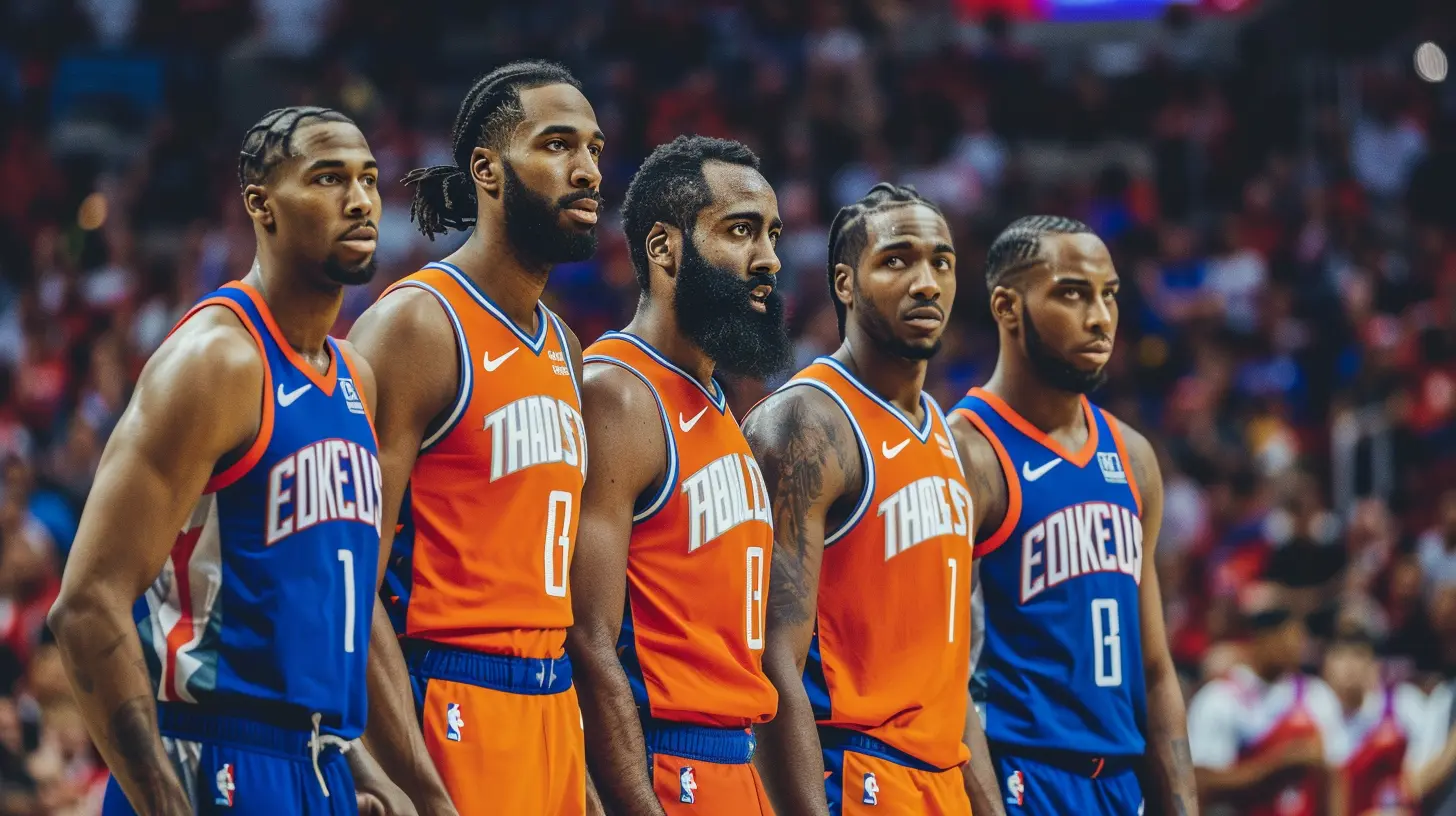
Factors Leading to a Mega-Trade
The Current Roster Situation
Before a mega-trade can take place, teams must evaluate their current roster situations. Are there players underperforming? Is there a logjam at a specific position? For example, if a team has multiple talented forwards but lacks depth in the backcourt, they might look to trade one of those forwards for a guard.Contractual Considerations
The financial aspect of trades cannot be overstated. Teams need to navigate salary caps, player contracts, and the potential for luxury tax implications. A player with a large contract can be a trade asset or a liability, depending on the context. Teams must assess whether taking on a high-salary player aligns with their long-term goals.Market Demand and Supply
Player demand fluctuates based on performance, injuries, and team needs. If a team has a star player available for trade, it might attract interest from multiple teams, setting the stage for a more complex deal. Understanding the market dynamics can help executives gauge whether it is a good time to make a move.
Potential Teams for a Mega-Trade
Team A: The Contender
Imagine a team that is consistently in the playoffs but struggling to break through to the Finals. This team might be looking for that one player who could elevate their chances. They could be willing to part with a young player and a first-round pick to acquire a star.Team B: The Rebuilder
On the flip side, a team committed to a long-term rebuild will be looking to gather assets. They might have a star player who is not in their plans and could bring back multiple picks or young players. The key for this team is to assess the value of their current assets and decide when to pull the trigger on a trade.Team C: The Dark Horse
There are also teams that might seem out of the running but could surprise everyone with a bold move. These teams often have the assets and the need to shake things up. They might trade for a player who can instantly change their fortune if they believe they are just a piece away.
Key Players to Watch
Star Players
In any mega-trade scenario, star players are usually at the center of discussions. Teams might look to acquire a player who can not only contribute on the court but also draw fans and increase merchandise sales. For instance, a player like a perennial All-Star could be traded for a package that includes young talent and draft picks.Role Players
While the stars get the headlines, role players can also be pivotal in mega-trades. A solid bench player with a favorable contract can sweeten the deal, providing depth and versatility. Often, it is these players who can be the X-factor in a trade discussion.Analyzing the Trade Landscape
The Role of Agents
Agents play a significant role in trade negotiations. They advocate for their clients and can influence whether a player is moved. Sometimes, behind-the-scenes conversations can lead to players wanting out, prompting teams to explore trade options.Fan Reactions and Media Buzz
In today's social media age, fan reactions can sway team decisions. A mega-trade can create immediate buzz, leading to increased ticket sales and merchandise. Teams must weigh the potential public response alongside the actual performance implications.
Common Mistakes in Trade Negotiations
Overvaluing Assets
One of the most common errors is overvaluing players. Teams often hold onto assets longer than they should, believing they will yield a higher return. This can backfire, as other teams may become less interested over time.Poor Timing
Timing is critical in any trade negotiation. Waiting too long can result in missed opportunities. Conversely, rushing into a deal without proper evaluation can lead to regret. Teams must find a balance and act when the situation is right.Lack of Transparency
Transparency between teams can lead to smoother negotiations. Hidden agendas or lack of communication can derail potential trades. Teams should be upfront about their intentions and needs, facilitating a more constructive dialogue.Best Practices for Executing a Mega-Trade
Conduct Thorough Evaluations
Before entering negotiations, teams must conduct thorough evaluations of their rosters, identifying strengths and weaknesses. This analysis will help teams understand what they need and what assets they can afford to give up.Build Relationships
Fostering good relationships with other teams can lead to more favorable negotiations. Trust can be a significant factor in whether a trade is completed. Teams that maintain open lines of communication are often more successful in executing trades.Prepare for Multiple Scenarios
Negotiations can be unpredictable. Teams should prepare for multiple outcomes and be ready to pivot if discussions stall. Flexibility can be key in striking a deal.Consider the Long-Term Impact
Finally, teams must consider the long-term implications of a mega-trade. Short-term gains can be tempting, but teams should not overlook how a trade will affect their roster, salary cap, and overall strategy moving forward.
The Future of Mega-Trades
As the landscape of professional sports evolves, mega-trades will continue to play a significant role. The rise of analytics and advanced scouting techniques allows teams to make more informed decisions. with the growing influence of social media, teams must also consider fan engagement when making trades.Conclusion
Mega-trades have the power to alter the course of franchises and entire leagues. By understanding the underlying motivations, market dynamics, and potential players involved, teams can position themselves to make bold moves that could shock everyone. As we look forward to future trade seasons, all eyes will be on the organizations willing to take calculated risks in pursuit of championship glory.all images in this post were generated using AI tools
Category:
Big TradesAuthor:

Frankie Bailey