The Legal Implications of Political Speech in Pro Sports
24 November 2026
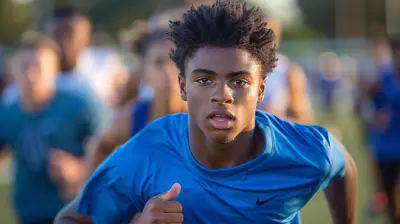
Political speech in professional sports has emerged as a critical issue, as athletes increasingly use their platforms to express views on social justice, inequality, and other political matters. While many fans and commentators laud these actions as courageous and necessary, they also raise complex legal questions that athletes, teams, and leagues must navigate carefully. This article delves into the legal implications of political speech in professional sports, examining the First Amendment, contractual obligations, and the evolving relationship between athletes and their employers.
Understanding the First Amendment
The Basics
The First Amendment of the United States Constitution protects freedom of speech, allowing individuals to express their opinions without government interference. However, this right is not absolute, especially in the context of professional sports. Athletes often find themselves in a complicated legal landscape, where their right to free speech can clash with team policies, league regulations, and even sponsorship agreements.Government vs. Private Entities
A common misconception is that the First Amendment guarantees absolute freedom of speech in all contexts. In reality, while the government cannot penalize individuals for their speech, private entities, including sports teams and leagues, can impose their own rules. This means that players may face disciplinary action for political expressions that their employers deem inappropriate or disruptive.Case Law
Several significant cases illustrate how courts have interpreted these issues. For instance, in Garcetti v. Ceballos (2006), the Supreme Court ruled that public employees do not have First Amendment protection for speech made in the course of their official duties. This ruling suggests that athletes, as employees of their respective teams, might not be protected when speaking in their professional capacity. However, the nuances of how and when speech occurs are essential for understanding legal outcomes.
Contractual Obligations and Team Policies
The Role of Contracts
Professional athletes are bound by contracts that often include clauses regarding conduct. These contracts may explicitly outline expectations for behavior and speech, especially in relation to public appearances and social media interactions. Understanding these contractual obligations is crucial for athletes who wish to engage in political speech.Common Clauses
Contracts may contain clauses that prohibit behavior that could harm the team's reputation, including controversial political statements. For example, an athlete's endorsement deals might also include morality clauses that allow sponsors to terminate agreements if the athlete engages in speech that reflects poorly on the brand. Athletes need to carefully consider these implications before voicing political opinions.Navigating Team Policies
Beyond contractual obligations, teams often have internal policies regarding player conduct, which can include guidelines on political speech. Players should familiarize themselves with these policies, as violations can lead to fines, suspensions, or even termination of contracts. A well-known example occurred when NFL players kneeled during the national anthem, prompting mixed reactions from teams and the league.
The Evolving Landscape of Athlete Activism
Historical Context
Historically, athletes have used their platforms to advocate for social change. Figures like Muhammad Ali and Jackie Robinson paved the way for modern athletes to engage in political discourse. However, the legal landscape has evolved, and athletes must now navigate a more complex set of rules and repercussions.Modern Examples
In recent years, movements such as Black Lives Matter have inspired numerous athletes to speak out against racial injustice. For instance, NBA players have worn jerseys with social justice messages, while WNBA players have advocated for various causes. These actions not only reflect personal beliefs but also shape public perception of the leagues and their brands.The Role of Social Media
Social media has amplified the reach of athletes' voices, allowing them to engage directly with fans and followers. However, this immediacy can also lead to legal challenges. Tweets and posts can be interpreted in various ways, leading to potential backlash from sponsors or teams. Athletes must be aware that their online presence can have real-world consequences.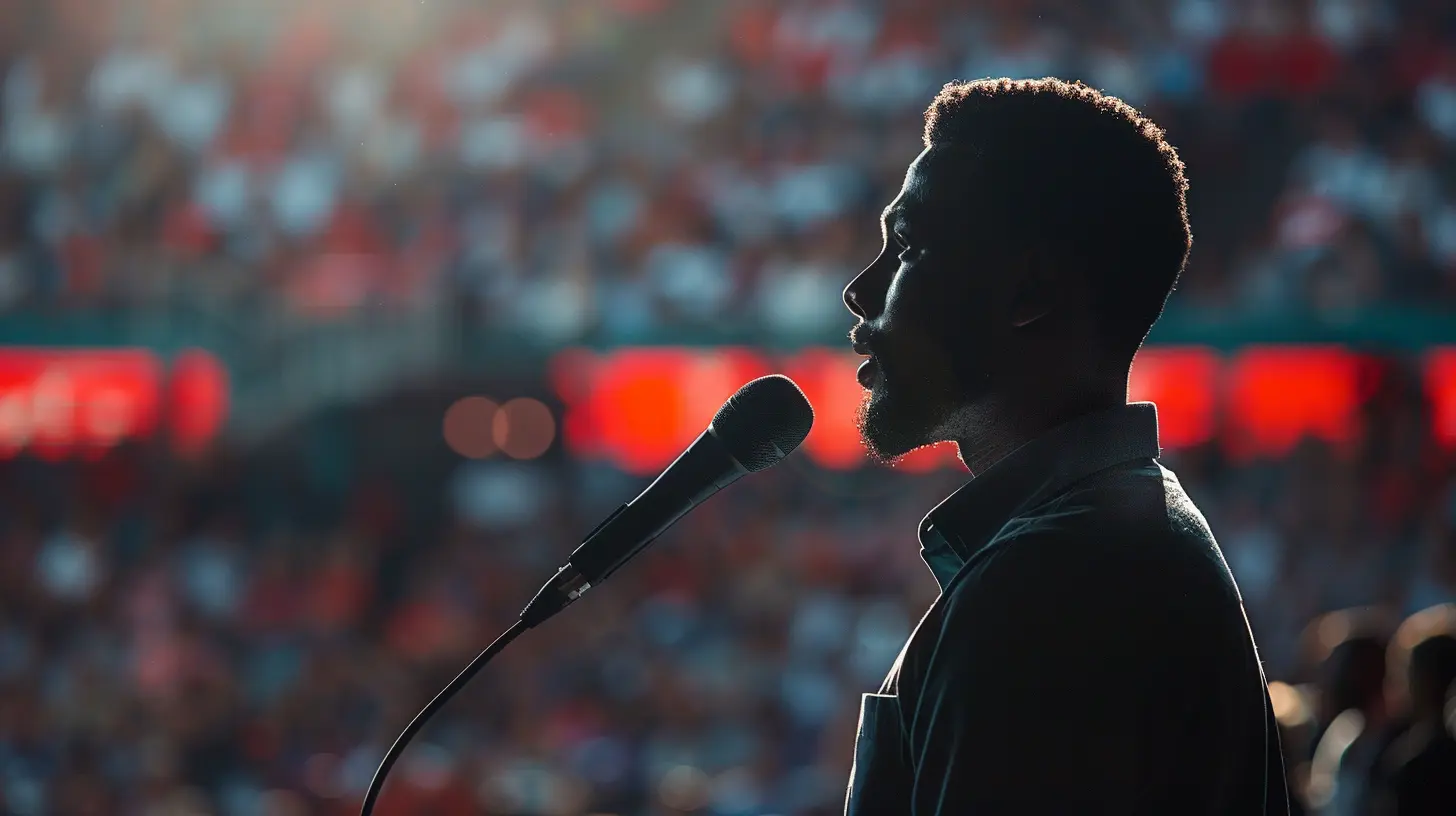
The Balance Between Free Speech and Commercial Interests
The Commercial Nature of Sports
Professional sports are inherently commercial enterprises. Teams depend on sponsorships, advertising, and ticket sales to thrive. As a result, there is often tension between athletes' rights to free speech and the commercial interests of their teams and leagues. When athletes engage in political speech, they risk alienating segments of their fan base, which can have financial implications.Public Relations Considerations
Athletes must weigh the potential backlash from their political expressions against their desire to advocate for change. For example, when Colin Kaepernick protested police brutality by kneeling during the national anthem, he faced significant backlash from fans and sponsors. While his actions sparked a national conversation about social justice, they also led to a prolonged absence from the NFL.Navigating Fan Reactions
Athletes must also consider how fans will react to their political statements. Some fans may support activism, while others may feel alienated. This divide can affect ticket sales, merchandise purchases, and overall brand loyalty. Athletes should think strategically about their messages and the potential impact on their personal brand and team.Best Practices for Athletes
Engage Thoughtfully
Athletes should engage in political speech thoughtfully, considering the implications of their statements. They should explore the issues they care about deeply and be prepared to articulate their positions clearly. This preparation can help them navigate potential backlash and foster constructive dialogue.Collaborate with Experts
Working with legal experts or public relations professionals can help athletes understand the potential consequences of their speech. These professionals can provide guidance on how to express political views while minimizing legal risks.Choose the Right Medium
The medium through which athletes express their opinions matters. Written statements, interviews, and social media posts each carry different implications. Athletes may want to consider the context and potential reach of each platform before making statements.Build a Support Network
Athletes should cultivate a support network that includes peers, mentors, and advocates. This network can provide encouragement and advice, helping athletes navigate the complexities of political speech in sports.
Real-World Case Studies
Colin Kaepernick
Colin Kaepernick's decision to kneel during the national anthem sparked a national conversation about race and police brutality. While he faced significant professional consequences, including being unable to secure a contract with an NFL team, his actions contributed to a broader movement within sports and beyond. Kaepernick's experience highlights the tension between personal beliefs and professional repercussions.LeBron James
LeBron James has leveraged his platform to speak out on various social issues, including police violence and education reform. By aligning himself with organizations such as the NAACP and advocating for change through initiatives like the "I PROMISE School," he has managed to navigate political speech while maintaining strong brand relationships. His ability to articulate his views thoughtfully has also helped him maintain a positive public image.The WNBA's Activism
The WNBA has become a leader in athlete activism, with players openly advocating for social justice issues. The league's response to players' activism has largely been supportive, creating an environment where players feel empowered to speak out. This case demonstrates how supportive league policies can facilitate political speech and positively influence public perception.Common Mistakes to Avoid
Lack of Preparation
One of the most significant mistakes athletes can make is failing to prepare for the potential backlash of their political speech. Without a clear understanding of the implications, athletes risk harming their careers and reputations.Ignoring Team Policies
Athletes should never overlook their team's policies regarding political speech. Ignoring these guidelines can lead to serious consequences, including fines or suspension.Failing to Engage with Fans
Athletes should recognize that their fans may have diverse opinions. Engaging with fans through dialogue, rather than dismissing opposing views, can lead to a more constructive conversation and foster understanding.Overstepping Boundaries
While athletes have the right to express their opinions, they should be mindful of the boundaries set by their contracts and team policies. Overstepping these boundaries can result in significant professional repercussions.
Conclusion
The legal implications of political speech in professional sports are complex and multifaceted. Athletes must navigate a landscape where their rights to free expression can conflict with team policies, sponsorship agreements, and the commercial nature of sports. By understanding their legal obligations, preparing thoughtfully, and engaging with their platforms responsibly, athletes can advocate for the issues they care about while managing the associated risks. the relationship between political speech and professional sports continues to evolve, and those involved must remain vigilant and informed.
all images in this post were generated using AI tools
Category:
Sports And PoliticsAuthor:

Frankie Bailey