The Importance of Rest Days for Muscle Recovery
9 May 2026
Hey there, fitness fam! Let’s have a heart-to-heart about something that doesn't get nearly enough attention in the workout world—rest days. Yup, you heard me. The good ol’ rest day. That glorious 24 hours where you trade barbells for blankets and protein shakes for pancakes.
Now, I know it might feel counterintuitive—especially if you're chasing gains or eyeing those shredded abs—but taking time off is not slacking. In fact, it’s essential. If you’ve ever felt sore for days, hit a plateau, or just couldn't bring yourself to lace up your sneakers, then chances are your body’s begging for a break.
So, let’s pull back the curtain and dive into why rest days are not just nice, but necessary for muscle recovery—and how they can actually fast-track your progress.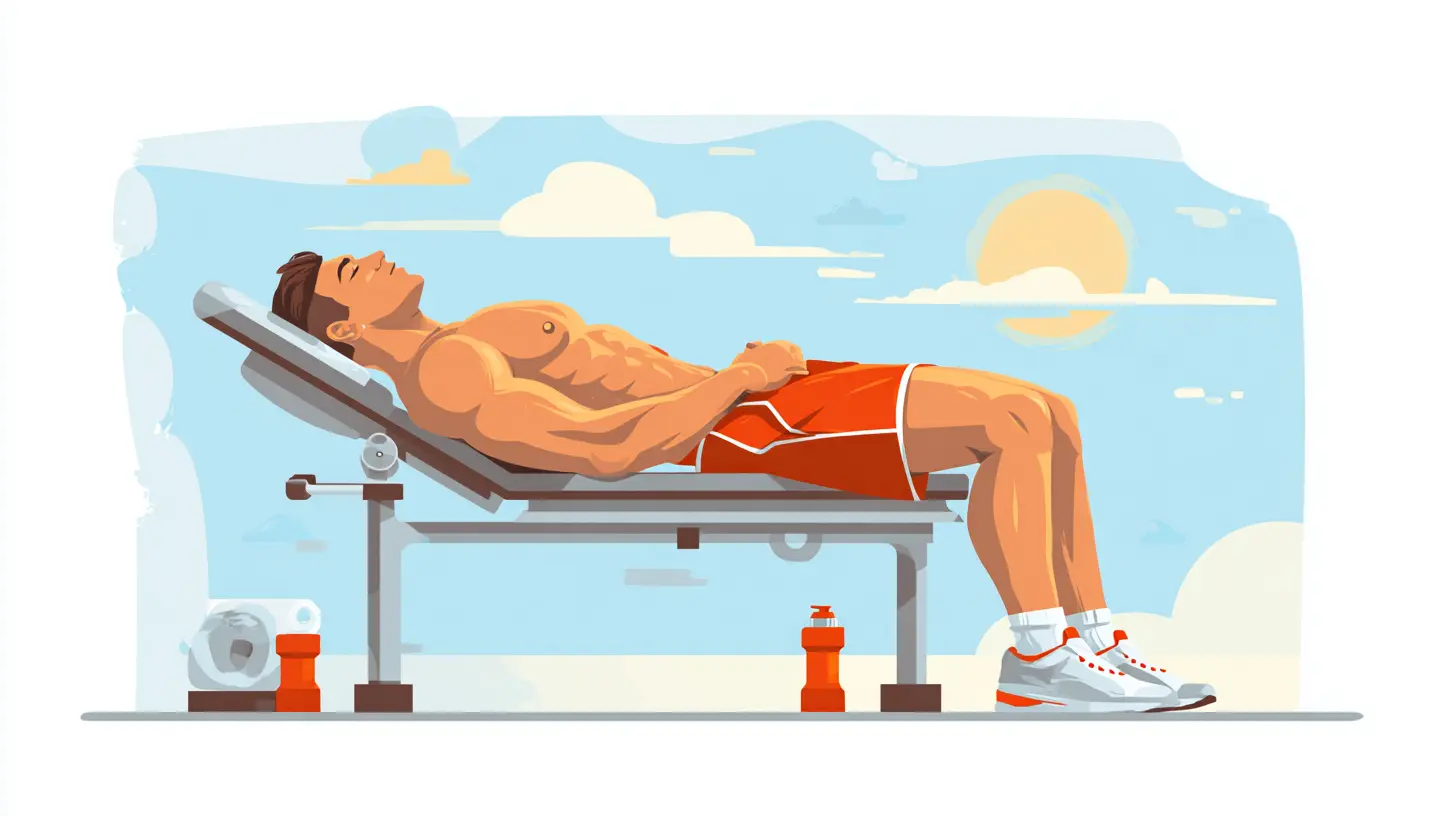
What Actually Happens When You Work Out?
Before we talk about rest, let’s quickly understand what’s going on when you exercise.When you lift weights, go for a run, or smash an intense HIIT session, you’re actually creating tiny micro-tears in your muscles. Sounds scary, right? But don’t worry—it’s totally normal. These micro-tears are your body’s way of triggering growth. They tell your body, “Hey! We need to rebuild stronger!”
But here's the kicker: all that rebuilding? It doesn’t happen while you're working out. It happens afterward. During rest. That’s when your body gets to work repairing muscle tissues, refueling energy stores, and building you up stronger than before.
So if you’re skipping rest days, you’re short-circuiting that entire process.
What Is Muscle Recovery, Really?
Muscle recovery is your body’s way of hitting the reset button. It’s the phase where damage control kicks in, and your system shifts into repair-and-regrow mode.There are two types of recovery:
1. Acute Recovery – This starts immediately after your workout. It's when your muscles begin repairing those micro-tears.
2. Long-Term Recovery – This happens over time and includes scheduled rest days, better nutrition, and all the little things you do to support your body in the long haul.
Here’s the point: You need both. And rest days are your golden ticket to long-term recovery.
Why Rest Days Matter So Much
Let’s break down why rest days are absolutely crucial for your fitness journey.1. ? Muscle Repair and Growth
Like we said earlier, muscles grow when they’re at rest—not when you're curling dumbbells. Giving your body time to rebuild ensures those hard-earned tears turn into real, visible gains.Think of muscle building like baking bread. The dough needs time to rise. If you rush it, you’re left with a flat, dense blob. Same goes for your muscles—rushing the process does more harm than good.
2. ? Mental Recovery
Let's not forget the mental side of fitness. Burnout is real, folks. Pushing yourself to the max day after day without a mental break can suck the joy out of working out.Taking a rest day helps you reset mentally. You’ll come back feeling refreshed, motivated, and ready to give it your all—rather than dragging yourself through another soulless session.
3. ? Hormonal Balance
Overtraining can mess with your hormones—particularly cortisol, the stress hormone. Chronically elevated cortisol levels can delay recovery, weaken your immune system, and even lead to muscle breakdown. Rest days help regulate these levels and keep your body functioning at its best.4. ❤️ Injury Prevention
No one wants to be sidelined by an injury. Without rest, your muscles, joints, and ligaments don’t get the downtime they need. This leads to inflammation, fatigue, and an increased risk of strains, sprains, and worse.Think of it like driving a car across the country without stopping for fuel. Sooner or later, you’re gonna break down.
5. ? Better Performance
Here’s a fun fact: strategic rest actually improves your performance. Athletes who incorporate regular rest days often see better strength gains, improved endurance, and more consistent progress.It’s like giving your body a chance to reload before the next big push.
How Often Should You Take a Rest Day?
Now, you might be wondering, “How many rest days do I actually need?”Great question. The answer? It depends. But here are some general guidelines:
- Beginners: 2–3 rest days a week
- Intermediate/Advanced: 1–2 rest days a week depending on training intensity
- High-level Athletes: Active recovery days mixed with scheduled rest
Listen to your body. If you’re feeling constantly sore, running low on energy, or just not excited to work out… it’s probably time for a break.
Active Recovery vs. Complete Rest
Rest doesn’t always mean turning into a couch potato (unless you want to—no judgment). There's a sweet spot between full-blown rest and keeping your body moving: active recovery.What Is Active Recovery?
Active recovery involves low-intensity movements that promote blood flow and support recovery without putting stress on your muscles. Think:- Light walking
- Yoga
- Swimming
- Gentle cycling
- Foam rolling or mobility work
These activities can help reduce muscle stiffness, boost circulation, and even speed up your overall recovery.
When Should You Choose Complete Rest?
If you’re feeling super fatigued, emotionally drained, or dealing with an injury—then a full rest day is your best bet. Sometimes your body just needs you to chill out completely, binge a little Netflix, and enjoy that extra hour of sleep.Signs You Really Need a Rest Day
Still on the fence about taking time off? Here are some signs your body might be waving the white flag:- You’re sore all the time
- Your performance is declining
- You can’t sleep well
- You feel irritable or moody
- You’re getting sick more often
- You’re constantly tired, even after a full night’s sleep
Remember, being "hardcore" doesn’t mean pushing until you break. It means training smart—even if that includes a nap and a donut.
Rest Day Myths—Busted!
Let’s take a moment to clear the air. There are a few myths floating around out there that might make you feel guilty about resting. Let’s squash 'em.Myth #1: "If I skip a day, I’ll lose progress"
Nope. In fact, your muscles need that downtime to grow. Taking one or two rest days a week won’t derail your progress—it’ll enhance it.Myth #2: "Rest days are only for beginners"
Wrong again. Even elite athletes build recovery into their programs. If they’re doing it... shouldn’t you?Myth #3: "Sweat = progress, rest = laziness"
This one needs to go in the trash. Sweat is just your body’s way of cooling down. Progress comes from effort + recovery. Rest is productive, not passive.Tips To Make The Most Of Your Rest Days
Alright, so now you know rest is awesome. But what should you actually do on your day off?Here’s how to optimize those precious recovery hours:
? Prioritize Sleep
Your muscles recover the most when you're deep in REM sleep. Aim for 7–9 hours of quality shut-eye.? Eat Smart
Recovery doesn’t mean skipping nutrition. Fuel your body with lean protein, healthy fats, and plenty of fruits and veggies.? Stay Hydrated
Water helps flush out toxins and supports joint health. Sipping throughout the day keeps everything running smoothly.?♀️ Stretch or Do Yoga
A gentle yoga flow or 10 minutes of stretching can do wonders for sore muscles and tight joints.? Reflect on Your Progress
Use your rest day to check in with your goals. Are you getting stronger? Sleeping better? Feeling more energized? That kind of insight is key to long-term success.Final Thoughts: Rest Is Part of the Grind
Let’s wrap this up with a little reality check.You don’t get stronger in the gym. You get stronger during the downtime between workouts. That’s when your body rebuilds, revives, and gets ready to tackle the next challenge.
So if you’ve been grinding non-stop, consider this your permission to take a rest day—and not feel guilty about it. Honestly, it’s one of the smartest things you can do for your health, strength, and sanity.
Remember, fitness is a marathon, not a sprint. Pace yourself. Love your body on rest days as much as you do on workout days. After all, even superheroes need a recovery day.
Stay strong, friends—and don’t forget to stretch.
all images in this post were generated using AI tools
Category:
Gym TrainingAuthor:

Frankie Bailey
Discussion
rate this article
1 comments
Iris McIlwain
Rest days are like that friend who insists on a lazy movie marathon instead of hitting the gym. Sure, it feels like slacking, but those muscles need some downtime. After all, even superheroes take a break... or they just binge-watch Netflix!
May 26, 2026 at 4:54 AM
Frankie Bailey
Absolutely! Even heroes need a pause to recharge. Rest days are vital for recovery and growth. Enjoy that movie marathon; your muscles will thank you!