The Importance of Leadership in a Baseball Clubhouse
9 February 2026
Walk into any baseball clubhouse—major leagues or a local minor league set-up—and you'll feel it. There's a vibe, an energy, a sense of direction… or sometimes a complete lack of it. What makes or breaks that vibe? One word: leadership.
Leadership in a baseball clubhouse isn't just about who gives the most passionate pep talk or who hits the most home runs. It's deeper than stats and louder than walk-up songs. It's the glue that keeps the team together through slumps, injuries, long road trips, and the rollercoaster ride that is a baseball season. So, let’s talk about why leadership matters so much in America’s favorite pastime.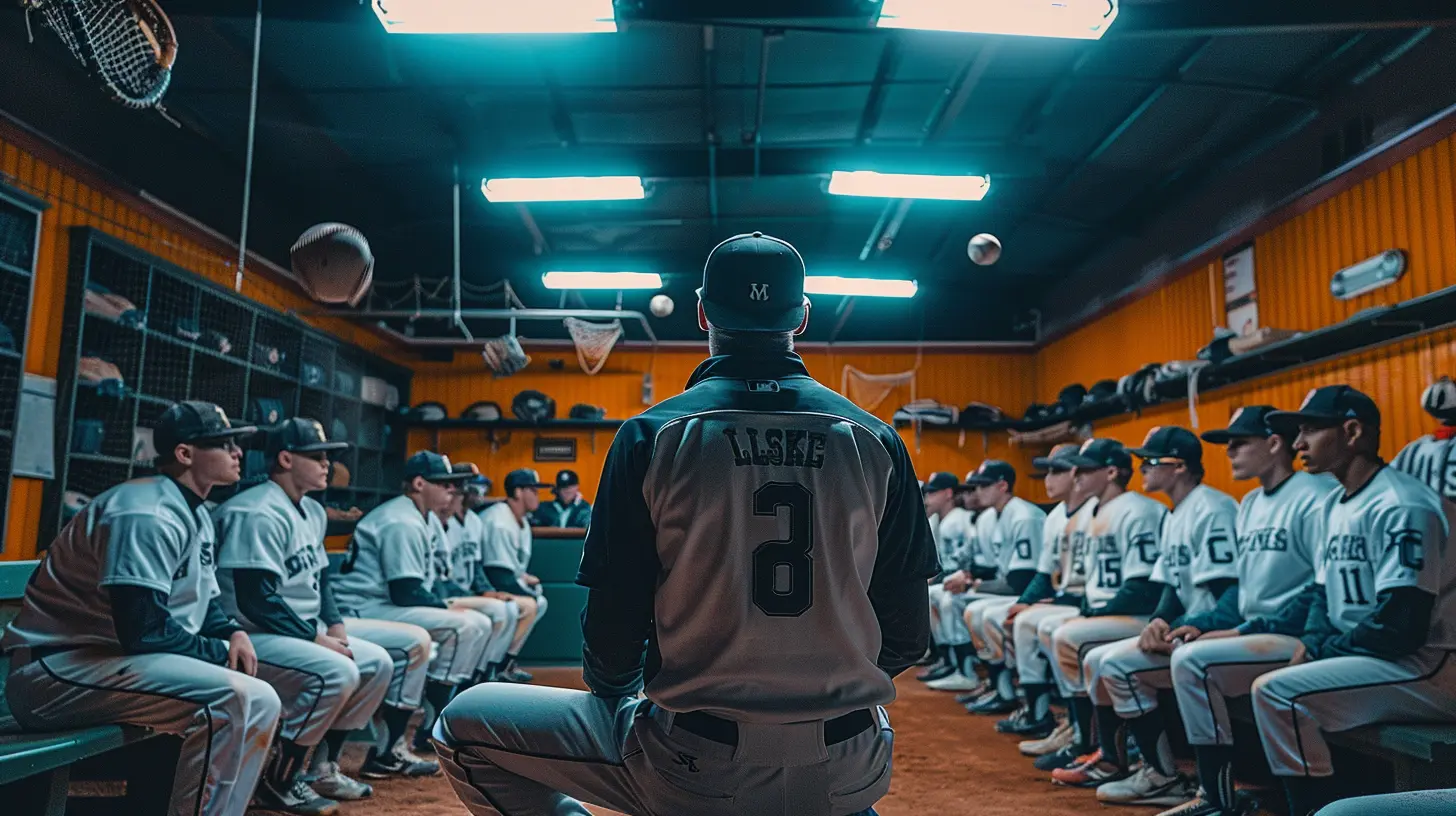
Why Leadership Is More Than Just Wearing the "C"
Sure, some teams designate a captain, but leadership in baseball doesn’t come with a badge. You won't always spot it by looking at who’s the most vocal or who has the best locker spot. Leadership shows up in the little moments—like when a veteran gives a rookie some advice or when someone steps up to calm down a heated situation.Baseball is a grind. With 162 games in the MLB regular season (plus spring training and hopefully the postseason), players spend more time with each other than with their own families. That kind of environment can either build a strong brotherhood—or lead to burnout and bitterness.
The Clubhouse as the Team’s Heart
Think of the clubhouse as the heart of the team. If it's beating steadily and healthily, the whole body (team) functions better. If it's weak or full of tension, eventually it affects performance on the field.Leaders help regulate that heartbeat. They understand when to joke and when to be serious. When to boost morale and when to light a fire under someone's cleats. Their influence can be the difference between a team that bonds and one that breaks.
The Veteran's Role: Leading by Example
Ever heard the phrase, “Act like you’ve been there before”?Veteran players are the unofficial mentors of a clubhouse. These guys have seen it all—walk-offs, losing streaks, clutch wins, heartbreak losses. More importantly, they've learned how to deal with the emotional highs and lows. That experience is invaluable to younger players who might still be figuring out how to cope with the mental side of the game.
Great clubhouse leaders don’t just talk the talk—they walk it. They show up early, put in extra reps, support teammates, and hold themselves accountable. Their habits set the tone.
Teaching the Mental Game
Baseball is arguably the most mental of all major sports. The best hitters in the game fail seven out of ten times. Think about that. Without the right mindset, failure could eat a player alive.A strong clubhouse leader helps younger players keep perspective. They remind them that slumps happen, that the season is long, and that success in baseball is a marathon, not a sprint.
The Manager Isn’t the Only Leader
Here’s a common misconception: people think the manager is the sole leader. While the manager’s role is undeniably critical, they can’t do it all. They don't live in the clubhouse 24/7 like the players do.That's where player leadership becomes crucial. A veteran leader or a group of leaders can carry the manager’s message into the locker room, making sure it resonates on a peer-to-peer level. That dynamic creates accountability from within, which is far more powerful than forced discipline from above.
Leadership Committees and Core Groups
Some modern teams even establish a core leadership group—think of it as a “players-only” board of directors. These guys meet with the coaching staff, discuss clubhouse concerns, and set behavioral standards.It’s not about creating hierarchies—it's about empowering players to take ownership of the culture.
Chemistry Doesn’t Happen on Its Own
We’ve heard this before: “This team has great chemistry.”But team chemistry doesn’t appear magically like some kind of fairy dust sprinkled over the dugout. It’s built—brick by brick—through shared experiences, respect, and trust.
Leaders play a big part in that construction. They make the effort to connect guys from different backgrounds. They encourage team-building off the field, from simple stuff like team dinners to playing video games together or even just riding the same bus.
Breaking Down Cliques
Let’s be real—clubhouses can get cliquey. You might have the Latin players in one corner, pitchers over here, position players somewhere else. It’s natural. But too much division can lead to a fractured team.A strong leader bridges the gap, gets everyone interacting and functioning as a single unit. That sense of unity? It spills out onto the field, turning a group of individuals into a true team.
Handling Adversity: The Test of True Leadership
Here’s where leadership really shows its value—when stuff hits the fan.Losing streak? Injuries piling up? Media drama? That’s when leaders shine. Instead of panicking or pointing fingers, they keep everyone focused and calm.
A Case of the Clubhouse Speech
Ever seen those classic sports movies where the team is down and someone gives an epic halftime speech? Yeah, real life isn’t always that dramatic—but sometimes, one well-timed, heartfelt message from a leader does flip the mental switch.Whether it’s a team meeting or just a quiet chat with a struggling teammate, real leaders know when and how to deliver the message that turns things around.
Quiet Leaders vs. Vocal Leaders
Not all good leaders are rah-rah cheerleaders.Some leaders lead like lions—loud, commanding, always at the front. Others are more like shepherds—quietly guiding, listening, and setting the tone through actions more than words.
Both styles can be effective. The trick is knowing your team and understanding what it needs at any given moment.
Authenticity Is Key
One thing’s for sure: players can smell inauthenticity a mile away.Leadership only works if it’s real. A quiet guy trying to be a hype man won’t last long, and a vocal guy who doesn’t back his words with effort will lose respect fast. The best leaders? They’re true to themselves and earn trust through consistency.
Leadership Is Contagious
Here’s the beautiful part—leadership cascades.When one player steps up and leads, others follow. It creates a culture where leadership is passed down year after year, like a torch. Before you know it, multiple guys are stepping into leadership roles naturally, and the clubhouse becomes self-sufficient.
It’s not about having just “one guy.” It’s about creating a collective mindset—where accountability, effort, and support are the norm, not the exception.
Creating a Winning Culture
You can have the most talented roster in the league, but if there’s no leadership in the clubhouse? Good luck winning anything meaningful.On the flipside, teams with strong culture—driven by internal leadership—often overperform. They find ways to win. They play for each other. They believe.
Leadership as the X-Factor
Think back on champion teams in recent baseball history. Almost all of them had at least one player known for being a leader. Those aren't coincidences—they’re proof that leadership is the X-factor.Final Thoughts
Leadership in a baseball clubhouse isn’t just important—it’s essential. It’s the engine that drives the culture, the compass that guides the team, and the balm that soothes slumps and setbacks.It doesn’t always come from the most obvious sources. But when it’s there, you can feel it. The team plays looser, trusts each other more, and competes with more heart. And when it's absent? The clubhouse becomes a silent, tense, fragmented place where even talent can’t save the season.
So next time you’re watching a game and trying to figure out what separates winners from underachievers, look beyond the box score. Ask yourself: who’s leading that team, both on and off the diamond?
Chances are, the answer will explain a lot.
all images in this post were generated using AI tools
Category:
BaseballAuthor:

Frankie Bailey
Discussion
rate this article
2 comments
Journey Warner
Leadership fosters unity, resilience, and team success.
March 23, 2026 at 1:43 PM
Frankie Bailey
Absolutely. Strong leadership in a clubhouse can build bonds that help the team thrive, especially during tough times.
Damian Taylor
Leadership in a baseball clubhouse transforms potential into success. It fosters teamwork, builds resilience, and inspires greatness. With the right leaders, every player can shine and contribute to the team's journey!
February 9, 2026 at 5:21 AM
Frankie Bailey
Thank you for your insightful comment! Leadership truly is crucial in harnessing each player's potential and promoting a strong, cohesive team dynamic.