The Importance of Gut Health in Athletic Performance: A Scientific Perspective
18 December 2025
When you think about what makes a high-performing athlete, what comes to mind? Muscles? Stamina? Speed? Sure, all those are key. But what if we told you that there’s an unsung hero hidden deep inside your belly that could make or break your athletic potential?
Yep, we’re talking about your gut.
It might sound surprising, but your gut health plays a massive role in how well you perform in sports and fitness. Whether you're a weekend warrior or training for competition, the state of your gut can seriously impact your endurance, recovery, mood, and even focus.
So grab a comfy seat—and maybe a kombucha—because we’re about to take a deep dive into the science of gut health and how it intertwines with athletic performance.
What Exactly Is "Gut Health"?
Before we go any further, let’s break it down.Your gut isn't just about digestion. It's a vast ecosystem made up of trillions (yes, trillions) of bacteria, viruses, fungi, and other microscopic organisms living in your digestive tract. This complex community is called your gut microbiome.
Think of it like a bustling city inside your body. When everything runs smoothly, the citizens (aka microbes) do their jobs—breaking down food, absorbing nutrients, fighting off bad guys, and even sending messages to your brain. But when things go out of whack? That’s when problems start popping up.
Why Should Athletes Care About Their Gut?
Now, you might be thinking, “So what? As long as I eat clean and train hard, I'm good, right?”Not quite.
The truth is, your gut health can directly influence your sports performance in ways you probably never considered. Here’s how:
1. Nutrient Absorption = Better Fuel
Imagine putting premium fuel into a car but having a clogged engine. That’s what poor gut health does. Even if you're eating a nutrient-dense diet, your body won’t absorb vitamins, minerals, and other essentials efficiently if your gut is struggling.That means less energy, slower recovery, and ultimately—less progress.
Athletes need a steady supply of:
- B vitamins for energy production
- Iron for oxygen transport
- Magnesium for muscle function
- Amino acids for muscle repair
A happy gut ensures all these nutrients get to where they need to go.
2. Immunity and Inflammation: The Hidden Players
Did you know that around 70% of your immune system lives in your gut? Wild, right? For athletes, a healthy immune system is non-negotiable. Getting sick midway through a training cycle or before competition can crush momentum.Plus, chronic inflammation (which poor gut health can trigger) increases the risk of injury and slows down healing. That means more time on the bench and less time crushing goals.
3. The Gut-Brain Axis: Focus, Mood, and Motivation
Ever had a "gut feeling"? There’s actual science behind that.Your gut and brain are in constant communication via the vagus nerve. This two-way street is called the gut-brain axis.
If your gut is out of whack, it can mess with your mood, anxiety levels, stress resilience, and even sleep. All of which are crucial for peak performance. You can’t compete at 100% if your head's all over the place.
4. Endurance and Gut Resilience
Long-distance runners, cyclists, and triathletes know this one all too well: gastrointestinal distress. During prolonged exercise, blood gets diverted away from your digestive system to your muscles, causing bloating, cramping, nausea—you name it.A strong gut is more resilient and adaptable under stress, making those long sessions feel a little less like torture.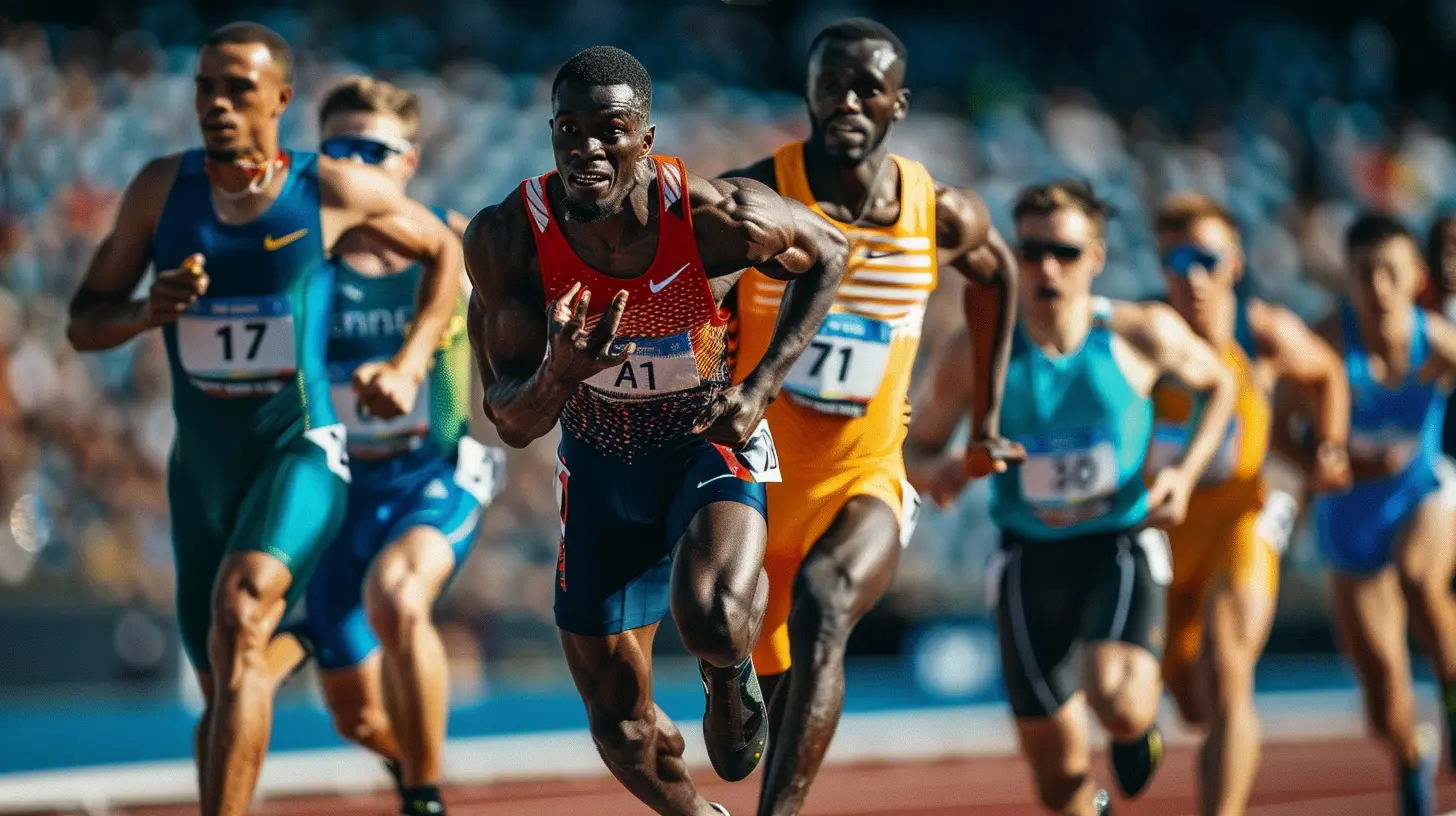
Let's Talk Science: What Does the Research Say?
Good question.Over the past decade, the role of the gut microbiome in sports science has exploded. Researchers are finding some pretty cool stuff.
VO2 Max and Gut Bacteria?
A study from the University of Illinois found that certain gut bacteria may enhance aerobic capacity. Those with higher levels of the bacteria Veillonella had better endurance. Why? These bugs convert lactic acid (the stuff that makes your muscles burn) into propionate, a fatty acid that helps fuel your body. Pretty neat, huh?Gut Bacteria Diversity = Higher Performance
Elite athletes tend to have more diverse microbiomes than non-athletes. Simply put, the more variety you have, the healthier your gut is. Think of it like having a whole toolkit instead of just a hammer.Recovery and Inflammation
Studies show that probiotics can reduce muscle soreness, speed up recovery, and lower markers of inflammation post-workout. That means less downtime between sessions.
Signs Your Gut Might Be Struggling
So, how do you know if your gut is calling for help? Here are some tell-tale signs:- Frequent bloating or gas
- Irregular bowel movements
- Constant fatigue, even with rest
- Food intolerances popping up
- Getting sick more often than usual
- Poor sleep or foggy brain
- A “heavy” or uneasy stomach during workouts
If you're ticking off several of these, it's definitely worth paying attention.
Gut-Friendly Habits for Athletes
Okay, so how do you actually support your gut? It’s not about taking one magic pill—it’s about daily habits. Here’s what you can do:1. Eat More Plants
Diverse plant foods = diverse gut bacteria.Aim for at least 30 different plant-based foods per week. We’re talking fruits, veggies, whole grains, legumes, nuts, and seeds. Yes, herbs and spices count too.
2. Include Fermented Foods
These are nature’s probiotics. Add things like:- Yogurt (check for live cultures)
- Kefir
- Kimchi
- Sauerkraut
- Miso
- Tempeh
- Kombucha
These fermented goodies help populate your gut with beneficial bacteria.
3. Cut Back on Ultra-Processed Junk
Highly processed foods, sugar, and alcohol can wipe out good bacteria and cause inflammation. You don’t need to go full saint-mode, but be mindful.4. Stay Hydrated
Water helps keep your digestive system moving and supports the gut lining. Dehydration can worsen symptoms like bloating and constipation.5. Manage Stress
Easier said than done, right? But chronic stress wreaks havoc on your gut. Try meditation, breathwork, journaling, or even just some time outdoors.6. Sleep Like a Champion
Lack of sleep messes with your microbiome. Aim for 7-9 hours of high-quality shut-eye, especially if you're training hard.7. Consider Probiotics... Wisely
Probiotic supplements can help, but they’re not one-size-fits-all. Different strains do different things. If you’re dealing with specific issues (like IBS or post-antibiotic recovery), work with a functional doc or sports nutritionist.Real Talk: Can You Really Boost Performance Just by Fixing Your Gut?
Let’s be honest—improving your gut health isn't a shortcut to a gold medal. You still need to put in the work in the gym, eat right, recover properly, and stay consistent.But here’s the thing: optimizing your gut sets the stage. It’s the foundation. If your internal systems aren’t humming along smoothly, your external performance will hit roadblocks.
So yes, taking care of your gut won’t replace hard training—but it sure as heck can make it a whole lot more effective.
Gut Health Isn’t Just a Trend—It’s a Game-Changer
Let's face it, the world of sports and fitness is always evolving. New supplements, new recovery hacks, new gear—it’s a lot. But gut health? That’s not just another trend.It’s science-backed, athlete-tested, and performance-approved.
Whether you're chasing a personal best, prepping for your next triathlon, or just want to feel better in your body—the state of your gut matters.
So next time you’re planning your macros, your workout split, or your supplement stack, ask yourself: “How’s my gut doing?”
Because sometimes, the key to unlocking your next level of performance isn’t in the gym—it’s in your gut.
all images in this post were generated using AI tools
Category:
Sports ScienceAuthor:

Frankie Bailey
Discussion
rate this article
2 comments
Ziva McElhinney
Great article! It’s fascinating how gut health plays such a crucial role in athletic performance. Understanding the science behind it can really help athletes optimize their training and recovery. Cheers to staying healthy from the inside out!
February 9, 2026 at 1:29 PM
Frankie Bailey
Thank you for your kind words! I'm glad you found the article insightful. Cheers to optimizing health for peak performance!
Taryn McDougal
Gut health plays a crucial role in athletic performance, influencing digestion, nutrient absorption, and overall immune function. Athletes should prioritize it.
December 22, 2025 at 7:37 PM
Frankie Bailey
Thank you for your insightful comment! Prioritizing gut health is indeed essential for optimizing athletic performance and overall well-being.