The Impact of Delayed Crowds on Sports Broadcasting in Empty Stadiums
9 March 2026
We all remember that jarring moment: the world hit pause, stadium lights dimmed, fans went quiet—not because the game was over, but because nobody was allowed in. Suddenly, the wild roars of the crowd were replaced with eerie silence... or worse—awkward echoes and fake noise. Welcome to the era of delayed crowds and empty stadium sports broadcasts.
In this deep dive, we're not just talking about the absence of fans—we're exploring how sports broadcasters tackled the vacuum and tried to re-imagine how emotions sound when the seats are empty. Because let’s face it: without real-time crowd reactions, sports feel a little... soulless, don’t they?
What Are Delayed Crowds, Anyway?
Imagine you're watching a soccer match. A player scores a screaming goal, and instead of the usual earth-shattering roar, there’s a split-second pause—then, a faint cheer rolls in. That’s a delayed crowd.Basically, broadcasters pump in pre-recorded crowd noises to simulate a live atmosphere. And sometimes, it works pretty well. Other times? Not so much.
They use audio from previous matches or gaming software (like EA Sports' FIFA crowd database) and sync it in real-time as best they can. The aim? To trick our brains into believing that excitement is still alive and well, even in an empty stadium.
Why Empty Stadiums Changed the Game for Broadcasters
Let’s be real—sports are more than just the players. The fans? They're the heartbeat. The noise, the chants, the tension when a goalie lines up against a penalty... these aren’t just background effects. They’re integral to the drama.With COVID-19 forcing leagues across the globe to shut their stadium gates, broadcasters were left scrambling. How do you keep viewers engaged when the energy is sucked out of the arena?
That’s where delayed crowds came in. It was a band-aid solution, but surprisingly, a clever one.
The Silent Stadium Problem
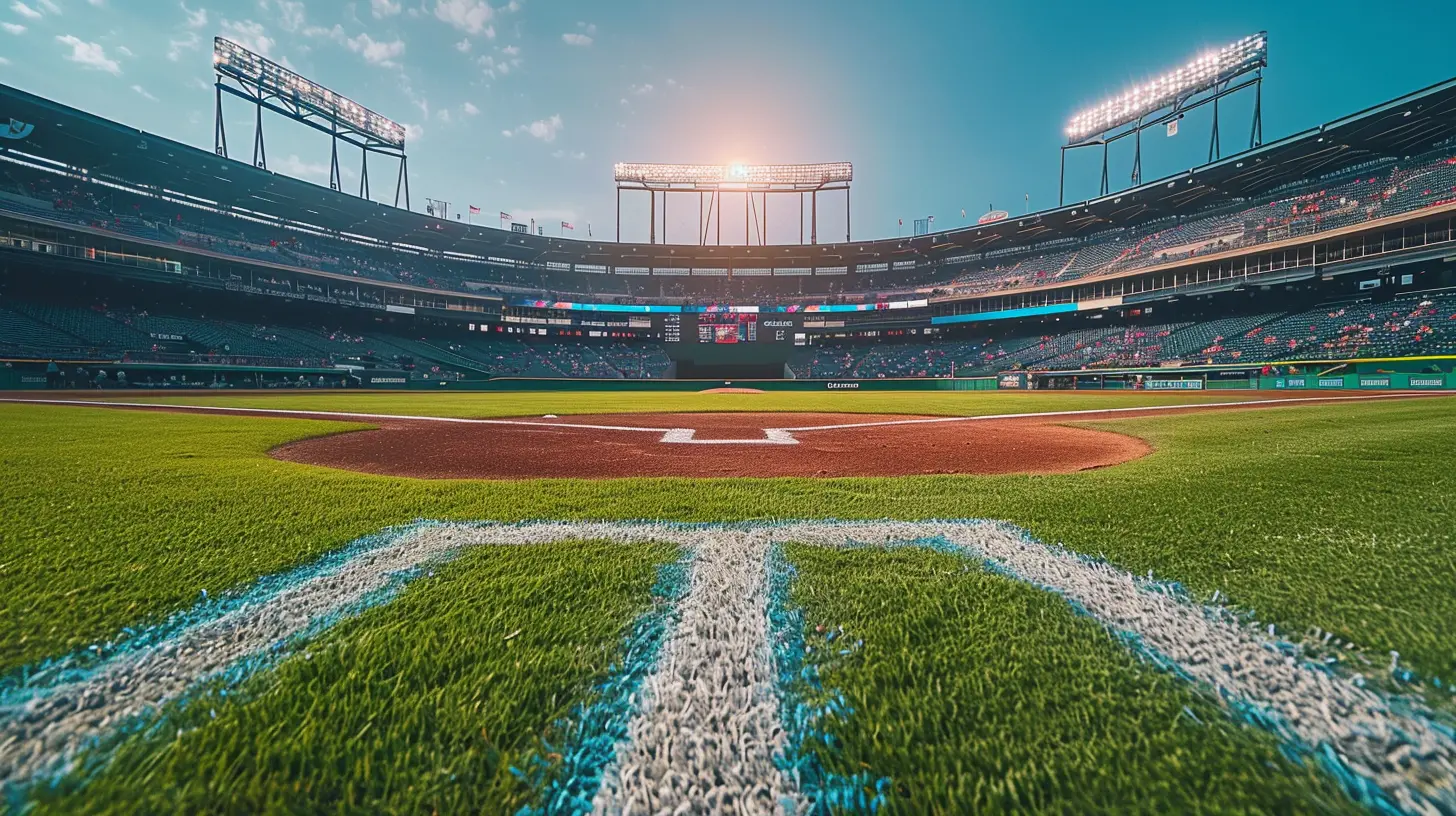
An empty stadium is like karaoke without a mic—awkward and echoey. You hear the players shouting, the coaches screaming, and every squeaky sneaker sliding across hardwood floors in a basketball game. It’s raw. Too raw sometimes.While some fans enjoyed the “behind-the-scenes” vibe, most found it jarring. The absence of ambient noise made the game feel slower and less intense. Not to mention, it exposed just how much broadcasters rely on crowd noise to dictate the rhythm and vibe of the game.
How Broadcasters Tried to Fill the Void
Artificial Crowd Noise
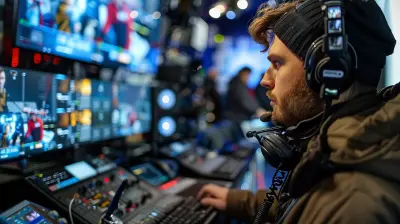
Yep, they faked it. Broadcasters began layering artificial crowd reactions into live games. And it wasn’t a simple plug-and-play situation. Audio engineers had to monitor the flow of the game and press the right buttons to simulate reactions at just the right time.- Goal? Hit the “Cheer Wildly” button.
- Missed shot? Cue “Ohhhhhh” disappointment.
- Yawn-fest? Throw in the occasional claps or chants to spice it up.
It was like being a DJ, but for emotions.
Some networks even employed video game sound engineers to help sync reactions better—it got that serious.
Virtual Fans
Remember those pixelated fans in the stands? Some networks took it a step further and added virtual spectators to make visuals more “normal.” MLB even let fans submit selfies that were turned into cardboard cutouts and placed around the stadium.It was gimmicky, sure—like putting a bandage on a broken arm—but it gave fans some nostalgia, and broadcasters got visual content to play around with.
Enhanced Player Audio
With the crowd muffled, broadcasters had a golden opportunity: let fans hear what players and coaches were really saying. For some, that was a treat. For others, it was a bit NSFW (thank goodness for that 5-second delay).But it added new flavor to the broadcast. Suddenly you were on the field—hearing strategy, trash talk, and raw emotion. It was like getting a secret backstage pass.
Reactions from the Fans: Mixed At Best
Some fans appreciated the innovation. After all, nobody expected perfection during a pandemic-stricken season. The simulated crowd allowed fans at home to at least feel like the game still had stakes.But others? They weren’t buying it.
Let’s be honest—you can’t fake passion. When you know the cheers are coming from a computer, it just doesn’t hit the same. It's like laughing at a sitcom's canned laughter—you hear the joke, but the reaction feels forced.
And then you had the latency issues. Sometimes the “cheer” would come seconds too late. It was like hearing someone clap five seconds after a joke lands. Cringe.
Behind-The-Scenes: The Tech Involved
You’d be surprised how technical it got. Broadcasters collaborated with audio mixing engineers, game developers, and even AI companies to create predictive triggers for crowd reactions.These setups used:
- Soundboards with multiple reaction options (cheers, boos, chants, applause)
- Artificial intelligence to analyze the game and suggest appropriate responses
- Real-time editing software to blend crowd sounds seamlessly into live feeds
It wasn’t just for show—it was a full-blown production effort behind the curtain every time a game aired.
The Emotional Disconnect: No Noise, No Goosebumps
You know that feeling when your team scores in injury time and the crowd explodes? That surge of adrenaline? That’s what delayed crowds could never quite replicate.Sports are emotional roller coasters. You laugh, scream, cry—sometimes all in one match. And the crowd is what amplifies every single one of those moments. Without that real-time electricity, it became a little harder to connect.
Some fans even stopped watching altogether. For them, it wasn’t just about the game; it was about the experience. Take away the live crowd, and you take away the soul of the sport.
Did Delayed Crowds Improve or Damage the Experience?
That’s the million-dollar question.The Pros:
- Kept viewers somewhat engaged despite empty seats- Helped broadcasters maintain a consistent narrative
- Gave casual fans a reason to keep watching
- Masked awkward silence that could break immersion
The Cons:
- Often felt artificial and poorly timed- Lacked the unpredictability of a real crowd
- Occasionally distracted from the game itself
- Failed to fully replicate the emotional highs and lows
So, it walked the fine line between clever production and cringe-worthy fake-out.
Looking Ahead: What’s the Future of Sports Broadcasting?
Now that fans are returning to stadiums, you’d think the delayed crowd concept is going straight into the recycling bin. Not so fast.Broadcasters learned a lot. Some of this tech isn’t going away. For example:
- Enhanced on-field audio may stay for behind-the-scenes documentaries.
- Crowd audio mixing could still be used to boost weak atmospheres in under-filled arenas.
- AI-driven sound engineering might evolve into real-time mood mapping—basically, making the crowd part of dynamic storytelling.
So yes, while we hope we never have to return to completely empty stadiums, the innovations born out of necessity might just stick around—refined, smarter, and better integrated.
Final Whistle: The Takeaway
Delayed crowds were never meant to replace real ones. They were a stopgap—an emergency play in the middle of a chaotic, unpredictable season.Were they perfect? Far from it.
Did they help hold the fort while we waited for normalcy? Absolutely.
The era of sports broadcasting in empty stadiums will go down as one of the strangest in sports history. And while we’re thankful it’s mostly behind us, we’ve got to give credit where it's due—broadcasters worked overtime to make sure we didn’t miss the game entirely.
Still… there’s no substitute for the roar of 50,000 fans losing their minds. No soundbar in the world can replicate that.
all images in this post were generated using AI tools
Category:
Sports BroadcastingAuthor:

Frankie Bailey
Discussion
rate this article
2 comments
Orion Jennings
This article highlights the crucial shift in sports broadcasting due to delayed crowds, emphasizing the need for innovative production techniques. As empty stadiums become the norm, enhancing viewer engagement and experience is essential for maintaining audience interest.
April 11, 2026 at 11:57 AM
Frankie Bailey
Thanks for the insightful comment! You're spot on about the need for innovation in production. Engaging viewers will be key as we adapt to this new landscape.
Kennedy Cummings
Great insights! Navigating the challenges of delayed crowds in empty stadiums is crucial for the future of sports broadcasting. Your analysis highlights innovative solutions that can enhance viewer experience. Excited to see how this evolves! Keep up the great work!
March 9, 2026 at 12:45 PM
Frankie Bailey
Thank you for the thoughtful feedback! I'm glad you found the analysis valuable. Excited to see how these ideas develop too!