The Heart of Sportsmanship: How Coaches Inspire Integrity
21 February 2026
Let’s face it, sports aren’t just about scoring the most goals, hitting the most home runs, or sprinting across finish lines like you're being chased by a caffeine-fueled cheetah. There's something deeper—something that doesn’t show up on the scoreboard but ultimately defines the game itself. That something is sportsmanship. And at the core of sportsmanship? Coaches.
Yep, those whistle-wielding, clipboard-holding, often-hoarse-voiced leaders are the unsung heroes building not just athletes, but good humans. Let’s dive in and talk about how coaches do more than train—they inspire integrity, character, and that golden thing called heart.
Why Sportsmanship Even Matters
Before we jump into the magic of coaching, let’s take a quick timeout. Why should we even care about sportsmanship? Isn’t the point of sports to win?Well, sure. Winning is awesome. We all love the taste of victory. But sportsmanship is what keeps the game honorable. It’s what separates a talented player from a respected one.
Imagine a game with nothing but trash talk, cheating, and tantrums. Not exactly a feel-good highlight reel, right? That’s where integrity saves the day, and coaches are the ones leading that moral warm-up.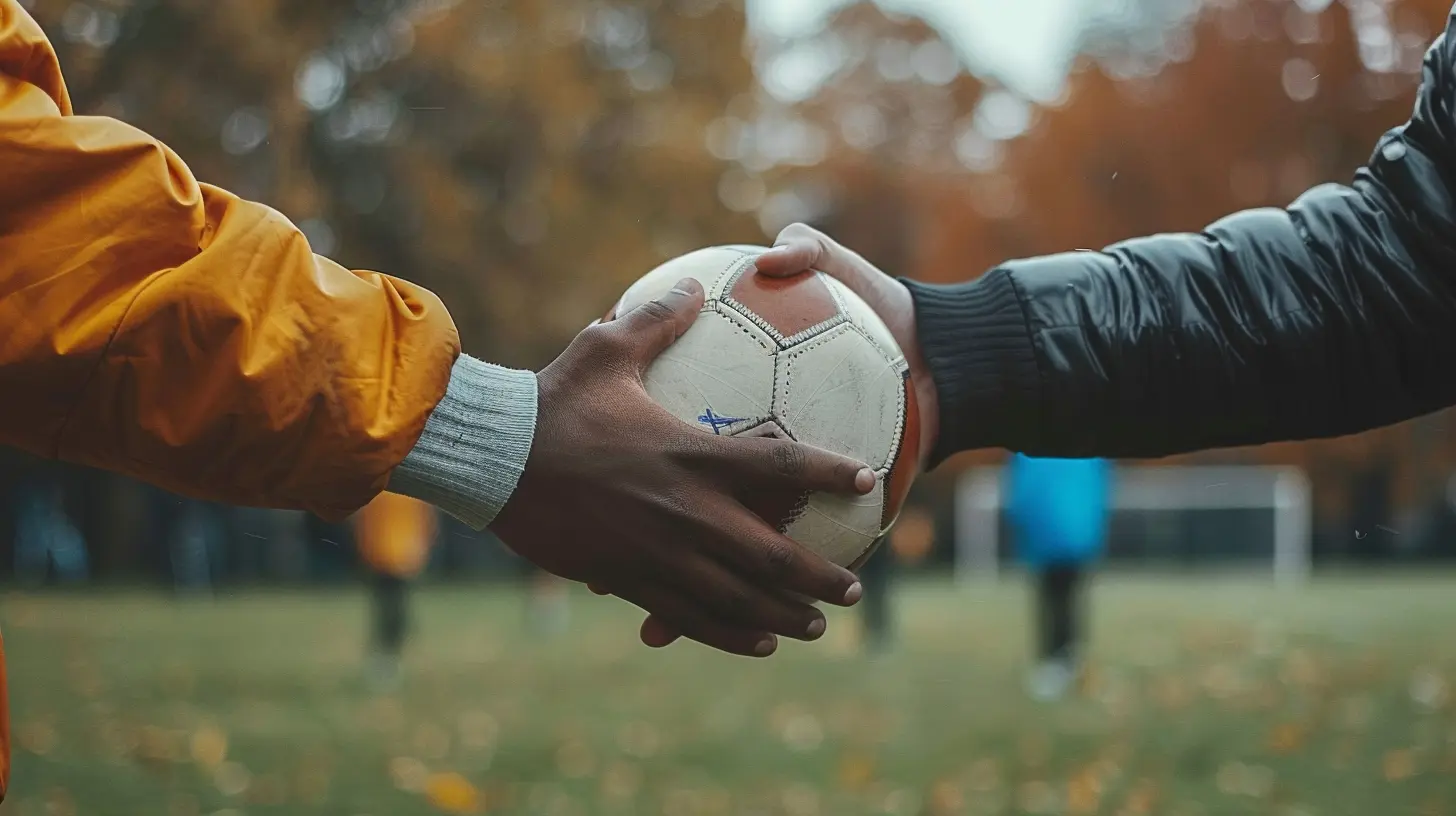
Coaches: The Real MVPs of Integrity
Let’s be honest. Athletes might get all the limelight, but coaches are out there laying the groundwork. They’re like the directors behind a blockbuster movie—guiding every scene, influencing every action, and setting the tone.Good coaches don’t just bark orders. They teach life lessons. They show what it means to be fair, humble in victory, and gracious in defeat.
You’ve probably heard stories about coaches pulling their star players for poor sportsmanship—even during important games. That's not just discipline. That’s principle in action. That’s the heart of integrity beating strong.
Leading by Example: Walk the Talk
Kids and even grown-up athletes don’t just listen to what their coach says—they watch everything. Every gesture, every word, every decision. So, when a coach acts with respect and fairness, it sticks.Think about it. If Coach screams at the ref every time a call goes sideways, guess what the players will think is okay? Yep, yelling at authority. Boom. Lesson taught—just not the right one.
On the flip side, when a coach shakes the opposing coach’s hand, respects officials, and encourages players to help opponents up, those seemingly small acts echo far beyond the field.
Tough Conversations, Big Lessons
Let’s not sugarcoat it. Coaching with integrity isn’t always easy. There are hard conversations — like benching a player for dirty play or calling out selfish behavior. But those moments are gold. Why? Because that’s when real character is built.Coaches who choose to teach rather than just “win at all costs” are creating athletes with values. And guess what? Those values translate far beyond sports.
Imagine a player who learns to own their mistakes, support their teammates, and play fair. That same player becomes an adult who knows how to navigate life’s curveballs with kindness and courage.
Building a Culture of Respect
A great coach creates a bubble of respect within the team. And that bubble? It’s contagious. When players are taught to respect not just their teammates, but also the other team, the refs, and even the fans, it changes the game—literally.Respect becomes the rule, not the exception.
Coaches often set team rituals and rules that go beyond skill drills. Things like:
- Shaking hands after games
- No trash talk—win or lose
- Encouraging others during practice
- Showing accountability for actions
These rituals build a team culture that players carry with them for life.
The Ripple Effect: Lifelong Impact
Here’s the part that gives you goosebumps. Ask any adult athlete who made a real difference in their life. Nine times out of ten, they’ll mention a coach.Why? Because the lessons learned on those courts, fields, and gyms often show up in job interviews, relationships, parenthood—you name it.
A coach who taught a young athlete to play fair may have also taught them to lead a meeting with honesty. A lesson on perseverance in the final quarter might come back during a tough time at work.
The integrity coaches instill doesn’t stop at the final buzzer. It grows. It spreads. It sticks.
Handling Wins and Losses the Right Way
Winning feels great. Losing? Not so much. But how athletes handle both says a lot about their character. Coaches play a huge role in shaping that response.Ever seen a team win but look like they just walked off a red carpet, full of humble pride and grace? That’s coach magic right there.
And when they lose but still praise each other, respect their coaches, and acknowledge the other team? Pure sportsmanship, served with a side of maturity.
Coaches teach that the outcome matters less than how you got there. It's the journey, the hustle, the respect—it’s playing the game the right way.
Real-Life Coaching Heroes
There are countless unsung coaches out there doing amazing things every day. From youth leagues to college teams to high school squads, these mentors are shaping lives.Take Coach Carter, for example. Yes, the real one (not just the Hollywood version). He benched his entire team for poor academic performance—during a winning season. Why? Because he cared more about their futures than his win-loss record.
Or Pat Summitt, legendary women’s basketball coach who demanded excellence both on and off the court. Her players didn’t just become great athletes—they became incredible people.
These aren’t just coaches. They’re life-changers.
Encouraging Teamwork Over Ego
In today’s highlight-reel culture of viral dunks and buzzer-beaters, it’s easy to see why kids might focus on self over team. But coaches can shift that mindset.How? By rewarding assists over solo plays. By praising hustle and heart instead of just stats. By showing that lifting up others is just as important as shining.
When a coach encourages collaboration, camaraderie, and team-first mentality, they’re setting a standard that stretches beyond the game.
Parents + Coaches = Dream Team
Let’s not leave parents out of the equation. When coaches and parents are on the same page about values and sportsmanship, the results are powerful.Great coaches communicate with parents regularly, set expectations early, and create a united front for integrity. It’s not about favoritism or playing time battles. It’s about mutual goals—raising good people who just happen to be great athletes.
The Feedback Loop: Listening and Growing
A coach who listens is a coach who leads. The best ones create open lines of communication with their players. They want feedback, they honor feelings, and they adapt when needed.By demonstrating humility and growth, coaches teach players to do the same. Integrity isn't about being perfect—it's about striving to be better, together.
The Final Whistle
At the end of the day, sportsmanship isn’t something that magically appears. It’s nurtured, developed, and modeled—primarily by coaches. They’re the quiet architects behind the character we see in athletes on and off the field.So next time you see a coach taking the time to talk to their team after a tough loss or pulling a player aside for a teachable moment—remember that’s integrity in motion.
Coaches don’t just teach how to shoot, swing, or sprint. They teach how to live with honor. And that, my friends, is the true heart of sportsmanship.
Final Pep Talk
Whether you're a coach, a parent, a player, or just a fan who loves the smell of fresh-cut grass and game-day snacks, remember this: the values we champion in sports echo through our lives. And coaches? They're the heartbeat of that echo—quietly, passionately, leading with integrity.So, here’s to the coaches. The real game-changers.
all images in this post were generated using AI tools
Category:
Coach ProfilesAuthor:

Frankie Bailey
Discussion
rate this article
2 comments
Zara Stevens
Coaches shape character through integrity.
April 3, 2026 at 12:55 PM
Frankie Bailey
Absolutely, integrity is key in coaching. It not only builds trust but also sets the foundation for athletes to grow both on and off the field.
Karly Roberts
This article insightfully highlights the pivotal role coaches play in instilling integrity and sportsmanship in athletes. By modeling ethical behavior and fostering a culture of respect, they shape not only players' skills but their character as well.
February 22, 2026 at 4:21 AM
Frankie Bailey
Thank you for your thoughtful comment! Coaches truly are vital in shaping both the skills and character of athletes.