The Growing Influence of Athletes in Political Movements by 2026
23 April 2026
In the world of sports, athletes have long been seen as role models, heroes, and champions. But now, they’re stepping into a different arena—one that goes beyond the field, court, or rink. As we approach 2026, the influence of athletes in political movements is becoming more prominent, and their voices are echoing louder than ever. This article delves into how and why athletes are wielding their influence in the political sphere, the impact they're making, and what the future holds for this evolving trend.

The Power of the Platform
Athletes as Influencers
Have you ever stopped to think about the reach of a professional athlete? With millions of followers on social media, they have a platform that rivals that of many political figures. When an athlete shares their thoughts on a pressing social issue, it can ignite a conversation that transcends traditional political discourse. This is not just about throwing out a hashtag; it’s about leveraging their visibility to advocate for change.The Change in Narrative
In the past, athletes often kept their opinions on political matters under wraps. The mantra was simple: “Stick to sports.” However, this narrative is rapidly changing. The likes of LeBron James, Colin Kaepernick, and Naomi Osaka are just a few examples of athletes who have taken a stand, challenging the status quo and insisting their voices matter in the broader conversation about social justice, equality, and political reform.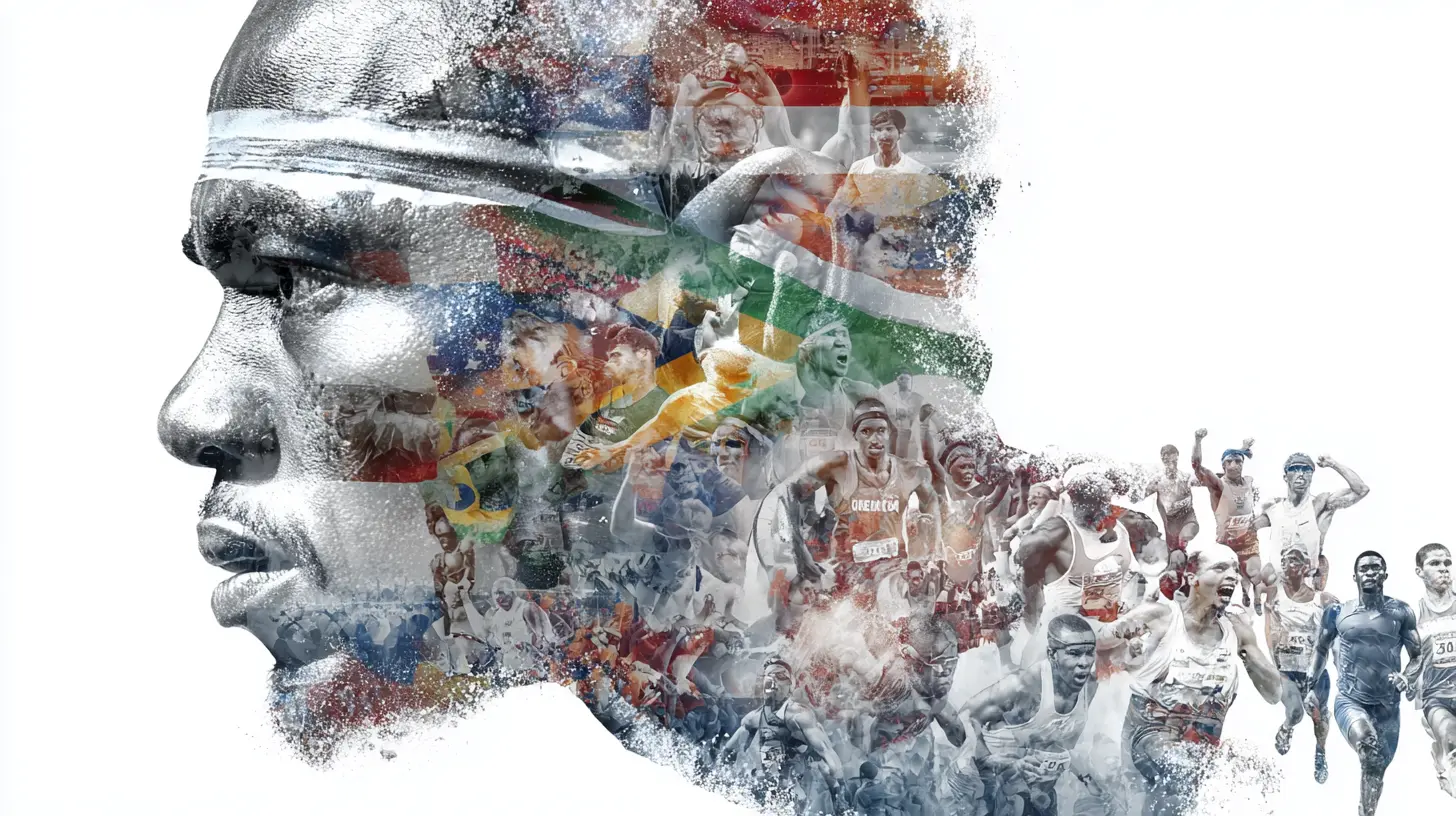
Historical Context: From Silence to Activism
The Legacy of Athlete Activism
It's crucial to recognize that athletes have historically played significant roles in political movements. Think back to the iconic Black Power salute at the 1968 Olympics by Tommie Smith and John Carlos. Their actions were not just a statement; they were a catalyst for change, sparking worldwide conversations about race and equality. Fast forward to today, and we see a renaissance of this activism.The Role of Sports in Society
Sports have always been intertwined with social issues. They serve as a microcosm of society, reflecting the challenges and triumphs of the human experience. Athletes are often in the limelight, and their actions can inspire movements or provoke resistance. By understanding this relationship, we can see why athletes are increasingly using their platforms to advocate for change.
The Digital Revolution: A New Age of Activism
Social Media as a Catalyst
In today’s digital age, social media is a double-edged sword. On one hand, it allows athletes to reach their audience directly and build a community around their causes. On the other, it opens them up to scrutiny and backlash. But the potential for change is undeniable. For instance, when Kaepernick knelt during the national anthem, it wasn’t just a personal protest; it ignited a nationwide movement that engaged millions.Viral Moments and Their Impact
Viral moments—those lightning-in-a-bottle instances that capture the public’s attention—have become pivotal in driving political activism. From viral videos of athletes speaking out against injustice to trending hashtags that bring awareness to critical issues, these moments can sway public opinion and even influence policy. In 2026, we can expect this trend to grow, as athletes become more adept at using digital platforms for advocacy.
Key Issues: Where Athletes are Making a Stand
Racial Justice and Equality
One of the most pressing issues athletes are advocating for is racial justice. The Black Lives Matter movement has seen overwhelming support from athletes across various sports. They’re not just using their voices; they’re making tangible contributions, whether through donations, organizing events, or participating in protests.Climate Change and Sustainability
The looming threat of climate change has also caught the attention of many athletes. With the 2026 FIFA World Cup on the horizon, athletes are beginning to use this global platform to speak about sustainability and environmental issues. They understand that their impact can extend beyond the game, influencing policies and encouraging fans to take action.Mental Health Awareness
Another critical area where athletes are making strides is mental health. The pressures of professional sports can be overwhelming, and many athletes are breaking the stigma associated with mental health issues. By sharing their struggles, they’re encouraging others to speak up and seek help, leading to a broader acceptance of mental health discussions in society.The Role of Organizations and Sponsorships
Collaborating for Change
Athletes are not alone in their advocacy; they’re often supported by organizations that share their values. Brands are recognizing that consumers want to engage with companies that stand for something. This has led to partnerships between athletes and social justice organizations, amplifying the message and broadening the reach.The Influence of Sponsorships
Sponsorships have an enormous impact on how athletes advocate for political issues. Companies are increasingly willing to align themselves with athletes who share their values, creating a powerful synergy. When an athlete with a strong following supports a cause, it can lead to significant financial backing and increased visibility for the movement.
Challenges and Backlash
The Risk of Alienation
While the growing influence of athletes in political movements is inspiring, it’s not without its challenges. Athletes risk alienating fans and sponsors who may not share their views. For instance, Kaepernick faced significant backlash for his protests, which ultimately impacted his career. However, many argue that the risk is worth it when considering the broader societal implications.Navigating Criticism
Criticism comes with the territory, and athletes must learn to navigate it with grace. Social media can be brutal, and negative feedback can be overwhelming. However, many athletes have found strength in their convictions, using criticism as fuel to continue their advocacy. This resilience is a vital part of the equation as we approach 2026.The Future: What Lies Ahead?
A New Generation of Activists
As we look toward 2026, it’s clear that a new generation of athletes is emerging—one that is more socially conscious and politically active. Younger athletes are coming into the spotlight, eager to use their platforms for change. Whether it’s through social media campaigns or grassroots activism, their commitment to social justice is inspiring.The Role of Education
Education will play a pivotal role in this shift. As athletes become more informed about social issues, they can articulate their positions more effectively. Initiatives that focus on educating athletes about social justice and political advocacy will be crucial in cultivating informed advocates.The Changing Landscape of Sports
We can expect the landscape of sports to evolve significantly in the coming years. As athletes continue to assert their influence in political movements, sports will become a space for dialogue and social progress. This evolution will not only change the way we view athletes but also how we engage with the broader societal issues at play.
Conclusion: The Unstoppable Force of Athlete Activism
The growing influence of athletes in political movements is a phenomenon that’s here to stay. As we approach 2026, their voices will only become stronger, driving conversations around social justice, equality, and reform. With their platforms, they are not just athletes; they are change-makers, advocates, and leaders. Whether we agree with them or not, one thing is clear: they are shaping the future of activism in sports, and the impact will reverberate far beyond the fields and arenas.Join the Conversation
What do you think about athletes getting involved in political movements? Is it inspiring, or do you believe they should focus solely on their sports? Let’s keep the conversation going in the comments below!all images in this post were generated using AI tools
Category:
Sports And PoliticsAuthor:

Frankie Bailey
Discussion
rate this article
2 comments
Mercy Curry
Athletes are no longer just playing for trophies. As voices of change, they are stepping into political arenas, proving that the game can extend far beyond the field. 2026 might just be the tipping point.
August 24, 2026 at 3:19 AM
Valeris McGivern
The intersection of sports and politics is more vital than ever. Athletes wield significant influence, using their platforms to drive change. As we approach 2026, expect more athletes to advocate for social issues, shaping public discourse and inspiring future generations to take a stand.
April 25, 2026 at 5:00 AM
Frankie Bailey
Absolutely, the power of athletes to spark change is undeniable. Their voices are crucial in addressing social issues, especially as we near 2026. It will be exciting to see how they continue to inspire the next generation.