The Future of Fan-Driven Content in Sports Broadcasting
20 March 2026
Sports broadcasting is evolving faster than ever, and one of the biggest game-changers? Fan-driven content. Traditional broadcasting methods are no longer the only way to consume sports. Today, passionate fans play a huge role in shaping the sports media landscape.
But what does this shift mean for the future of sports broadcasting? Will fan-driven content complement or replace traditional networks? Let’s dive into how this movement is shaking things up and what lies ahead.
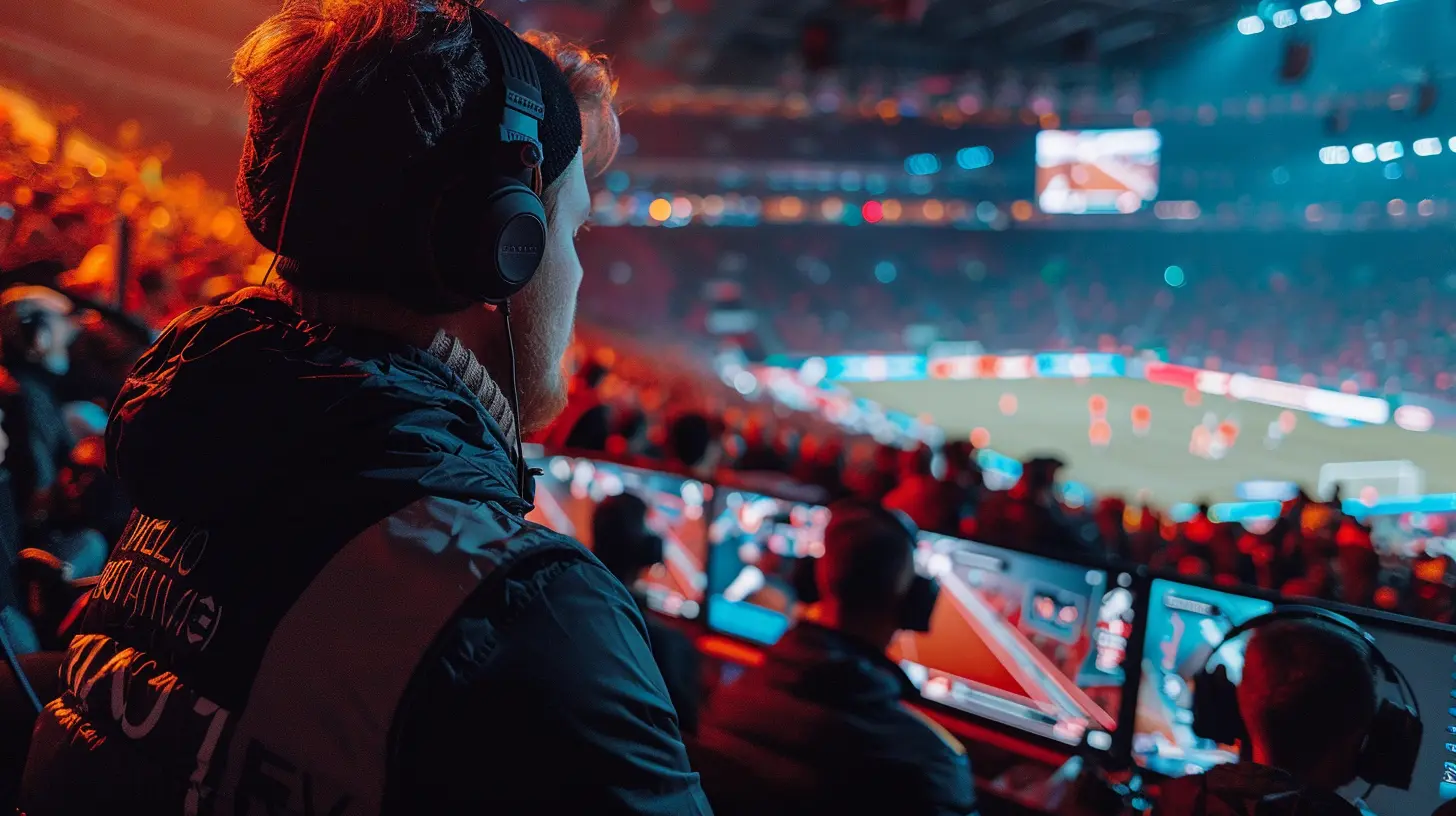
The Rise of Fan-Driven Content
Gone are the days when sports fans had to rely solely on major networks like ESPN, Sky Sports, or FOX Sports. Thanks to social media, streaming platforms, and digital communities, fans have taken matters into their own hands.Whether it's through YouTube breakdowns, Twitter live commentary, or TikTok highlights, fans are creating and curating content in ways that were unimaginable just a decade ago. And guess what? Audiences are loving it.
Why Fans Are Turning to Fan-Driven Content
Why is fan-generated content so popular? A few reasons:1. Authenticity: Fans trust other fans. Traditional broadcasts can sometimes feel scripted or biased, while fan-driven content feels raw and real.
2. Engagement: Interaction is at the heart of fan-driven content. Unlike traditional TV broadcasts, platforms like Twitter, Reddit, or Discord bring fans together in real-time discussions.
3. Customization: Instead of generic coverage, fans get specific content tailored to niche interests—whether it’s deep tactical analysis, humorous takes, or behind-the-scenes insights.

The Role of Social Media and Streaming Platforms
Social media isn’t just a place to check scores; it’s where the action happens. Twitter threads, Instagram reels, and YouTube analysis videos have become essential parts of sports consumption.Take TikTok and Instagram, for example. Quick, snappy highlights and meme-based commentary make following sports fun and accessible. Meanwhile, platforms like Twitch and YouTube give fans a space to live-stream their reactions, host discussions, and even simulate games.
This shift puts power in the hands of the fans, making them more influential than ever before.
Live Streaming: A Game Changer
Live streaming has transformed sports broadcasting in ways we never saw coming. Fans no longer have to wait for a recap—they can tune into platforms like Twitch or YouTube to watch real-time reactions and breakdowns.Some independent streamers even rival traditional broadcasters in terms of viewership. Why? Because they bring energy, passion, and unfiltered opinions that resonate with audiences.

How Traditional Broadcasters Are Responding
Are big sports networks worried? You bet they are. But instead of resisting change, many are adapting.Embracing Fan Engagement
Major broadcasters like ESPN and FOX Sports are incorporating fan-driven content into their coverage. From hosting fan Q&As to integrating social media reactions into broadcasts, they’re slowly recognizing the power of audience participation.Partnering with Content Creators
Rather than fighting against independent creators, some sports networks are teaming up with them. ESPN has invited YouTubers to collaborate on breakdowns, while Sky Sports has featured influencers in their analysis panels. It’s a smart move—after all, why compete when you can work together?Investing in Digital Innovation
To stay relevant, traditional broadcasters are stepping up their digital game. Many are launching their own subscription-based streaming services and interactive platforms to keep audiences engaged beyond just game broadcasts.
The Challenges of Fan-Driven Content
While fan-generated content is a massive win for engagement and diversity, it’s not without challenges.Accuracy and Credibility
With fan-driven content, the line between fact and opinion can sometimes blur. Misinformation spreads quickly, and without proper journalistic vetting, some narratives can be misleading.Copyright and Broadcasting Rights
One of the biggest headaches in fan-driven content is copyright issues. Leagues and broadcasters hold exclusive rights to game footage, meaning that many fan creators risk takedown notices or legal action for using certain clips.Monetization Struggles
While big content creators can turn their sports coverage into a career, many struggle to monetize their content effectively. With ad revenue, sponsorships, and crowdfunding as the main sources of income, financial stability can be uncertain.What Does the Future Look Like?
The future of fan-driven content in sports broadcasting is bright, but also unpredictable. Here’s what we can expect:More Interactive Experiences
Imagine fully immersive, real-time fan interactions during a live game. Augmented reality (AR) and virtual reality (VR) could allow fans to customize their viewing experience—switching between different commentary tracks, engaging in live polls, or even accessing player stats on demand.Decentralized Sports Coverage
Instead of a handful of giant networks owning sports coverage, the future could be a decentralized model. Think of it like a "YouTube of Sports," where fans can tune in to thousands of different commentators, analysts, and creators covering the game in their own unique way.Greater Collaboration Between Fans & Broadcasters
Rather than competing, traditional sports media and independent creators may work together more closely. Networks could integrate fan-driven content into mainstream broadcasts, feature fan analysts, and even allow fans to vote on discussion topics.New Monetization Models
To ensure sustainability, more fan-driven content creators will turn to subscription models, Patreon-like memberships, and direct partnerships with brands. Digital tipping during live streams and exclusive behind-the-scenes content could become the norm.
Final Thoughts
Fan-driven content is no longer just a side dish—it’s becoming the main course in sports broadcasting. Whether you're watching a game through a traditional network or following a fan-run YouTube channel, the way we consume sports is more dynamic and interactive than ever.As technology advances and audience preferences continue to shift, one thing is certain: fans aren’t just spectators anymore. They’re broadcasters, analysts, and storytellers shaping the future of sports media.
So, will fan-driven content take over completely? Maybe not. But one thing’s for sure—it’s here to stay, and it’s only getting bigger.
all images in this post were generated using AI tools
Category:
Sports BroadcastingAuthor:

Frankie Bailey
Discussion
rate this article
2 comments
Storm Wagner
I love the idea of fan-driven content in sports! It's exciting to think about how passionate supporters can shape broadcasts. This approach will make sports more interactive and personal, bringing fans closer to the action than ever before. Can't wait!
May 4, 2026 at 1:04 PM
Frankie Bailey
Thanks for your enthusiasm! Fan-driven content really does have the potential to transform how we experience sports. Exciting times ahead!
Zevan McDonald
What a timely and insightful piece! The rise of fan-driven content is revolutionizing sports broadcasting, creating a dynamic and engaging experience for all. It's exciting to see how fans can play a pivotal role in shaping narratives and bringing their passion into the broadcasting realm. Great read!
March 24, 2026 at 5:31 AM
Frankie Bailey
Thank you for your kind words! I'm thrilled you found the piece insightful—it's an exciting time for fans to shape sports narratives!