The Best Running Apps to Track Your Progress in 2027
11 October 2026
Running has always been simple. You lace up, you head out, you come back. What changed over the past decade is everything that happens around those three steps. The watch on your wrist, the phone in your armband, the pod in your shoe, and the app that ties it all together now shape how you train, recover, and judge yourself. By 2027, that ecosystem has matured to the point where the app you choose matters almost as much as the shoes you wear.
This guide is not a list of download links. It is a working framework for choosing the right running app for your specific goals, your hardware, and your tolerance for data. I have spent years testing these platforms across road, trail, and track, and I have watched plenty of runners sabotage their own progress by picking the wrong tool or misreading the numbers it produces.
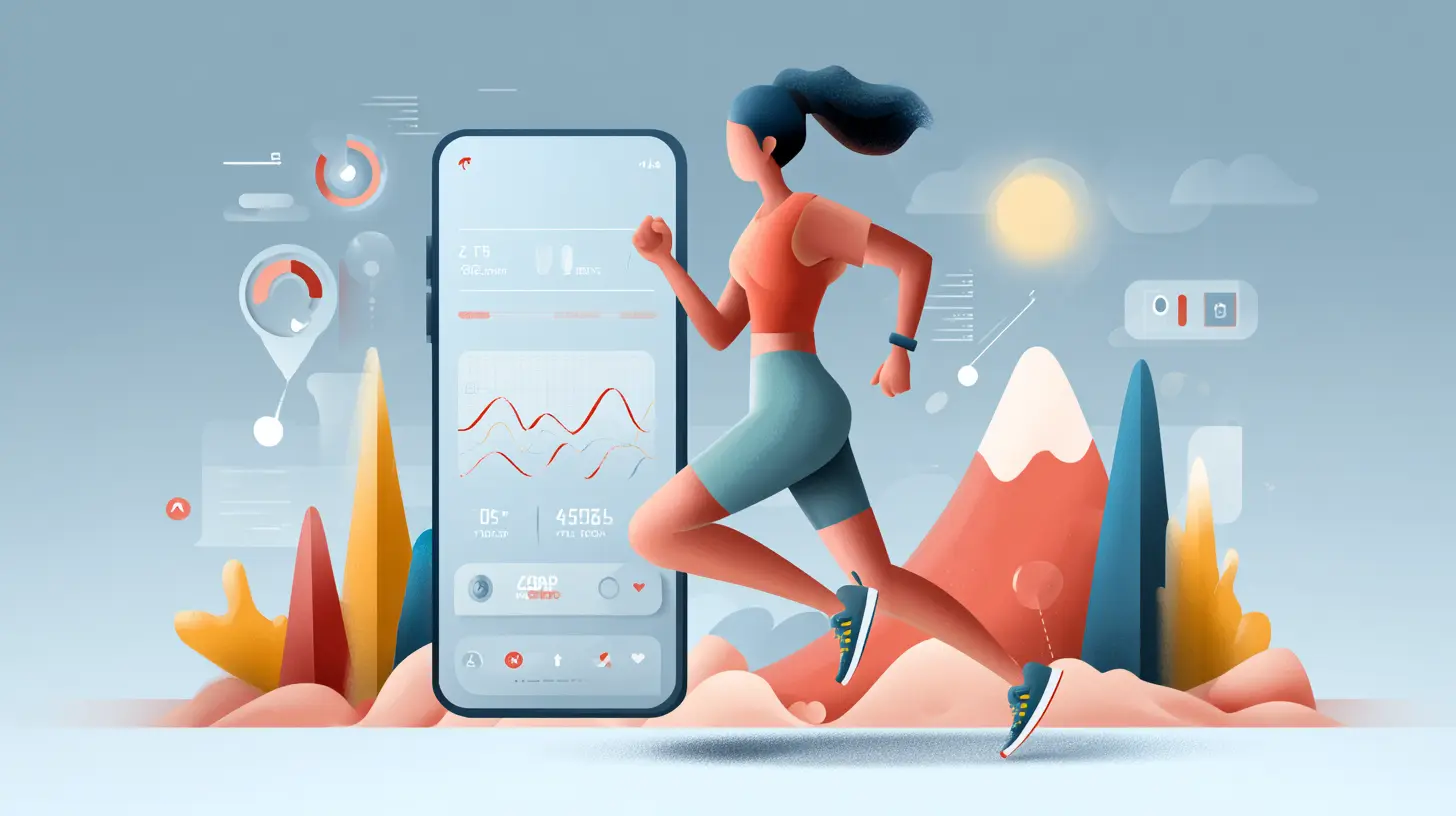
Why the App You Choose Matters More Than Ever
A running app does three jobs. It records what you did, it interprets what that means, and it tells you what to do next. Most apps are excellent at the first job. Fewer are good at the second. Almost none are genuinely reliable at the third, and that is the trap.The recording layer is essentially solved. GPS accuracy on modern phones and watches is good enough that two apps will usually agree within a percent or two on distance for the same run. If your only goal is to log miles and see a map, any major app will do, and switching between them gains you nothing.
The interpretation layer is where apps diverge. Heart rate zones, pace trends, training load, recovery scores, and race predictions all depend on how a platform models human physiology. Some models are transparent and adjustable. Others are black boxes that produce confident numbers from thin evidence. A recovery score of 42 percent sounds precise. It may be based on a single night of sleep data and a resting heart rate reading taken while you were half awake.
The prescription layer is the most dangerous. Apps that generate daily workouts can be genuinely useful for beginners who need structure. They can also push experienced runners into overtraining because the algorithm does not know you slept badly, your hamstring has been tight for a week, or you have a stressful job. Treat any auto-generated plan as a suggestion from a reasonably informed stranger, not as medical or coaching advice.

How to Judge a Running App Before You Commit
Before you read a single recommendation, decide what you actually need. The best app for a marathoner chasing a personal best is often the wrong app for someone returning from injury or a casual runner who wants motivation more than metrics.Ask yourself these questions:
- What device will I carry? A phone-only runner has different options than someone with a GPS watch from a major brand.
- Do I want a training plan, or do I want a log? These are different products that sometimes live in the same app.
- How much data do I want to see? More metrics are not automatically better. They are only better if you understand them and act on them.
- Do I care about the social layer? Some runners thrive on leaderboards and clubs. Others find them corrosive.
- What happens to my data if I leave? Export options matter more than most people realize until they switch platforms and lose five years of history.
A useful rule: pick the app that fits the device you already own, then let the software earn your loyalty. Buying new hardware to access an app is almost always the wrong order of operations.
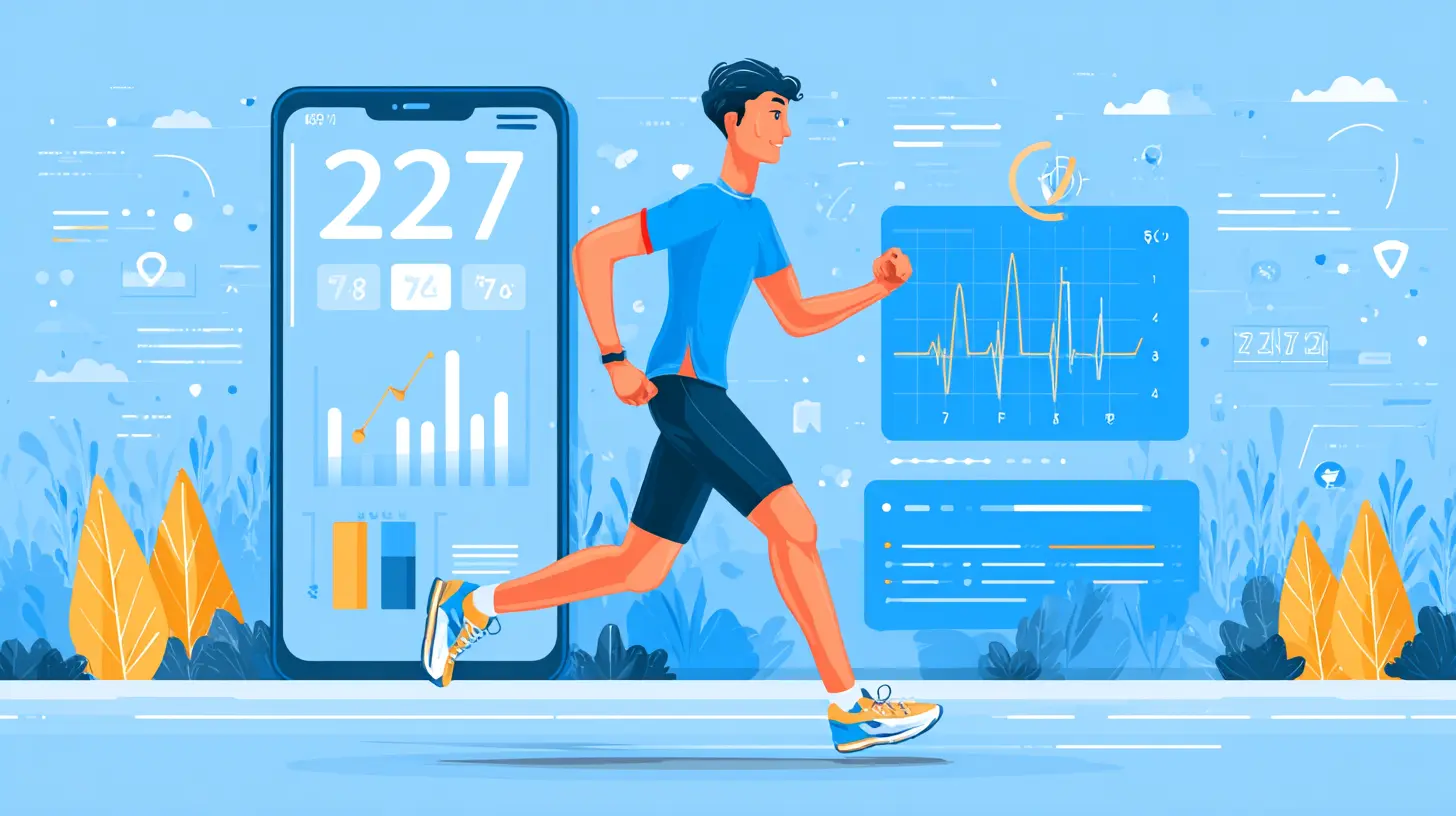
The Main Categories of Running Apps in 2027
It helps to sort the field into four buckets, because comparing across buckets is apples to oranges.1. Ecosystem Apps Tied to Hardware
These are the apps made by watch and wearable manufacturers. Their advantage is deep integration. Heart rate, GPS, sleep, and recovery data flow into one place without syncing gymnastics. Their disadvantage is that they lock you into a hardware family and their coaching features often lag behind dedicated training platforms.2. Dedicated Training Platforms
These apps focus on structured plans, adaptive coaching, and physiological modeling. They usually work with many devices and import data from wherever you record it. They tend to have the strongest training science and the weakest social features.3. Social and Motivational Apps
These are built around community, challenges, and friendly competition. They are excellent for consistency and accountability. They are poor at periodization and usually reduce training to volume and pace, which can encourage the wrong behavior.4. All-in-One Trackers
These try to do everything: record, analyze, coach, and connect. They are convenient and rarely best in class at any single job. For many runners, convenience wins, and that is a legitimate choice.
What Good Progress Tracking Actually Looks Like
Most runners track too much of the wrong thing. Distance and pace are easy to measure and easy to obsess over. They are also the noisiest signals in running, because they swing wildly with weather, terrain, sleep, and stress.If you want to track progress honestly, focus on these four pillars:
Consistency. How many weeks in the last twelve did you run at least three times? This single number predicts improvement better than any pace chart.
Aerobic trend. Is your heart rate at a given easy pace drifting down over months? This is the clearest sign that your base is improving. It requires patience because the change is slow.
Training load balance. Are you increasing volume and intensity gradually, or spiking? Most injuries come from spikes, not from total mileage.
Performance markers. A time trial, a race, or a repeatable hard workout tells you more about fitness than any daily metric.
Any app worth your time should make these four things visible without forcing you to export data into a spreadsheet. If it buries them under gamified badges, it is optimizing for engagement, not for your progress.
Real-World Example: Two Runners, Two Different Needs
Consider two runners I have worked with.Runner A is training for her first half marathon. She runs four days a week, owns a mid-range GPS watch, and has no idea what pace she should run on easy days. For her, an app with a structured plan, clear zone guidance, and gentle reminders is transformative. She does not need advanced physiological modeling. She needs someone to tell her to slow down.
Runner B has run for fifteen years and races twice a year. He knows his easy pace by feel. What he lacks is an objective view of whether his training is balanced across intensity zones and whether his recovery is keeping up. For him, a platform with strong analytics and customizable zones matters far more than a plan.
Same sport, opposite requirements. This is why any honest recommendation must start with the runner, not the app.
Common Mistakes Runners Make With Tracking Apps
These mistakes show up again and again, and they cost people progress.Chasing the recovery score. Recovery metrics are directional, not diagnostic. A low score on a day you feel fine is not a reason to skip a run. A high score on a day you feel terrible is not permission to hammer. Your body's signals outrank the algorithm.
Trusting calorie estimates. Almost every app overestimates calories burned during running, often by a wide margin. If you are tracking intake against output, this error compounds daily.
Comparing pace across different routes. A hilly trail run and a flat tempo run are not comparable, no matter what the pace number says. Use grade-adjusted pace if your app offers it, and understand its limits.
Ignoring the warm-up and cool-down. Many apps start recording at full effort and stop the moment you finish. The easy jogging around your workout is real training volume that often goes uncounted.
Letting a plan override your life. If the app says intervals and you have a fever, the app is wrong. No algorithm has context.
Switching apps every few months. Progress tracking requires history. If you migrate constantly, you never build a baseline, and every platform's insights stay shallow.
Best Practices for Getting Real Value From Any App
You do not need the most feature-rich app. You need a consistent workflow.Record everything in one place. Pick one app as your source of truth and let everything else sync into it. Fragmented data produces fragmented insight.
Set your zones properly. Default heart rate zones based on age formulas are rough. If you have a measured max heart rate or lactate threshold, enter it. If you do not, use a field test or a recent race to estimate. Wrong zones make every downstream metric misleading.
Review weekly, not daily. Daily data is noise. A weekly review of volume, intensity distribution, and how you felt is where patterns emerge.
Tag your runs. Shoes, surface, weather, and how you felt. Six months later, these tags explain performance changes that raw numbers cannot.
Export your data periodically. Even if you never leave, a local backup protects years of history.
Use the social layer deliberately. Join a club if it keeps you accountable. Mute the leaderboard if it makes you run your easy days too fast.
Where the Industry Is Heading in 2027
Several trends are reshaping running apps right now, and they affect what you should expect from your next download.On-device processing. More analysis happens on the watch or phone rather than in the cloud. This means faster feedback and better privacy, but it also means your insights depend on the hardware you own.
Readiness and recovery as first-class features. Nearly every major platform now offers some form of daily readiness score. The science behind these scores varies widely. Some use heart rate variability, resting heart rate, sleep, and training history. Others use a subset. The scores are useful for spotting trends over weeks. They are unreliable as day-to-day commands.
Adaptive plans that respond to missed workouts. Earlier training plans were static. If you skipped Tuesday, the plan did not care. Newer platforms reshuffle the week based on what you actually did. This is genuinely helpful for real life, but it also means the plan's logic must be sound. A bad adaptive engine can pile intensity on top of fatigue.
Deeper integration with strength and mobility. Runners are finally accepting that lifting and mobility work matter. Apps that track those sessions alongside runs give a more complete picture of load.
Privacy as a differentiator. Runners are increasingly aware that their location and health data are valuable. Apps with clear data policies and easy export are earning trust that others are losing.
How to Choose Without Regret
Here is a practical decision path.If you own a GPS watch from a major brand and want the simplest experience, start with that brand's app. You already paid for the integration. Use it for a full training cycle before deciding you need something more.
If you want structured coaching and are willing to pay a subscription, choose a dedicated training platform that supports your device. Prioritize one with adjustable zones, transparent methodology, and a plan that matches your race distance.
If motivation is your main problem, choose a social app and use it honestly. Do not pretend it is a coaching tool.
If you are data-curious and technically comfortable, an all-in-one tracker with strong export options gives you room to grow.
Whichever you pick, commit for at least six months. The value of any tracking app comes from the history you build, not from the features you browse on day one.
The Bottom Line
The best running app in 2027 is not the one with the longest feature list. It is the one that fits your device, matches your goals, and gives you honest feedback you will actually use. Recording is a commodity. Interpretation is where apps earn their keep. Prescription is where you should stay skeptical.Track consistency, watch your aerobic trend, respect your body's signals over any score, and review your data weekly instead of obsessing daily. Do that, and almost any competent app will help you improve. Skip it, and even the most advanced platform will just be an expensive diary.
all images in this post were generated using AI tools
Category:
RunningAuthor:

Frankie Bailey