Sportsmanship Moments That Inspired in 2026
4 October 2026
The year 2026 gave sports fans far more than highlight-reel dunks, buzzer-beaters, and photo finishes. It delivered something harder to quantify but impossible to forget: moments when athletes, coaches, and crowds chose character over advantage. Sportsmanship, after all, is not a ceremonial handshake or a slogan painted on a locker room wall. It is a decision made under pressure, often when nobody would blame an athlete for doing the opposite.
That distinction matters. Anyone can be gracious after a comfortable win. The real test arrives in the seconds after a controversial call, a crushing loss, or a moment when an opponent is vulnerable and the cameras are rolling. In 2026, several competitors passed that test in ways that resonated far beyond their own sports. This article examines what made those moments meaningful, why they carry weight in an era of relentless scrutiny, and how the rest of us can apply the same principles in our own competitive environments.
Why Sportsmanship Still Matters in 2026
Modern sport operates inside a pressure cooker unlike anything previous generations experienced. Every gesture is clipped, captioned, and reposted within minutes. Gambling markets react in real time. Fanbases argue in comment sections before the stadium lights have cooled. In that environment, restraint is expensive and graciousness is risky. An athlete who consoles an opponent might be mocked by a segment of their own supporters.So why do these moments still land so hard?
Because they satisfy a need that statistics cannot. Fans understand, on some instinctive level, that sport is a controlled simulation of conflict. We watch to see people pushed to their limits. When a competitor chooses decency inside that pressure, it reassures us that the pursuit of victory has boundaries. That reassurance is not sentimental. It is structural. Without it, sport becomes theater with no moral center, and audiences eventually drift away.
There is also a practical dimension. Sportsmanship protects the integrity of competition itself. If athletes believe officials are corrupt, opponents are cheating, and rules apply selectively, the contest loses meaning. Every act of honest self-regulation, whether it is a player admitting a ball touched their hand or a coach declining to exploit a loophole, reinforces the idea that the game is worth playing.
What Counts as a Genuine Sportsmanship Moment
Not every nice gesture qualifies. A polite interview after a win is basic professionalism. A social media tribute posted by a publicist is branding. Genuine sportsmanship tends to share a few characteristics:- It costs the person something, whether a competitive edge, pride, or public approval.
- It happens in the moment or close to it, not days later after a crisis meeting.
- It benefits someone who cannot reciprocate immediately.
- It is specific rather than generic. The person acknowledges what actually happened.
Keep that framework in mind. It separates authentic moments from manufactured ones, and it explains why the examples below struck such a chord.
Moments That Defined the Year
Correcting the Record Against Yourself
One of the most durable forms of sportsmanship is the voluntary correction. An athlete knows an official made a call in their favor, and they say so. In 2026, this pattern appeared across multiple sports, and its power never faded.Why does it work so well? Because it removes ambiguity. There is no interpretation, no spin, no excuse. The athlete simply states the truth at their own expense. Opponents respect it. Officials remember it. Fans, even rival fans, tend to quiet down.
The trade-off is real, though. In professional sport, careers hinge on margins. A player who gives back a point, a possession, or a penalty advantage may cost their team a championship. That is why this gesture should never be demanded of athletes as an obligation. It is admirable precisely because it is optional. Coaches and leagues can encourage honesty, but they cannot mandate it without turning integrity into theater.
Consoling an Opponent Before Celebrating
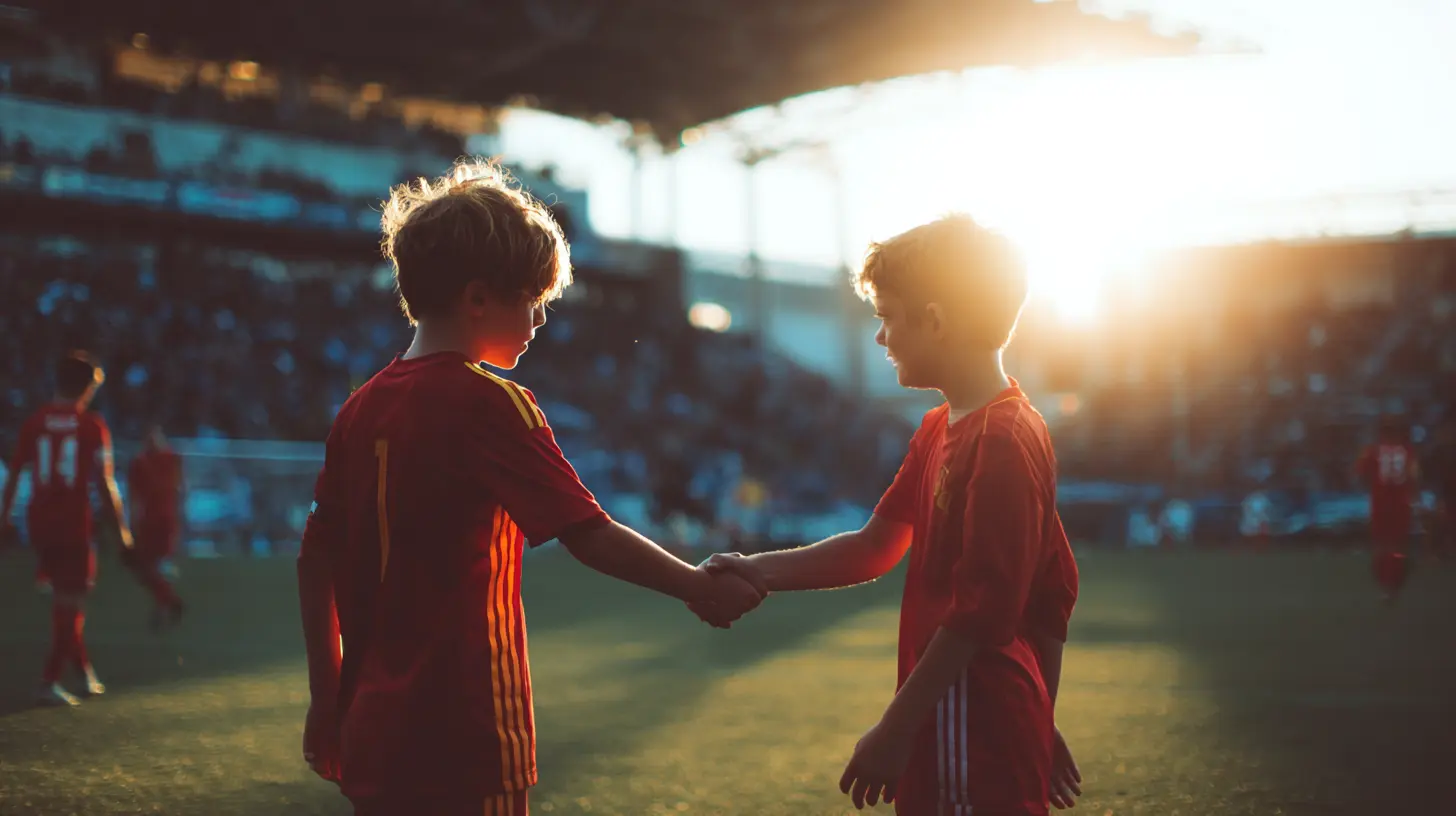
The instinct after a major win is to celebrate. Teammates converge, crowds erupt, and the moment belongs to the victors. When an athlete instead seeks out a defeated opponent first, the gesture stands out because it inverts the natural order of emotion.This kind of moment raises an important question: does it actually help the loser? Sometimes, yes. A quiet word or a hand on the shoulder can interrupt a spiral of self-criticism. Other times, the defeated athlete wants space, and an approach can feel performative. Experienced competitors often read the situation before acting. They look for eye contact, they keep it brief, and they avoid making the moment about themselves.
That nuance is what separates authentic consolation from a photo opportunity. The best version is short, private in tone even when public in setting, and focused entirely on the other person.
Crowds Choosing Grace
Sportsmanship is not limited to athletes. In 2026, several stadium and arena crowds responded to difficult circumstances with restraint and generosity. Standing ovations for injured opponents, applause for visiting teams after hard-fought losses, and silence where jeers would have been expected.Crowd behavior matters more than people realize. Players feed on audience energy, and hostile environments can escalate aggression. When a crowd chooses respect, it lowers the temperature for everyone, including officials who are already under enormous pressure.
There is a caveat. Crowd grace is fragile and easily manipulated. Leagues that stage emotional tributes for commercial purposes risk turning genuine sentiment into a product. The most meaningful crowd moments tend to be unscripted, arising from a shared recognition that someone handled a difficult situation well.
Coaches Putting Player Welfare First
Some of the year's most instructive moments happened on the sideline rather than the field. Coaches who pulled star players from games when continuing carried health risks. Coaches who publicly defended opposing players against unfair criticism. Coaches who accepted a loss without blaming officials.This is where sportsmanship intersects with leadership. A coach sets the emotional tone for an entire organization. When a coach models accountability, players absorb it. When a coach scapegoats referees, players learn that excuses are acceptable.
The tension here is obvious. Coaches are judged on results, and the pressure to win can push even principled people toward shortcuts. That is why institutional support matters. Teams that evaluate coaches on development and culture, not just trophies, make it easier for those coaches to act with integrity.
Why These Moments Travel So Far
A single act of sportsmanship can influence millions of people who never meet the athlete involved. That reach comes from a few psychological mechanisms.First, contrast. In a media landscape saturated with outrage, a moment of decency stands out sharply. It interrupts the expected narrative.
Second, relatability. Most fans will never play in a professional final, but everyone faces situations where honesty costs them something. The athlete's choice becomes a template.
Third, identity. Fans want to believe their sport, their team, and their community stand for something. Sportsmanship moments confirm that belief or, when they are absent, expose its fragility.
Understanding these mechanisms helps explain why leagues invest in sportsmanship awards and youth programs. It also explains why those programs sometimes backfire. When recognition becomes the goal, the behavior becomes transactional, and audiences can smell it.
Common Misconceptions About Sportsmanship
Several myths persist, and they deserve direct correction.Myth one: Sportsmanship means being nice all the time. It does not. Competitors can be fierce, physical, and intense while still respecting rules and opponents. Trash talk and hard fouls are not automatically unsportsmanlike. Deliberately injuring someone or lying to officials is.
Myth two: Sportsmanship and winning are opposites. In reality, teams with strong internal discipline often perform better under pressure. They waste less energy on disputes and maintain focus longer.
Myth three: Only losers need to show grace. Winners face the harder test in some ways, because victory invites arrogance and selective memory.
Myth four: Sportsmanship is a youth concept that professionals outgrow. The 2026 moments demonstrate the opposite. The stakes are higher at the professional level, which makes the behavior more meaningful, not less.
How to Build Sportsmanship Into a Team Culture
If you coach, parent, or manage athletes, these principles translate into specific practices.Model It From the Top
Players copy what they see. If a coach argues every call and blames officials in postgame interviews, no amount of lecturing will produce respectful players. Consistency matters more than speeches.Define It Concretely
"Be a good sport" is too vague to act on. Instead, specify behaviors. Shake hands before leaving the field. Thank officials. Check on an injured opponent. Admit when you fouled. Concrete expectations are easier to meet and easier to hold people accountable for.Separate Competition From Character
Make it clear that wanting to win is not a character flaw. The goal is to compete fully within the rules and accept outcomes without excuses. Athletes who feel guilty for being competitive often struggle to commit, which helps nobody.Reward the Right Things
Praise the player who corrects a call, even if it costs the team. Recognize the athlete who helps an opponent up. Public recognition within a team reinforces shared values more effectively than any rulebook.Debrief Honestly
After a heated game, ask simple questions. Did we treat opponents and officials with respect? Did we handle adversity well? What would we do differently? Reflection turns isolated incidents into lasting habits.When Sportsmanship Gets Complicated
Honesty requires acknowledging that these situations are not always clean.Consider the athlete who plays through pain because their team needs them. Is that courage or poor judgment? The answer depends on medical advice, the athlete's long-term goals, and the culture around them. Sportsmanship does not require self-destruction.
Consider the competitor who declines to exploit a technicality that would have won them the match. Some fans will call that noble. Others will call it a failure to do everything possible for their team. Both views have merit. The athlete has to weigh personal values against obligations to teammates and employers.
Consider cultural differences. In some sporting traditions, emotional restraint is the highest form of respect. In others, visible passion and physical contact are expected. Behavior that reads as cold in one context may read as appropriate in another. Judging sportsmanship across cultures requires humility.
These complications do not weaken the concept. They clarify it. Sportsmanship is not a fixed script. It is a set of values applied thoughtfully to messy situations.
What Fans and Parents Can Take From 2026
The lessons extend well beyond elite sport.For parents, the most powerful teaching tool is attention. Notice when your child shows restraint or honesty, and name it specifically. Avoid turning every game into a lecture about character. Kids absorb values through patterns, not sermons.
For fans, the invitation is to reward the right behavior. Cheer for the opponent who helps a fallen player. Refuse to pile on officials who make honest mistakes. Push back, gently, when fellow supporters cross lines. Culture is not created by leagues alone. It is created by crowds.
For athletes at any level, the message is simpler. Your career will be defined by more than your statistics. The people who shared the field with you will remember how you treated them long after the final score fades.
Looking Ahead
If 2026 taught us anything, it is that sportsmanship is not a relic of a gentler era. It is a living practice, renewed every time someone chooses integrity under pressure. Those choices will never dominate headlines the way records and rivalries do. But they shape the environment in which every other achievement becomes possible.The most inspiring moments of the year were not the loudest ones. They were the quiet decisions, made in seconds, that reminded everyone watching why sport deserves our attention in the first place. Carry that standard forward. Compete hard. Win with humility. Lose with dignity. And when the moment comes, as it always does, choose the harder right over the easier wrong.
all images in this post were generated using AI tools
Category:
Season RecapsAuthor:

Frankie Bailey