Sports Broadcasting in the Age of Cord-Cutting
30 October 2026
Gone are the days when cable TV was the undisputed king of sports broadcasting. The digital revolution has changed the game, and now, fans have more options than ever before. With an increasing number of viewers saying goodbye to traditional cable subscriptions, sports networks and streaming platforms are scrambling to adapt.
But what does this mean for sports fans? Is streaming really the future of sports broadcasting? And how are major leagues and networks adjusting to this seismic shift? Let’s break it down.

The Rise of Cord-Cutting in Sports Broadcasting
Cord-cutting isn’t just a trend—it’s a movement. Millions of households are ditching expensive cable bundles in favor of more flexible, cost-effective streaming options. According to recent studies, the number of cable subscribers has been steadily declining, while streaming services are seeing record growth.So, what’s driving this shift?
1. Cost Savings: Cable subscriptions often come with bloated channel lineups and hefty price tags. Streaming services offer cheaper, customizable alternatives.
2. Flexibility: Fans can watch their favorite sports anytime, anywhere, without being tied to a cable box.
3. Better User Experience: Smart TVs, mobile apps, and on-demand replays make streaming a more convenient option.
As a result, traditional networks are facing pressure to reinvent themselves or risk becoming obsolete.
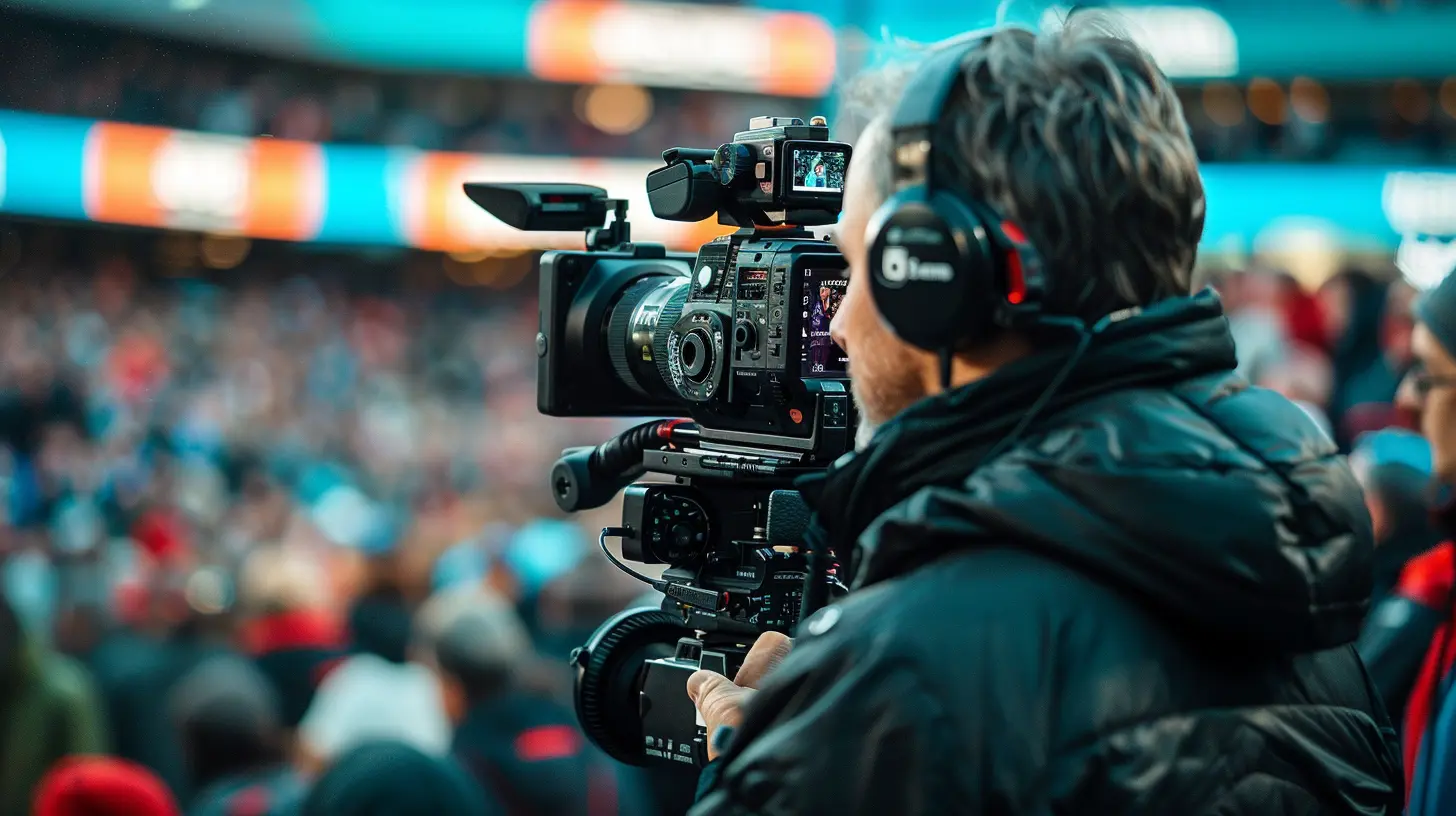
The Streaming Revolution: Game-Changer or Growing Pain?
While streaming services offer freedom and affordability, they come with their own set of challenges.Pros of Streaming Sports
✅ More Viewing Options: Big players like ESPN+, DAZN, and Peacock offer extensive sports coverage, from the NFL to niche sports like MMA and Formula 1.✅ No Long-Term Contracts: Say goodbye to those nightmare cable contracts. With streaming, you can subscribe and cancel anytime.
✅ Enhanced Viewing Experience: Features like multi-angle replays, live stats, and customizable alerts turn watching sports into an interactive experience.
Cons of Streaming Sports
❌ Fragmented Content: Unlike cable, where all your favorite sports were in one place, you now have to juggle multiple subscriptions to catch every game.❌ Streaming Delays: Ever checked Twitter and seen a game-winning goal before it actually happened on your stream? Streaming can be a few seconds behind live TV.
❌ Regional Blackouts: Some leagues have broadcasting restrictions, making it tough to stream certain games depending on your location.
Clearly, while the streaming era offers more choices, it also presents a few headaches along the way.
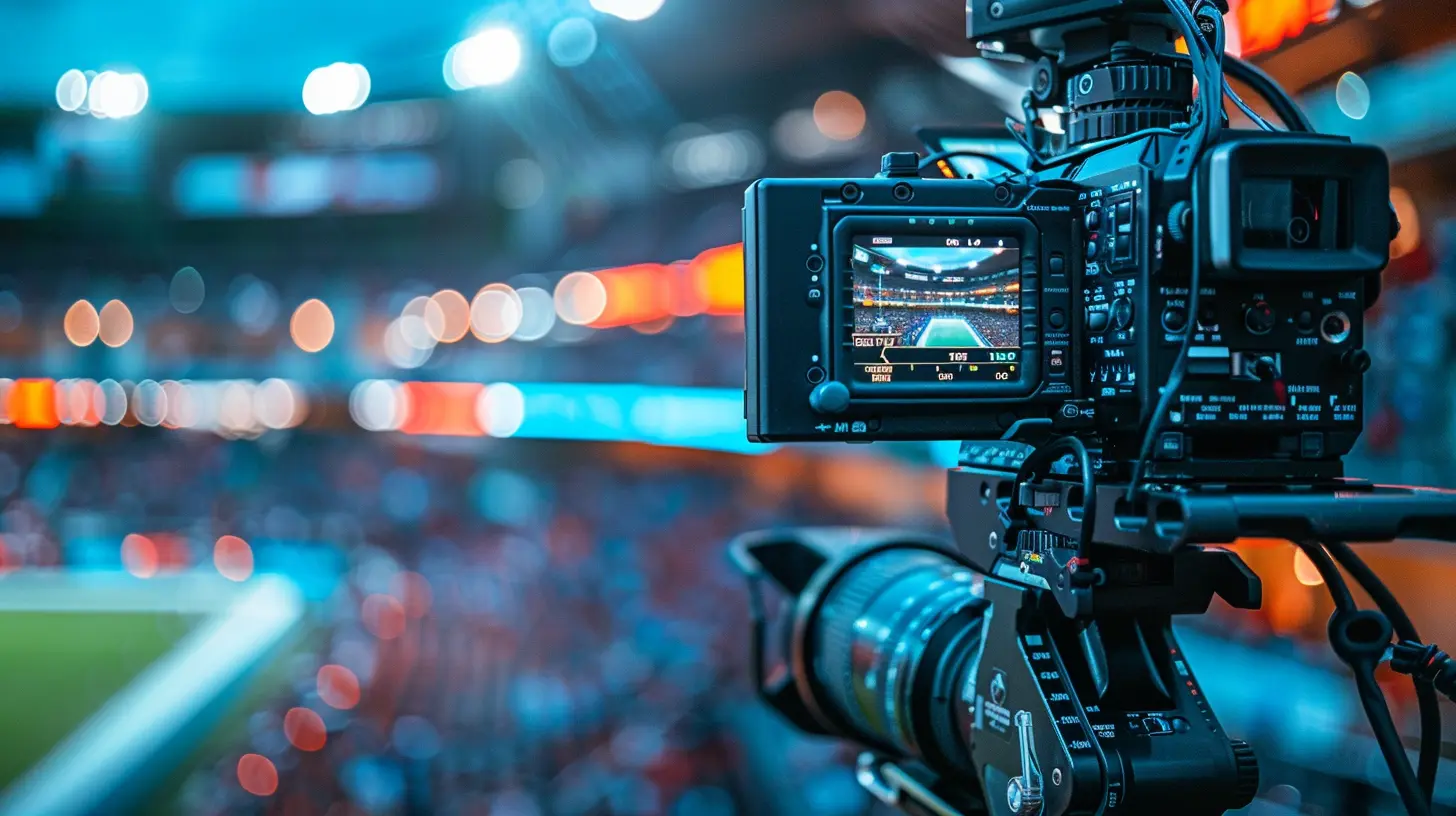
The Battle for Sports Streaming Dominance
With the rise of cord-cutting, the competition for sports streaming supremacy is heating up. Major players are vying for market share, and here’s a look at the main contenders:1. ESPN+ – The Go-To for Die-Hard Sports Fans
ESPN+ has positioned itself as the streaming giant for fans who want more than just the mainstream leagues. It offers exclusive UFC fights, MLS, international soccer, and even niche sports like lacrosse and wrestling.2. DAZN – The Netflix of Sports
DAZN has made a name for itself by focusing on combat sports, including boxing and MMA. With its monthly subscription model, it eliminates the need for expensive pay-per-view events.3. Peacock & Paramount+ – The Dark Horses
NBC’s Peacock and CBS’s Paramount+ have invested heavily in sports, offering live games from the Premier League, NFL, and college sports.4. Amazon Prime & Apple TV+ – Tech Giants Enter the Arena
Amazon Prime has already secured major sports rights, including Thursday Night Football. Apple TV+ is dipping into the market with exclusive deals, like their partnership with Major League Baseball (MLB).5. YouTube TV & Hulu + Live TV – The Hybrid Solution
For cord-cutters who still crave the cable experience, YouTube TV and Hulu + Live TV offer live sports channels without the need for a traditional cable subscription.The contenders are many, but the battle is far from settled.

The Impact on Major Sports Leagues
Sports leagues are well aware of the shifting landscape, and they’re adapting fast.- NFL: The league has embraced streaming deals with Amazon Prime for Thursday Night Football and a renewed focus on digital platforms like NFL+, offering mobile streaming options.
- NBA: With its League Pass, fans can now watch games live or on-demand without needing a cable subscription.
- MLB & NHL: Both leagues have struck deals with streaming services to cater to the growing number of cord-cutters.
Instead of fighting the inevitable, major leagues are using streaming to their advantage, ensuring that fans stay connected to the action.
The Future of Sports Broadcasting
So, what’s next in the world of sports broadcasting? Here’s what we can expect:1. More Direct-to-Consumer Sports Services
Leagues may bypass traditional networks altogether and offer their games directly to fans. Think of the NFL, NBA, or MLB launching their own exclusive streaming platforms.2. AI & Personalized Viewing Experiences
Imagine watching a game where you can switch between different commentators, customize camera angles, or get real-time analytics tailored to you. AI will make sports viewing more immersive than ever.3. The Rise of Virtual Reality (VR) Sports Viewing
Watching a game on your TV is great, but what if you could experience it courtside from your living room? VR technology is set to revolutionize how fans engage with sports.4. Consolidation of Streaming Services
With so many streaming platforms, fans are feeling the fatigue of managing multiple subscriptions. Expect mergers and partnerships that bundle sports content into fewer services.5. The End of Blackouts and Regional Restrictions?
As leagues prioritize global reach, we may see an end to frustrating blackouts, allowing fans worldwide to watch without restrictions.
Final Thoughts
Sports broadcasting is at a crossroads. Cord-cutting has disrupted the traditional model, forcing networks and leagues to rethink how they deliver content. While streaming offers greater accessibility, it also comes with its own set of challenges.For fans, this new era is both exciting and overwhelming. The convenience of streaming is a game-changer, but the fragmentation of content means juggling multiple subscriptions. The key moving forward? Innovation, consolidation, and a focus on fan experience.
One thing is certain—sports broadcasting will never be the same again.
all images in this post were generated using AI tools
Category:
Sports BroadcastingAuthor:

Frankie Bailey