Set-Piece Strategy: How Corners and Free-Kicks Decided the Match
16 February 2026
Let’s be real—when we think about football, our minds usually jump straight to those heart-racing dribbles, lightning-fast counterattacks, or stunning volleys from outside the box. But here’s the truth most folks overlook: set-pieces—yep, those corner kicks and free-kicks—can be absolute game-changers.
They’re like the ninja moves of the beautiful game. Quiet, strategic, and deadly effective when done right.
In this article, we’re diving deep into the nitty-gritty of set-piece strategy. We’re going to unpack how corners and free-kicks have quietly decided some of the biggest matches in football history, and how teams are now turning these moments into tactical gold. So grab your boots (or your popcorn), and let’s get into it.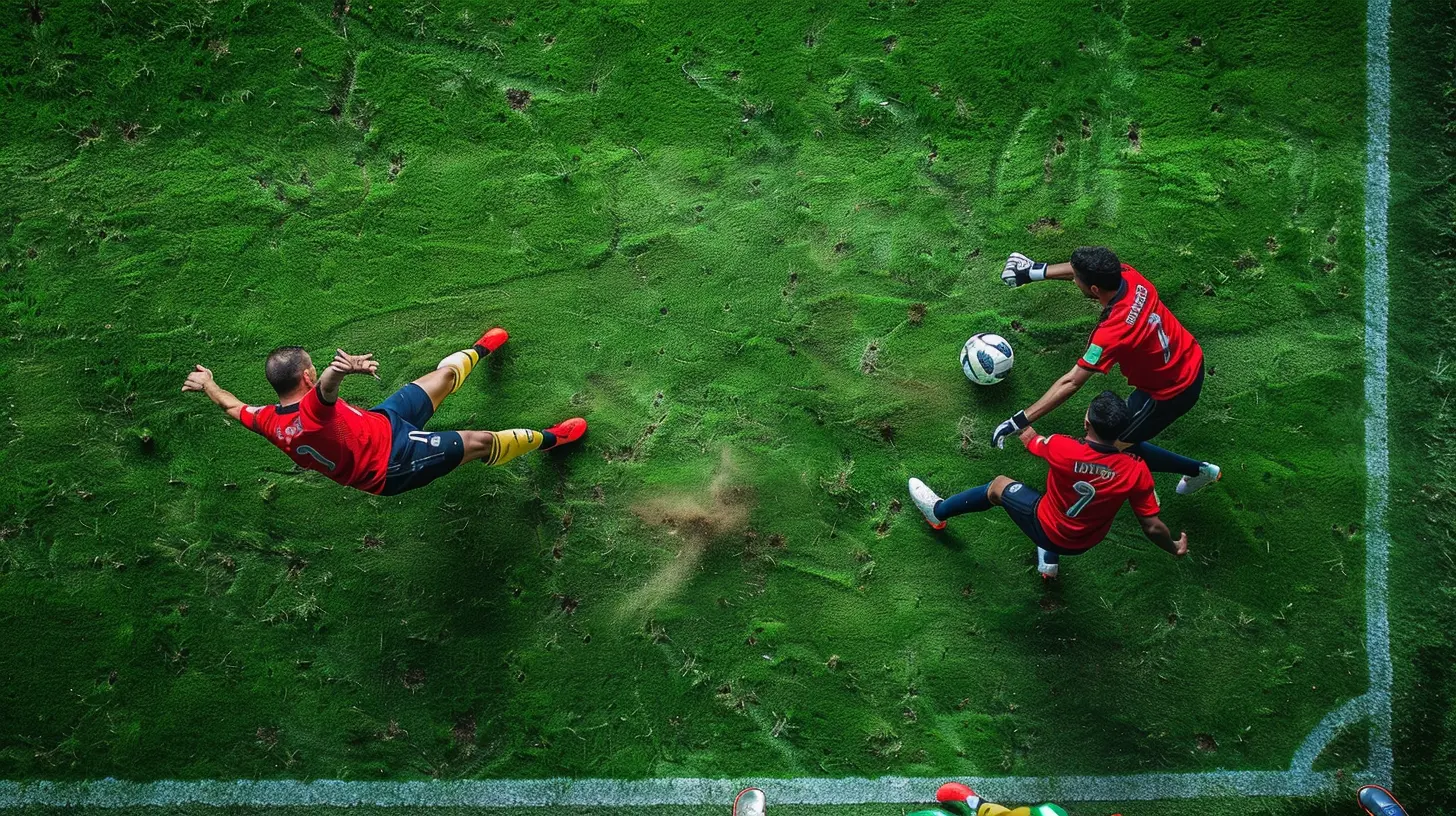
What Are Set-Pieces, Anyway?
Just to keep us all on the same page: set-pieces are those moments when the game restarts after the ball has gone out or a foul has been committed. Mostly, we’re talking about:- Corner kicks
- Free-kicks (both direct and indirect)
- Throw-ins (less often, but still tactical weapons)
They give teams a golden opportunity to create scoring chances when the game is paused—basically, a chance to reset and plan an attack with precision.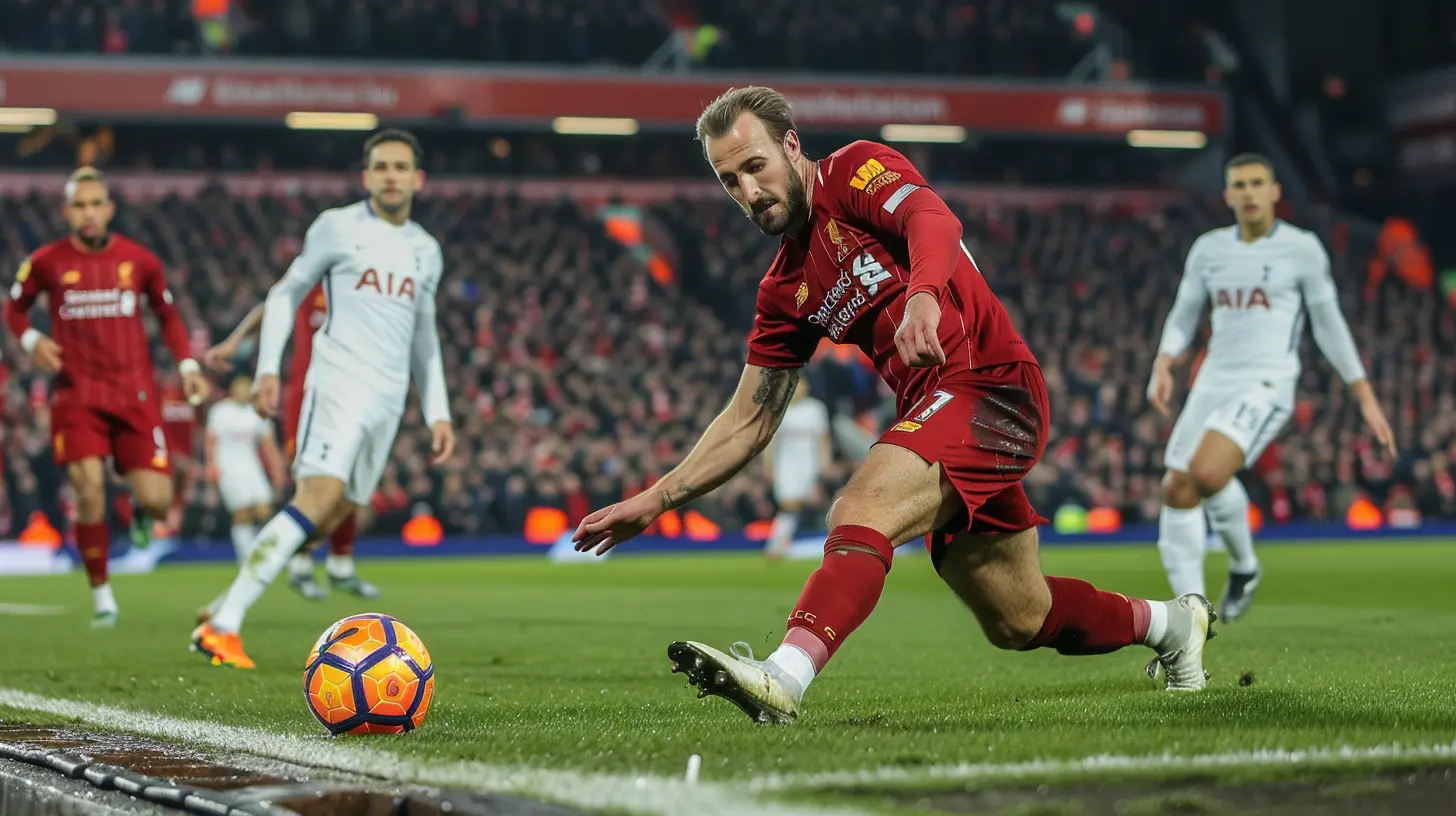
Why Set-Pieces Make or Break a Match
Alright, here’s the deal. In high-stakes matches, especially in tournaments, goals don’t come easy. Defenses are tighter than a jar of pickles. So the real difference-maker? You guessed it—set-pieces.Champions League finals, World Cup knockouts, league deciders—many of these epic showdowns have hinged on a well-placed corner or a stunning free-kick. The margin for error is razor-thin, and a single set-piece can flip the script entirely.
Think about it: a team could dominate possession for 90 minutes but still lose to two corner-kick goals. That’s why set-piece efficiency is gold.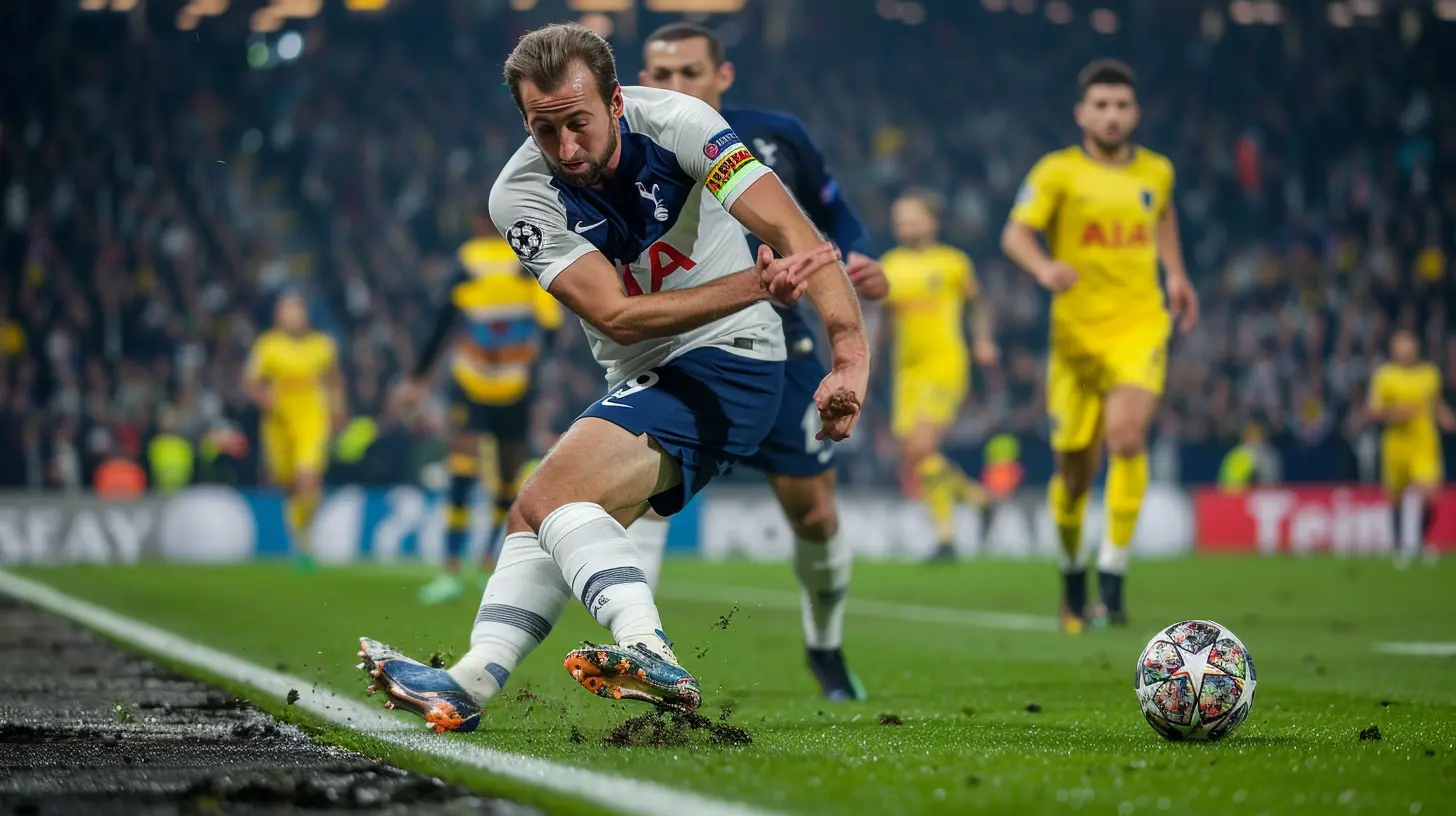
The Rise of Set-Piece Coaches
Here’s something wild: top teams now hire set-piece coaches. Yep, specialists who spend their time analyzing angles, player runs, and opposition tendencies. These aren’t just assistants—they’re chess masters of the dead ball.Clubs like Liverpool, Manchester City, and Brentford have all publicly credited their set-piece coaches for transforming their dead-ball routines into scoring machines. Brentford, in particular, was known for wringing every drop of value from corners and free-kicks when they first entered the Premier League.
Set-pieces have become so important that teams now dedicate entire training sessions to them. We're talking cones, mannequins, and playbook-style rehearsals. It’s like American football meets soccer.
Corner Kicks: More Than Just a Cross
The Traditional Approach
Back in the day, corner kicks were pretty straightforward—whip it into the box and hope your tallest guy gets on the end of it. Simple. Basic. Kinda like ordering plain toast.The Modern Evolution
Fast forward to today, and it’s like comparing a flip phone to a smartphone. Teams now study opponents' defensive setups meticulously. They analyze:- Zonal vs. man-marking systems
- Which player to isolate
- Who has the best aerial threat
- The perfect delivery height and spin
Short corners are also being used way more frequently, not just to keep defenders guessing, but to create better crossing angles or draw out the defense. And don't sleep on those in-swingers and out-swingers—they’re chosen deliberately based on who’s attacking where.
Key Corner Kick Tactics
- Near-post runs: For a flick-on or quick finish- Far-post overload: Stack tall players to dominate that zone
- Screens and blocks: Yep, this is legal (sort of). Players disrupt defenders’ paths just enough to create space
- Decoy runners: Distract defenders so the actual target gets free
Corners are now tactical puzzles, and whoever solves them best usually walks away with the points.
Free-Kicks: The Artistry and the Science
Direct Free-Kicks: The Goal Scorers’ Playground
Everyone loves a good banger from 30 yards out. But these aren’t just about brute force anymore.Players like Lionel Messi, James Ward-Prowse, and Cristiano Ronaldo made a name off free-kicks—but each uses a different technique. Some go for dip and swerve, others for knuckleballs, and some finesse it over the wall with feather-light touch.
It’s become a science of trajectory, wall placement, goalkeeper positioning, and kicker foot motion. Even the ball’s rotation is studied!
Indirect Free-Kicks: Rare but Dangerous
Indirect free-kicks don’t get the same love, but they can be deadly, especially inside the box. These often pop up after a back-pass or a goalkeeper error. Teams get creative with quick flicks, dummy runs, and rehearsed routines.Free-Kick Routine Tactics
- Split wall-fakers: One player pretends to take the shot, drawing the wall’s jump before the real hit- Lay-off shots: Quick pass to a better-positioned shooter
- Overlapping runners: To create confusion and space
- Bounce passes: Yes, bouncing the ball off the ground is now a thing—to confuse goalkeepers on wet pitches
Famous Matches Decided by Set-Pieces
Let’s take a stroll down memory lane.1. 2018 World Cup – England vs. Panama
England scored an insane 6 goals, and 4 of them were from set-pieces. Harry Kane, John Stones, the works. They turned corners and free-kicks into a buffet of goals.2. 2014 Champions League Final – Real Madrid vs. Atlético Madrid
That Sergio Ramos header deep into stoppage time? Boom—corner kick. Changed the entire narrative of the match and Real took the title in extra time.3. 2018 Premier League – Manchester United vs. Arsenal
A chaotic, scrappy match where both teams relied heavily on free-kicks and direct balls into the box. It wasn’t pretty, but the dead-ball situations decided the draw.Players Who Are Set-Piece Ninjas
Some names come to mind immediately when you think set-piece magic:- James Ward-Prowse – Probably the best free-kick taker in the Premier League today
- Trent Alexander-Arnold – His deliveries from corners are pure fire
- Kevin De Bruyne – Vision, precision, and creativity—it’s like watching an artist with a paintbrush
- Cristiano Ronaldo & Lionel Messi – Different styles, same deadly effect
- David Beckham (back in the day) – The original free-kick poster boy
These players don’t just take dead balls—they own them.
Defending Set-Pieces: Not Just Standing Around
Okay, so it's not all about attacking. Let’s talk about the less glamorous yet crucial task—defending set-pieces.Teams usually go with two strategies:
1. Man-Marking: Everyone picks a man and sticks to him like velcro
2. Zonal Marking: Each defender guards a specific area, regardless of who enters it
Some sides blend both. But defending isn’t just about clearances. It’s about:
- Positioning the line
- Who guards the posts
- Using tall players to win aerial duels
- Blocking attacking runs without fouling
Mess this up, and you’re fishing the ball out of your net.
Technology and Analytics in Set-Pieces
In the age of data, every corner and free-kick is broken down into:- Expected set-piece goals (xSPG)
- Delivery zones
- Success rates from different angles
- Player run paths and timings
Analysts use drones, GPS trackers, and heat maps to find patterns. If a team concedes from a corner once, you can bet their next week’s training is full of cones and chalkboards reviewing what went wrong.
Teams like Brentford FC use data-driven routines to gain that 1% edge—and in top-flight football, that 1% is everything.
So, How Do You Win the Set-Piece Game?
Simple tips (but nowhere near easy to execute):1. Have a set-piece specialist on the pitch – Someone who thrives under pressure.
2. Practice like a madman – Routines become second nature only with repetition.
3. Study your opponent – Do they use zonal marking? Who is the weak aerial link?
4. Change it up – Predictability is your enemy.
5. Defend ruthlessly – No ball-watching. Be proactive.
Make set-pieces a priority, and you’ll have an edge—always.
Final Whistle: Set-Pieces Are The Unsung Heroes
We’ve come a long way from just lobbing a cross into the box and hoping for the best. Set-piece strategy is now an art form and a science. Whether it's a world-class free-kick or a rehearsed corner routine, these moments often shape the scoreline more than open play does.Next time you're watching a game, don’t just cheer for the screamers—keep an eye on those dead ball moments. They’re the hidden heartbeat of modern football.
all images in this post were generated using AI tools
Category:
Post Match AnalysisAuthor:

Frankie Bailey
Discussion
rate this article
2 comments
Rylan Torres
Brilliant analysis! Set-pieces truly shape games.
March 28, 2026 at 11:57 AM
Frankie Bailey
Thanks for the kind words! Set pieces can really change the game dynamics.
Rocket Martin
Amidst the tension, set-pieces whispered secrets of strategy and fate. Every corner and free-kick held the weight of destiny—who truly orchestrated the game's turning point?
February 16, 2026 at 4:50 AM
Frankie Bailey
Set pieces often shape the outcome, revealing the intricate dance of strategy. Each play can be a game-changer.