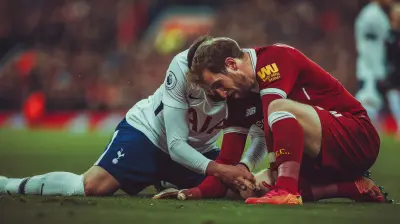
Post-Match Tactical Breakdown: Where the Game Was Won and Lost
30 July 2026
Football has always been a game of fine margins. Oftentimes, the difference between victory and defeat can be traced back to a handful of key moments or tactical decisions. In this post-match tactical breakdown, we’re going to dig deep into the heart of the game, analyzing where the game was won and lost. Strap in and let’s dissect the highs and lows, the strategic brilliance and tactical missteps that defined the match.

The Importance of Tactical Analysis
Before we dive into the specifics of the match, let’s talk about why tactical breakdowns are so important. Sure, you can look at the scoreline and know who won, but understanding why a team won or lost requires a deeper look. Football isn’t just about individual brilliance—though that certainly helps—it’s about how players function as a unit, how systems are implemented, and how decisions made on the touchline impact what happens on the pitch.Tactics can make or break a game. The best managers know this, and they prepare meticulously to ensure their team has the upper hand. But even the best-laid plans can unravel in the heat of the moment.
So, let’s explore where the game was won and lost.

First-Half Dynamics: The Battle in Midfield
The tone of this match was set early on. From the first whistle, both teams seemed to have clear game plans, and it didn’t take long to see how those strategies would clash.Team A’s High-Pressing Game
Team A came out firing with an aggressive high press, determined to win the ball high up the pitch and catch their opponents off guard. This tactic is a double-edged sword. When it works, it can suffocate the opposition and create easy scoring opportunities. But when it fails, it leaves gaps in behind, exposing the defense.In the first 20 minutes, Team A’s pressing worked wonders. The opposition struggled to move the ball through the midfield, often resorting to long balls, which were easily mopped up by Team A’s defenders. The intensity of the press forced Team B’s players into making mistakes, and several dangerous turnovers almost led to early goals.
However, as the half wore on, cracks started to appear. Pressing is physically demanding, and you could see Team A’s players beginning to tire. The pressing became less coordinated, with gaps starting to form between their midfield and defense. This was when Team B began to find their rhythm.
Team B’s Counter-Attacking Strategy
Team B’s approach, in contrast, was more patient. They were content to absorb pressure and wait for the right moments to strike. A classic counter-attacking strategy relies heavily on discipline and pace, and Team B had both in spades.When they managed to break through the press, Team B’s quick transitions caused all sorts of problems for Team A. With their wide players hugging the touchline and their striker constantly looking to exploit the space behind the defense, they became more threatening as the game progressed.
One particularly dangerous moment came in the 35th minute when Team B’s winger received a long diagonal pass, sprinted past his marker, and whipped in a cross that narrowly missed the head of his striker. It was a warning shot, and you could sense the momentum beginning to shift.

Second-Half Adjustments: Tactical Tweaks and Key Substitutions
Team A’s Defensive Struggles
By the second half, Team A’s high press had all but disappeared. The energy levels had dropped, and their structure was starting to crumble. This is where the tactical battle was truly decided.Team A’s manager made the critical mistake of not adjusting earlier. Instead of recognizing that the press was no longer effective, they continued with the same approach, leaving their midfield wide open for exploitation. Team B’s midfielders had acres of space to operate in, and they started dictating the tempo of the game.
It was only a matter of time before Team B capitalized. A slick passing move in the 60th minute saw Team A’s defense stretched to the breaking point. A clever through ball split the defense, and Team B’s striker coolly slotted the ball home to make it 1-0.
The Importance of Substitutions
Substitutions often get overlooked in tactical analysis, but they can be game-changers. After the goal, both managers made changes to their lineups, but it was Team B’s substitutions that had the most significant impact.Bringing on fresh legs in the midfield allowed Team B to maintain their control of the game. The introduction of a more physical presence in the center of the park helped them win more second balls and break up Team A’s attacks before they could gather any momentum.
On the other hand, Team A’s substitutions were too little, too late. By the time they brought on more attacking players, they were already chasing the game. With their defense exposed, they were vulnerable to counter-attacks, and Team B nearly doubled their lead on several occasions.
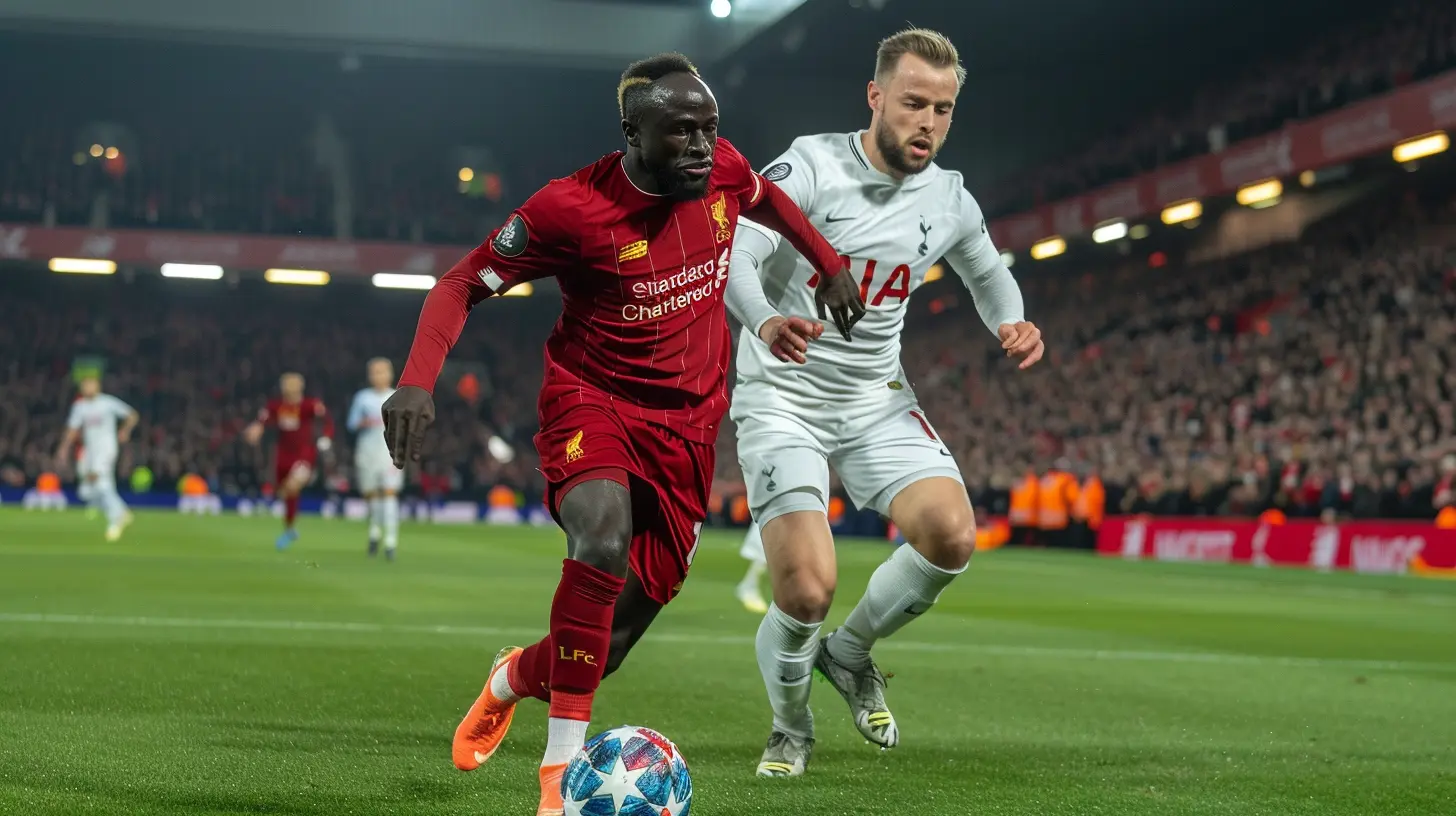
Key Moments That Defined the Outcome
The Missed Penalty
One of the most pivotal moments of the match came in the 75th minute when Team A was awarded a penalty. At 1-0 down, this was their golden opportunity to get back into the game. However, the pressure got to the penalty taker, and their effort was saved by Team B’s goalkeeper, who guessed correctly and dived to his left.This miss seemed to deflate Team A, who had been slowly building momentum. After that, their attacks became increasingly desperate, and their composure in front of goal deserted them.
Team B’s Defensive Resilience
In the final stages of the game, Team B showed why they are such a tough team to break down. Despite constant pressure from Team A, they remained compact and disciplined, with their backline putting in a heroic display of last-ditch defending. Every cross was cleared, every shot was blocked, and their goalkeeper made a couple of crucial saves to keep the clean sheet intact.It was a textbook display of how to defend a narrow lead, and it’s no surprise that Team B came away with the win. Their ability to stay organized under pressure was a testament to their tactical discipline and mental toughness.
Where the Game Was Won and Lost
Team A’s Tactical Missteps
In the end, the game was lost for Team A due to a combination of tactical naivety and poor execution. Their high press worked beautifully in the early stages, but they failed to adapt when it became clear that it was no longer effective. The decision not to drop deeper or sit more compactly in the second half was a tactical blunder that left them vulnerable to counter-attacks.Additionally, their inability to finish key chances—especially the missed penalty—proved to be their undoing. In tight games like this, you have to take your chances, and Team A simply didn’t.
Team B’s Tactical Masterclass
For Team B, the game was won because they executed their game plan to perfection. Their counter-attacking strategy, combined with their ability to defend resolutely, was the perfect response to Team A’s high press. They remained patient, waited for their moments, and struck when the opportunities came.Perhaps most importantly, Team B’s adaptability was key. They made the right tactical changes at the right time, bringing on players who could shore up the midfield and protect their lead. Their manager’s ability to read the game and make timely adjustments was a critical factor in the victory.
Conclusion: A Game of Fine Margins
At the end of the day, football is a game of fine margins, and this match was no different. A missed penalty here, a tactical misstep there, and the outcome could have been entirely different. But in the end, Team B’s superior tactical discipline and ability to capitalize on their chances made the difference.For Team A, it’s a harsh lesson in the importance of adaptability. In football, sticking rigidly to a game plan without considering how the match is unfolding can be a recipe for disaster. For Team B, it’s a well-earned victory that highlights the importance of patience, discipline, and making the right decisions at the right time.
So, the next time you watch a game, don’t just focus on the goals and the scoreline. Look a little deeper, and you’ll see that the real battle is often taking place in the tactical trenches.
all images in this post were generated using AI tools
Category:
Post Match AnalysisAuthor:

Frankie Bailey
Discussion
rate this article
1 comments
Jemima Flores
The coach's substitutions lacked urgency, ultimately costing the team any chance of recovery.
August 16, 2026 at 11:10 AM