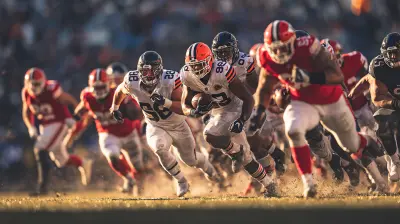
Post-Match Analysis: How Team A Bossed the Final Third
21 May 2026
Let’s be honest — every once in a while, you witness a team execute an attacking game plan so flawlessly that it feels like they’re scripting the match in real-time. That was exactly the case when Team A took to the pitch and totally owned the final third. Whether you’re a football geek, a casual fan, or just someone fascinated by how top-tier teams control games, you’re in for a treat.
In this post-match breakdown, we’re peeling back the layers on how Team A dominated the final third like seasoned architects of chaos. We’re talking off-the-ball movement, link-up play, clinical finishing, and some good ol’ tactical wizardry.
Setting the Scene: The Match That Had Us Gripped
Before diving into technicalities, let’s set the vibe. Team A came into this clash with a point to prove. The stakes were sky-high and the opposition wasn’t some push-over, mind you. But from kick-off, it felt like Team A had decoded a matrix that everyone else missed.From the get-go, their intent was crystal clear — pin the opponent back and unleash relentless waves of pressure. And boy, did it work.
The Tactical Blueprint: How Team A Set Up
High Press or Controlled Chaos?
Team A deployed a structured high press that didn’t just look hectic — it was calculated. Imagine a pack of wolves hunting in sync — that kind of coordination. The front three led the charge, with midfielders backing them up to win second balls.The moment the opposition’s backline hesitated, Team A swarmed in like they were synced via Bluetooth. This triggered turnovers in dangerous areas, which begs the question:
What do you do when you’re winning the ball 30 yards from goal?
Exactly. You punish.
Fluid Formation With Positional Play
While they started in a 4-3-3 on paper, on the turf it morphed constantly. The full-backs pushed high and wide, the holding midfielder dropped in between center-backs, and the attacking midfielder floated into half-spaces.It was fluid, dynamic, and disorienting — not for them, but for the opposition, who looked like they were trying to read a book upside-down.
The Masterclass in the Final Third
Let’s break down why the final third was Team A’s playground.1. Movement That Split Defenders Apart
The key to dominating the final third? Movement. And Team A had it in spades.- Third-man runs were everywhere.
- Forwards dropped deep, pulling defenders with them.
- Wingers cut inside, dragging full-backs out of shape.
- Midfielders made late runs — those invisible daggers that are so hard to track.
All this choreographed chaos pulled defenders apart like a game of Jenga gone wrong.
2. Passing Triangles and Quick Interchanges
You know that tik-taka tempo that makes watching football feel like a symphony? That’s what Team A deployed in the final third.One-twos, wall passes, and sharp interchanges carved open the last line of defense. When you’ve got:
- A #10 who can operate in tight pockets
- Wide players with close control
- And a striker who loves a give-and-go
You end up with defenders playing a game of "Where’s Waldo?" trying to keep up.
3. Width and Overlaps
Now let’s talk about how wide play factored in. Team A used the full width of the pitch like it was real estate. They stretched the backline until it snapped.Their full-backs overlapped like they were on rollerblades, constantly dragging defenders sideways. This:
- Created 2v1s
- Opened up crossing lanes
- And allowed cut-backs that screamed "tap-in alert"
Seriously, those overlapping runs were like hidden cheat codes.
The X-Factors: Individual Brilliance Meets Systemic Strength
While the system was elite, you can’t ignore the individual brilliance that made it tick.The Striker: A Clinical Finisher
Team A’s striker didn’t just score — he hunted goals. Always on the shoulder, always ready to pounce. He sniffed danger like a bloodhound. One-touch finishes, composed penalties, even the dirty scraps inside the six-yard box — he made them count.The Playmaker: The Puppet Master
The #10, meanwhile, was pulling strings like a Broadway director. His vision? X-ray level. He wasn’t just passing the ball — he was time-traveling with it. Through balls sliced the backline like a hot knife through butter.The Unsung Hero: The Holding Midfielder
Not flashy, but so, so essential. This guy shielded the backline, recycled possession, and pinged inch-perfect diagonals. Without him, the attacking structure would’ve collapsed like a house of cards.Statistical Breakdown: Numbers Don’t Lie
If you’re the kind of person who loves nerding out with match stats, here’s where things get juicy.Possession in the Final Third
- 63% of Team A’s possession was in the final third — that’s a territorial takeover.- 29 touches inside the opposition box — pure domination.
Expected Goals (xG)
- Team A posted an xG of 3.1- The opposition? A timid 0.6
That’s not just winning — that’s bullying.
Key Passes and Shot Creation
- 17 key passes- 11 shots on target
- 4 clear-cut chances
Those numbers scream control and creativity.
The Opposition’s Struggles: What Went Wrong?
We wouldn’t be painting the full picture without a quick look at the other side.Defensive Shape Crumbled
They started compact, but once Team A pulled them out with their movement, it was like unraveling a ball of yarn. Gaps opened up in the channels, wonky positioning let attackers ghost into spaces, and the backline lost all sense of cohesion.Midfield Lost the Battle
Team A’s midfield completely bossed proceedings. The opposition couldn’t clog passing lanes or win second balls. Without that control, everything fell apart like dominoes.No Counter Threat
When you’re under the cosh, your escape is counter-attacks. But they didn’t have the pace or structure to make it count. That let Team A push higher and higher — total siege.Lessons for the Future: What Coaches Can Take Away
There’s a ton to learn from Team A’s performance. Whether you're a coach, a Sunday league warrior, or an armchair tactician, here are some takeaways:1. Movement Trumps Formation
Forget rigid systems. It’s about dynamic, intelligent movement. Train your players to interchange roles and exploit spaces, not just stick to zones.2. Winning the Final Third Requires Build-Up AND Punch
It’s not enough to get there — you need to be deliberate and dangerous. That comes from rehearsed patterns of play, sharp decision-making, and timing.3. Pressing Isn’t Just Defense, It’s an Attack Plan
A good press in the final third is like a trap being set. Done right, it leads to turnovers and goals. That’s maximum efficiency.Final Thoughts: When Execution Meets Ambition
Look, anyone can talk a good game. But Team A walked the walk. They didn’t just show up; they made a statement. Their dominance in the final third was a mix of tactical intelligence, smarts on the ball, and the hunger to bury the opposition under pressure.That kind of cohesive brilliance doesn’t happen on a whim. It comes from hours on the training pitch, film sessions, and building trust between players.
So, next time you hear someone say “football is a simple game,” just remember — simple isn’t easy. Team A made it look that way because they mastered the details. And that’s what bossing the final third is all about.
all images in this post were generated using AI tools
Category:
Post Match AnalysisAuthor:

Frankie Bailey
Discussion
rate this article
1 comments
Caden Reed
Team A's attacking strategy was truly impressive today.
May 28, 2026 at 7:12 PM
Frankie Bailey
Absolutely, their movement and creativity in the final third made all the difference.