Managing Expectations: How High School Athletes Can Handle Pressure from Coaches and Parents
3 August 2026
Let’s be real—being a high school athlete isn’t as easy as it looks from the stands. Sure, it’s awesome to wear the jersey, represent your school, and feel the rush of game day. But behind all the cheers and social media shout-outs, there’s a ton of pressure. From coaches pushing for peak performance to parents dreaming of scholarships or pro careers, expectations can pile up fast. And if you’re not careful, that pressure can mess with your head, your game, and even your love for the sport.
So how do you deal with it all? Let’s talk about it.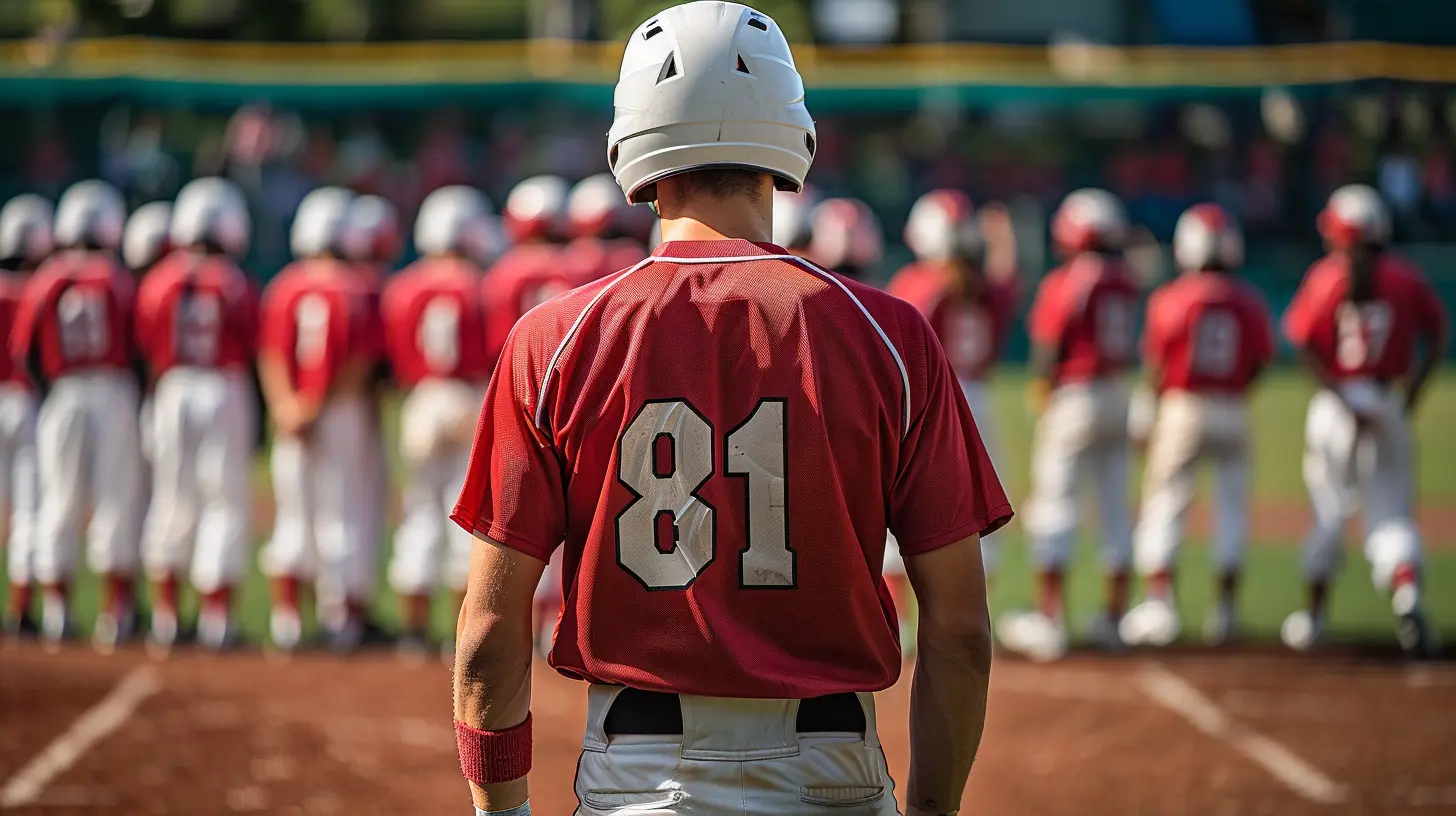
The Unrealistic Pressure Cooker
High school is already a juggling act. Add sports into the mix and suddenly you’re walking a tightrope between homework, training, social life, and your own mental peace. Coaches want results. Parents expect greatness. Teammates count on you. It’s a lot, isn’t it?Don’t worry—you’re not alone. Thousands of young athletes face this every season. And the good news? There are smart ways to cope, thrive, and actually enjoy the sport you love again.
Understanding the Sources of Pressure
1. Coach Expectations
Coaches are naturally competitive. Many have played at high levels themselves, and they often bring that same intensity to high school sports. While it’s great to have someone pushing you to be your best, sometimes it can feel like nothing you do is ever enough.Maybe you’ve heard:
- “We need you to lead the team.”
- “You’ve got potential, but you’re not working hard enough.”
- “You need to carry us this season.”
Sound familiar?
It’s easy to take those words to heart and start feeling like you’re not living up to the hype. But remember—coaches have a job to do. Their passion isn't personal; it's about performance. Recognizing that distinction helps you separate your self-worth from their expectations.
2. Parental Pressure
Let’s be honest: parents mean well. They want the best for you. Whether it’s a scholarship dream, a shot at going pro, or just bragging rights with other parents, their expectations can become overwhelming real fast.Comments like:
- “I didn’t spend all this money on your training for nothing.”
- “You should’ve scored more.”
- “What happened out there?”
Even if they don’t say it directly, it can feel like their love is tied to your performance. And that’s a heavy weight to carry.
Mental and Emotional Toll
When pressure builds up and there’s no outlet, it starts taking a toll. And not just on your game—on your mental health, confidence, and motivation.- You start fearing failure instead of playing to win.
- You second-guess your decisions on the field or court.
- You dread practices instead of enjoying them.
- You feel like quitting... not because you don’t love the sport, but because you can’t take the stress anymore.
If any of this hits close to home, keep reading. We’ve got some strategies that can help you step back, reset, and deal with pressure like a pro.
7 Real-World Tips to Handle Expectations Like a Champion
1. Set Your Own Goals
Before you even think about what your coach or parents want, ask yourself: What do you want?Maybe you want to make varsity, improve your stats, or just have fun with your friends. That’s valid. Setting personal goals gives you something you can control—your effort, your progress, your mindset.
When external voices get loud, go back to your goals. Are you chasing your dreams or someone else’s?
2. Communicate Openly
This one’s tough, but it’s a game-changer.If your coach constantly pushes you past your limit, talk to them. Respectfully, of course. You can say, “Coach, I want to perform well, but I’m feeling overwhelmed and need to rebalance a bit. Can we discuss how I can improve without burning out?”
Same goes for parents. Let them know what you’re going through. Most of the time, they don’t realize the pressure they’re piling on. Opening up helps build understanding—and trust me, that takes a major weight off your shoulders.
3. Prioritize Mental Health
You stretch before games. You hydrate and eat right. But are you doing the same for your mind?Mental fitness is just as important as physical strength. Consider things like:
- Journaling to process emotions
- Talking to a school counselor or therapist
- Taking breaks when your body and brain say they’re tired
- Practicing mindfulness or meditation
Don’t wait until you’re burnt out to care for your mental health—it should be part of your training too.
4. Remember the “Why”
Why did you start playing in the first place?Was it the thrill of competition? Hanging out with teammates? Chasing improvement?
When the pressure gets intense, remind yourself of that original spark. Reconnecting with your “why” rekindles your passion and makes the grind feel worth it.
5. Detach Performance from Identity
You are not your stats. You are not your last game. You are more than your sport.That’s easy to forget when people only seem to care about numbers or trophies. But you’ve got to separate what you do from who you are. Your value doesn’t rise and fall with wins and losses.
You’re a full person—student, sibling, friend, dreamer. Keep that bigger picture in mind.
6. Lean on Your Support System
You don’t have to go through this alone. Talk to teammates who get it. Confide in a trusted teacher or a sibling. Join athlete-centered groups or support circles online or at school.The more you talk it out, the less isolated you’ll feel—and the more confident you'll become.
7. Give Yourself Grace
Last but not least: be kind to yourself.You’re showing up, practicing, competing, and trying your best through school, stress, and life changes. That’s already something to be proud of.
You’re not going to be perfect every game. Heck, nobody is. But if you can show up fully, learn from mistakes, and grow—you’re winning, regardless of the scoreboard.
Tips for Parents and Coaches: How to Be Part of the Solution
Handling pressure as a young athlete is hard enough. But what if the adults in your life stepped up differently?Here’s a message for parents and coaches who might be reading (or something you can share with them):
For Coaches:
- Praise effort, not just outcomes- Encourage mental breaks when needed
- Build relationships, not just results
- Recognize burnout signs early
For Parents:
- Ask how your athlete feels before asking how they played- Attend games with love, not expectations
- Celebrate progress, not perfection
- Be a fan, not a critic
At the end of the day, support means showing up with empathy and understanding—not pushing harder when the athlete is already at their limit.
Balancing Ambition and Well-being
Here’s the truth: ambition isn’t bad. Wanting to win, level up, or earn opportunities is awesome. But if your health—mental or physical—is on the line, it’s okay to step back and recalibrate.Success should feel like a light that guides you, not a fire that burns you out.
Setting boundaries, speaking up, and protecting your mental space doesn’t make you weak—it makes you wise. And in the long run, it can actually make you better at your sport.
Final Whistle
Managing expectations as a high school athlete is tough. Between coaches, parents, and the pressure you put on yourself, it can feel like you’re always playing with weight on your shoulders.But here’s the key: You have more power than you think.
When you take the time to check in with yourself, set your own goals, talk openly, and protect your mental game, that pressure starts to lift. You stop playing for others and start playing with purpose.
And isn’t that what sports are really about?
So breathe, lace up, and go out there as the best version of yourself—on and off the court.
all images in this post were generated using AI tools
Category:
High School SportsAuthor:

Frankie Bailey
Discussion
rate this article
1 comments
Rune McIntosh
This article highlights an important topic. Balancing the pressure from coaches and parents can be challenging for young athletes. Open communication and setting realistic goals can help them thrive while pursuing their passion in sports.
August 3, 2026 at 4:06 AM
Frankie Bailey
Thank you for your insightful comment. Balancing those pressures is crucial, and I appreciate your emphasis on communication and realistic goal-setting. It's essential for helping young athletes succeed.