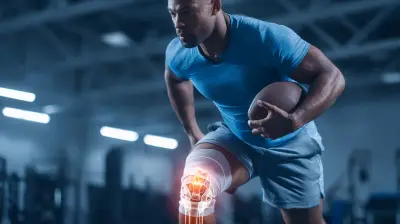
How to Use Gym Machines vs. Free Weights for Maximum Gains
20 January 2026
When it comes to building muscle and strength, one of the biggest debates in the gym is machines vs. free weights. Some hardcore lifters swear by barbells and dumbbells, while others argue that machines provide better control and isolation. The truth? Both have their place in your workout routine, but the key is knowing when and how to use them for maximum gains.
So, should you ditch the machines and go all-in on free weights? Or are machines the secret weapon to unlocking your full potential? Let’s break it down once and for all. 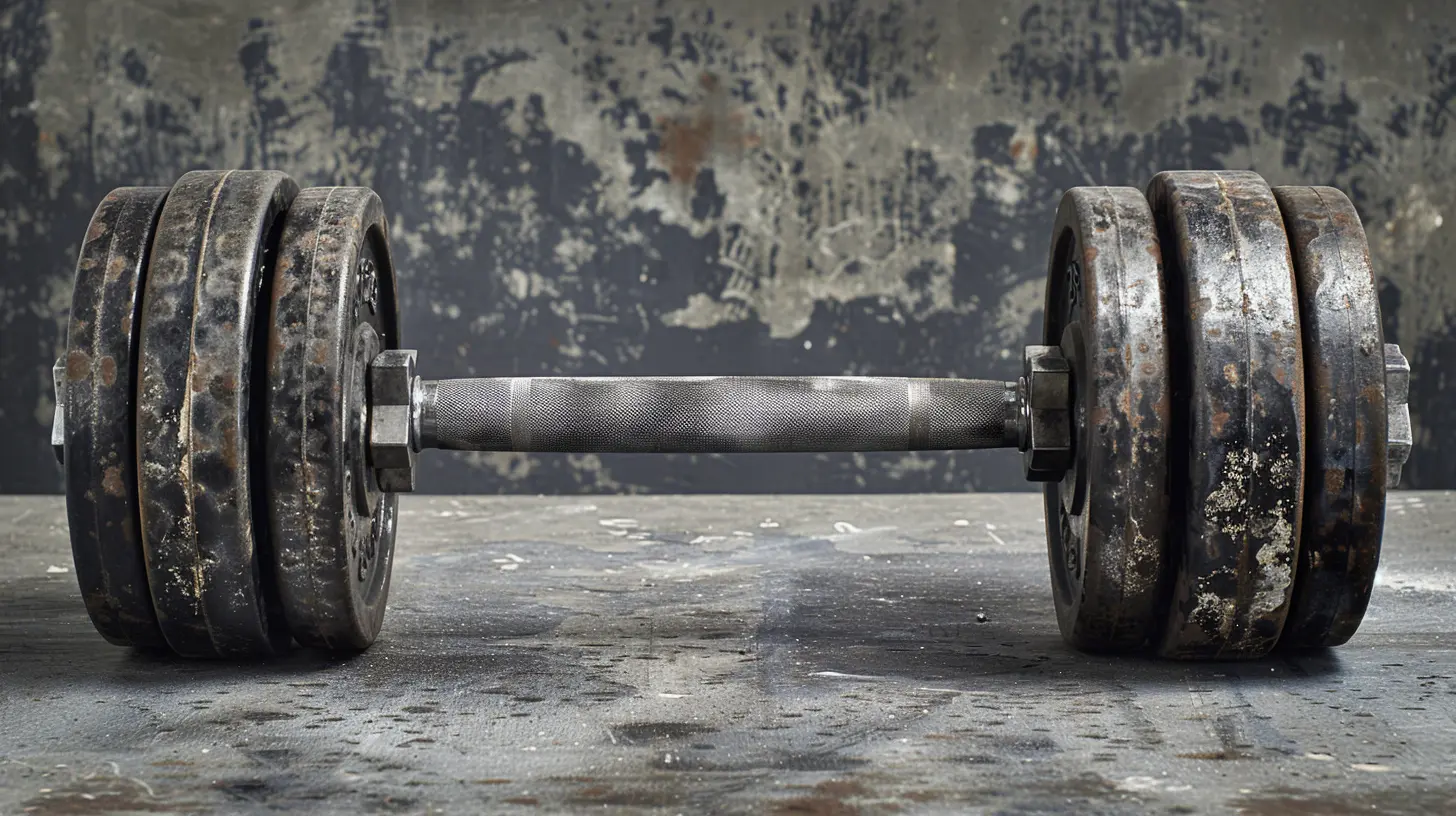
Machines vs. Free Weights: What's the Difference?
Before we dig into which one is better, let’s get the basics straight.Gym Machines
Machines are designed to guide your movement along a fixed path, taking away much of the need for stabilization. These include leg presses, chest presses, lat pulldowns, and more.Free Weights
Free weights, on the other hand, include dumbbells, barbells, kettlebells, and other equipment that allow unrestricted movement. With free weights, you’re in control of the weight’s movement, which means you have to engage stabilizing muscles.Now that we’re clear on both, let’s dive into which one you should be using and when. 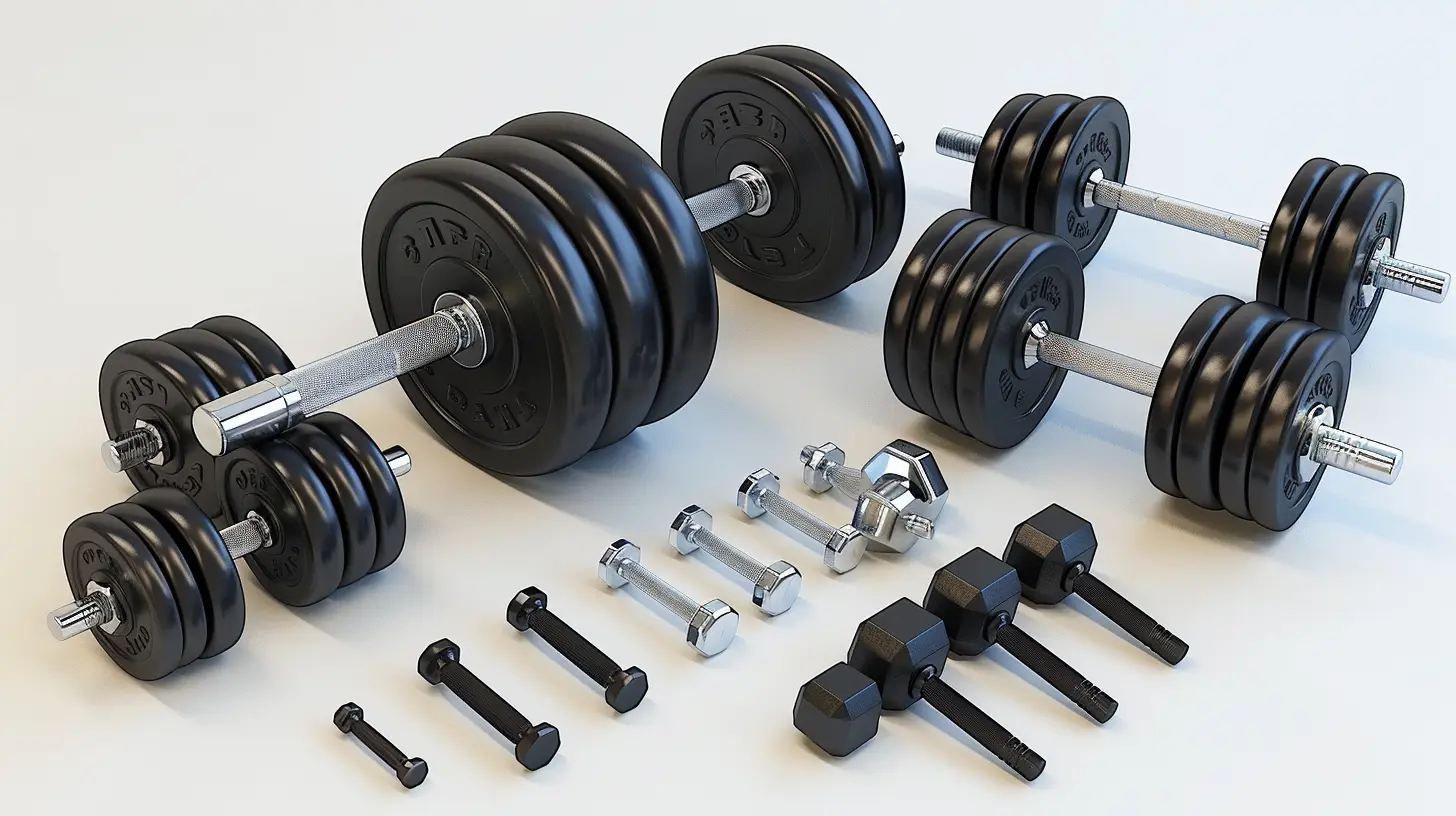
The Case for Free Weights
If you’ve ever stepped into a serious bodybuilder's gym, chances are free weights dominate the room. There’s a reason for that.1. Better Muscle Activation
Free weights recruit more stabilizer muscles because your body has to control the movement. Think about a barbell squat versus a leg press—with the squat, your core, glutes, and even your calves are engaged to keep you stable. The leg press? It isolates your quads, but doesn’t force the same full-body engagement.2. Functional Strength & Real-World Application
Ever tried picking up a heavy box off the ground? That’s basically a deadlift in real life. Free weights mimic natural movements that translate to everyday strength. Machines? Not so much.3. Greater Range of Motion (ROM)
With free weights, you aren’t locked into a predetermined path. This means you get a more natural movement pattern, increasing flexibility and overall muscle development. A dumbbell press, for example, allows for better shoulder movement than a fixed machine press.4. More Core Engagement
Want abs without doing endless crunches? Train with free weights. Exercises like squats, deadlifts, and overhead presses force your core to stabilize your entire body without needing to add separate core workouts.
The Case for Machines
Now, before you start tossing every machine out of your workout plan, machines have their place in your training—especially when used strategically.1. Safer for Beginners
If you're new to lifting, machines can be a game-changer. They reduce the risk of injury by keeping you in a controlled movement pattern. No worrying about balance, poor form, or dropping a weight on your foot.2. Isolation for Targeted Muscle Growth
Machines are excellent for isolation exercises. If you're trying to specifically hit your quads, hamstrings, or any other muscle group without engaging stabilizers, machines allow you to zero in on specific muscles.3. Perfect for High-Volume Workouts
Machines let you push your muscles to failure safely. With free weights, going to failure on squats or bench presses without a spotter is risky. But on a leg press or chest press machine? Go all out without fear of a barbell crushing you.4. Injury Prevention & Rehab
If you're coming back from an injury or need to train around joint issues, machines provide a controlled way to rebuild strength without putting too much stress on stabilizers or weak areas.
Which One Should You Use? The Best of Both Worlds
Instead of picking a side, why not use both to your advantage? Here’s how:1. Start with Free Weights for Strength
Use compound lifts like squats, deadlifts, and bench presses as the foundation of your workout. These movements recruit multiple muscle groups and build functional strength.2. Use Machines for Isolation & Volume
After your heavy free-weight sets, move to machines for burnout sets and muscle isolation. Machines are great for finishing off a muscle group, especially if you're looking to build mass.3. Machines for Beginners, Free Weights for Progression
If you’re new, start with machines to learn movement patterns safely. Once you’re comfortable, transition to free weights for more engagement and functional strength.4. Consider Your Goals
- Want to get stronger? Focus more on free weights.- Looking to build muscle? Use both free weights and machines for well-rounded hypertrophy.
- Recovering from an injury? Machines provide a safe and controlled option.
Workout Plan: How to Blend Free Weights & Machines
Upper Body (Push Day – Chest & Triceps)
✅ Bench Press (Barbell or Dumbbell) – 4 Sets✅ Incline Machine Press – 3 Sets
✅ Dumbbell Shoulder Press – 4 Sets
✅ Lateral Raises (Machine or Dumbbells) – 3 Sets
✅ Triceps Pushdown (Cable Machine) – 3 Sets
Lower Body (Leg Day)
✅ Barbell Squats – 4 Sets✅ Leg Press (Machine) – 3 Sets
✅ Romanian Deadlifts (Dumbbells or Barbell) – 4 Sets
✅ Leg Extension (Machine, for Quads Focus) – 3 Sets
✅ Seated Leg Curl (Machine, for Hamstrings) – 3 Sets
Upper Body (Pull Day – Back & Biceps)
✅ Pull-Ups (Assisted Machine if Needed) – 3 Sets✅ Bent-Over Rows (Barbell or Dumbbells) – 4 Sets
✅ Lat Pulldown (Machine) – 3 Sets
✅ Face Pulls (Cable Machine) – 3 Sets
✅ Barbell or Dumbbell Bicep Curls – 3 Sets
This setup maximizes both free weights and machines, giving you the best of both worlds for strength, size, and injury prevention.
The Bottom Line: Don't Be a Purist—Use Both!
So, should you go all-in on free weights or stick to machines? The answer is neither—you should be using both!- Free weights build maximum strength and athleticism.
- Machines let you train harder, isolate muscles, and prevent injuries.
- A mix of both gives you the best possible results.
At the end of the day, gains don’t come from the type of equipment you use—they come from progressive overload, consistency, and intensity. Whether you’re lifting a barbell, a dumbbell, or a machine stack, what matters most is pushing your muscles past their limits. Now, hit the gym and start lifting!
all images in this post were generated using AI tools
Category:
Gym TrainingAuthor:

Frankie Bailey
Discussion
rate this article
2 comments
Olympia McCray
Balance both for optimal results.
March 9, 2026 at 5:08 AM
Frankie Bailey
Absolutely! Combining both gym machines and free weights taps into their unique benefits, promoting overall strength and muscle development.
Levi Sharpe
In the dance of strength, machines embrace form, while free weights ignite raw power—choose your rhythm, unleash the storm.
January 26, 2026 at 3:33 AM
Frankie Bailey
Great point! Finding your rhythm between machines and free weights can really amplify your gains. Balance is key.