How to Develop a Killer Wrestling Stance and Maintain Control
18 October 2025
If you’ve ever watched a wrestling match—whether it's at a high school gym or the Olympics—you’ve probably noticed that the real action doesn’t start with a flashy move or slam. It starts way before that, in the stance. Yep, that seemingly simple body positioning right before the two wrestlers lock up? That’s the foundation of everything. Seriously, a powerful wrestling stance sets the tone for domination or defeat.
So if you want to elevate your wrestling game, it all begins with mastering your stance and learning how to maintain control from the moment the whistle blows. Let's break it all down and give you the tools to build a rock-solid base and stay on top—literally and figuratively.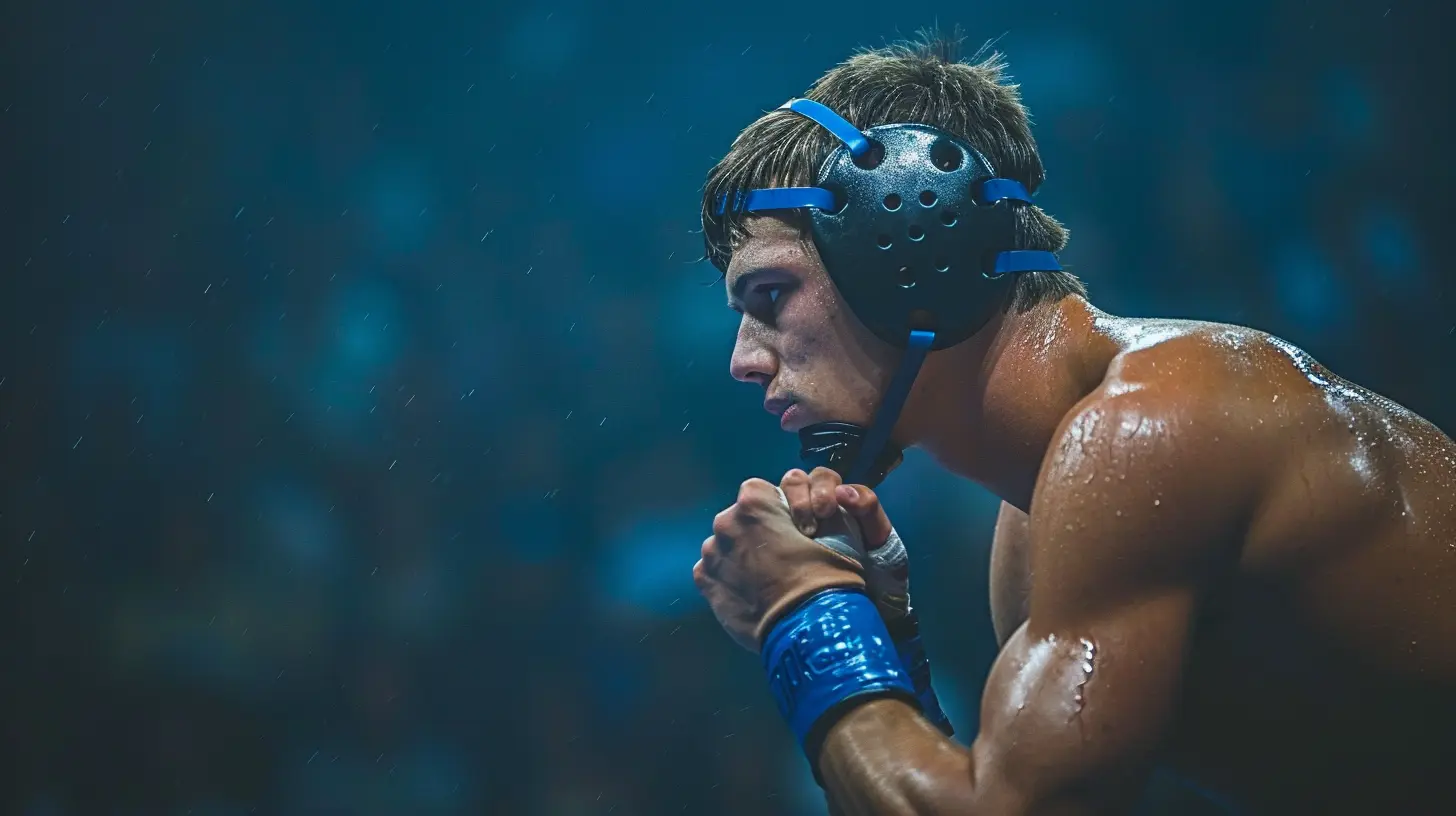
Why Your Wrestling Stance Matters (More Than You Think)
Let’s be real: wrestling is chess with your body. Every move, every shift in weight, every feint—it all counts. And guess what? Your stance is the very first “move” you make.Think of your stance as the roots of a tree. Without strong roots, it doesn't matter how big the branches are—you’re getting knocked over at the first gust of wind. In wrestling terms, a poor stance makes you an easy target for takedowns, throws, and relentless pressure from your opponent.
When you develop a killer stance, you're not just standing still—you’re in a ready position to strike, counter, defend, and transition smoothly. That’s how you stay one step ahead.
The Key Elements of a Killer Wrestling Stance
Before we start fine-tuning, let's cover the essentials. A great wrestling stance has five major components. Nail these, and you’re laying the groundwork for control, agility, and attack.1. Low Center of Gravity
Think of this as your anchor. You want to stay low without being off-balance. That means bending your knees, dropping your hips, and keeping your weight centered.Avoid the "hunchback" look. Your back should be flat, not curved. This helps keep your head up and your vision clear—you need to see the action coming at you, right?
2. Feet Shoulder-Width Apart
This helps with balance and mobility. You don’t want to be too narrow (hello, easy trip) or too wide (good luck moving quickly). Aim for shoulder-width, maybe a tad wider, with your lead foot slightly forward.Pro tip: keep your heels off the mat. You should be light on your toes, always ready to pounce or sprawl.
3. Head Up, Eyes Forward
You’re not guarding the floor. Keep your head up like you’re proud and hungry. This isn’t just about posture—it’s about awareness. Your eyes are your first line of defense and your best setup for quick reactions.Remember: where the head goes, the body follows. If your head is too low or turned, you’re compromising your balance and giving your opponent angles to attack.
4. Hands in Front
Your hands should always be active and in front of you—elbows in, hands slightly up. This protects you from shots and keeps your offensive tools ready to fire.Loose arms? That’s a green light for your opponent to shoot. Keep those hands working like radar, checking distances and creating pressure.
5. Constant Motion
A great stance isn’t static—it’s a loaded spring. You want to be moving, adjusting, bouncing slightly, and reacting in real time. Think of it like being on a surfboard—ready to shift and flow with the tide.
How to Practice and Perfect Your Stance
Now that you know what to aim for, it's time to put in the reps. Developing a killer wrestling stance isn’t about getting it right once—it’s about making it second nature.Shadow Drills
Start without a partner. Set up a mirror, get into your stance, and move around. Focus on keeping your form tight while staying fluid. Use cones or markers for movement drills—advance, retreat, circle left and right without breaking posture.Stance-and-Motion Drills
Have a coach or partner call out commands—“Sprawl!” “Shot!” “Circle left!”—and respond while maintaining your stance. These mimic real match conditions and help develop muscle memory under pressure.Film Yourself
Yep, pull out your phone and hit record. Watching yourself on video is a game-changer. You’ll spot things you never noticed—lazy positioning, dropped hands, bad habits. Fix them before they become problems in a match.
Advanced Stance Tips for Dominating the Mat
You’ve got the basics down. Let’s turn that stance from solid to savage with some pro-level adjustments.Stay Stalky, Not Stiff
Your stance should feel aggressive, like a big cat stalking prey—relaxed but explosive. If you’re stiff, your reaction time slows, and your opponent can read you like a book.Control the Hand Fight
From your stance, your first contact is your opponent’s arms. Win the hand fight and you control the tempo. Dig in, control wrists, clear ties, and create openings for shots. Your stance should support explosive hand fighting.Lead Foot = Lead Weapon
Your lead foot is your launchpad. Whether you're hitting a double, a single, or a low shot, it starts from that foot. Make sure it’s always ready to push, shoot, or pivot.Close The Distance—Smartly
From your stance, control how close you are to your opponent. Don’t just rush in or hang back. Use short steps, fakes, and level changes to create angles and open up attacks.Maintaining Control After the Whistle
Okay, you’ve nailed your stance. You’ve got the movement down. Now, let’s talk control—which is really what separates the good wrestlers from the truly dominant ones.Control Starts With Position
From neutral, you want to establish inside control—get your hands and head in better positions than your opponent’s. This shuts down their offense and sets up yours.On top, maintain tight hips and pressure their shoulders and head. Keep your weight centered but heavy. Use your legs like hooks to control their movement and limit escapes.
On bottom? Explode from your stance up. Positions like tripod or sit-out rely on balance and explosion—both of which come from solid stance positioning even on the mat.
Chain Wrestling: Stay One Move Ahead
Control doesn’t mean holding still. It means dictating the action. Learn to chain moves together: shot, reshot, snapdown, spin behind. When you keep your opponent reacting, you're the one in charge.Breathe and Focus
Sounds basic, but hold your breath or lose your cool, and you’re toast. From your stance, stay mentally dialed in. Breathe deep, stay calm, and keep scanning your opponent's body language.Common Wrestling Stance Mistakes (and How to Avoid Them)
Wanna save yourself some pain? Steer clear of these rookie errors:- Standing Too Tall – You're an easy takedown target.
- Flat-Footed – Your movement sucks, and you can’t react quickly.
- Hands Too Low – Open season for shots.
- Backing Up in Straight Lines – Always circle; backing up gives your opponent the angle.
- Overcommitting on Fakes – A good wrestler will time you and counter.
Fix these, and you'll not only be harder to beat—you’ll start setting the tone.
Strength and Conditioning for Maintaining Stance
Let’s not forget the physical side of all this. Holding a strong stance—especially late in a match—is as much about conditioning as technique.Target these areas:
- Leg Strength – Squats, lunges, and sled pushes build that explosion and stance endurance.
- Core Stability – Planks, Russian twists, and medicine ball work keep your posture locked in.
- Grip Strength – Farmers carries and rope climbs help control hands and wrists.
- Explosiveness – Plyos, box jumps, and sprint drills add that attacking burst.
The stronger your body, the longer you can stay in a solid stance without fading.
Mental Toughness: The Invisible Element
A killer stance isn’t just about muscles—it’s about mindset. You’ve got to be comfortable being uncomfortable. Holding that position for three periods? Not easy. But if you train your mind to stay sharp and focused, your body will follow.Visualize dominating in your stance before practice. Remind yourself that THIS is where the control starts. Confidence in your stance spills over into every part of your match.
Final Thoughts
Building a killer wrestling stance isn’t flashy—but it’s foundational. It’s the first thing your opponent sees and the last thing you give up. Once your stance becomes second nature, everything else flows better—your shots get quicker, your defense gets tighter, and your control becomes relentless.Take the time to build it right, rep it out in practice, and refine it every single day. Wrestling isn’t about who’s the strongest—it’s about who controls the action. And control starts with the stance.
So ask yourself: Is your stance helping you win… or setting you up to lose?
all images in this post were generated using AI tools
Category:
WrestlingAuthor:

Frankie Bailey
Discussion
rate this article
1 comments
Jonah Sharpe
Great tips! Developing a solid wrestling stance really makes a difference in maintaining control during matches. I love how you broke down the techniques—definitely something I’ll be working on in practice. With consistency and focus, we can all elevate our game. Can’t wait to test these out on the mat!
October 25, 2025 at 3:17 AM
Frankie Bailey
Thanks for your feedback! I'm glad you found the tips helpful—consistency is key. Best of luck in your practice!