How to Build Endurance for Long Distance Running
29 January 2026
So, you’ve caught the running bug and now you want to go the extra mile—literally. Long-distance running isn’t just about lacing up your sneakers and clocking miles aimlessly. It’s a journey that requires physical stamina, mental grit, and a smart training plan. Whether you’re aiming for your first 10K, half-marathon, or even a full 26.2, the key to reaching that finish line is building endurance.
In this post, we’re diving deep into how to build endurance for long-distance running. No fluff, no complicated jargon—just practical tips and real talk to help you level up your running game. Ready to run longer, feel stronger, and actually enjoy it? Let’s hit it!
🏃♂️ What Is Endurance in Running?
Let’s break it down. Endurance, in the world of running, boils down to how long you can sustain effort—physically and mentally—without keeling over. It’s your body’s and brain’s ability to keep going when things start to get tough.Technically speaking, it involves cardiovascular efficiency, muscular stamina, and mental fortitude. It’s not just about lungs and legs—it’s also your willingness to push through the moments when that couch starts to look mighty tempting.
🧠 Mind Over Miles: Why Mental Endurance Matters
There’s a reason why elite runners often talk about the “mental wall.” You can have a heart as strong as a racehorse and quads of steel, but if your mind checks out at mile 8, good luck making it to 13.1.Mental endurance helps you:
- Stay focused during long runs
- Push through fatigue and discomfort
- Stay motivated throughout your training cycle
Want to sharpen this skill? Try mindfulness strategies, mantras (like “one step at a time”), and visualization techniques. Picture yourself strong and steady at mile 20. That image? It’s powerful.
🏗️ Start with a Solid Base
Here’s the deal—you can’t sprint your way to long-distance greatness. Building a base is boring but crucial. Think of it as laying a foundation before building a skyscraper.How to Build a Solid Running Base:
- Run consistently: Aim for at least 3 days a week- Keep the pace easy: You should be able to hold a conversation
- Focus on time, not speed or mileage
Your base phase should last anywhere from 4–8 weeks, depending on your current fitness level. Remember, slow and steady wins the endurance race.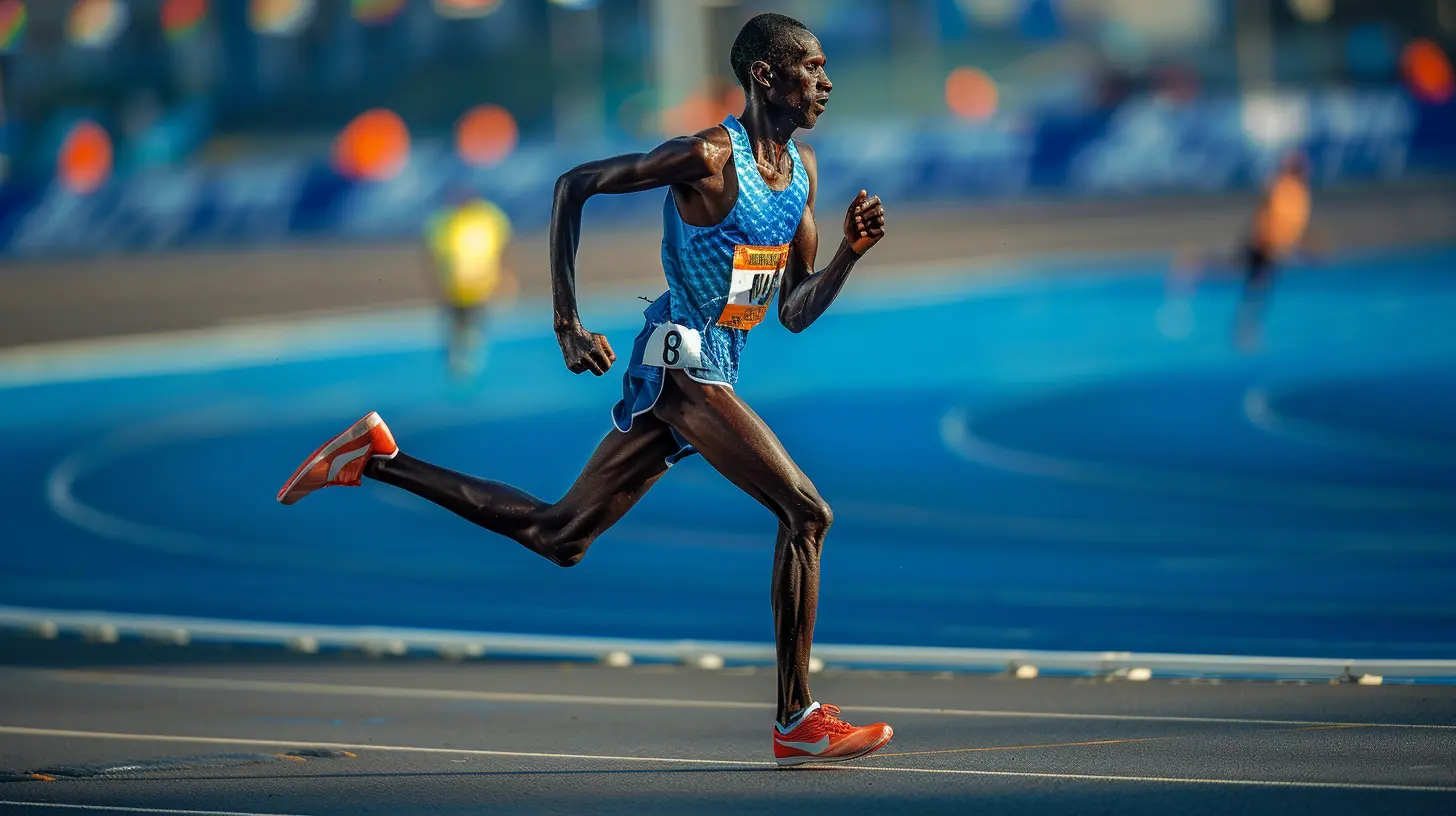
📈 The Long Run: Your Weekly Milestone
Want to run long? Well… you gotta run long.The long run is the cornerstone of endurance training. It teaches your body to:
- Burn fat for fuel
- Improve cardiovascular efficiency
- Adapt to muscle fatigue
Tips for Long Runs:
1. Increase gradually: Follow the 10% rule—don’t add more than 10% mileage per week.2. Run at conversational pace: Save the speed for another day.
3. Fuel properly: Bring water, gels, or energy chews if you're running over 60 minutes.
4. Recover smartly: Long runs take a toll, so eat, hydrate, and rest afterward.
Think of the long run as your weekly rehearsal for race day. You’re training your body and your brain to go the distance.
🔄 Mix It Up: Incorporate Different Run Types
Variety isn’t just the spice of life—it’s the secret sauce of endurance training. Doing the same run over and over won’t help you improve much past a certain point.Here are some run types to rotate in:
1. Tempo Runs
These help increase your lactate threshold—basically, they teach your body to run faster for longer without feeling like death.🕒 How? Run 20–40 minutes at a "comfortably hard" pace (can’t sing, but can still talk in short sentences).
2. Interval Training
Yes, speedwork helps endurance too! Short bursts of high effort followed by recovery jogs.💡 Example: 4 x 800m at hard effort with 400m recovery jogs.
3. Fartlek Runs
A Swedish word meaning “speed play”—this is unstructured interval training.🏃 Run fast between two trees? Easy jog until the next lamppost? That’s a fartlek workout.
Mixing in these runs trains different energy systems and keeps things fun and challenging.
🏋️♂️ Strength Training: Your Underrated Secret Weapon
Think running alone will make you a better runner? Hate to break it to you, but strength training is crucial for injury prevention and muscular endurance.We’re not talking bodybuilder-style here. You need functional strength—movements that support your running mechanics.
Focus on These Muscle Groups:
- Glutes & Hamstrings: For power- Core: For stability and posture
- Quads & Calves: For propulsion
- Hips: For balance and control
Aim for two sessions a week. Bodyweight exercises are a great start: lunges, squats, planks, bridges—keep it simple and consistent.
🛌 Recovery: Where the Magic Happens
Here’s something runners tend to forget: You don’t get stronger during runs—you get stronger when you recover from them.Rest isn’t lazy; it’s essential.
Prioritize Recovery By:
- Sleeping 7–9 hours a night- Taking at least one full rest day per week
- Doing light stretching or yoga
- Staying hydrated and eating nutrient-dense foods
Think of recovery as "charging your battery." The more juice you’ve got, the farther you’ll go.
🥗 Fuel Up Right: Nutrition for Endurance
Running long distances without proper fuel? That’s like trying to road trip with an empty gas tank. Nope.Pre-Run:
Eat a light meal rich in complex carbs 1–2 hours before your run. Think toast with peanut butter or a banana with oatmeal.During the Run:
If you’re going longer than an hour, aim to take in 30–60g of carbs per hour. Energy gels, chews, or even dried fruits can help.Post-Run:
Rebuild with a mix of protein and carbs. A smoothie with protein powder and fruit hits the spot.Hydration matters too—don’t wait till you’re parched. Sip water throughout the day.
📅 Stick to a Plan: Training Schedules Matter
You don’t need to be overly rigid, but following a structured training plan helps you gradually and safely increase your endurance.A Solid Weekly Plan Might Include:
- 1 long run- 1 easy recovery run
- 1 speed or tempo workout
- 1–2 cross-training or strength days
- 1–2 rest or active recovery days
Find a balance that works for you. Consistency beats intensity, especially in the long-distance game.
👟 Gear Up: Your Tools for Going the Distance
You don’t need top-of-the-line everything, but a few key pieces of gear can make your training a whole lot smoother.Essentials:
- Proper running shoes: Get fitted at a running store
- Moisture-wicking clothes: Ditch the cotton
- Hydration pack or belt: Especially for long runs
- Running watch or app: To track progress
Think of gear as your support crew—it helps you stay comfortable so you can focus on hitting your stride.
🧩 Bonus Tips Most Runners Overlook
- Run by feel sometimes, not just numbers- Join a running group or find a buddy—it keeps you accountable
- Don’t race every run—easy runs matter just as much
- Embrace bad days—they’re part of the progress puzzle
- Celebrate milestones—even the small ones!
🏁 Final Thoughts: It's a Marathon, Not a Sprint (Literally)
Building endurance for long-distance running isn't about instant results. It’s about smart training, steady progress, and respecting the process. Run easy, run often, and don’t be afraid to take a step back if your body’s telling you to chill.You’re not just logging miles—you’re building resilience, discipline, and confidence with every step. So the next time you’re out there, tired and panting but pushing through, remember: you're building something much bigger than just mileage.
Keep running. Your future self will thank you.
all images in this post were generated using AI tools
Category:
RunningAuthor:

Frankie Bailey
Discussion
rate this article
2 comments
Brooke Bennett
Building endurance for long-distance running requires a holistic approach: gradually increase mileage, incorporate interval training, prioritize recovery, and maintain proper nutrition. Consistency is key—embrace the journey and listen to your body, as every step forward strengthens both physical and mental resilience.
March 13, 2026 at 5:01 AM
Frankie Bailey
Absolutely, it's all about balance. Gradual mileage increases and smart recovery make a huge difference. Listening to your body keeps you on track for long-term success.
Makayla Lozano
Great tips! Remember, every step counts, and it’s not just about the miles but enjoying the journey. Keep a steady pace, stay hydrated, and have fun – you’ve got this! 🏃♂️💪
February 7, 2026 at 3:40 AM