How the 2027 Season Changed the Way We See the Game
22 September 2026
Every so often a sports season does more than crown a champion. It rewires how fans, coaches, and analysts think about the sport itself. The 2027 season did exactly that. Not because of a single rule change or one transcendent player, but because several trends that had been building for years finally collided at once. What emerged was a version of the game that looked familiar on the surface and felt completely different underneath.
This is not a recap of who won what. It is an argument about what the season revealed, why those revelations matter, and what anyone who cares about the sport should take from it going forward.
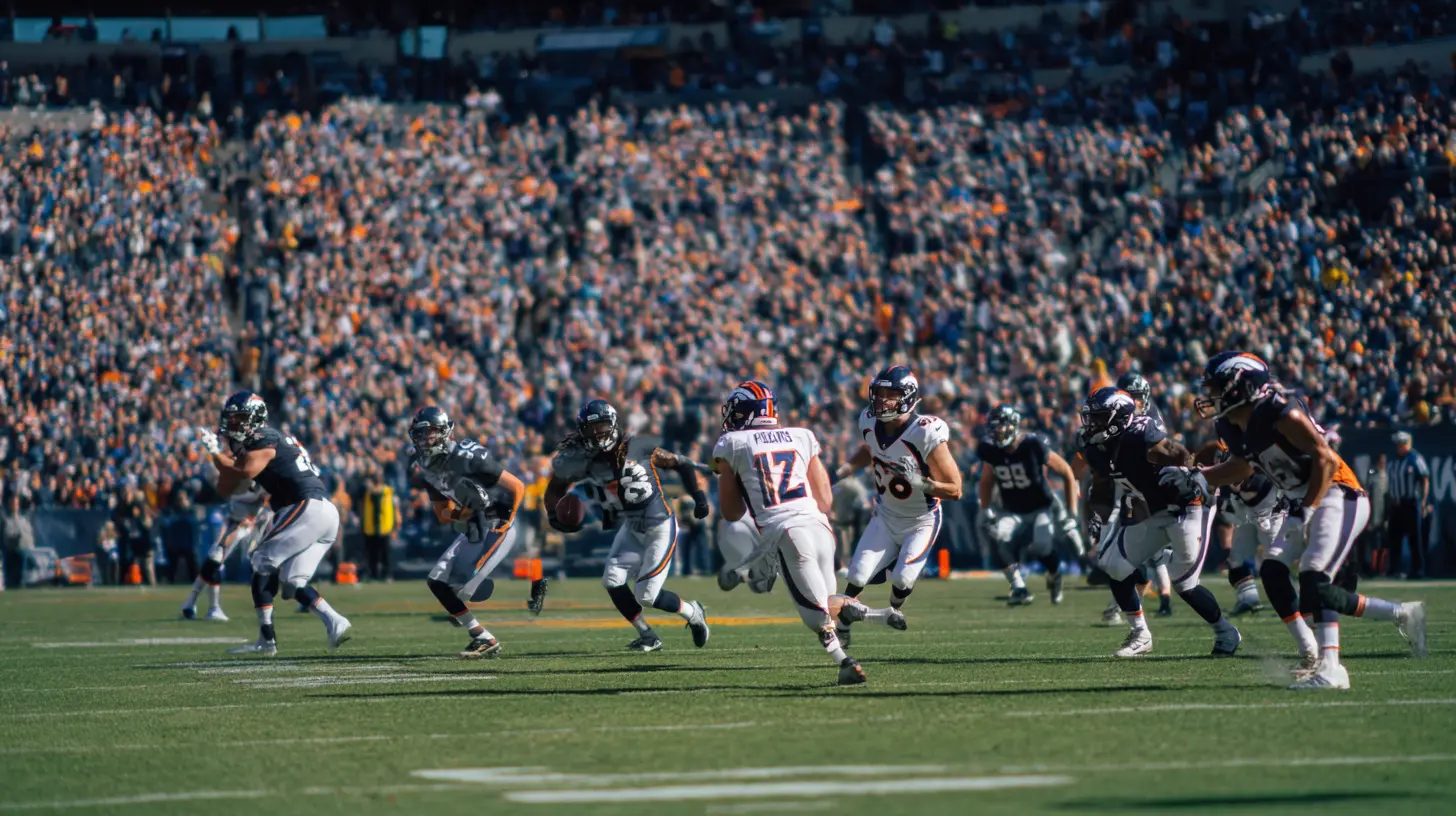
The Compression of Time and Space
For decades, the fundamental tension in most team sports has been between time and space. You either play fast and accept chaos, or you play slow and control the game. The 2027 season suggested that this trade-off is no longer as clean as it once was.Why Efficiency Stopped Being Optional
Analytics departments have spent years telling coaches that certain actions are worth more than others. In 2027, that message stopped being theoretical. Teams that ignored efficiency metrics did not just lose marginally. They got exposed in ways that were impossible to explain away.Consider how possession value is now calculated in real time. Coaching staffs receive live data on which player combinations generate the highest expected points per possession. In the past, this information was reviewed after the game. Now it shapes substitutions mid-quarter. The result is that a coach who once trusted instinct over numbers is now competing against opponents who have both.
This is not to say instinct is dead. Far from it. The best coaches in 2027 used data as a filter, not a replacement for judgment. They asked better questions because the numbers gave them a clearer picture of what was actually happening versus what seemed to be happening.
The Cost of Playing Slow
One of the most striking developments was how punishing slow play became. Teams that tried to shorten games by holding the ball found that opponents had learned to exploit those long possessions. A slow approach only works if you convert at a high rate. If you do not, you are essentially giving your opponent a rested defense and a shortened field.The trade-off is real, though. Fast play increases variance. A team that plays at maximum tempo can blow out an opponent or lose to one it should beat. The 2027 season offered examples of both. The teams that succeeded were the ones that could shift tempo situationally, not the ones that committed to a single speed.
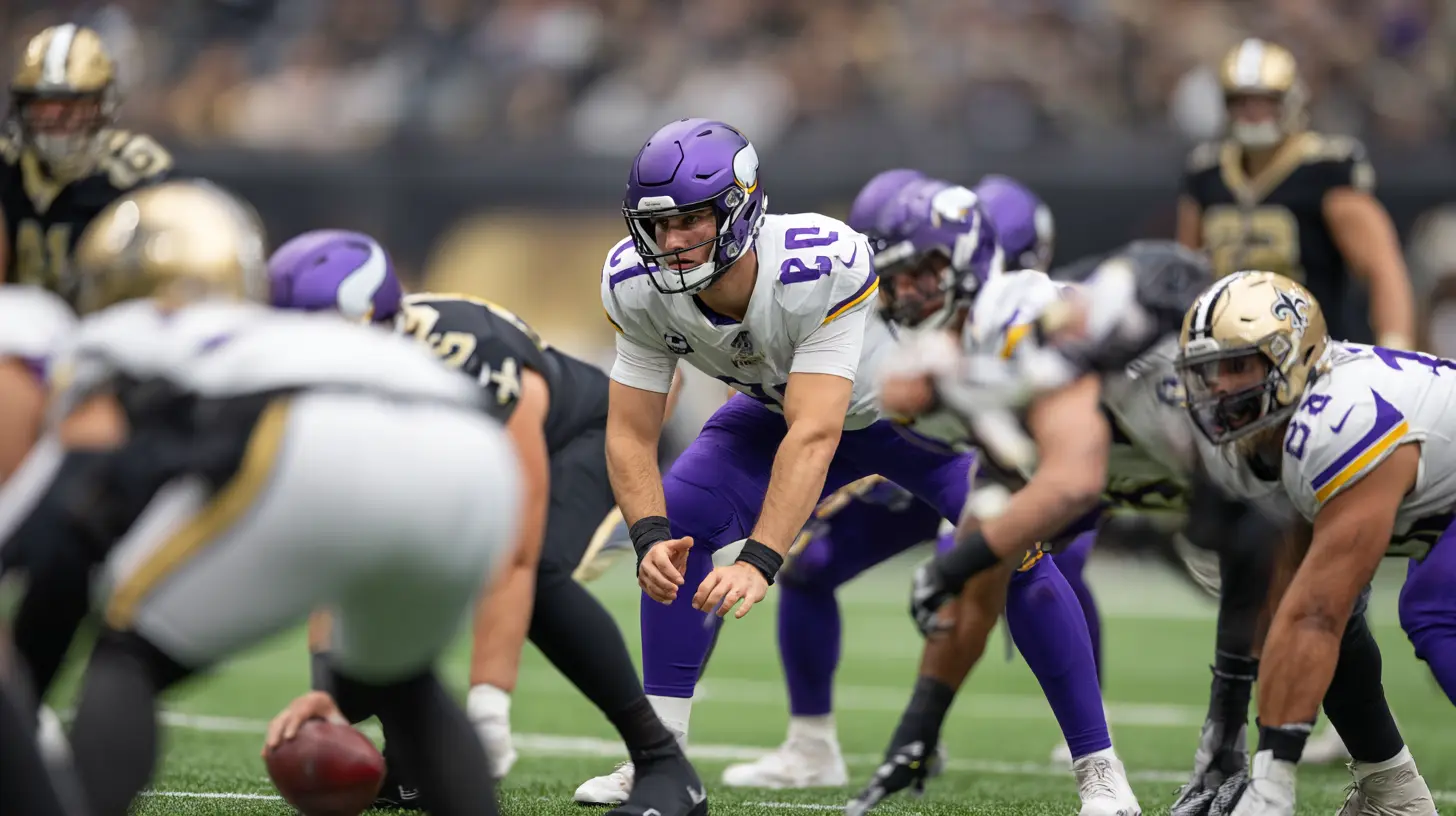
The Rise of Positional Fluidity
Positional labels have been eroding for years, but 2027 made the shift undeniable. The idea that a player occupies one role and one role only now feels almost quaint.What Fluidity Actually Looks Like
In practical terms, positional fluidity means that a defender might initiate the offense, a forward might drop into a defensive shell, and a midfielder might spend time on the wing. This is not new in isolation. What changed in 2027 was the scale and the intentionality.Coaches stopped treating versatility as a bonus and started treating it as a requirement. A player who could only do one thing well became a liability, not because that one thing was not valuable, but because the game demanded constant adjustment.
The Downside of Versatility
There is a real cost to this. Players who are asked to do everything often master nothing. The 2027 season had its share of "jack of all trades" players who struggled in high-pressure moments because they had never fully owned a single role.The best teams found a middle path. They developed specialists and then taught those specialists a second and third skill. The goal was not to create generalists but to create experts who could adapt.
Defense as the New Offense
One of the most counterintuitive lessons of 2027 was that the best offenses were built on defensive principles.Why This Happened
When every team can score, the differentiator becomes how quickly you can get the ball back and how well you can convert turnovers into points. Defense stopped being a separate phase of the game and became the first step of the attack.Teams that understood this invested heavily in defensive anticipation. They trained players to read passing lanes, to gamble intelligently, and to recover instantly when the gamble failed. The result was a style of play that looked aggressive but was actually highly calculated.
The Risk of Over-Gambling
The trade-off is obvious. A team that gambles too much gives up easy points. The 2027 season showed that the margin for error is thin. Teams that ranked in the top quartile for turnovers forced also ranked near the bottom for points allowed off turnovers. The successful ones accepted this trade-off because the math worked in their favor over a full season.
The Mental Game Got Real
Sports psychology has been part of elite competition for decades. In 2027, it became part of the visible game in ways that were hard to ignore.Pressure Is Now Measurable
Wearable technology and advanced tracking have made it possible to measure heart rate variability, focus levels, and stress responses in real time. Coaches now know which players are likely to crack before they actually do.This is powerful and dangerous. Used well, it allows a coach to give a struggling player a break before a mistake happens. Used poorly, it creates a self-fulfilling prophecy where a player is treated as fragile and becomes fragile as a result.
What Players Said
Several players spoke openly during the season about the toll that constant monitoring takes. They described a feeling of being watched not just for what they did but for what they might do. Some found it motivating. Others found it exhausting.The best organizations responded by giving players more control over their own data. They let athletes decide what to share and what to keep private. This built trust and, perhaps not coincidentally, improved performance.
The Fan Experience Changed Too
The 2027 season was the first in which the majority of fans watched at least some games through a second screen. This is not a small detail. It changed what fans expected and how they judged what they saw.The Second Screen Effect
When fans have access to live stats, alternate camera angles, and real-time analysis, they become more critical. They notice things they would have missed before. They question decisions that once seemed automatic.This has upsides and downsides. The upside is that fans are more engaged and more informed. The downside is that they often lack the context that coaches and players have. A decision that looks baffling on a stat sheet might be perfectly logical given information that is not public.
Why This Matters for the Sport
The gap between what fans think they know and what is actually happening is a problem. The 2027 season showed that teams which communicated openly about their decisions, through press conferences, social media, and behind-the-scenes content, faced less backlash than teams that stayed silent.The lesson is simple. In an era of total information, secrecy is a losing strategy. Transparency, even when it is uncomfortable, builds trust.
What the 2027 Season Got Wrong
No season is perfect, and 2027 had its share of mistakes. It is worth examining them because they reveal what the sport still needs to figure out.The Overreliance on Data
Some teams treated data as gospel. They made decisions that were statistically sound but humanly flawed. They benched players who were struggling not because they had lost confidence but because they were dealing with injuries or personal issues that the numbers could not capture.The mistake was not using data. The mistake was using it as the only input. The best teams in 2027 used data to inform decisions, not to make them.
The Pace of Change
The sport changed faster in 2027 than at any point in recent memory. This created opportunities for teams that adapted quickly and problems for teams that did not. Some players were left behind not because they lacked talent but because they lacked the time to learn new roles.This is a real issue. The sport needs to find a way to evolve without discarding the people who make it worth watching.
Practical Takeaways for Coaches and Analysts
If you are a coach, an analyst, or someone who works in the sport, the 2027 season offers several concrete lessons.Build for Adaptability
Do not build a system that only works one way. Build a system that can shift based on the opponent, the score, and the personnel available. This is harder than it sounds, but it is the difference between a good season and a great one.Use Data as a Tool, Not a Crutch
Data should answer questions, not replace judgment. Use it to challenge your assumptions and to identify patterns you might have missed. But do not let it make decisions for you. The human element is still the most important part of the game.Communicate with Players
Players are not robots. They need to understand why decisions are made. When they do, they buy in. When they do not, they resist. The 2027 season showed that the most successful teams were the ones that treated players as partners, not assets.
Common Misconceptions
Several misconceptions emerged during the season that are worth addressing."Analytics Killed the Eye Test"
This is false. Analytics did not kill the eye test. It sharpened it. The best analysts in 2027 used both. They watched the game carefully and then used data to confirm or challenge what they saw. The two approaches are not enemies. They are allies."Positional Fluidity Means Positions Do Not Matter"
This is also false. Positions still matter. What changed is that the boundaries between them became more porous. A player still needs to know their role. They just need to know several roles as well."The Game Is Too Fast Now"
This is a matter of taste. Some fans prefer a slower, more deliberate game. Others prefer speed. The 2027 season did not settle this debate. It simply showed that speed is now a competitive advantage. Teams that cannot play fast will struggle. That does not mean every team should play fast all the time. It means every team should be able to.What Comes Next
The 2027 season was not an ending. It was a transition. The trends that emerged will continue to develop. Some will prove to be lasting. Others will fade.What is clear is that the sport is in a period of rapid change. The teams and players who succeed will be the ones who embrace that change without losing sight of what makes the game worth playing.
That is not a new idea. It is an old one. But the 2027 season gave it new urgency.
all images in this post were generated using AI tools
Category:
Season RecapsAuthor:

Frankie Bailey
Discussion
rate this article
1 comments
Galina Bennett
The 2027 season transformed our understanding of strategy and teamwork.
September 22, 2026 at 4:29 AM