How Team B’s Defensive Shape Crumbled Under Pressure
30 May 2026
In sports, the old adage “defense wins championships” rings true across nearly every discipline. A team’s ability to stay organized and resilient at the back is often the difference between success and failure. But what happens when that defensive shape falters, especially under mounting pressure? That's precisely what we witnessed with Team B. Their defensive structure, once hailed for its discipline, crumbled like a sandcastle at high tide when faced with relentless opposition.
In this article, we'll break down how Team B's defensive shape fell apart under pressure, explore the key moments of collapse, and identify the tactical errors that paved the way for their downfall. If you're a sports fan who loves diving deep into tactics, buckle up—this is going to be an insightful ride!
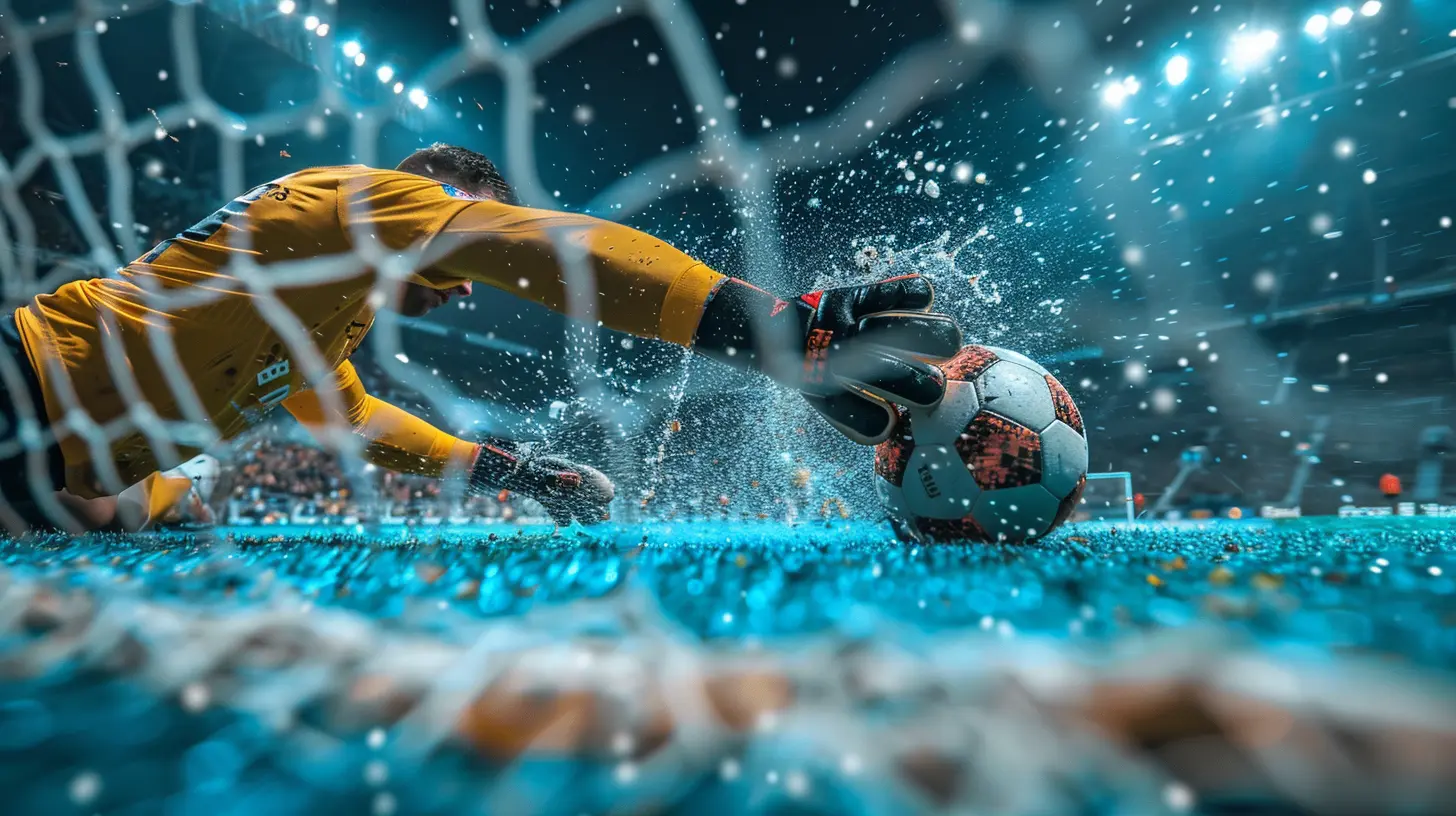
The Importance of Maintaining Defensive Shape
Before we analyze what went wrong, let’s first understand why maintaining a solid defensive shape is so crucial. In team sports, defensive shape refers to the organization and positioning of players when the other team has possession of the ball. A well-organized defense:- Limits space for attackers.
- Forces the opponent to play wide or backward.
- Reduces the risk of conceding goals by keeping players in the right places.
Think of it like a well-oiled machine. If one cog fails, the entire mechanism breaks down. And that’s exactly what happened to Team B.
Why Teams Crumble Under Pressure
Pressure does funny things to people—and teams are no different. When the heat is on, decision-making becomes rushed, communication falters, and individual mistakes start to pile up. The pressure can come in various forms: a high press from the opposition, an overwhelming attacking force, or even the psychological weight of the game’s significance.For Team B, the pressure came from all angles. The opposition executed a high-energy, aggressive press, constantly forcing mistakes and capitalizing on errors. So, what exactly went wrong for Team B? Let’s dive deeper.
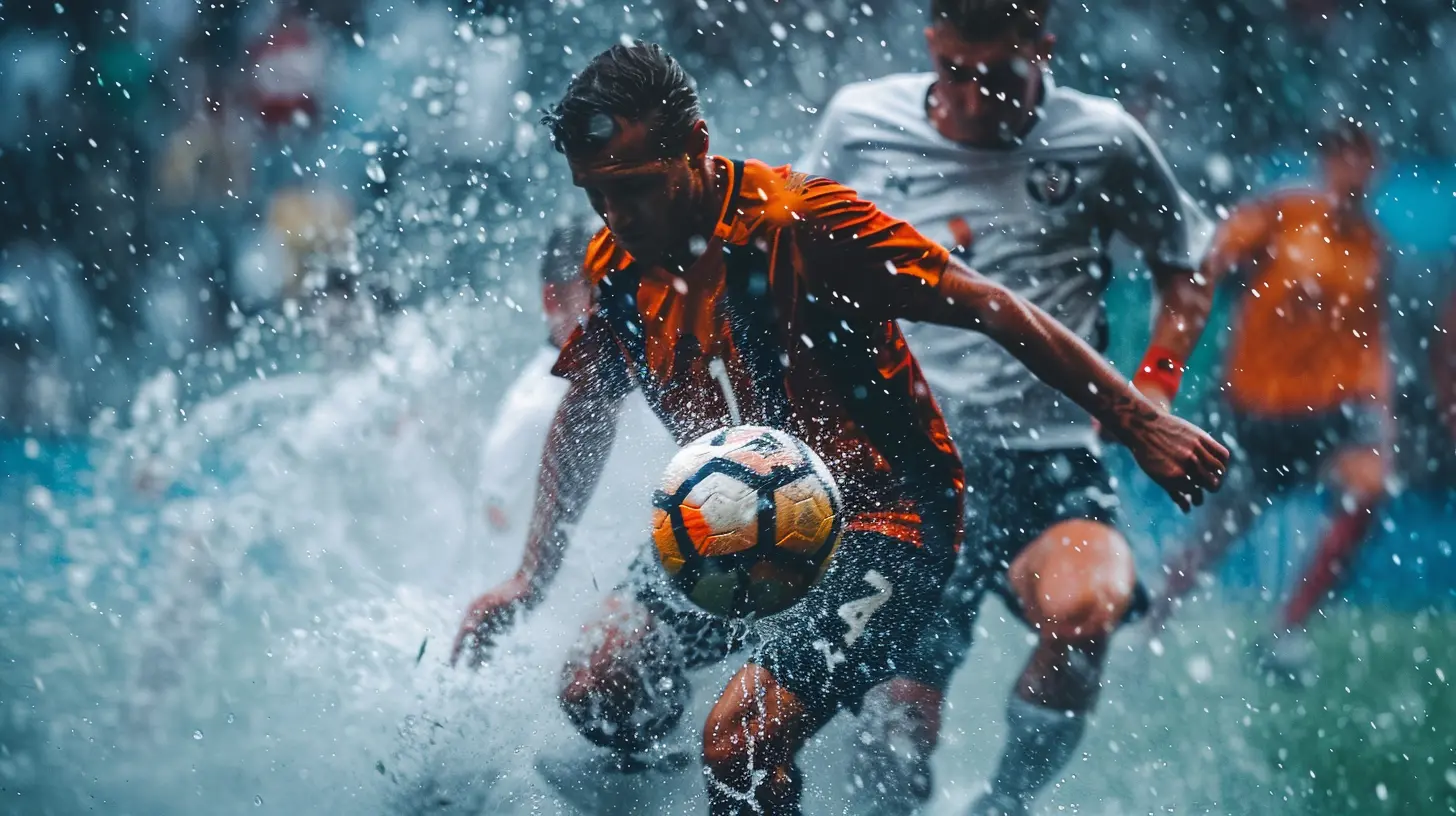
The Cracks in Team B’s Defense
1. Lack of Communication and Leadership
One of the fundamental components of any defense is communication. Players need to talk, constantly adjusting their positions, covering for teammates, and ensuring that no gaps open up. But for Team B, communication was practically non-existent. It was as if the defenders were playing in isolation, each trying to do their job without considering the bigger picture.
Without a commanding figure at the back to organize the defense (think of someone like Virgil van Dijk or Sergio Ramos), Team B’s defensive line became disjointed. Players were stepping up when they should’ve been dropping back, while others were holding the line when they should’ve been pressing. It was chaos, and chaos in defense usually leads to disaster.
2. Failure to Adapt to the Opposition’s Pressing Game
The opposition’s high press was relentless. From the first whistle, they pressed Team B’s defenders the moment they had possession. The goal of a high press is to force mistakes, and boy, did it work. Team B’s defenders panicked under pressure, often opting for risky passes or aimless clearances rather than calm, composed play.Instead of adjusting their approach—such as playing quicker passes, using the goalkeeper as an outlet, or bypassing the press with long balls—Team B persisted with their usual style of building from the back. This persistence only played into the hands of their opponents, who feasted on the mistakes that followed.
3. Gaps Between the Lines
Defensive shape isn’t just about the back line. It involves every player on the field knowing their role in both attack and defense. When Team B lost possession, however, there were huge gaps between their lines. The midfield was too slow to drop back and help out, leaving their defenders exposed to wave after wave of attacks.These gaps made it easy for the opposition to exploit space. A simple pass between the lines would take out multiple players, leaving Team B’s defenders scrambling to recover. When your defensive shape is stretched like that, it’s only a matter of time before you concede. And Team B did—repeatedly.
4. Individual Mistakes Under Pressure
Pressure often exposes individual weaknesses, and for Team B, it was no different. Players who had been reliable all season suddenly started making basic errors—misplaced passes, poor clearances, and mistimed tackles.One glaring example was when the opposition pressed Team B’s center-back deep in their half. Instead of clearing the ball or playing a safe pass, the defender tried to dribble out of trouble. Predictably, they lost possession, and within seconds, the ball was in the back of the net. It’s these kinds of individual mistakes, compounded by the collective breakdown, that led to Team B’s undoing.
5. Overcommitting in Attack
In their desperation to get back into the game, Team B made the classic mistake of overcommitting players forward. When you throw too many players into attack without the proper defensive cover, you leave yourself wide open to counter-attacks.That’s exactly what the opposition capitalized on. With Team B pushing bodies up the field, there was acres of space left behind for the opposition to exploit. Time and again, the opposition broke quickly, catching Team B’s defense out of position. Counter-attacks are one of the most effective ways to exploit a disorganized defense, and Team B learned that the hard way.
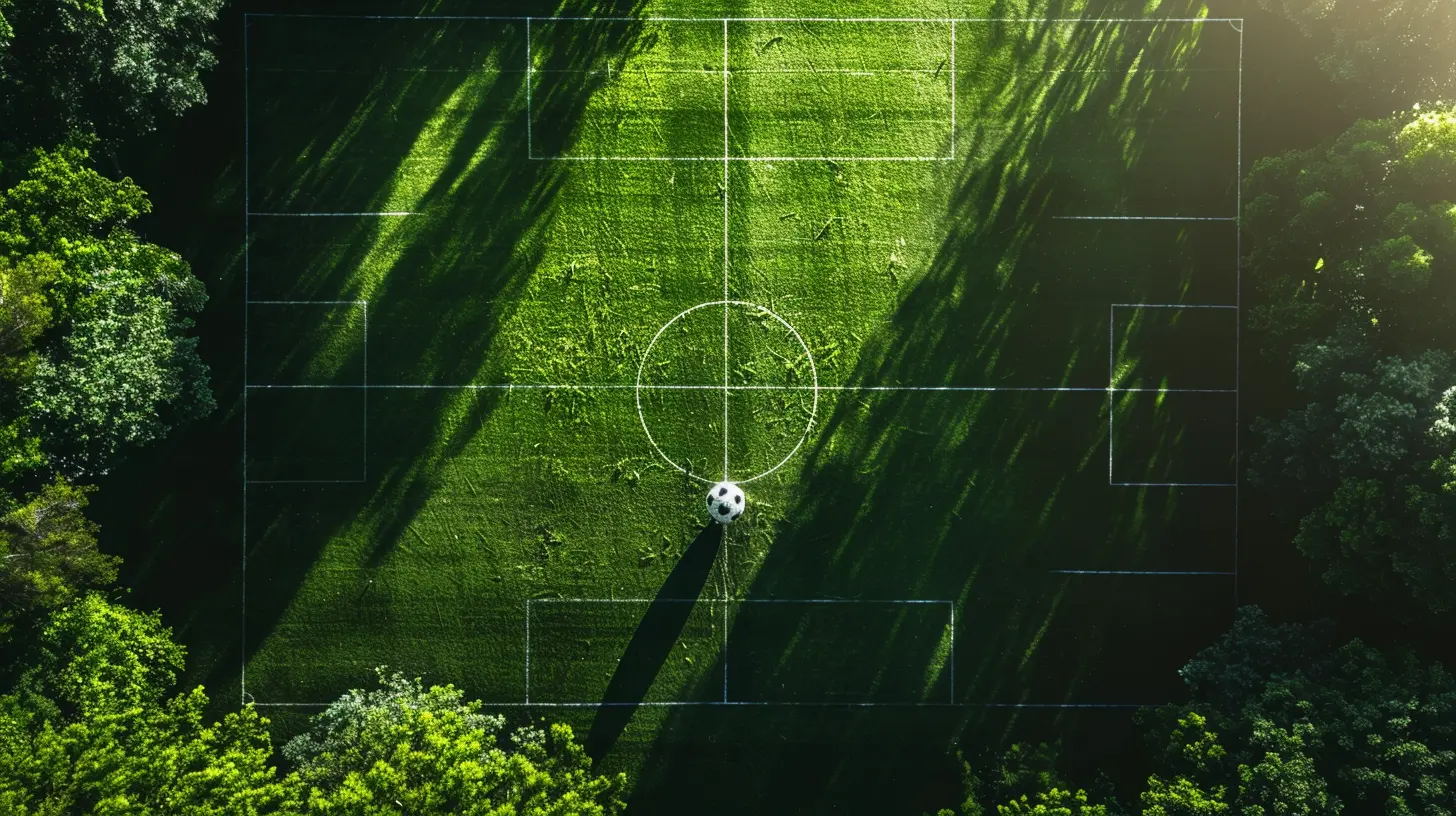
How Could Team B Have Responded?
It’s easy to sit back and analyze after the fact, but what could Team B have done differently to prevent their defensive shape from crumbling? Let’s explore a few adjustments that might have saved them from this tactical disaster.1. Better Communication and Organizing
As mentioned earlier, communication is key. A vocal leader at the back could’ve made all the difference. If each defender knew their role and was constantly adjusting based on the movements of their teammates, the defensive shape could have held firm. One player barking orders, ensuring the line stays intact, and organizing the midfield to drop back when needed could have prevented many of the gaps that appeared.
2. Adapt the Build-Up Play
Team B should have recognized that their usual style of playing out from the back wasn’t working against the high press. Adaptability is crucial in modern football. They could have mixed things up by playing longer balls up the field or using their goalkeeper more effectively to bypass the press. This would’ve relieved some of the pressure on the defenders, giving them a chance to reset and reorganize.3. Tighter Midfield Control
The midfield needs to act as the first line of defense, especially when the opposition is pressing high. By having their midfield drop deeper, Team B could’ve closed the gaps between the lines and made it harder for the opposition to play through them. A more compact formation, with the midfield and defense working in unison, would have made life much harder for the attacking team.4. Stay Calm Under Pressure
Easier said than done, right? But remaining composed under pressure is something that separates the best teams from the rest. Team B’s defenders needed to stay calm, make simple decisions, and avoid taking unnecessary risks. Instead, they let the pressure get to them, resulting in rash decisions and costly mistakes.5. Balance Between Attack and Defense
In the quest to score goals, Team B lost their defensive discipline. There’s nothing wrong with committing players forward, but you need to do it in a balanced way. By ensuring they always had players covering defensively, Team B could’ve avoided being so vulnerable to counter-attacks. Playing smart is just as important as playing aggressively.
Conclusion: A Lesson in Defensive Failures
Team B’s defensive collapse is a cautionary tale for any team that prides itself on organization and discipline. The moment you lose your shape, fail to communicate, or crack under pressure, you’re opening the door for the opposition to take control. In this case, the opposition didn’t just open the door—they kicked it down.The key takeaway here? No matter how good your defense is on paper, it only works if the players stay organized, communicate effectively, and adapt to the challenges posed by the opposition. For Team B, this game will serve as a painful reminder of how quickly things can fall apart when the pressure is on.
all images in this post were generated using AI tools
Category:
Post Match AnalysisAuthor:

Frankie Bailey
Discussion
rate this article
1 comments
Jemima McGonagle
Was it the pressure or a deeper flaw? Team B's collapse raises unsettling questions...
June 10, 2026 at 2:27 AM
Frankie Bailey
Team B's collapse highlights both the pressure they faced and underlying issues in their strategy. It's a mix of immediate stress and deeper flaws in their defensive approach.