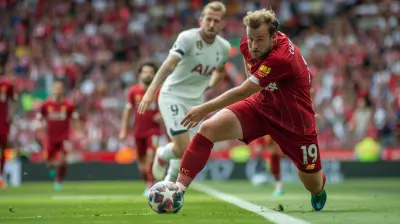
How Tactical Flexibility Gave One Team the Edge
23 February 2026
In the fast-paced and ever-evolving world of sports, one thing is clear: adaptability is key. Teams that can adjust their tactics, stay unpredictable, and outsmart their opponents often find themselves on the winning side. This concept, known as tactical flexibility, isn’t just reserved for the elite teams, but it can be the secret weapon for any team aiming to gain an edge.
But what exactly is tactical flexibility, and how can it turn the tide in a game? Let’s explore this fascinating concept and take a deep dive into how one team used it to their advantage, giving them the competitive edge when it mattered most.

What is Tactical Flexibility?
Tactical flexibility refers to the ability of a team to shift its strategy or formation during a game to adapt to changing circumstances. It could be a formation change, a switch in playing style, or even a complete overhaul in how the team approaches specific moments in the match. In simple terms, it's like having more than one trick up your sleeve.Think of tactical flexibility as a Swiss Army knife. You don’t always need the same tool for every situation. Sometimes you need the corkscrew; other times, you need the scissors. The same applies to sports—what works in one situation may not work in another, and the ability to change gears is crucial to success.
Why is Tactical Flexibility Important?
In sports, predictability can be your worst enemy. Coaches, players, and even fans know that a rigid game plan can be easily exploited. If your opponents can ‘read’ your tactics, they’re already halfway to neutralizing your strengths. Tactical flexibility allows teams to stay one step ahead by keeping opponents on their toes, forcing them to react rather than dominate.But it’s not just about confusing the other team. Tactical flexibility also empowers a team to respond to in-game realities—whether that’s player injuries, refereeing decisions, or even weather conditions. It’s not about sticking to Plan A at all costs; it’s about having Plans B, C, and D ready to go.
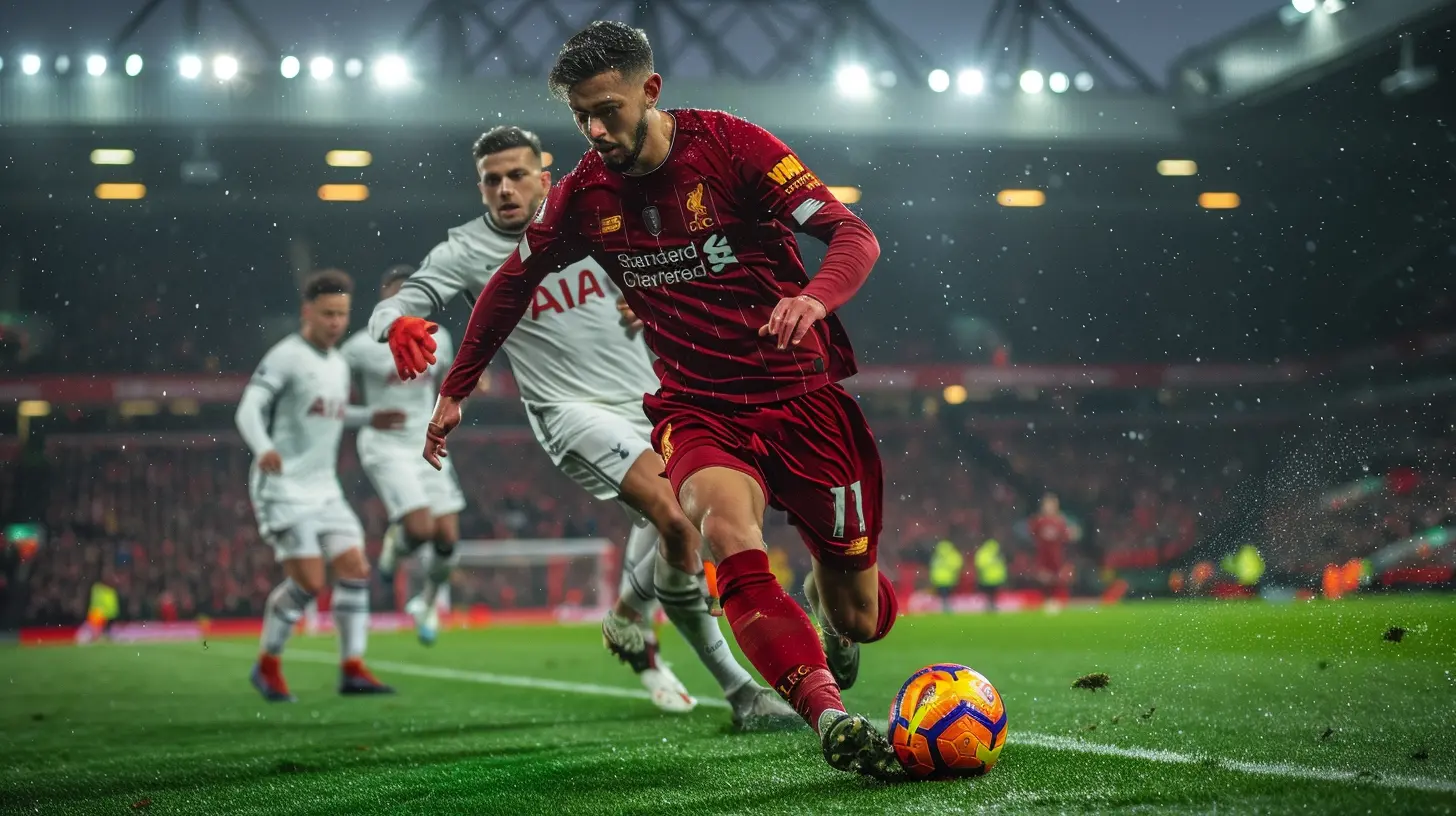
The Role of the Coach in Tactical Flexibility
The concept of tactical flexibility starts with the coach. A good coach understands that the game can change in the blink of an eye, and they prepare their team accordingly. The best coaches are like chess masters, thinking multiple moves ahead. They study opponents, identify weaknesses, and train their players to execute different strategies depending on the situation.For example, let’s imagine a soccer team coached by someone like Pep Guardiola, a well-known proponent of tactical flexibility. Guardiola is famous for constantly tweaking formations and changing positions during a match. His teams don’t just rely on one system; they have the ability to switch between multiple playing styles, whether it's high-pressing, possession-based football, or playing on the counter-attack.
This adaptability is what sets great coaches apart from the rest. They don’t just react to the game; they anticipate it.
Player Versatility is Key
Of course, tactical flexibility can only work if the players are versatile enough to pull it off. The modern athlete is no longer just a specialist in one position. Today’s top players are hybrid athletes capable of performing multiple roles during a game.Take, for instance, a player like Kevin De Bruyne in soccer. De Bruyne is a midfielder, but he’s also capable of playing as an attacking winger, a central playmaker, or even a deep-lying playmaker. His broad skill set makes him a dream for a tactically flexible coach. If the team needs more control in the midfield, he drops deeper. If they need more penetration in the attack, he pushes forward.
This level of versatility is what allows teams to be tactically fluid. Players must be comfortable moving out of their ‘natural’ positions to suit the needs of the team. It’s no longer just about how well you can play your position; it’s about how well you can adapt to different roles.
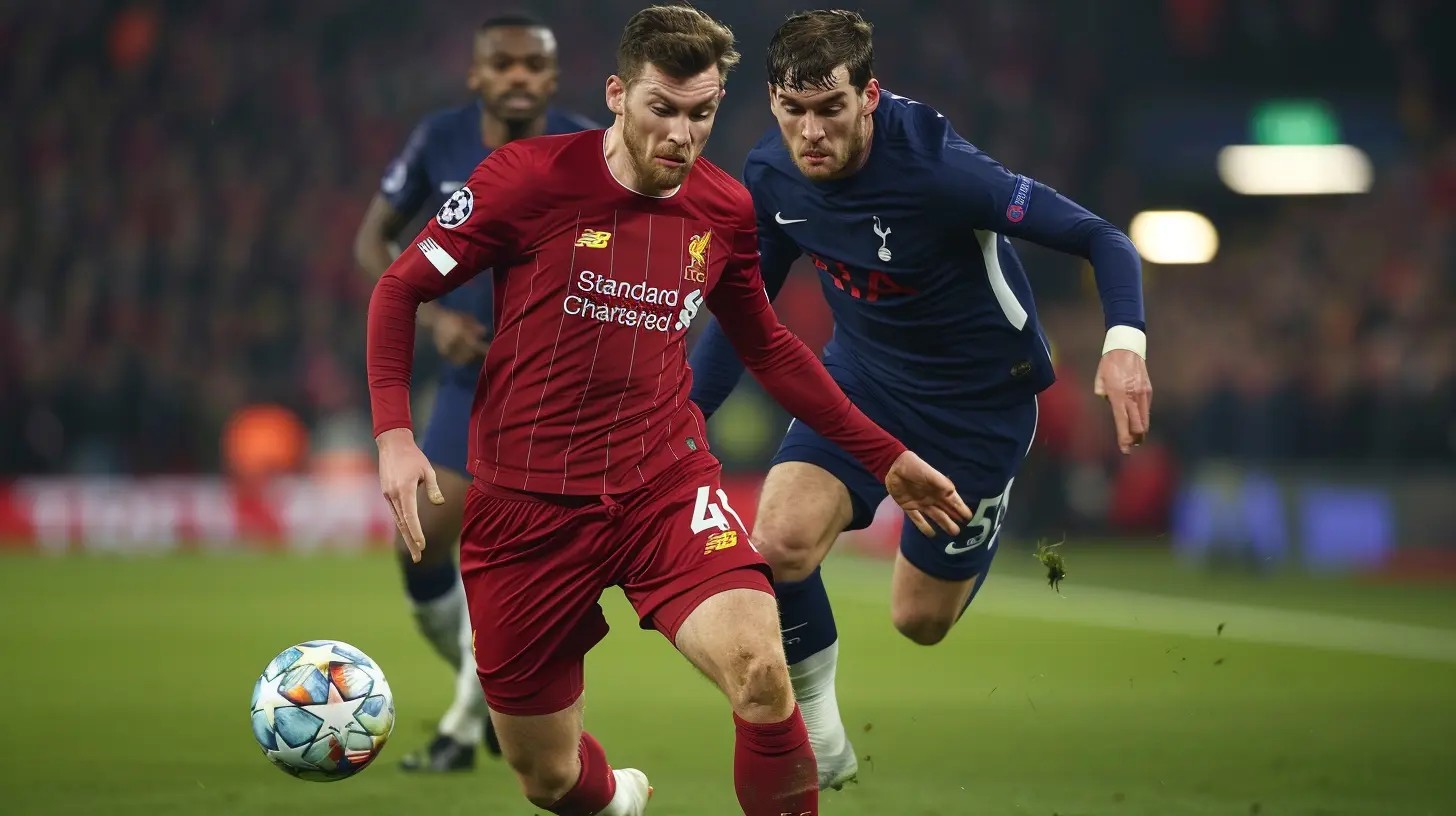
How Tactical Flexibility Changed the Game for One Team
Let’s dive into a real-world example of how tactical flexibility gave one team the edge. We’ll take a closer look at a specific case where this adaptability turned an underdog into a winner.Leicester City’s 2015-16 Premier League Title
One of the most unforgettable examples of tactical flexibility in sports history is Leicester City’s miraculous Premier League title win during the 2015-16 season. Leicester started the season as 5000-to-1 outsiders, but they ended it as champions. How did they manage to pull off such a feat? Tactical flexibility played a huge role.Leicester’s manager at the time, Claudio Ranieri, wasn’t afraid to adapt his tactics depending on the opponent. He went against the grain, often prioritizing defensive solidity and counter-attacks, knowing that his squad wasn’t stacked with world-class talent. But more importantly, Ranieri wasn’t afraid to make adjustments mid-game.
One standout example was Leicester’s ability to seamlessly switch between a 4-4-2 formation and a more defensive 4-5-1 depending on the situation. Against stronger opponents, Leicester would shift to the 4-5-1, clogging the midfield and forcing the opposition to try and break them down. This tactic worked wonders against top teams like Manchester City and Chelsea, who struggled to find space against Leicester’s disciplined defensive setup.
On the flip side, when playing against teams that were more attack-minded, Leicester employed a high-pressing 4-4-2, using the pace of players like Jamie Vardy to spring devastating counter-attacks. This adaptability allowed Leicester to outwit opponents, even those with far superior technical ability.
The Jamie Vardy Factor
Speaking of Jamie Vardy, he was the epitome of tactical flexibility. Vardy wasn’t just a goal poacher; he was a relentless runner, pressing defenders and forcing mistakes. His ability to adapt to different roles within the team’s tactical setup made him a nightmare for defenders. Whether Leicester was sitting deep and countering or pressing high, Vardy could adjust his game to thrive in either scenario.In many ways, Vardy’s adaptability mirrored Leicester’s overall tactical approach. He wasn’t limited to one playing style, and neither was the team. This tactical unpredictability threw opponents off balance, giving Leicester the edge in key moments.
The Psychological Edge – Keeping Opponents Guessing
While tactical flexibility directly benefits a team’s strategy, there’s a psychological element to consider as well. When a team is known for being tactically flexible, it forces opponents to prepare for multiple outcomes. This can lead to uncertainty and hesitation, both of which are fatal in the heat of competition.Imagine being a coach preparing to face a team like Leicester City during their title-winning season. Do you prepare for the high-pressing, counter-attacking Leicester, or the compact, defensively solid Leicester? The truth is, you need to prepare for both, and that’s where the psychological battle begins. Having multiple tactics at your disposal can create a mental edge, as your opponent is forced to split their focus, rather than honing in on one game plan.
Even during the game itself, tactical flexibility can make it harder for opponents to find their rhythm. If a team is constantly shifting tactics, it disrupts the flow of the game, making it harder for the opposition to settle into their own strategy.
When Tactical Flexibility Backfires
Of course, tactical flexibility isn’t a silver bullet. In some cases, constantly changing tactics can lead to confusion among players. If the team isn’t properly trained or doesn’t fully understand the system, things can go south quickly.A good example of this would be Arsenal’s struggles under former manager Unai Emery. Emery was known for tinkering with formations and tactics, but his constant changes often left players unsure of their roles. Without clarity and proper execution, tactical flexibility can quickly turn into tactical chaos.
That’s why it’s essential for teams to strike a balance. While it’s important to have multiple tactical options, there needs to be a clear understanding of when and how to implement them.
Conclusion: The Future of Tactical Flexibility
As sports continue to evolve, there’s no doubt that tactical flexibility will become even more important. Teams are becoming more data-driven, and coaches are constantly looking for new ways to gain an edge. In this environment, the ability to adapt quickly and effectively will be more valuable than ever.Whether it's soccer, basketball, or any other sport, the teams that can stay unpredictable, versatile, and adaptable will always have a leg up on the competition. Tactical flexibility isn’t just a trend; it’s the future of competitive sports. The days of sticking rigidly to one formation or game plan are over. The teams that can think on their feet, adapt in real-time, and outsmart their opponents will be the ones lifting trophies.
So, next time you're watching a game and you see a team make a tactical switch mid-match, remember: You might just be witnessing the key moment that gives them the edge.
all images in this post were generated using AI tools
Category:
Post Match AnalysisAuthor:

Frankie Bailey
Discussion
rate this article
2 comments
Heidi McInnes
This article brilliantly highlights how tactical flexibility can be a game-changer. The ability of a team to adapt their strategy mid-game not only confounds opponents but also maximizes their strengths. It's a testament to smart coaching and player versatility—key components in modern sports success. Great read!
April 8, 2026 at 12:29 PM
Frankie Bailey
Thanks for the kind words! I'm glad you found the article insightful. Tactical flexibility truly is a game-changer in sports.
Christina Elliott
Great insights on the tactical flexibility that can define a team's success! It’s fascinating to see how adapting strategies in real-time can lead to crucial victories. Well done!
February 24, 2026 at 6:03 AM
Frankie Bailey
Thank you for your feedback! I'm glad you found the insights valuable. Adapting in real-time really makes a difference.