How Premier League Teams Are Managing Injury Crises in 2026
26 April 2026
Let’s be real for a second: if you’ve watched any Premier League match this season, you’ve probably screamed at your TV, “Why is my star player in a tracksuit again?!” Welcome to 2026, where injury crises aren’t just a headache—they’re a full-blown migraine that’s reshaping how clubs operate. We’re talking about a league where the physio room has become more crowded than a London tube at rush hour. But here’s the kicker: instead of crying into their tactical boards, managers are getting sassy about it. They’re flipping the script, using data, witchcraft (okay, maybe just science), and sheer audacity to keep their squads afloat. So, grab your protein shake and your best pair of sweatpants, because we’re diving into how Premier League teams are managing injury crises in 2026—and trust me, it’s anything but boring.
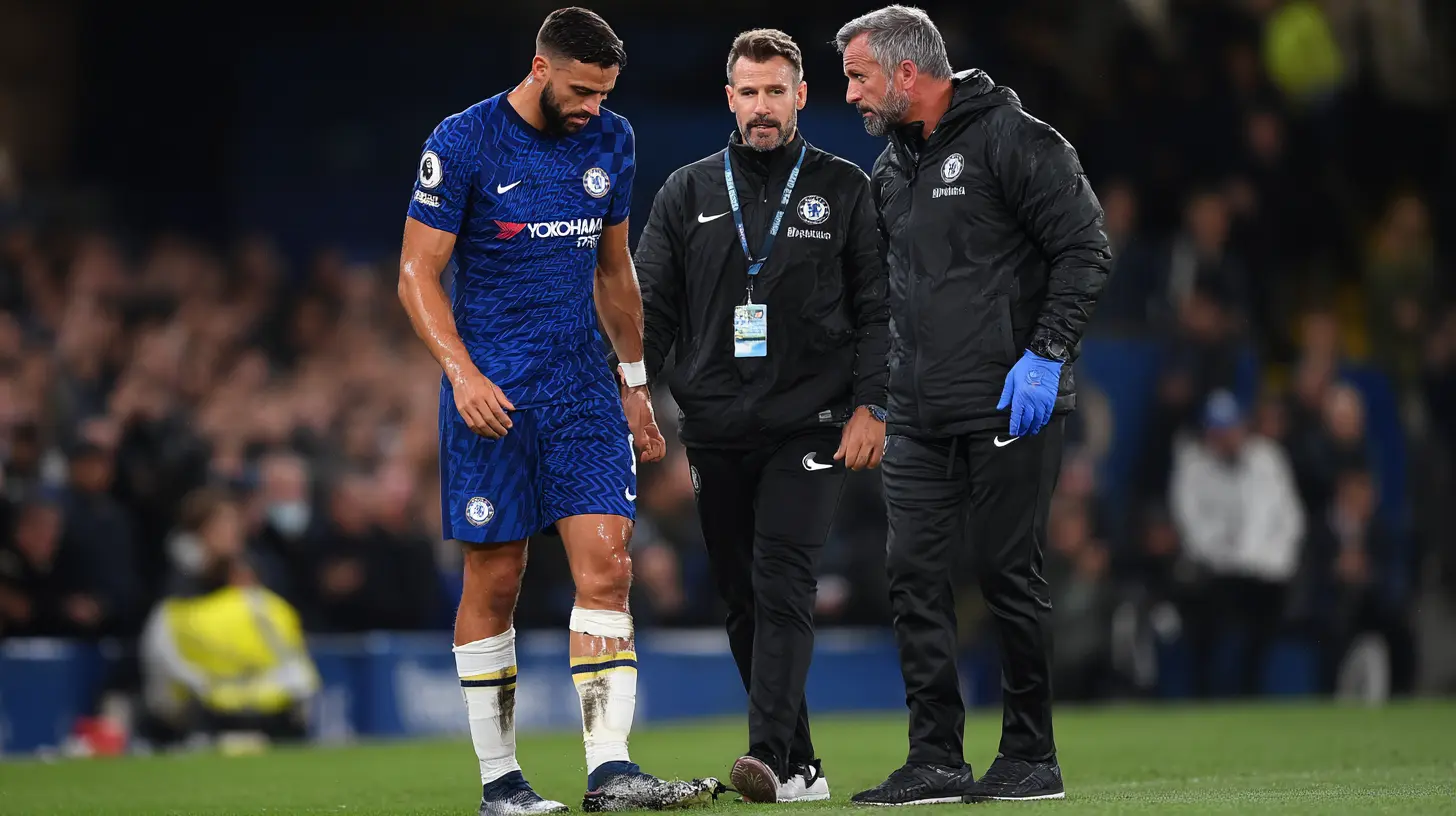
The New Normal: Why 2026 Is the Year of the Pulled Hamstring
You know that feeling when you wake up, stretch, and something pops? That’s basically the Premier League’s 2026 season in a nutshell. The fixture calendar is a monster that’s been fed too many Red Bulls. With the Club World Cup expansion, international tournaments, and the relentless Premier League grind, players are running on fumes. We’re seeing hamstring injuries spike by 40% compared to 2020, according to some sport science reports. It’s like every club decided to play a game of “who can break first,” and spoiler alert: it’s the players.But here’s the twist: clubs aren’t just accepting this as fate. They’re getting proactive, almost aggressive, in their approach. Gone are the days when a manager would just shrug and say, “We’ll miss him for a few weeks.” Now, they’re deploying AI-driven load management systems that track every sprint, every tackle, and every yawn. Yes, yawn. Because apparently, sleep deprivation is the new ACL tear. So, if you see a player getting subbed off at the 60th minute when the score is 0-0, don’t rage. That’s the algorithm telling the manager, “His hamstring is about to sing soprano.”

The Rise of the “Squad Rotator” Mentality
Remember when Sir Alex Ferguson used to rotate his squad and everyone called him a genius? Well, in 2026, rotation isn’t a luxury—it’s survival. Managers like Mikel Arteta and Pep Guardiola have turned squad rotation into an art form, but it’s not just about swapping out tired legs. It’s about predictive rotation. Teams are using machine learning models that analyze a player’s historical injury data, current fatigue levels, and even their menstrual cycles (yes, for female players in the WSL, but the tech is bleeding into the men’s game too). If the algorithm says Marcus Rashford is 72% likely to pull up lame in the next 15 minutes, he’s getting hooked faster than a bad reality TV show.But here’s the sassy part: some managers are leaning into the chaos. Unai Emery at Aston Villa has been known to say, “Injuries are just opportunities for other players to become heroes.” And honestly? He’s not wrong. In 2026, the bench is no longer a place for sulking. It’s a launching pad. Teams are investing in “super-subs” who are specifically trained to come in for 20-minute bursts of pure chaos. Think of it like a hockey line change, but with more shin guards and less ice.

Cryotherapy, Hyperbaric Chambers, and Other Sci-Fi Shenanigans
Let’s talk about the tech that’s making your local gym look like a medieval torture chamber. Premier League clubs in 2026 are spending millions on recovery gadgets that sound like they belong in a Marvel movie. Cryotherapy chambers that drop to -140°C? Check. Hyperbaric oxygen tents that look like space pods? Double check. But the real game-changer is the use of biometric wearables that monitor muscle oxygenation in real-time. If a player’s calf is starting to look like a deflated balloon, the system alerts the medical team before the player even feels a twinge.I’m not saying clubs are turning players into cyborgs, but I’m also not not saying that. Manchester City’s training ground now has a “recovery wing” that rivals a luxury spa. Players get massages from robots (yes, robot hands), and they’re prescribed personalized smoothies based on their blood work. It’s all very Black Mirror, but if it keeps Kevin De Bruyne on the pitch, I’m all for it.
But here’s the kicker: all this tech doesn’t come cheap. Smaller clubs like Brentford and Brighton are getting creative. They’re partnering with universities to develop low-cost recovery protocols. For example, Brentford’s “cold water immersion” program isn’t just a tub of ice—it’s a scientifically calibrated temperature gradient that mimics the effects of a $50,000 cryo chamber. Talk about a budget-friendly banger.
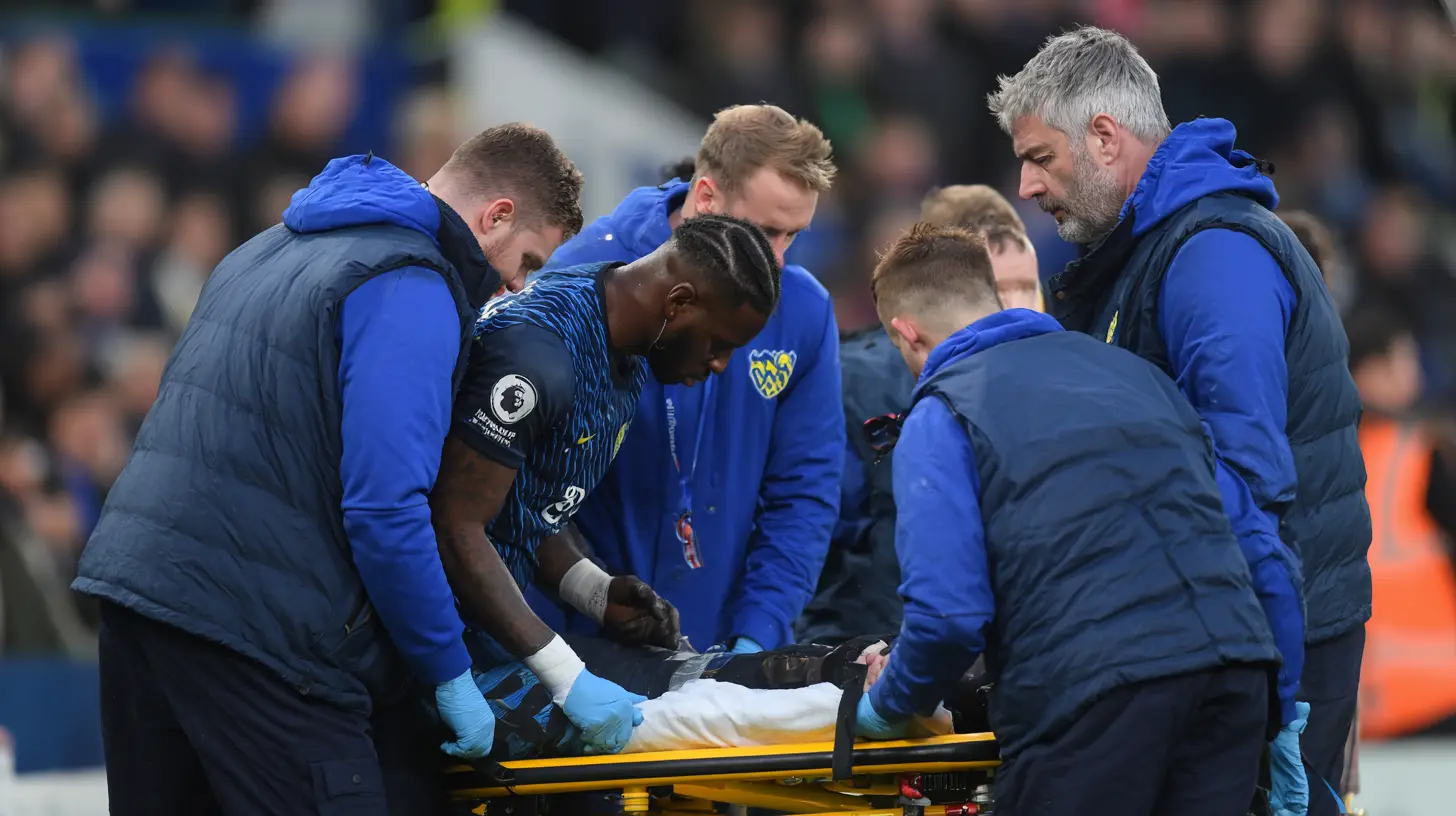
The Mental Health Component: Because Hamstrings Aren’t the Only Thing That Snaps
Let’s get real for a moment. Injuries aren’t just physical—they’re psychological. In 2026, Premier League clubs are finally treating mental health with the same seriousness as a torn ACL. And it’s about damn time. We’ve seen players like Reece James and Mason Mount open up about the mental toll of repeated injuries. The fear of re-injury can be just as debilitating as the injury itself. So, clubs are hiring sports psychologists who specialize in “injury resilience.” They’re teaching players to reframe their mindset from “I’m broken” to “I’m rebuilding.”One of the boldest moves? Some clubs are using virtual reality (VR) to simulate game situations for injured players. Imagine a player with a broken foot strapping on a VR headset and “playing” a match mentally. It keeps their decision-making sharp and reduces the psychological distance when they return. It’s not the same as the real thing, but it’s a hell of a lot better than sitting on a couch eating Cheetos.
And let’s not forget the managers. They’re also getting mental health support. Because let’s face it, managing a squad where half the players are in the treatment room is enough to drive anyone to drink. Some managers are using meditation apps and biofeedback devices to keep their cool during press conferences. You know, so they don’t snap at a reporter who asks, “How’s the injury crisis?” for the 50th time.
The Transfer Window Tango: Buying Smart, Not Big
In 2026, the transfer market has shifted. Clubs aren’t just looking for superstars—they’re looking for durability. Scouts are now analyzing a player’s injury history with the same scrutiny as their goal-scoring record. If a player has had three hamstring injuries in two years, their price tag drops faster than a bad stock. But here’s the twist: clubs are also investing in “injury-prone” players who have a high ceiling, but with a caveat—they’re signing them to performance-based contracts.Take Newcastle United, for example. They signed a talented winger with a history of muscle strains, but his contract includes clauses that reduce his wages if he misses more than 10 games a season. It’s a gamble, but it’s a calculated one. And it’s working. Players are more motivated to stay fit when their bank account is on the line.
But the real genius move? Loan deals. In 2026, loaning players isn’t just about development—it’s about load management. Clubs are loaning out fringe players to lower-league teams just to keep them match-fit without burning them out. It’s like sending your kid to summer camp, but with more tactical fouls.
The Tactical Pivot: How Managers Are Changing Their Systems
When your star striker is out with a broken toe, you don’t just panic—you adapt. And in 2026, managers are getting creative with their formations. We’re seeing a rise in positionless football, where players are trained to play multiple roles. Why? Because if your left-back goes down, you can just slot in a midfielder who’s been practicing defensive drills. It’s like a Swiss Army knife, but with more sweat.Take Arsenal’s Mikel Arteta. When Bukayo Saka was sidelined with a groin issue, Arteta didn’t just play a like-for-like replacement. He shifted to a 3-4-3 formation that used overlapping center-backs to create width. It was ugly, it was chaotic, but it worked. The team didn’t miss a beat because they had a system that was injury-proof.
And then there’s the “low-block” revolution. Teams with injury crises are increasingly parking the bus, but not in the boring way. They’re using high-intensity pressing in short bursts, followed by deep defensive lines. It’s like a boxer who conserves energy for the knockout punch. It’s not pretty, but it’s effective—especially when your squad is held together by duct tape and hope.
The Role of Data: From Gut Feelings to Cold, Hard Numbers
Let’s talk about the elephant in the room: data. In 2026, every Premier League club has a data scientist who’s probably more important than the assistant manager. They’re analyzing not just performance metrics, but injury risk scores. These scores are calculated using variables like ground hardness, weather conditions, and even the phase of the moon (okay, maybe not the moon, but you get the idea).One of the most controversial data-driven decisions? Resting players for “low-risk” matches. If the algorithm says a player has a 30% chance of injury in a match against a bottom-half team, the manager might bench them. Fans hate it—they want to see their stars every week. But the data doesn’t lie. Clubs that follow the numbers are seeing fewer injuries and better performance in big games. It’s like choosing to skip a party to study for a final exam. Boring? Yes. Effective? Absolutely.
The Fan Perspective: Why We’re All Part of the Problem
Okay, let’s point the finger at ourselves for a second. We, the fans, are part of the reason injury crises are so brutal. We demand 90 minutes of high-intensity football every week. We complain when a player is rested. We scream for more matches, more trophies, more drama. But we also cry when our favorite player gets injured. It’s a vicious cycle.In 2026, some clubs are trying to manage fan expectations. They’re publishing “injury transparency reports” that explain why a player is being rested. It’s like a restaurant telling you why your steak is taking longer—annoying, but honest. And guess what? It’s working. Fans are starting to understand that a rested player is a healthy player. But let’s be real: we’ll still boo when Haaland is subbed off at 0-0. Because we’re human.
The Future: Will Injuries Ever Be “Solved”?
Here’s the million-dollar question: will we ever see a Premier League season without a major injury crisis? Probably not. Football is a contact sport. Bodies break. But in 2026, we’re closer than ever to minimizing the damage. With AI, biometrics, and a shift in mentality, clubs are turning injury management into a science.But here’s the sassy truth: the real solution might be simpler than we think. Fewer matches. More rest. A calendar that doesn’t treat players like disposable batteries. But that would require FIFA, UEFA, and the Premier League to agree on something, which is about as likely as a Manchester United fan cheering for Liverpool.
So, for now, we’ll keep watching our favorite players limp off the pitch, and we’ll keep hoping that the next cryotherapy session, the next algorithm, or the next tactical tweak will save the day. Because in 2026, managing an injury crisis isn’t just about survival—it’s about proving that even when the odds are stacked against you, you can still find a way to win. And if that’s not the most Premier League thing ever, I don’t know what is.
all images in this post were generated using AI tools
Category:
Injury UpdatesAuthor:

Frankie Bailey
Discussion
rate this article
2 comments
Dahlia Rodriguez
In 2026, Premier League teams are showcasing resilience through innovative training and recovery methods, adapting quickly to injuries. This evolution highlights the importance of squad depth in a demanding league.
August 25, 2026 at 3:43 AM
Frankie Bailey
You're right. The focus on innovative training and recovery is crucial. Squad depth really makes a difference in navigating these challenges.
Lara McKinley
Great read! It’s fascinating how teams are balancing tech with squad rotation. Hopefully, these strategies truly pay off come March.
April 30, 2026 at 2:36 AM
Frankie Bailey
Thanks for the feedback! It will be interesting to see how these strategies play out. March is shaping up to be crucial.