How Possession Play Was Key in Dominating the Opposition
30 June 2026
In modern football, the tactics board is just as important as the talent on the pitch. And one strategy that's become the backbone of some of the most successful teams in recent history? You guessed it—possession play.
You’ve probably heard commentators go on about "controlling the game" or "dictating the tempo." But what exactly does that mean? And why is it such a powerful weapon against the opposition? That’s exactly what we’ll unpack in this deep dive.
Let’s break it down (without the jargon), understand how it works, and see why possession-based football is so darn effective when it comes to dominating your rivals.
What Is Possession Play Anyway?
Alright, first things first—what are we even talking about?Possession play, in its simplest form, is a strategy where a team focuses on keeping the ball for long stretches during the game. Think short, quick passes. Think movement off the ball. Think patience.
Instead of charging forward with every touch, teams build from the back, switching the point of attack, waiting for the perfect opening. It’s like playing chess with a soccer ball.
Ever watched teams like Barcelona in their prime or Pep Guardiola's Manchester City? That’s possession football at its finest—methodical, calculated, and seriously hard to play against.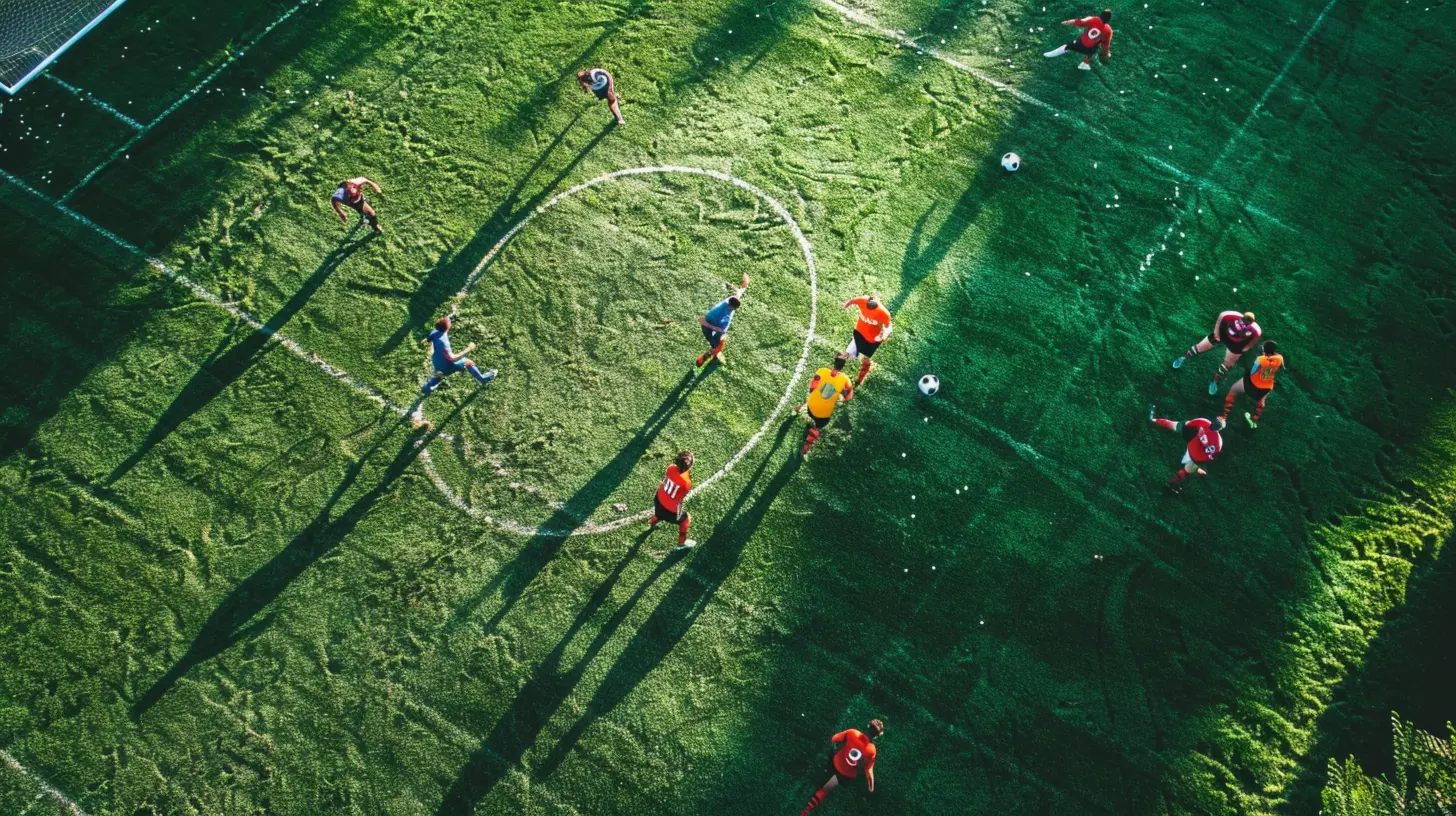
Why Possession Matters More Than Ever
You might be wondering—why all this fuss about keeping the ball? Isn’t the end goal to score?Absolutely. But here’s the thing: when you have the ball, the other team can’t score. It’s that simple.
That’s the beauty of it. Possession isn’t just about control—it’s about dictating the pace of the game, starving your opponent of opportunities, and striking when the time is perfect.
And let’s not ignore the psychological side of it. Imagine being a player on the opposing team, chasing shadows for 70 minutes. Fatigue sets in. Frustration builds. Mistakes happen. That’s when teams capitalizing on possession strike the hardest.
The Building Blocks of Possession Play
Possession-based football is like an orchestra. Everyone’s got their role, and it only works when they’re all in sync. So, what are the key elements?1. Short, Crisp Passing
Forget those Hail Mary long balls. This style is all about tight control and short passing. It's not flashy—it’s efficient. Think of it like a boxer wearing down their opponent with body shots before delivering the knockout.2. Movement Off the Ball
It’s not just about the guy with the ball. Everyone else needs to be constantly moving, creating angles and options. If your teammates are standing still, guess what? You're stuck.3. Patience and Game IQ
This might surprise you—the best possession teams often don’t rush. They’re willing to pass sideways or backwards if it means they keep the ball. They wait for the opposition to slip up. It’s like fishing… you wait, and you pounce when the time is right.4. High Work Rate
No, possession football isn’t lazy football. It demands serious fitness levels and concentration. Players are constantly moving, creating space, and recovering the ball when it's lost.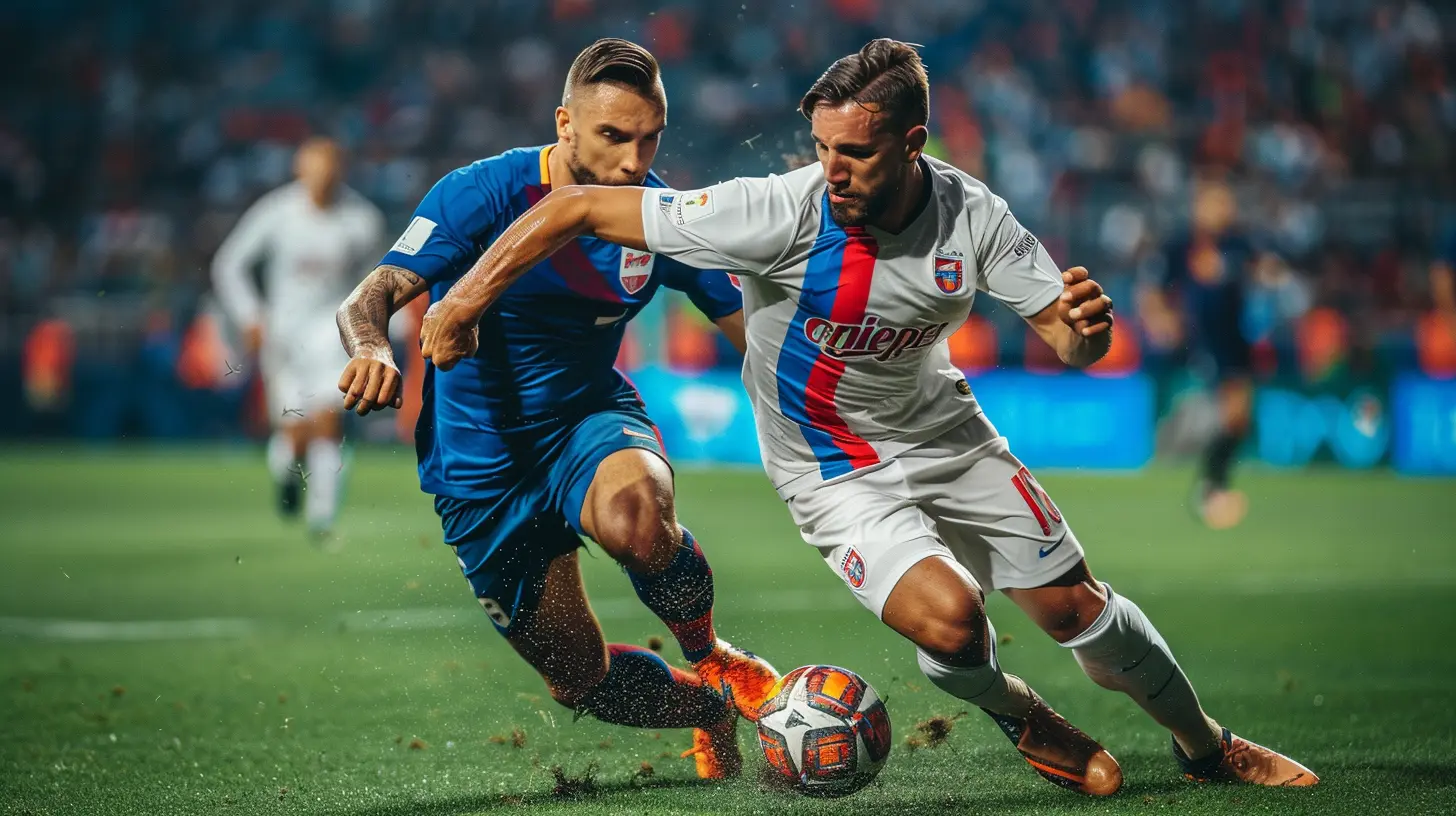
How It Breaks Down Defenses
So how does all this translate to domination?Let’s paint a picture. When a team holds the ball for long stretches, the opposition is forced to defend in a compact shape. That means more running, less breathing room, and an increasing number of gaps opening up due to fatigue or poor positioning.
Possession play stretches defenses. It drags players out of place. It exhausts them mentally and physically.
Once those gaps appear—bam! That’s when quick passes and smart movement lead to dangerous chances, and often goals.
Examples of Possession Play Masterclass
Let’s not just talk theory. Here are a few real-world examples where possession play absolutely dismantled the opposition.FC Barcelona Under Pep Guardiola
We're talking peak Tiki-Taka. Xavi, Iniesta, and Busquets orchestrated a midfield symphony. They’d pass teams into submission, literally. The ball would move so swiftly, the opponent barely touched it. By the time they did, they were so drained they could hardly react.Spain’s 2010 World Cup Win
Remember that? Spain stifled teams with their slow buildup. Not the most entertaining football at times, sure—but brutally effective. They wore teams down, controlled the tempo, and struck when it mattered.Manchester City’s Recent Dominance
This is possession evolved. Not just slow build-ups—but dynamic, incisive possession. Guardiola added verticality and killer instincts to the traditional possession blueprint. City keeps the ball, moves it quickly, and when they spot a weakness, they hit fast and hard.Statistical Backing: Numbers Don’t Lie
Let’s talk numbers for a second.Teams that dominate possession typically:
- Complete more passes (obviously)
- Have higher pass accuracy
- Create more chances
- Concede fewer shots
In fact, clubs that average over 60% possession tend to finish in the top tiers of their leagues. Coincidence? Definitely not.
Possession might not directly guarantee goals, but it sets the stage for dominance. It protects your defense and gives you more opportunities to pick your moment.
The Defensive Benefit of Possession
Here’s a twist you may not have considered—possession is a defensive strategy too.When your team holds the ball, you’re not defending. You’re not being bombarded with crosses or dealing with counterattacks. The ball is the best form of defense.
Teams that struggle with defensive issues often try to fix it by reinforcing the backline. But sometimes, it’s smarter to just keep the ball more. Control possession, and you naturally limit the danger.
Common Misconceptions About Possession Football
Let’s address a few myths that float around.“Possession is boring.”
Sure, it can look slow from the outside. But when it's done right, it's a tactical masterpiece. It’s like watching an artist slowly bring a painting to life. Every pass has a purpose.“It’s just sideways passing.”
Wrong. While sideways passes are part of the buildup, the real goal is to create space and find openings. The best teams know when to switch gears and go forward.“Any team can play this way.”
Not quite. It takes highly intelligent players, insane fitness levels, and hours of training. It’s a tough philosophy to master, but incredibly rewarding for those who do.Possession Isn’t Everything—But It’s a Lot
Now, don’t get me wrong. Possession alone doesn’t win matches. You still need to create and take your chances. But if you want to control the narrative of the game, then possession is your best friend.It’s not about hoarding the ball for the sake of it. It’s about using it wisely. About making every pass count. When done right, possession play will frustrate your opponent, break them down, and eventually—leave them in the dust.
Final Thoughts: Why It Still Works Today
In a game that’s constantly evolving, possession football has held its ground. Sure, new styles like high-pressing, counter-attacking, and even direct long-ball tactics have their place. But possession remains a tried and tested weapon of dominance.Why? Because it’s about control. When you dictate the game, you increase your odds of winning. Simple as that.
Possession isn’t just a tactical choice—it’s a philosophy. It’s a belief in patience over panic, intelligence over instinct. And when implemented right, it turns the game into a dance—where your team leads, and the opposition can do nothing but follow.
So, What Can We Learn?
Next time you’re watching a match and one team’s passing the ball around like they own the place—don’t roll your eyes. Watch closely. They’re not just playing keep-away. They’re laying the groundwork to dominate.It’s not just a tactic. It’s an art. And when mastered, it’s absolutely devastating.
all images in this post were generated using AI tools
Category:
Post Match AnalysisAuthor:

Frankie Bailey
Discussion
rate this article
1 comments
Makayla McDonough
Great read! Possession is the secret sauce for victory!
July 7, 2026 at 10:23 AM