How Load Management Is Evolving for Injury Prevention by 2027
23 October 2026
The training room used to be a place you visited after something went wrong. By 2027, it will be a place that shapes the session before it happens. Load management, once a polite term for resting star players in meaningless games, is turning into something far more ambitious: a continuous, individualized system that tries to keep tissue healthy while athletes train at the edge of their capacity. The shift is not about gadgets alone. It is about a different philosophy of injury prevention, one built on measurement, context, and the uncomfortable admission that most injuries are not random accidents.
This article looks at where load management is heading, why certain methods work and others fail, and what coaches, clinicians, and athletes should weigh before adopting any of it. The timeline to 2027 matters because several forces are converging at once: cheaper sensor technology, better understanding of how tissue adapts, and a generation of athletes who expect personalization rather than generic rules.
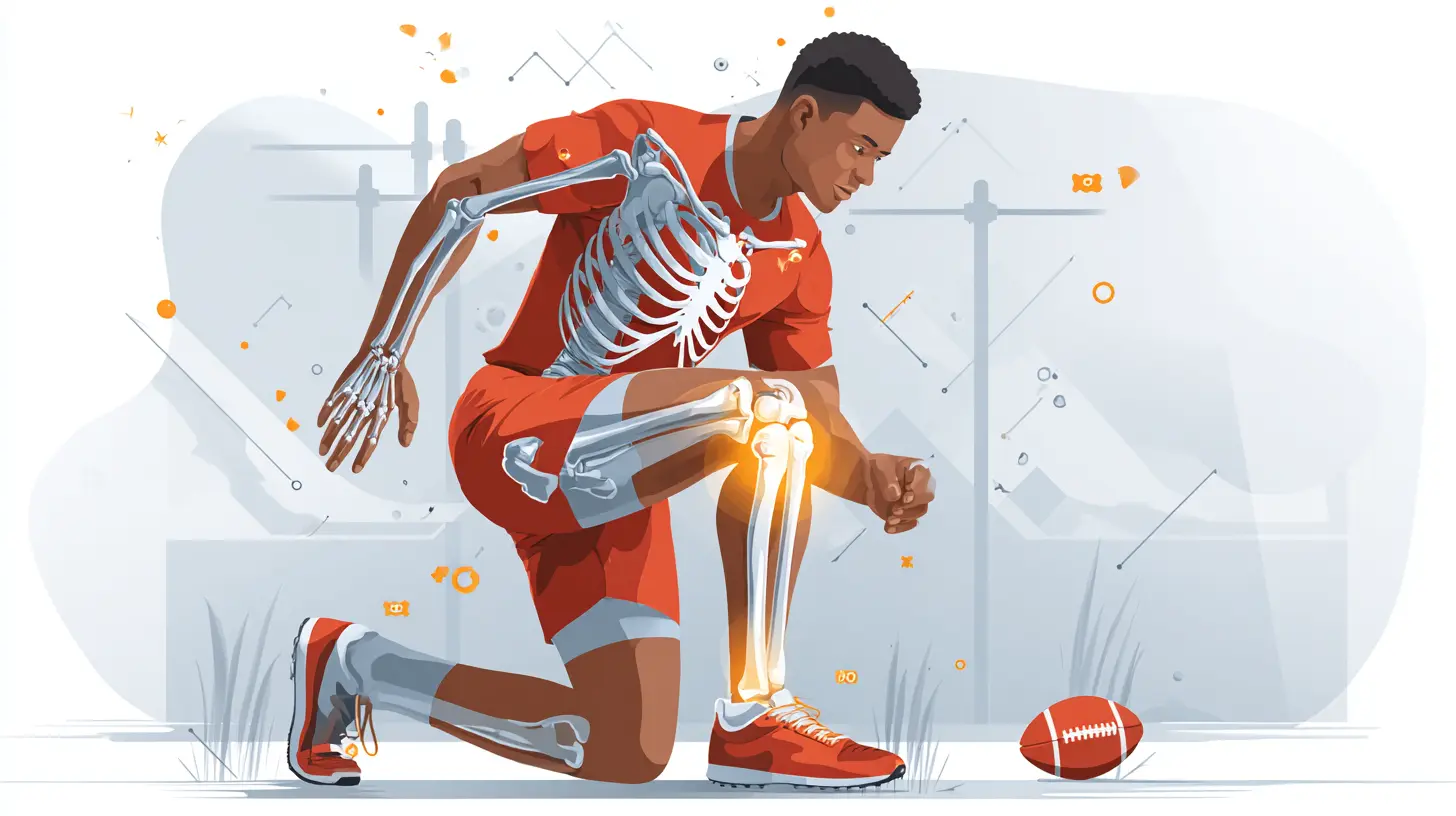
The Core Problem Load Management Is Trying to Solve
Injuries rarely come from a single bad moment. Most non-contact injuries, especially muscle strains and tendon problems, are the result of a mismatch between what an athlete asks of their body and what their body has been prepared to handle. The classic example is the hamstring strain in the final minutes of a match. The sprint itself is not unusual. What is unusual is the accumulation of fatigue, prior sprint exposure, travel, sleep debt, and training density that left that muscle vulnerable when the decisive moment arrived.Load management at its best targets that mismatch. It asks three questions before every session: what has this athlete done recently, what can their tissue tolerate right now, and what is the smallest meaningful dose that moves them forward without crossing the line into unacceptable risk. By 2027, the tools to answer those questions will be far more accessible, but the questions themselves have not changed. Understanding them is what separates useful systems from expensive noise.
Acute Versus Chronic Load: Still the Backbone
The acute-to-chronic workload ratio, popularized in the 2010s, compared recent training load with a longer-term average. The idea was intuitive: spikes in load relative to what an athlete was used to increased injury risk. The ratio has been criticized for statistical flaws and oversimplification, and rightly so. But its underlying principle remains sound. Tissue adapts to what it is repeatedly exposed to, and sudden changes in volume or intensity leave it underprepared.By 2027, expect the crude ratio to be replaced by rolling, position-specific and even limb-specific models. Instead of one number for the whole athlete, systems will track load on the structures most at risk. A fast bowler's shoulder, a sprinter's hamstring, and a basketball player's patellar tendon each have different tolerance curves. Treating them identically was always a compromise. The evolution is toward granularity, not abandonment of the concept.

What Changes by 2027: Technology That Earns Its Place
Wearable technology has flooded sport, and much of it produces data that never changes a decision. The meaningful evolution is not more sensors. It is sensors whose output connects to an action. Three developments stand out.1. Load Measurement That Travels With the Athlete
GPS units and accelerometers have become standard in team sports, but their use is expanding into more settings: youth academies, rehabilitation, and even recreational athletics through consumer devices. The practical consequence is continuity. When an athlete moves between club, national team, and personal training, a shared load profile can follow them. Historically, the biggest load management failures happened at these handoff points, where a player returning from international duty arrived with unrecorded fatigue. By 2027, better data portability, combined with athlete-owned records, should reduce those blind spots.2. Fatigue and Readiness Signals Beyond Self-Report
Questionnaires remain valuable, but athletes underreport fatigue for understandable reasons. Emerging approaches combine multiple weak signals: sleep quality from wearables, heart rate variability trends, jump performance, grip strength, and movement quality during warm-ups. None of these is a reliable injury predictor alone. Combined, they can flag an athlete whose system is under strain before they feel it. The key word is flag. These tools prompt a conversation and a closer look. They do not make decisions.3. Video and Computer Vision for Movement Screening
Smartphone-based video analysis is becoming accurate enough to assess landing mechanics, sprint posture, and change-of-direction quality in the field. This matters because load tolerance is not only about volume. How an athlete moves distributes stress differently across joints and tissues. A player who lands with excessive knee valgus during a fatigued state is accumulating risk that a simple distance-covered metric will never show. By 2027, expect movement quality checks to be embedded into warm-ups and monitored across a season, not just during pre-season screens.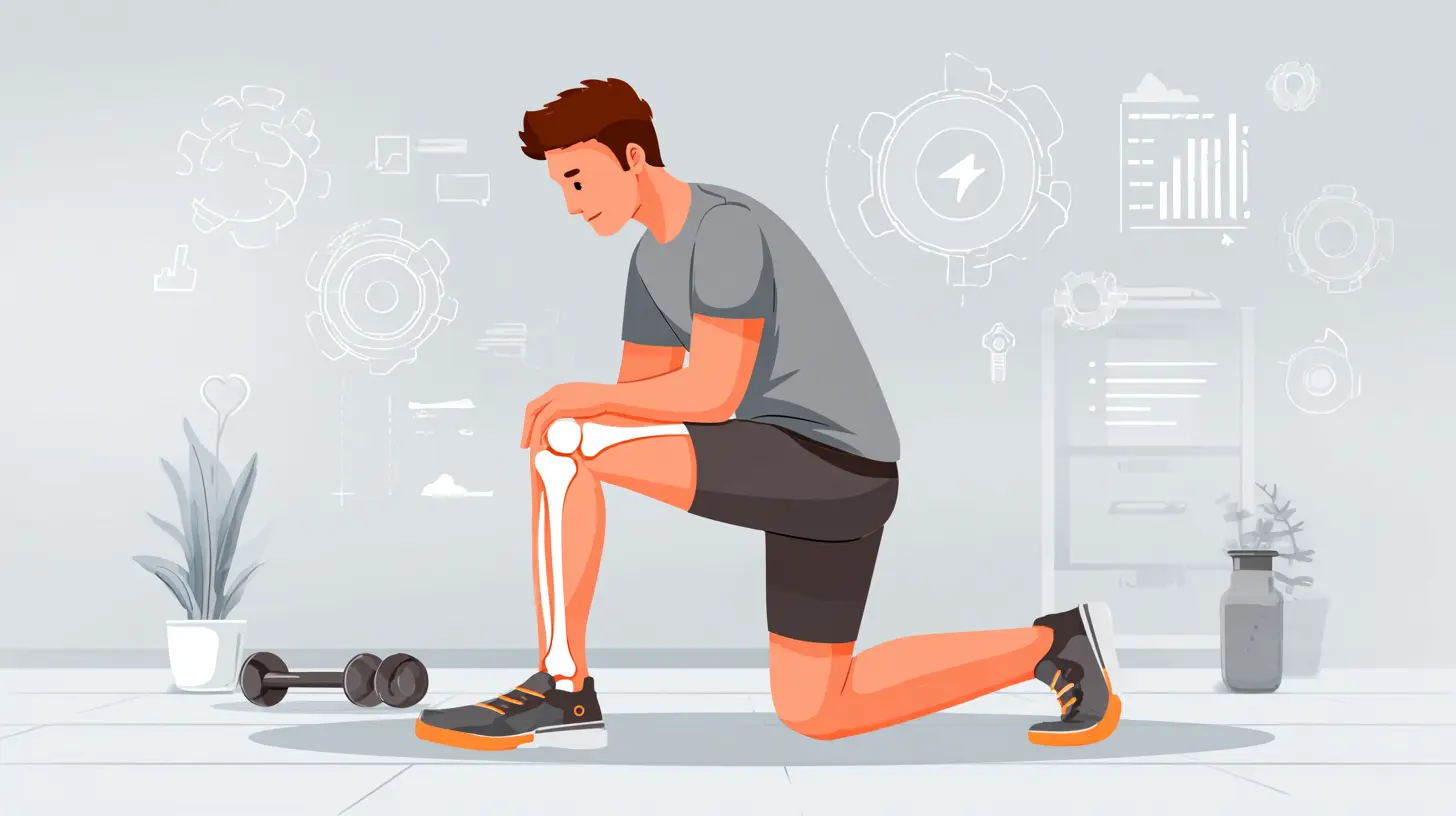
The Shift From Population Rules to Individual Baselines
The most important evolution is conceptual. For years, load management relied on population rules: pitch counts, minutes caps, weekly mileage limits. These rules exist for good reasons. They protect against known dangers, they are easy to administer, and they reflect real evidence about overuse. But they are blunt instruments. A 35-year-old with a long injury history and a 19-year-old with three years of structured training cannot share the same threshold.By 2027, the emphasis will be on individual baselines and responsiveness. The question becomes: what is normal for this athlete, and how far are they from it? An athlete whose chronic load is high can absorb spikes that would injure someone else. An athlete returning from a long layoff needs a very different ramp regardless of age or status.
This shift carries a trade-off. Individualized systems demand more data, more staff time, and more judgment. They also create accountability questions. When a rule says no more than 60 throws, the decision is defensible. When a model says the athlete is at elevated risk but the athlete feels fine and wants to play, someone has to own that call. Organizations adopting individualized load management must build decision frameworks, not just dashboards.

Why Some Load Management Fails
Failure patterns repeat, and they are worth naming because they will persist into 2027 unless addressed directly.Data without context. A high jump count means little without knowing the athlete's history, the surface, the footwear, and how the jumps were distributed. Raw numbers invite false confidence.
Ignoring psychological load. Travel, contract uncertainty, selection pressure, and personal stress all influence recovery. Systems that track only physical output miss a large part of the picture.
Over-reliance on prediction. Injury prediction models remain limited. Tissue failure is multifactorial and often sudden. A model that claims to predict injury with high accuracy should be treated with skepticism. The realistic goal is risk reduction, not prophecy.
Poor communication. Load data that stays with the sports science staff and never reaches coaches or athletes cannot change behavior. The best systems translate numbers into simple language: today you are in a high-risk window, here is what we will adjust.
Chasing the metric. When a number becomes a target, behavior distorts around it. If athletes know a readiness score determines selection, they may manipulate inputs. Any load management system must assume that people will respond to incentives.
Practical Guidance: Building a Load Management Approach That Holds Up
Whether you work with a professional team, a college program, or a single athlete, the same fundamentals apply. The following recommendations reflect where good practice is heading and what will still matter in 2027.Start With Tissue-Specific Exposure
Identify the structures most at risk for each athlete based on sport, position, and history. Then track exposure to those structures specifically. For a sprinter, that means high-speed running distance and sprint counts. For a throwing athlete, it means throw volume and intensity distribution. For a team sport athlete with a history of groin problems, it means change-of-direction volume and hip adductor loading. Generic total distance tells you less than targeted exposure.Use Load Spikes as a Conversation Starter, Not a Verdict
When recent load exceeds an athlete's established range, treat it as a prompt to check in. Ask about sleep, soreness, and confidence. Adjust the next session if needed. Do not automatically rest the athlete, and do not ignore the signal. The art is in the response, not the alert.Protect the Return-to-Play Window Ruthlessly
The weeks after injury are the highest-risk period for re-injury, and they are where load management delivers the most value. Build return-to-play progressions around tissue-specific criteria, not calendar dates. Include exposure to the demands of the sport before full return: sprinting at match speed, cutting, landing, and contact. By 2027, expect more programs to use controlled exposure sessions that replicate match demands in measured doses rather than relying on training participation as a proxy.Keep Strength and Conditioning as the Foundation
Load management without physical preparation is just avoidance. Tissue tolerance is built through progressive strengthening, especially eccentric and isometric work for tendons, and through exposure to high-speed running for hamstrings. A well-conditioned athlete can handle more load, which widens the safe operating range. Programs that cut training volume without building capacity simply produce underprepared athletes who break down later.Design for the Handoff Points
The riskiest moments are transitions: pre-season to season, club to national team, injury to full training, and off-season to return. Map these transitions in advance and plan load ramps explicitly. Shared records and clear communication between staff groups are the difference between a controlled progression and a guess.
Comparisons and Trade-offs Worth Understanding
External load versus internal load. External load measures what the athlete does: distance, sprints, jumps. Internal load measures the physiological response: heart rate, perceived exertion, hormonal markers. Both matter. External load tells you about tissue exposure. Internal load tells you how costly that exposure was. Using one without the other produces blind spots, especially when environmental conditions like heat or altitude change the internal cost of the same external work.Rest versus active recovery versus modified training. Rest is sometimes necessary, but complete rest deconditions tissue and reduces tolerance. Active recovery maintains blood flow and movement quality. Modified training preserves fitness while reducing specific stress. In most cases, modified training is the better default, with rest reserved for genuine tissue protection needs. The mistake is treating rest as the only tool in the box.
Technology-led versus coach-led systems. Technology scales monitoring but cannot read a room. Coaches see movement quality, body language, and competitive behavior in real time. The strongest systems combine automated monitoring with coach observation and athlete voice. Organizations that let dashboards override what their eyes tell them tend to learn expensive lessons.
Population rules versus individualization. Rules are safe, scalable, and defensible. Individualization is more precise but demands expertise and creates gray areas. The pragmatic path for most programs is a hybrid: population guardrails that prevent obvious harm, with individualized adjustments within those bounds.
Common Misconceptions to Retire
"Load management means playing less." It often means training differently, not less. The goal is appropriate load, which sometimes means more targeted work, not reduced work."More data means better decisions." Data quality, relevance, and interpretation matter more than volume. A few well-chosen metrics used consistently beat a sprawling dashboard nobody trusts.
"Soreness predicts injury." Soreness is a poor predictor on its own. It reflects recent unaccustomed load, which can be a normal part of adaptation. Persistent or asymmetric soreness deserves attention, but soreness alone should not drive rest.
"Young athletes do not need load management." They need it differently. Growth spurts, immature tissue, and inconsistent training backgrounds make young athletes particularly sensitive to load spikes. The principles apply; the thresholds differ.
What to Watch Between Now and 2027
Several developments will shape practice. Expect better integration between wearable data and athlete management systems, reducing manual entry and improving continuity. Expect growth in biomarker research, though cautious interpretation will remain essential; a single blood marker rarely tells a clean story. Expect athlete-facing apps that give players more visibility into their own load, which raises both engagement and the risk of score manipulation. And expect continued regulatory and ethical discussion about data ownership, especially for minors.The organizations that succeed will be those that treat load management as a decision-making culture rather than a product purchase. Technology will help, but the enduring advantage comes from clear communication, tissue-specific thinking, and the discipline to act on uncomfortable information.
A Final Word on Judgment
By 2027, the best load management programs will look less like surveillance and more like a shared language between athlete, coach, and clinician. The athlete understands their own tolerances. The coach understands the plan and the reasons behind adjustments. The clinician has the data and the trust to intervene early. Injuries will not disappear; tissue has limits and sport demands exposure to risk. But the preventable ones, the spikes, the rushed returns, the unrecorded fatigue at handoff points, should become rarer. That is a modest, achievable ambition, and it is worth building toward.
all images in this post were generated using AI tools
Category:
Injury UpdatesAuthor:

Frankie Bailey

