How Cognitive Training is Shaping the Future of Elite Sports
3 December 2025
Ever wonder how elite athletes just seem to be one step ahead—literally and mentally? It's not just about raw strength, jaw-dropping agility, or precise techniques anymore. There's a silent revolution happening behind the scenes in sports, and it's taking place in the brain. Welcome to the world of cognitive training.
Yeah, we’re talking about brain workouts. Just like athletes train their muscles, they’re now training their minds to react quicker, make better decisions under pressure, and maintain razor-sharp focus. It's fascinating, and honestly, it’s changing the game—forever.
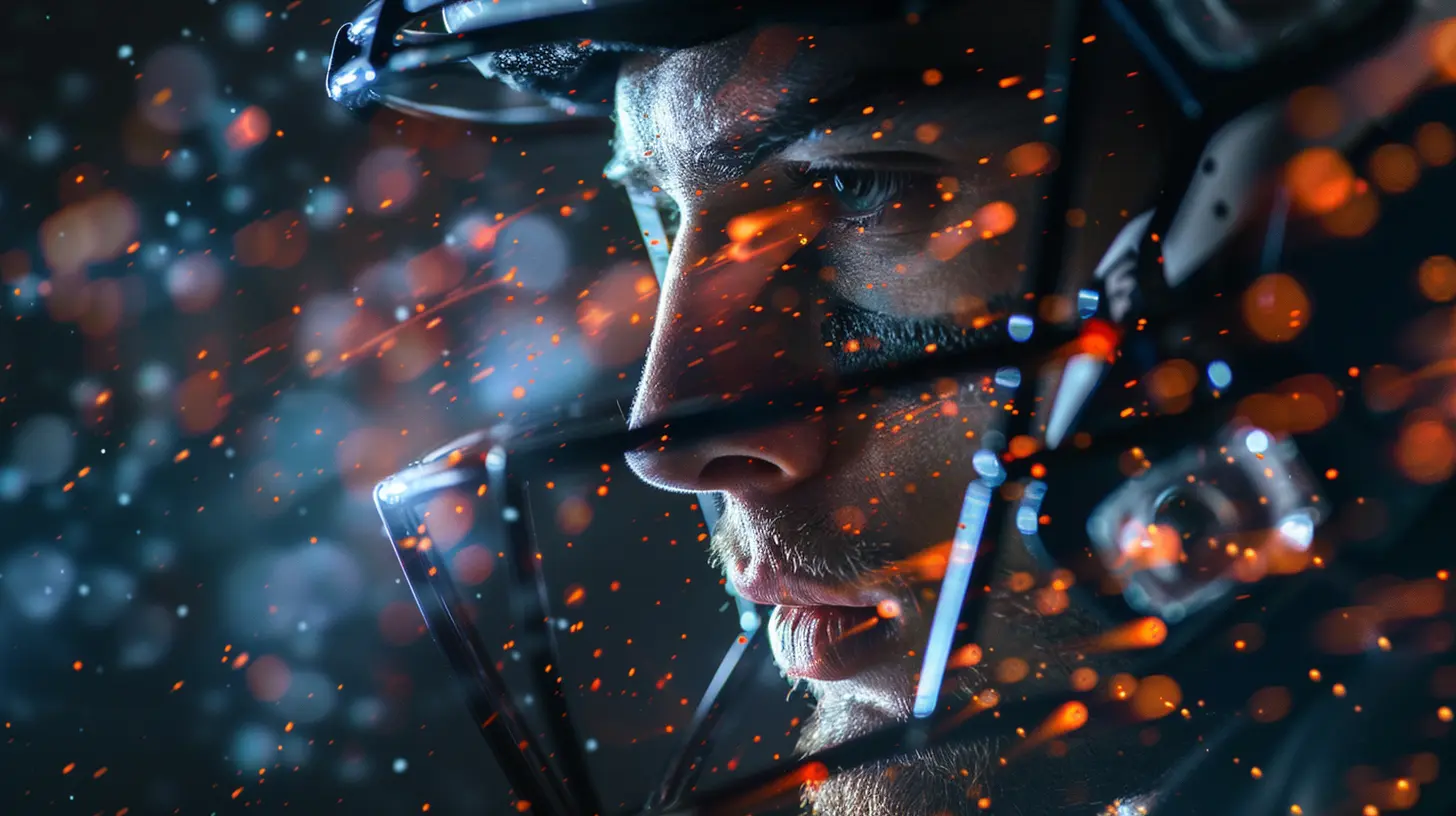
What Is Cognitive Training?
Let’s break it down simply. Cognitive training is like a gym session for your brain. It focuses on improving mental skills like attention, memory, decision-making, processing speed, and even emotional control. Think reaction time, strategic planning, and situational awareness—skills that can make or break performance during high-stakes moments.In elite sports, milliseconds matter. One poor decision or delayed reaction can cost a match, a medal, or even a career. That’s where cognitive training steps in—bridging the gap between physical prowess and mental sharpness.

Why Traditional Training Isn’t Enough Anymore
Look, we all know the basics: speed drills, weightlifting, technique refinement. These are timeless elements of athletic training. But in today’s hyper-competitive world, where everyone's at the top of their game physically, the edge lies elsewhere.Imagine two sprinters with nearly identical builds, training regimes, and track records. What separates the winner? Often, it's the one who maintains composure under pressure, anticipates better, and reacts faster off the blocks. That’s not just muscle—that’s mind.
Elite athletes, coaches, and sports scientists are waking up to the fact that traditional physical training only covers half the equation. The other half? It's all about cognitive performance.

The Role of the Brain in Peak Athletic Performance
Your brain is the control center of everything you do on the field, court, or track. Every pass, sprint, pitch, or swing starts as a decision in your brain. The quicker and more accurately your brain processes information, the better your performance.Let’s consider a few cognitive skills that are game-changers:
- Focus: Blocking out thousands of screaming fans and tuning into the moment.
- Quick Decision-Making: Choosing the right play under intense time pressure.
- Spatial Awareness: Knowing where teammates and opponents are without looking.
- Hand-Eye Coordination: Critical for sports like baseball, tennis, and hockey.
- Working Memory: Recalling strategies and implementing them on the fly.
All of these are trainable. Yes, even under pressure. That’s where modern cognitive training tools come into play.

Tools and Technologies Powering the Shift
This isn’t just about Sudoku puzzles or brain games anymore (though, hey, those don’t hurt). We’re talking about high-tech solutions being used by top teams and athletes around the world.1. NeuroTracker
Used by pros in the NFL, NBA, and even the military, NeuroTracker trains athletes to track multiple moving objects, improving peripheral vision and focus. It’s like juggling—but in your head—and way harder than it sounds.2. EEG Headsets
These track brainwave activity. Coaches and sports psychologists use them to measure concentration levels and stress during training sessions. The goal? Understand how the brain behaves under pressure—and how to control it better.3. Virtual Reality (VR)
VR allows athletes to simulate real-game scenarios repeatedly, optimizing decision-making and reducing errors. Quarterbacks, soccer goalies, and even race car drivers are training their minds in VR environments that mimic real-life stressors.4. Reaction Training Lights
You’ve probably seen these flashy rigs with blinking lights that athletes smack as fast as possible. They train reaction time and peripheral vision—especially helpful in sports requiring split-second reflexes.These tools aren’t just fancy toys—they’re evidence of how seriously teams are taking mental conditioning.
Real-World Examples from the Big Leagues
Let’s put some faces to this cognitive movement.- Tom Brady: Loved for his sharp instincts and ability to stay cool under pressure. Brady reportedly engaged in cognitive training throughout his career to maintain his legendary game-time focus.
- Stephen Curry: Beyond his insane shooting skills, Steph uses strobe-light goggles and brain training tools to enhance visual processing and timing.
- Formula 1 Drivers: Ever wonder how they make lightning-fast decisions at 200 mph? Most F1 drivers engage in regular cognitive drills to sharpen decision-making and reduce reaction time.
- U.S. Olympic Teams: Many Olympic athletes participate in brain training sessions to improve focus, adaptability, and performance under pressure.
This isn’t future talk. It’s happening right now.
The Psychological Edge: Confidence, Grit, and Mental Resilience
Now, let’s talk about something deeper. It's not just about being smarter or faster upstairs—it’s about emotional intelligence, too.Ever heard of the term “choking under pressure”? It’s a mental problem, not a physical one.
Cognitive training also helps athletes navigate performance anxiety, stay calm in the storm, and bounce back after setbacks. It builds grit—that unwavering determination that separates the good from the legendary.
When athletes feel mentally in control, confidence soars. And when confidence soars? That’s when magic happens.
Youth Training and the Next Generation
Here’s a cool thought—what if young athletes trained their brains just as much as their bodies from day one?More and more youth sports programs are integrating cognitive training to build mentally tough, adaptable players from a young age. This is HUGE. It’s like giving kids the user's manual to their own minds, which let’s face it, most of us never got.
Kids who understand how to manage pressure, stay focused, and make smarter decisions are not just better athletes—they’re better learners, teammates, and leaders.
Is This the Future of Sports? Heck Yes.
We’re not saying cognitive training will replace physical training—it complements it. But the direction is clear: the brain is now center stage in the world of elite sports performance.In a world where winning and losing often comes down to inches or milliseconds, the mental edge is the next big leap. And those who train their minds to be quick, strong, and resilient? They’re not just ready for the next game. They’re ready for the future.
So whether you’re a weekend warrior, a coach, a parent, or an aspiring pro—understand this: the strongest muscle you own is the one between your ears.
Final Thoughts
Sports are evolving. Athletes who embrace cognitive training are not only rewriting the definition of peak performance—they’re reshaping how we understand human potential.It's not just about faster, stronger, or more skilled anymore.
It’s about mentally sharper, emotionally stronger, and strategically smarter.
So the next time you see an athlete make an impossible play look effortless—remember, a lot of the magic probably happened in their brain long before it played out on the field.
all images in this post were generated using AI tools
Category:
Sports ScienceAuthor:

Frankie Bailey
Discussion
rate this article
2 comments
Uriah Wilkerson
Cognitive training is revolutionizing elite sports by enhancing athletes' decision-making, reaction times, and mental resilience. This innovative approach complements physical training, fostering a holistic development crucial for peak performance.
January 26, 2026 at 3:33 AM
Frankie Bailey
Thank you for your insightful comment! I completely agree—cognitive training is indeed a game-changer in elite sports, enhancing not only physical capabilities but also mental acuity, which is essential for optimal performance.
Cooper Nguyen
Cognitive training is the new game-changer in elite sports—where raw talent meets mental agility. It’s not just about muscles anymore; the brain is the ultimate powerhouse.
December 11, 2025 at 12:23 PM
Frankie Bailey
Thank you for your insightful comment! Indeed, cognitive training is revolutionizing elite sports by enhancing mental agility, proving that a strong mind is essential for peak performance.