How Chronic Injuries Are Managed Differently in 2026
9 October 2026
Let's start with a truth that nobody puts on a poster: the human body was not engineered for professional sport. It was engineered to chase down a meal, climb a tree, and then take a nap. Then we asked it to run a marathon, dunk a basketball, and throw a baseball 100 miles per hour for two decades. Something has to give. And what gives, usually, is a joint, a tendon, or a lower back that files a formal complaint around age 29.
Chronic injuries are the tax you pay for a long career. In 2026, that tax code has been rewritten. Not because biology suddenly changed. It didn't. Cartilage still doesn't grow back on command, and tendons still heal like they're on a coffee break. What changed is how teams, athletes, and clinicians think about the problem. The mindset shifted from "fix it and get back out there" to "manage it forever and get more good years out of it."
That shift sounds small. It is not. It changes everything from how a player warms up to who has the final say on whether they play on a Tuesday night in February.
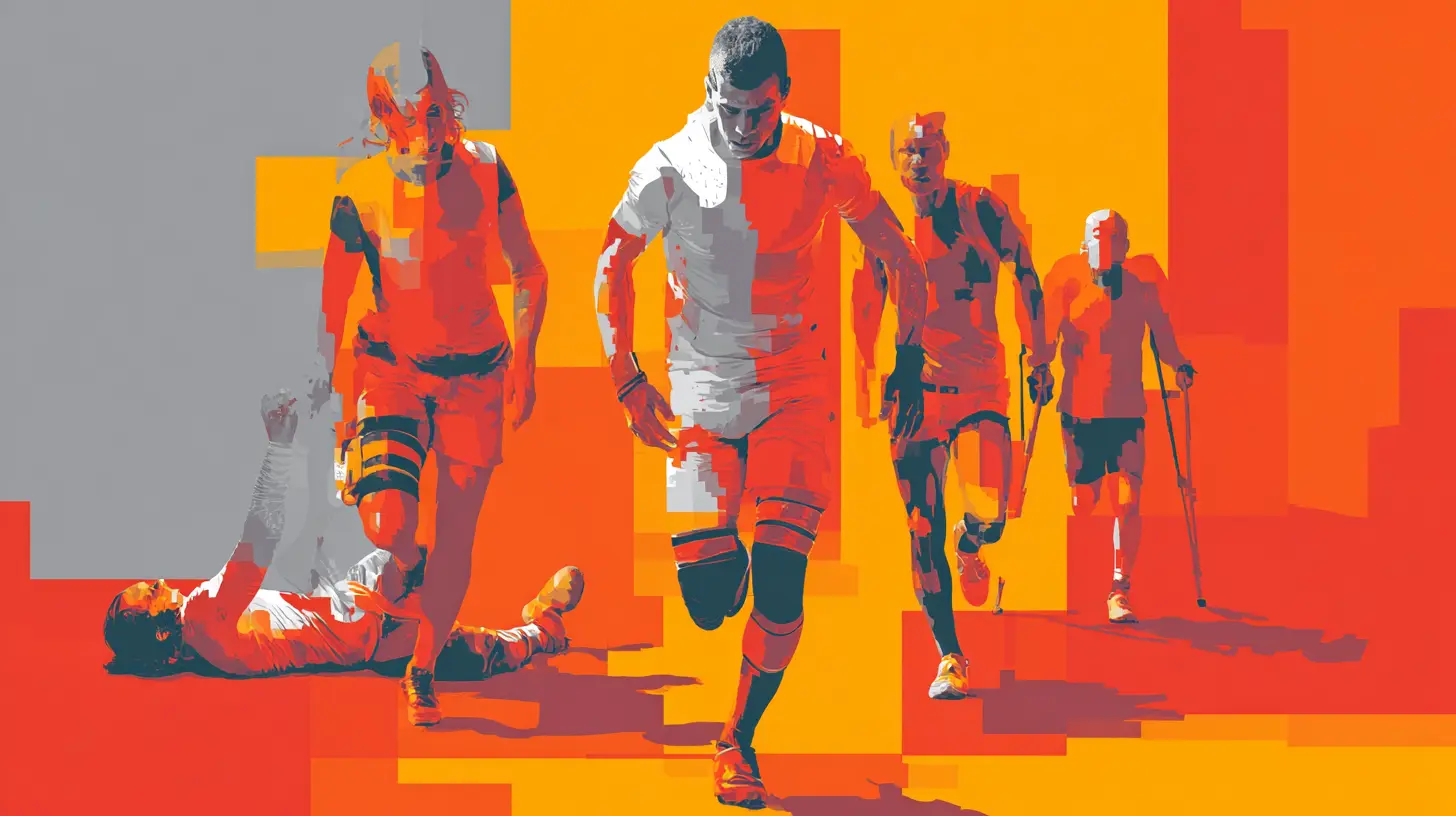
The Big Philosophical Shift: From Cure to Stewardship
For most of sports history, a chronic injury was treated like a broken pipe. You call a plumber, he patches it, you move on. If it leaks again, you call him again. The pipe eventually fails and you replace the whole house.In 2026, the smartest organizations treat a chronic injury like a historic building. You don't "fix" a 150-year-old cathedral. You maintain it. You monitor it. You know which stones are load-bearing and which ones are decorative. You accept that it will always need attention, and you plan your life around that reality.
This is called stewardship, and it is the single biggest difference between now and, say, 2010.
Why does it work? Because chronic injuries, by definition, are not acute problems. An ACL tear is acute. You can reconstruct it. Tendinopathy in a 34-year-old shooting guard is chronic. You cannot reconstruct it. You can only manage the load, the tissue quality, and the pain. Once you accept that, you stop wasting time hunting for a magic cure and start investing in daily habits that keep the athlete functional.
When should you not adopt this mindset? Honestly, almost never, with one caveat. If a chronic issue is actually a misdiagnosed acute issue, stewardship is the wrong approach. You don't maintain a broken leg. You set it. So the first job in 2026 is always the same: make sure you're treating the right problem.
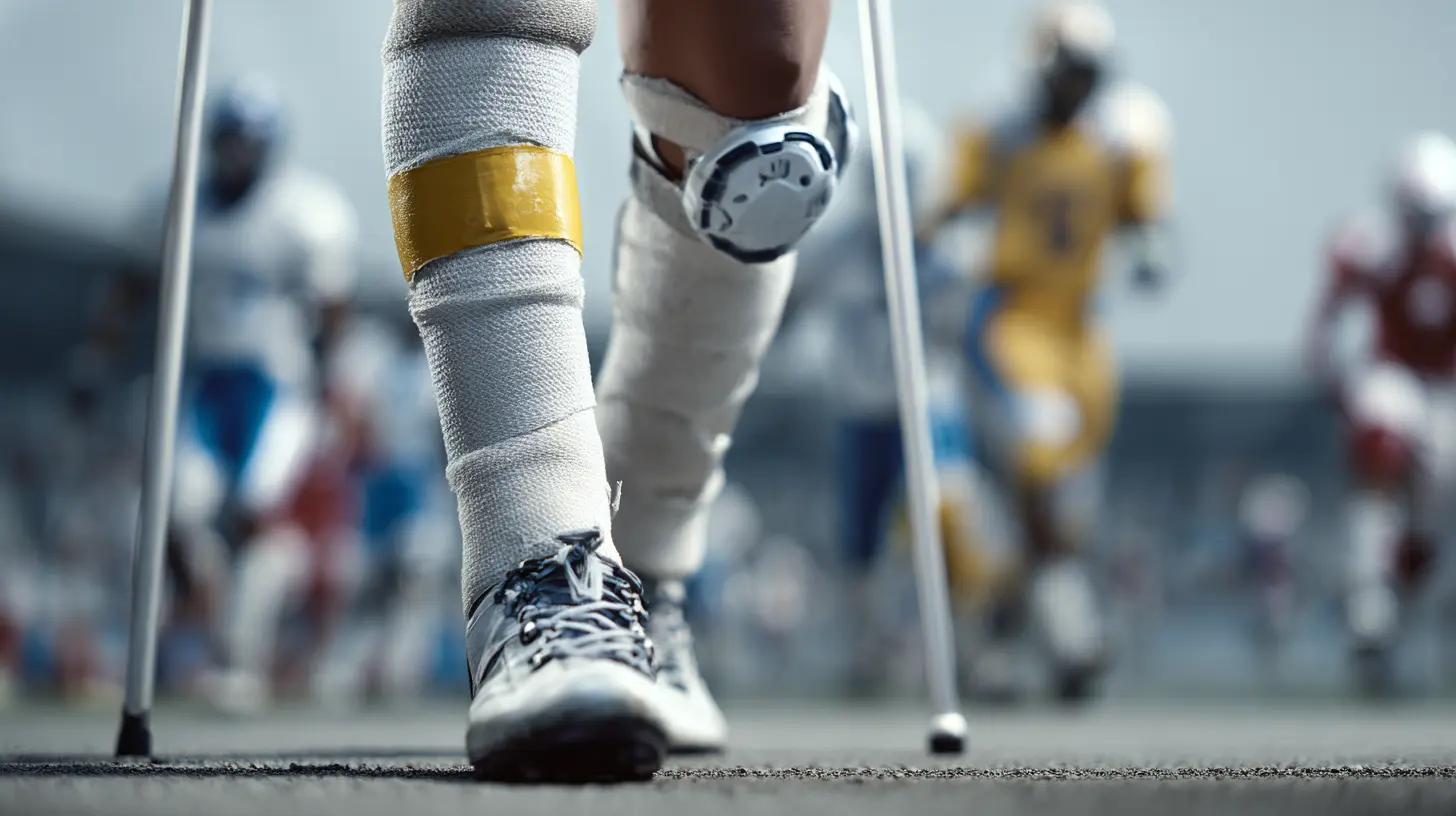
Diagnostics Got Smarter, Not Just Fancier
Here's a misconception worth killing. People assume that better technology automatically means better answers. In 2026, we have wearable sensors that track every step, force plate data from every jump, and blood markers that tell you how inflamed a tendon is on any given morning. That's a lot of data. It is not automatically a lot of insight.The real change is that diagnostics now focus on trends rather than snapshots. A single MRI in 2010 could scare everyone. A single MRI in 2026 is just one frame in a movie. What matters is how the tissue behaves over weeks.
Take a concrete example. A veteran tennis player has a chronically angry Achilles. In the old model, you'd get an MRI, see degeneration, and either rest or operate. In 2026, you'd look at:
- Daily loading data from a shoe sensor
- Weekly isometric strength testing
- Self-reported pain and stiffness in the morning
- How the tendon responds to a specific warm-up protocol
Now you can see whether the tendon is trending better, worse, or holding steady. That's actionable. A single image is not.
The trade-off is real, though. More data means more ways to overreact. A player who checks their morning stiffness score like a stock ticker can spiral into anxiety. The best practitioners in 2026 act like good doctors, not like dashboard watchers. They look at the trend, not the noise.

Load Management Is No Longer a Dirty Word
Let's be honest. For years, "load management" was a polite way of saying "our star is resting tonight and you paid full price." Fans hated it. Talk radio hated it. In 2026, the concept has matured into something more precise and less cynical.The modern version is not about rest. It's about distribution. Instead of playing 38 minutes one night and sitting the next, a player might play 30 minutes, then 32, then 28, with carefully planned spikes for important games. The total workload over a month stays similar. The daily peaks get smoothed out.
Why does this matter for chronic injuries? Because most chronic problems are not caused by total workload. They're caused by workload spikes. A tendon can handle a lot of gradual work. It hates sudden jumps. The classic example is a pitcher who throws 60 pitches in spring training and then 110 in his first regular-season start. The tendon didn't fail because of the 110. It failed because of the jump from 60 to 110.
In 2026, teams model this in advance. They know a player's chronic issue, they know the tissue's tolerance, and they build a schedule that avoids violent spikes. It's not glamorous. It works.
When should you not use aggressive load management? When the athlete is in a contract year, when the team is fighting for a playoff spot, and when the player themselves wants to push. This is where the art comes in. Data can tell you the risk. It cannot tell you whether the risk is worth taking. That's a human decision, and in 2026, the best teams still respect that.
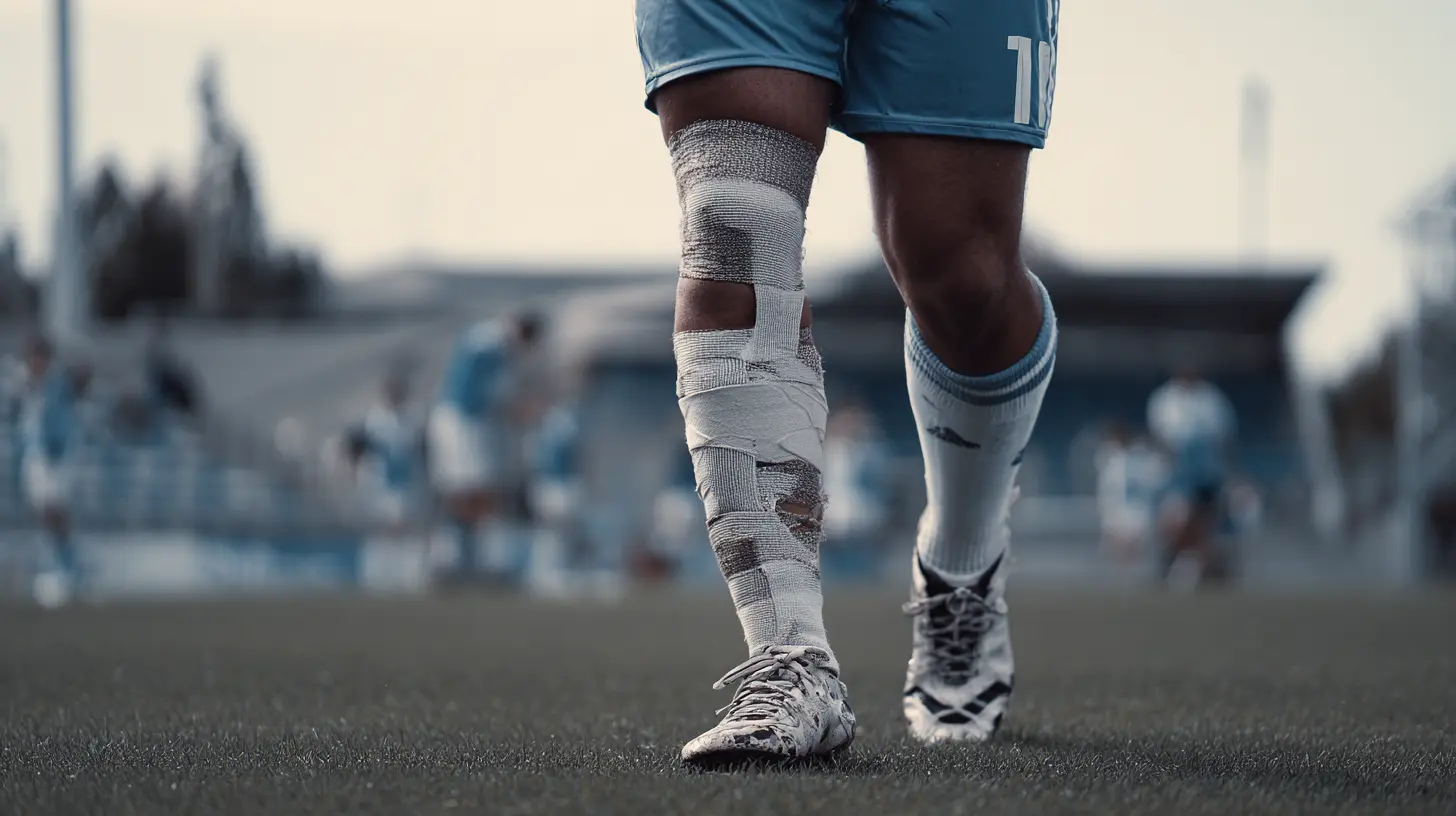
Pain Is Data, Not a Stop Sign
This is one of the most misunderstood changes, so let's be careful.In the old model, pain meant stop. If it hurts, don't do it. That sounds sensible, but for chronic injuries it's often counterproductive. Tendons and joints need load to stay healthy. Complete rest makes them weaker, not stronger. A chronically painful knee that never gets loaded becomes a chronically painful knee that also can't climb stairs.
In 2026, the approach is more nuanced. Pain is treated as information. The questions are:
- Where is the pain?
- When does it appear?
- How long does it last after activity?
- Is it sharp or dull?
- Does it change with load?
A player might be allowed to train with pain at a 3 out of 10, as long as it settles within 24 hours and doesn't worsen week to week. That's a huge shift. It keeps athletes moving, which keeps tissue resilient.
The risk, of course, is that some athletes will push through pain that should stop them. This is why the 24-hour rule exists. If pain is higher the next morning, you overshot. If it's the same or lower, you're in a safe zone. It's a simple feedback loop, and it works surprisingly well.
The Rise of the "Performance Team" and the Death of the Solo Guru
In 2010, a star athlete with a chronic back issue might have one trusted doctor, one physical therapist, and one trainer. They often didn't talk to each other. The left hand didn't know what the right hand was doing, and the athlete was stuck in the middle, translating between them.In 2026, the model is a coordinated performance team. That usually includes:
- A sports medicine physician
- A physical therapist
- A strength and conditioning coach
- A nutritionist
- A sports psychologist
- A data analyst
That sounds like a bureaucracy, and sometimes it is. But when it works, it works because everyone shares the same data and the same goal: keep the athlete functional for as long as possible.
The practical benefit is that decisions get made once, not five times. Instead of the athlete hearing five different opinions and choosing the one they like best, the team meets, debates, and produces a single plan. That plan is reviewed weekly.
The downside is speed. A committee is slower than a single decisive doctor. In an acute emergency, you don't want a committee. You want the best surgeon in the room making the call. For chronic management, though, the committee wins. Chronic problems are complex, and complexity rewards multiple perspectives.
Injections, Biologics, and the Reality Check
Let's talk about the stuff that gets headlines. Platelet-rich plasma. Stem cell injections. Various biologic treatments that sound like science fiction and cost like a small car.In 2026, the honest position is this: some of these tools help some patients some of the time. None of them are magic. The evidence base has grown, but it hasn't grown enough to justify the hype.
What has changed is how they're used. Instead of being a standalone fix, biologics are now typically part of a broader plan. You don't just inject a tendon and hope. You inject, then you rehab, then you load, then you monitor. The injection is a small piece of a large puzzle.
The trade-offs are worth spelling out:
- Cost. Many of these treatments are expensive and not always covered by insurance.
- Uncertainty. Response varies wildly between individuals.
- False hope. Athletes sometimes believe the injection will solve everything, so they skip the boring rehab work. That's a recipe for failure.
If you're considering a biologic treatment in 2026, ask three questions. What is the realistic expected benefit? What does the rehab plan look like afterward? And what happens if it doesn't work? If the answers are vague, walk away.
Mental Health Finally Got a Seat at the Table
Chronic injuries are exhausting. Not just physically, but mentally. The constant monitoring, the fear of re-injury, the sense that your body is betraying you. For decades, athletes were told to tough it out. In 2026, that attitude is finally being recognized as both outdated and counterproductive.The reason is simple. Chronic pain and psychological stress feed each other. Stress increases muscle tension, disrupts sleep, and lowers pain tolerance. Poor sleep slows tissue healing. So an athlete who is anxious about their knee is also, physiologically, making their knee worse.
Modern management includes psychological support as a standard part of the plan, not an afterthought. Techniques like cognitive behavioral therapy, mindfulness, and sleep coaching are now common. They're not soft extras. They're load-bearing parts of the treatment.
The best analogy is a car with a warning light. You can ignore the light and keep driving, but eventually the engine fails. Mental health support is how you address the warning light before it becomes a breakdown.
What Actually Changed for the Athlete's Daily Life
All this philosophy is nice, but what does it look like on a Tuesday?A typical day for an athlete managing a chronic injury in 2026 might include:
1. Morning check-in with a wearable that reports sleep quality and resting heart rate.
2. A short self-assessment of pain and stiffness, logged in an app.
3. A customized warm-up that targets the chronic area specifically.
4. Training with modified loads based on the morning data.
5. A cool-down routine that includes mobility work for the affected joint.
6. An evening check-in to see how the tissue responded.
That's a lot of structure. Some athletes love it. Some find it suffocating. The best programs adapt to the person, not the other way around. A 22-year-old rookie might need less monitoring. A 35-year-old veteran with three chronic issues might need more.
Common Mistakes That Still Happen
Even in 2026, people screw this up. Here are the big ones.Mistake one: chasing a cure. If you've had a chronic issue for years, there is likely no cure. There is management. Accept it and move on.
Mistake two: over-resting. Rest feels safe, but it deconditions tissue. A chronically injured area that never gets loaded will get worse, not better.
Mistake three: ignoring the data. If your morning stiffness has been trending up for three weeks, that's a signal. Don't wait for it to become a crisis.
Mistake four: trusting one opinion. Chronic issues are complex. Get a team, not a guru.
Mistake five: forgetting the basics. Sleep, nutrition, and stress management still matter more than any fancy gadget. A well-rested athlete with a decent diet will out-heal a sleep-deprived athlete with the best technology money can buy.
What This Means for You, Whether You're a Pro or a Weekend Warrior
You don't need a performance team to benefit from the 2026 approach. You need the principles.First, accept that chronic means long-term. Stop looking for a quick fix.
Second, track something. It doesn't have to be fancy. A notebook works. Write down how the area feels each morning and how it responds to activity.
Third, load it gently and consistently. Complete rest is rarely the answer.
Fourth, use pain as a guide, not a wall. If it settles within a day, you're probably fine. If it doesn't, back off.
Fifth, sleep. It sounds boring. It is also the most powerful recovery tool you own.
The Bottom Line
Chronic injuries in 2026 are managed with more patience, more data, and more humility than ever before. The goal is no longer to erase the injury. It's to build a life around it that still includes the sport you love.That's a less heroic story than the comeback montage. But it's a more honest one. And for the athletes living with these issues every day, honest is exactly what they need.
all images in this post were generated using AI tools
Category:
Injury UpdatesAuthor:

Frankie Bailey