Host Cities Everyone’s Talking About in the Sports World of 2026
29 September 2026
The 2026 sports calendar is unlike anything the industry has handled before. For the first time, a men's FIFA World Cup will be staged across three countries, with 48 teams instead of 32 and 104 matches instead of 64. The Winter Olympics return to Europe. The Super Bowl lands in a market that has never hosted it. The Commonwealth Games go to a city that stepped in late after the original host walked away. And the Tour de France will roll out of a capital city that has not started the race in years.
That concentration of events matters more than most fans realize. Host cities are not just backdrops. They shape scheduling, travel, ticket demand, broadcast windows, sponsorship activation, and the long-term infrastructure that outlives the final whistle. When several mega-events cluster into a single year, the cities that host them become laboratories for how sport, money, and urban planning intersect.
This article looks at the host cities generating the most conversation heading into 2026, why they are interesting beyond the headlines, and what fans, travelers, and industry professionals should actually understand before they book flights or make assumptions.
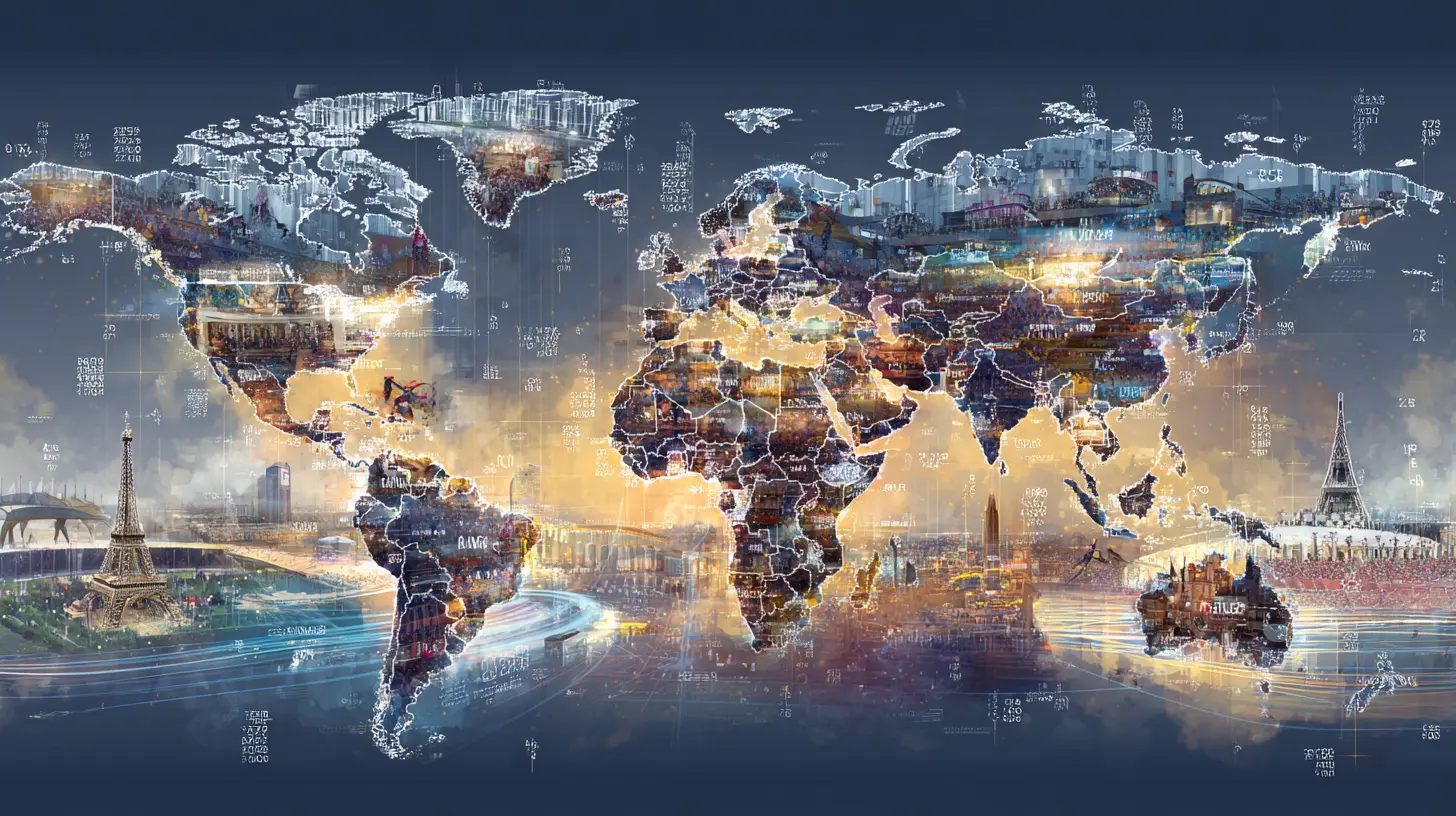
Why 2026 Is a Structural Shift, Not Just a Busy Year
Most years have one or two anchor events. 2026 has at least five that would each dominate a normal cycle. That creates a few consequences worth naming.First, calendar collisions. The World Cup runs from mid-June to mid-July. The Super Bowl sits in February. The Winter Olympics arrive in February as well, which means two of the biggest television properties on the planet compete for attention in the same month. That is unusual and forces broadcasters, sponsors, and rights holders to think harder about sequencing.
Second, labor and logistics pressure. Stadium staff, security contractors, hospitality workers, and broadcast crews are finite resources. Cities hosting multiple events in a short window face real constraints that do not show up in press releases.
Third, the reputational stakes are higher. A city that hosts well in 2026 builds a case for the next decade of bids. A city that stumbles gets remembered, fairly or not, for the wrong reasons.
With that context, here are the host cities drawing the most attention.
North America: The World Cup's Three-Country Experiment
The 2026 World Cup is the single biggest story in sports hosting this year. Sixteen cities across the United States, Canada, and Mexico will stage matches. That scale is unprecedented, and it raises a question the industry has not fully answered: does spreading a tournament across an entire continent dilute the experience or expand it?Mexico City
Mexico City opens the tournament at Estadio Azteca, which becomes the first stadium to host matches at three World Cups. That fact alone makes it historically significant.But the deeper story is altitude. At roughly 2,200 meters, the stadium sits higher than most visiting players are accustomed to. Ball flight changes. Aerobic capacity drops. Teams that prepare poorly in the first week pay for it later. Historically, altitude has been a genuine tactical variable in Mexican football, and 2026 will test whether modern sports science has neutralized it or simply made teams more aware of the risk.
For visitors, Mexico City offers something the U.S. and Canadian host cities largely cannot: a football culture where the tournament is not an interruption to daily life but an extension of it. Expect the fan experience around the stadium to feel more organic, and expect infrastructure strain around transport and accommodation to be real.
Guadalajara and Monterrey
Both cities host group-stage matches and both carry distinct identities. Guadalajara is the spiritual home of Mexican football, tied to clubs with deep domestic roots. Monterrey is an industrial powerhouse with a modern stadium and a business-first approach to hosting.The trade-off here is straightforward. These cities offer authentic atmosphere and lower costs than U.S. host cities, but international visitors may find fewer direct flight options and less English-language infrastructure. For fans willing to plan ahead, that is often a feature, not a bug.
Toronto and Vancouver
Canada's two host cities serve different purposes. Toronto brings scale, media infrastructure, and a stadium that will be expanded for the tournament. Vancouver brings a compact, walkable downtown and a stadium already integrated into the city's core.Vancouver is arguably the most underrated host city on the entire list. It has hosted an Olympics, it has a proven transit system, and its stadium sits within walking distance of thousands of hotel rooms. That combination is rare. The main risk is cost. Vancouver is expensive, and demand during a World Cup will push prices into territory that prices out casual fans.
Toronto's challenge is different. The city is large, spread out, and its stadium situation required significant temporary work. Getting fans to and from matches efficiently will be the real test.
United States: Eleven Cities, Eleven Different Bets
The U.S. hosts the majority of matches, and the city list reads like a map of American ambition: Atlanta, Boston, Dallas, Houston, Kansas City, Los Angeles, Miami, New York/New Jersey, Philadelphia, San Francisco Bay Area, and Seattle.Each city is making a different bet.
Atlanta leans on Mercedes-Benz Stadium, a retractable-roof venue with a strong event track record and a downtown that has hosted major sporting events before. The city's airport is the busiest in the world by passenger traffic, which is both an advantage and a bottleneck.
Dallas offers AT&T Stadium, one of the largest and most technologically advanced venues in the country. The trade-off is geography. Arlington is not Dallas, and the distance between the stadium and the city's cultural core is a real issue for visitors expecting an urban World Cup experience.
Kansas City is the sleeper. It has a compact downtown, a passionate football culture, and a stadium complex that has hosted major international matches. It lacks the international profile of New York or Los Angeles, but it may deliver one of the smoothest fan experiences precisely because it is not trying to be everything to everyone.
Miami brings weather, nightlife, and a large Latin American population that will make certain matches feel like home games. The risk is heat and humidity in June and July. That is not a small concern for player safety and fan comfort.
New York/New Jersey hosts the final at MetLife Stadium. That alone guarantees attention. The region has the hotel capacity and media infrastructure to handle it, but the stadium is not in Manhattan, and the commute is part of the experience whether fans like it or not.
Los Angeles has SoFi Stadium, one of the most impressive venues in the world, and a city that understands how to stage global events. The challenge is sprawl and traffic, which are not new problems but become acute when tens of thousands of visitors converge.
Seattle and the San Francisco Bay Area offer cooler climates and strong tech-sector sponsorship potential. Philadelphia and Boston bring history and dense urban cores. Houston brings heat and a stadium built for it.
The common thread is this: the U.S. host cities are not competing on atmosphere. They are competing on execution. The ones that win the narrative will be the ones that move people efficiently, keep costs sane, and make visitors feel welcome rather than processed.

Europe: Milan-Cortina and the Winter Olympics
The 2026 Winter Olympics in Milan and Cortina d'Ampezzo represent a different model. Instead of one host city, the Games are spread across northern Italy, with events in Milan, Cortina, and several alpine venues including Bormio and Livigno.This is a deliberate choice. The International Olympic Committee has been pushing for more sustainable hosting models that reuse existing venues rather than build new ones. Italy's approach leans into that.
The upside is clear. Existing ski resorts, existing arenas, and a region that already knows how to handle winter tourism. The downside is fragmentation. Athletes, officials, and fans will need to move between venues that are hours apart. That is not a fatal flaw, but it is a logistical reality that will shape the experience.
Milan itself is the anchor. It is a global city with world-class infrastructure, and hosting the opening ceremony there gives the Games a strong visual identity. Cortina brings the alpine tradition and the postcard imagery that winter sports depend on.
The question is whether the spread-out model feels cohesive or disjointed. If it works, it becomes a template for future Winter Games. If it does not, it may push the IOC back toward more centralized bids.

The Super Bowl in the Bay Area
Super Bowl LX will be played at Levi's Stadium in Santa Clara, home of the San Francisco 49ers. This is the first time the Bay Area has hosted the Super Bowl since 2016, and the first time at this particular venue.The Bay Area brings a lot to the table. Tech sponsorship money, global media presence, and a climate that makes outdoor events in February genuinely pleasant. But there are trade-offs.
Santa Clara is not San Francisco. The stadium sits about 45 minutes south of the city in ideal traffic, which is not a phrase anyone uses about Bay Area traffic. Fans expecting a San Francisco Super Bowl will find themselves in a suburban tech corridor. That is not necessarily bad, but it is different from the Miami or New Orleans experience.
The bigger question is whether the Bay Area's cost structure makes the event feel accessible or exclusive. Super Bowls are already expensive. In a region with some of the highest hotel and dining costs in the country, the gap between corporate hospitality and regular fan attendance widens further.
Glasgow and the Commonwealth Games
Glasgow stepped in to host the 2026 Commonwealth Games after the original host withdrew. That decision deserves more attention than it has received.Hosting a multi-sport event on short notice is genuinely difficult. Venues must be secured, funding must be assembled, and athlete services must be built from scratch. Glasgow has an advantage because it hosted the 2014 Commonwealth Games and has much of the infrastructure already in place.
The scaled-back format, with fewer sports and a tighter footprint, may actually be a preview of where the Commonwealth Games are heading. The event has struggled with host withdrawals in recent cycles, and a leaner model could make it more attractive to future bidders.
Glasgow is also a city that understands how to host a party. Its music, food, and nightlife scenes are genuine assets. For fans, that matters. A multi-sport event lives or dies on whether the host city feels alive during the competition window.
The Tour de France Grand Depart
The 2026 Tour de France will start in Barcelona. That is notable because the race has started in Spain before, but Barcelona brings a specific set of advantages.It is a city that already understands cycling as both sport and transport. It has hosted major cycling events, it has a strong cycling culture, and it has the kind of dramatic urban and coastal geography that makes for compelling race imagery.
For the Tour, the Grand Depart is about more than logistics. It is about setting the tone for three weeks of racing. A strong opening weekend in a city that embraces the event creates momentum that carries through the entire race.
Barcelona also gives the Tour access to a Spanish fan base that has grown significantly over the past decade, driven by riders like Carlos Rodriguez and the broader boom in Spanish cycling. That is a commercial consideration as much as a sporting one.
What These Cities Have in Common
Look across the list and a few patterns emerge.Transit is the deciding factor. Cities with strong public transport systems will handle crowds better. Cities without them will rely on shuttles, rideshare, and patience. This is not a minor detail. It shapes whether fans remember the event fondly or remember waiting in line for two hours.
Cost control is the new reputational risk. Fans are more price-sensitive than they were a decade ago, and they are more willing to say so publicly. A host city that allows hotel prices to quadruple during an event may win the short-term revenue battle and lose the long-term reputation war.
Legacy claims need scrutiny. Every host city promises lasting benefits. Some deliver. Many do not. The ones that do tend to have a clear plan before the event, not after. Readers should be skeptical of legacy promises that are not tied to specific, funded projects.
Atmosphere cannot be manufactured. The cities that will be remembered best are the ones where the event felt like it belonged. That is harder to engineer than a stadium upgrade.
Common Mistakes Fans and Planners Make
If you are planning to attend any of these events, or if you work in the industry, here are the mistakes that come up repeatedly.Assuming the host city is the venue city. In many cases, it is not. Arlington is not Dallas. Santa Clara is not San Francisco. East Rutherford is not New York. Check the actual location before booking accommodation.
Underestimating heat. The 2026 World Cup will be played in June and July in cities like Miami, Houston, and Monterrey. Afternoon matches in those conditions are brutal for players and uncomfortable for fans. Plan for hydration, shade, and realistic expectations.
Booking flights before the schedule is confirmed. Match assignments and kickoff times determine everything. Booking early can save money, but it can also lock you into the wrong city on the wrong day.
Ignoring secondary markets. Sometimes the best experience is in a smaller host city with less hype. Kansas City, Monterrey, and Guadalajara may deliver better value and better atmosphere than the marquee markets.
Treating legacy promises as guarantees. If a city says it will build affordable housing or transit improvements, look for the funding and the timeline. If neither exists, treat it as marketing.
How to Think About 2026 If You Are Making Decisions
For fans, the practical advice is simple. Decide what you actually want from the experience. If you want atmosphere, prioritize cities with strong football or winter sport cultures. If you want convenience, prioritize cities with proven transit and compact geography. If you want value, look at secondary markets and book early.For industry professionals, the advice is different. 2026 is a stress test for the multi-city hosting model. Pay attention to how the World Cup handles three countries and sixteen cities. Pay attention to how Milan-Cortina manages a fragmented Winter Olympics. These are not one-off experiments. They are signals about where hosting is heading.
For cities considering future bids, the lesson is that scale is not the same as success. A smaller, well-executed event builds more credibility than a sprawling one that overpromises and underdelivers.
The Bottom Line
The host cities of 2026 are not just venues. They are arguments about what major sporting events should be. Some argue for scale. Some argue for sustainability. Some argue for authenticity over polish.The cities that generate the most positive conversation will not necessarily be the biggest or the richest. They will be the ones that understood their own strengths, planned honestly, and delivered an experience that felt human rather than corporate.
That is the standard worth watching in 2026. Not the stadiums. Not the budgets. The experience.
all images in this post were generated using AI tools
Category:
Sports Events CalendarAuthor:

Frankie Bailey
Discussion
rate this article
1 comments
Cruz McGinnis
The excitement for the 2026 sports events is palpable. Cities like Los Angeles, Toronto, and Mexico City are buzzing with potential. Each location offers unique attractions and experiences that can elevate the fan experience. It will be fascinating to see how they embrace the spotlight and showcase their cultures.
September 29, 2026 at 3:12 AM