Hitting for Power vs. Hitting for Average: What’s the Better Approach?
11 December 2025
When it comes to baseball, one of the oldest debates around the batting cage is this—should players focus more on hitting for power or hitting for average? It’s like comparing muscle cars to hybrids—both get the job done, but in totally different ways.
If you're a player, coach, or just a baseball fanatic trying to understand which approach holds the upper hand, you’re in the right place. Let's grab a seat in the dugout and break this down—stat by stat, swing by swing.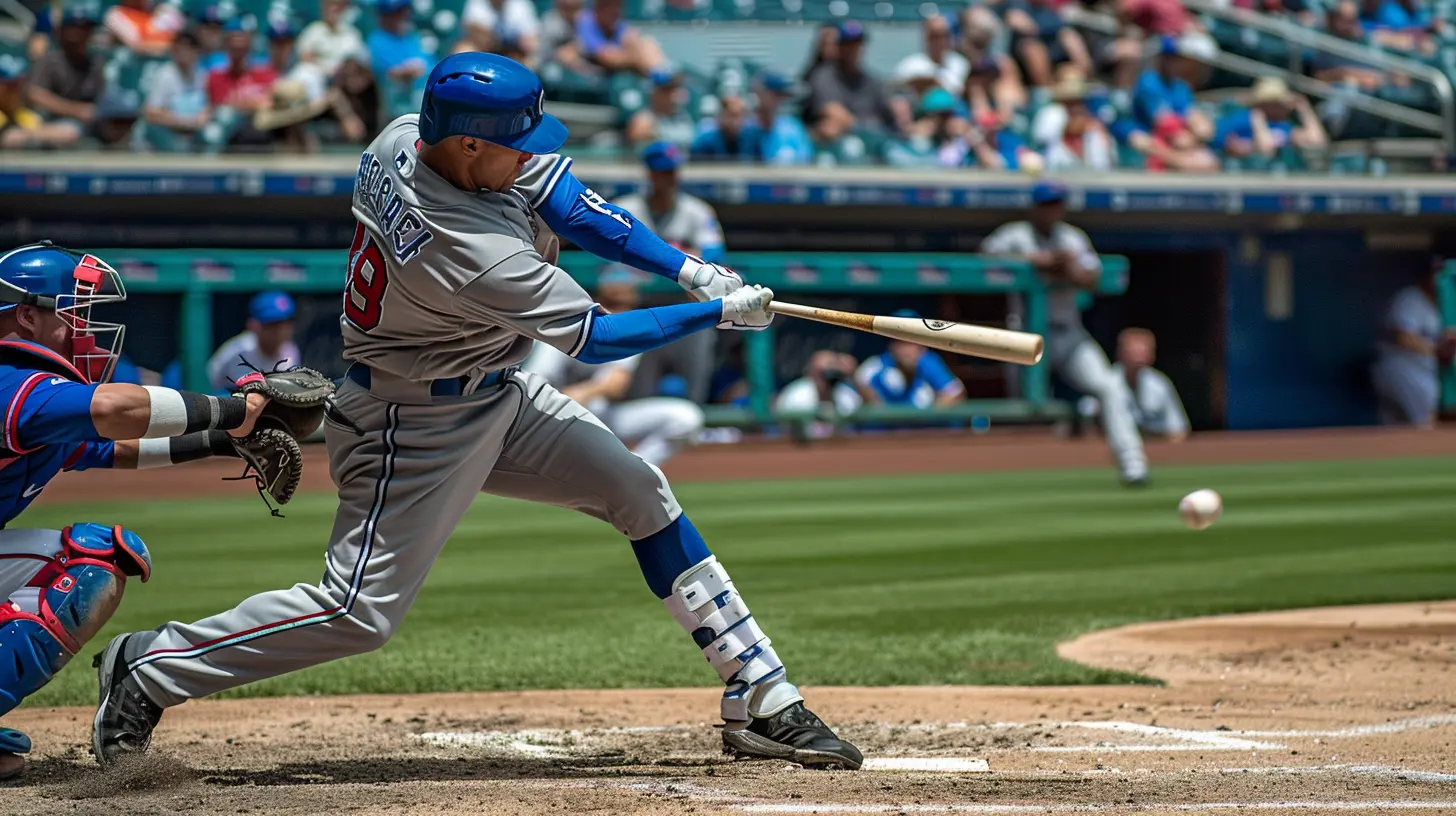
What Does It Mean to Hit for Power?
First off, let’s talk about what hitting for power actually means. No, it’s not just about hitting monster home runs that shatter windows in the parking lot (although that’s definitely part of it).Hitting for power means you're focusing on driving the ball hard and far. It’s about extra-base hits—doubles, triples, and especially home runs.
Basically, power hitters aren’t just content with getting on base. They want to change the game with a single swing.
The Attributes of Power Hitters
- High Slugging Percentage (SLG): This stat shows how many total bases a player averages per at-bat. Power hitters usually shine here.- Elevated Exit Velocity: These guys crush the ball. Fast, hard contact makes all the difference.
- Big Swings, Big Impact: Many power hitters adopt a swing with a higher launch angle to lift the ball into the air.
Think of players like Aaron Judge or Giancarlo Stanton. They might strike out a bit, but one swing can put their team ahead by three runs. That’s game-changing.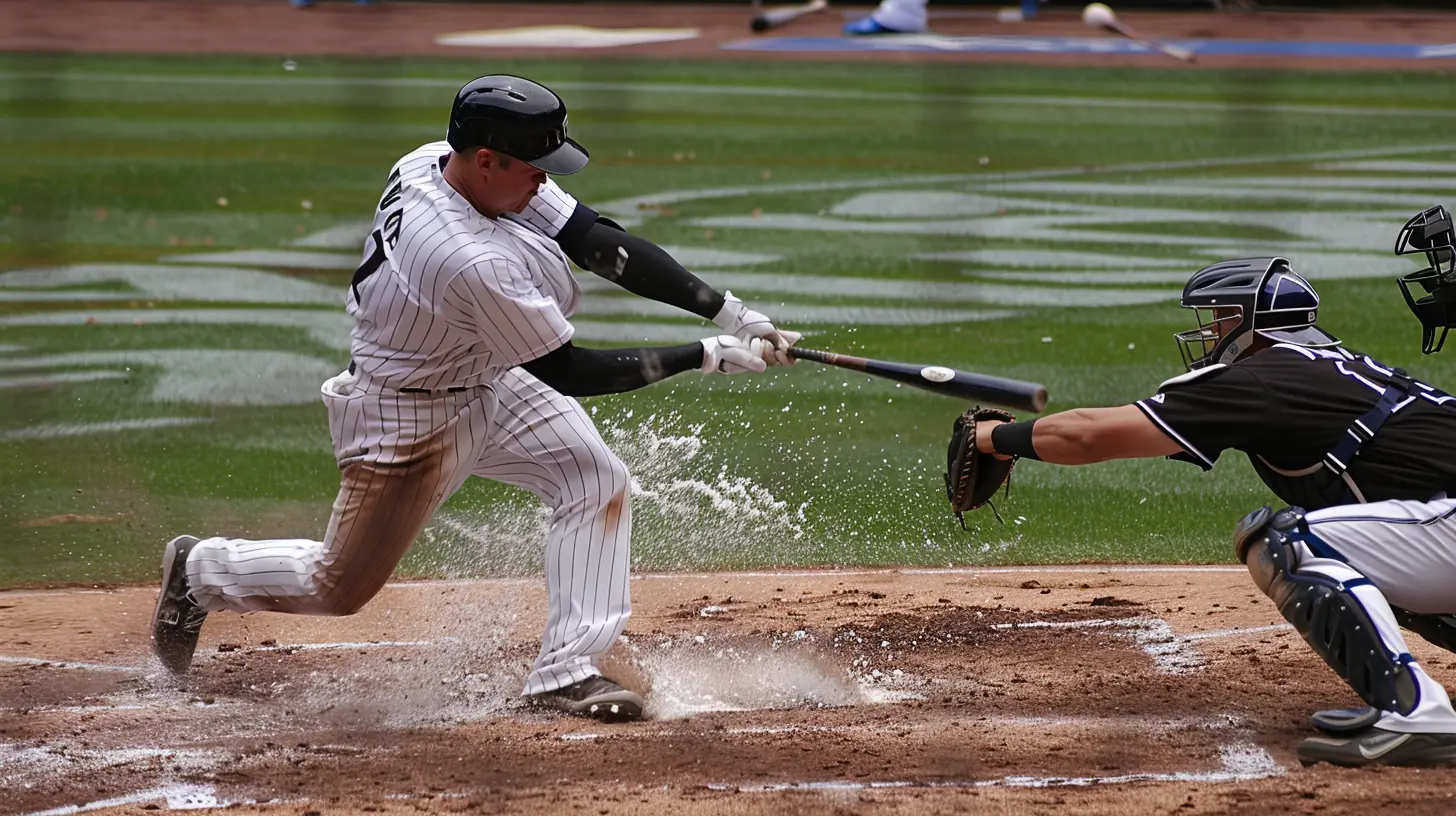
What Does It Mean to Hit for Average?
Now, let’s shift gears to the opposite side—hitting for average. Here, consistency is king.This approach isn’t about sending balls into orbit. It’s about putting the ball in play, finding gaps, and getting on base with regularity.
A guy who hits for average gets base hits more often than not. They’re the ones you trust to get things rolling or keep innings alive. Think batting average over long-ball drama.
The Traits of High-Average Hitters
- High Batting Average (AVG): No surprise here—the stat itself defines the approach.- Great Bat & Ball Control: These players know how to place the ball and exploit defensive weaknesses.
- Disciplined Eye: They don’t chase junk pitches. They wait for something they can handle.
Imagine a hitter like Luis Arraez—he doesn’t hit too many homers, but his batting average is routinely among the best in the league. His approach is surgical.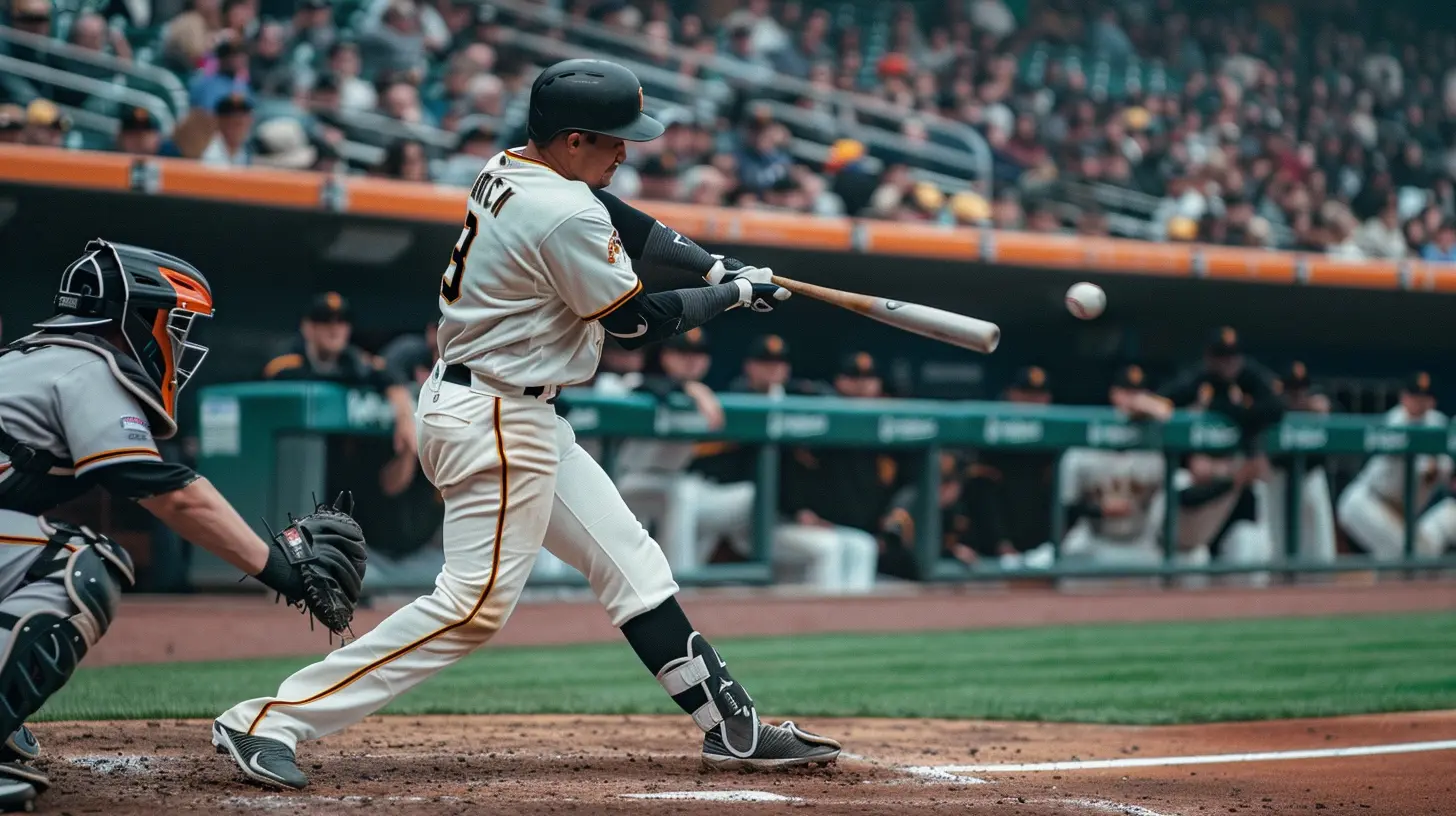
The Psychology Behind the Approaches
So here's a deeper layer—why do some players gravitate toward power while others chase average?It often comes down to playing style, body type, and mindset.
Some hitters naturally have more muscle or leverage, or they grow up loving the thrill of the home run. Others are more contact-based, focusing on timing and placement.
It’s like personalities—some folks like to make loud statements, and some prefer quiet consistency. Both can shine depending on team needs and game situations.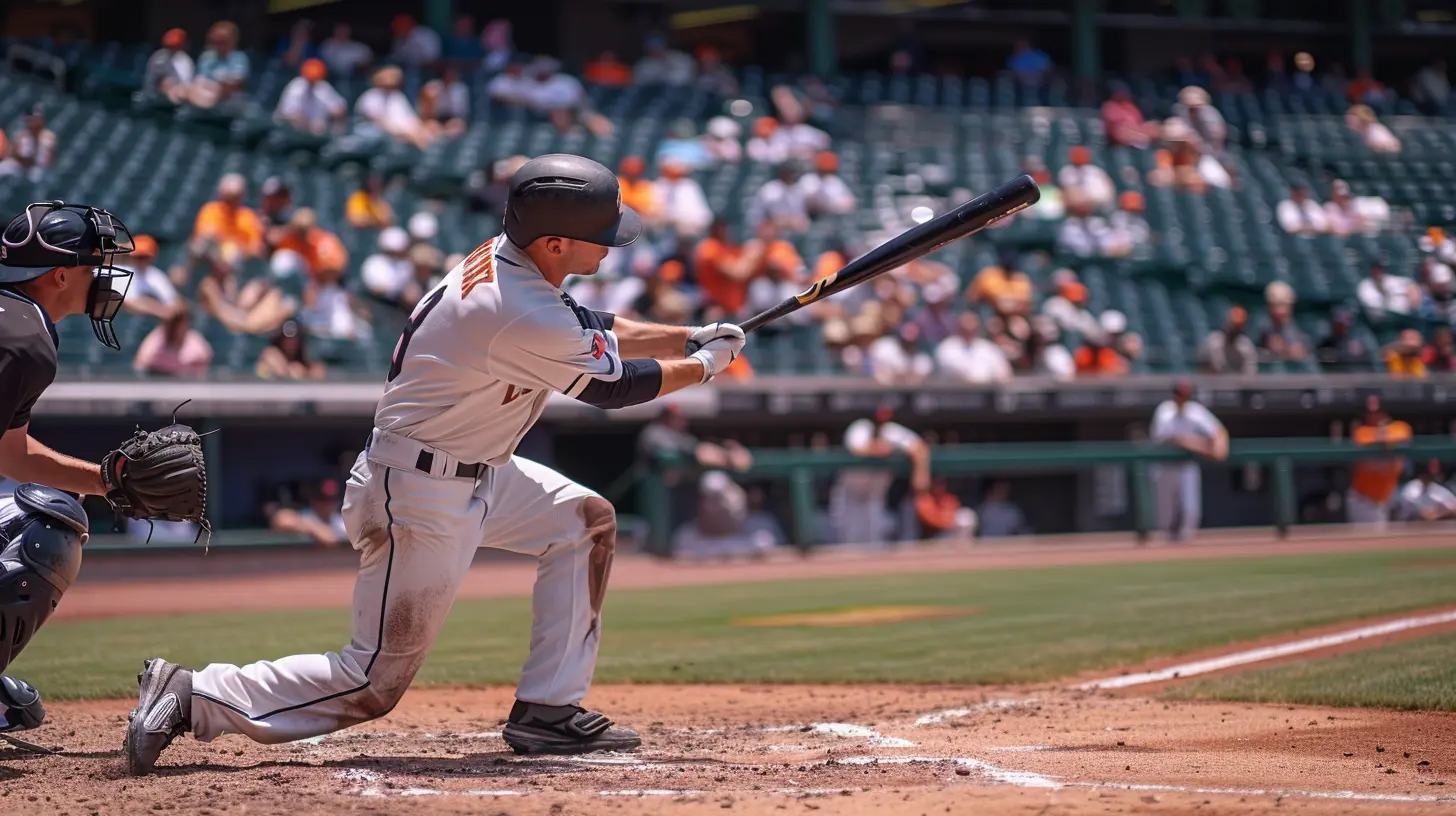
Pros and Cons of Hitting for Power
Pros
- Game-Changing Potential: One swing can change everything—a three-run bomb is the ultimate momentum shifter.- Higher Run Production: Power hitters usually drive in more RBIs.
- More Base Advancement: Even a double puts pressure on the defense and pitchers.
Cons
- More Strikeouts: Power comes with risk. Big swings miss more often.- Inconsistencies: Power hitters can go cold. A slump can be brutal.
- Less Situational Flexibility: Sacrifice flies, bunts, and small-ball strategies are often not their game.
Pros and Cons of Hitting for Average
Pros
- Consistency: Day in and day out, these guys get hits and keep the offense moving.- Low Strikeout Rate: They put the ball in play—and that puts pressure on defenses.
- Team-Friendly Approach: Coaches love guys who can deliver in clutch with a simple single.
Cons
- Less Power Threat: Pitchers aren't as afraid of singles hitters. You may not alter pitching strategies.- Fewer Extra-Base Hits: Even with a .330 average, that might mean a lot of singles.
- Limited Run Production: Without those power numbers, RBIs can be harder to produce.
How Analytics Has Changed the Game
Enter the age of analytics—Statscast, sabermetrics, and endless spreadsheets. These days, coaches and front offices are obsessed with data, and that’s shifted the focus.Slugging percentage (SLG) and on-base plus slugging (OPS) have taken center stage. Why? Because the modern game values impact more than consistency. A .250 hitter with 35 home runs might be more valuable than a .310 guy with five.
It's all about expected value per plate appearance—and power often wins that math game.
But here’s the twist: high-average hitters still matter. Especially in high-pressure playoff moments, contact and consistency can be clutch.
Which Approach Helps Win More Games?
Here’s the million-dollar question: which one helps a team win more?The truth? It depends.
Teams need both to contend. Power hitters drive in runs. Average hitters keep rallies alive. A balanced lineup is like a well-oiled machine—it needs gears of all sizes.
During the regular season, power can carry teams over long stretches. But look at MLB playoffs—contact hitters often shine. Why? Strong pitching limits home runs, so putting the ball in play becomes more valuable.
It’s a chess match between power and finesse, and the best teams mix both.
Famous Players Who Represent Each Approach
Let’s get into some real-life comps. Knowing players who epitomize each style helps put it all into perspective.Power Hitters
- Aaron Judge – Launches moonshots and leads in home runs.- Bryce Harper – Big-swing guy with MVP numbers.
- Pete Alonso – Pure slugger with huge RBI totals.
High Average Hitters
- Luis Arraez – Top batting average in back-to-back seasons.- Freddie Freeman – Hits for average and some power, a hybrid.
- DJ LeMahieu – Contact-focused, especially with runners on base.
Some guys, like Mike Trout or Mookie Betts, blur the lines and do both incredibly well. These unicorns are rare, and they’re usually MVP candidates for good reason.
What Should Young Players Focus On?
If you're a young player or a parent trying to guide one, this part’s for you.Don’t get caught up in forcing one style. Let your swing and size dictate what works best. If you're naturally strong—explore power. If you have great hand-eye coordination—hone your contact skills.
The goal? Be a complete hitter over time.
Coaches are looking for smart, coachable players who can adjust. Lay down a bunt, hit the opposite way, and yes—hit one out once in a while.
Baseball isn’t one-size-fits-all. Find your lane, then expand it.
Is There a Right or Wrong Answer?
So after all this, is there a clear winner between hitting for power and hitting for average?Honestly—no. It’s like asking if a hammer is better than a screwdriver. Depends on the job.
In today's game, there’s more emphasis on power, largely because of how analytics shape decision-making. But high-average, contact hitters still have a critical role—especially when the situational stakes are high.
A great team has both. A great hitter learns to be both.
Final Thoughts
So, hitting for power vs. hitting for average—what’s the better approach? Well, it depends on the player, the situation, and the team’s needs.In modern baseball, power may dominate the highlight reels, but the gritty, grind-it-out average hitters still win games. It’s not a competition—it’s a partnership.
Whether you’re trying to win a Little League title or a World Series ring, remember this:
Hitting is about timing, precision, and purpose. Whether you're aiming for the fences or spraying liners into the outfield, swinging with intent is what makes a good hitter great.
So go ahead—step into that batter's box and find your swing.
all images in this post were generated using AI tools
Category:
BaseballAuthor:

Frankie Bailey
Discussion
rate this article
2 comments
Ian Gill
Both hitting for power and average have their merits. The optimal approach depends on team needs, individual player skills, and the specific game context. Balance is key.
February 3, 2026 at 12:23 PM
Frankie Bailey
Thank you for your insightful comment! I agree that striking a balance between power and average based on team needs and player strengths is crucial for success.
Diesel King
Both power and average have their place in the game! Embrace your unique strengths, find your balance, and remember: every hit brings you closer to your goals!
December 23, 2025 at 5:40 AM
Frankie Bailey
Thank you! Embracing both power and average is key—finding that balance can truly enhance a player's performance and success.