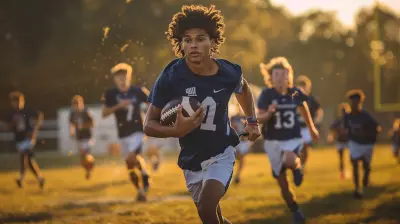
From the Heights of Victory to the Calm of Retirement
23 July 2026
Introduction
Winning in sports isn't just about the glory of the moment; it's about the journey, the sacrifices, and the years of relentless dedication. Athletes push their limits, defy odds, and etch their names in history. But what happens when the final whistle blows? When the crowds stop cheering and the cameras turn away? Retirement, for many athletes, is both a reward and a challenge.
The transition from the adrenaline-fueled highs of competitive sports to the serenity (or uncertainty) of retirement is a journey filled with emotions, adjustments, and reinvention. Some embrace it, while others struggle to find their footing. Let’s dive deep into this transition—what it means for athletes and how they navigate life after sports.
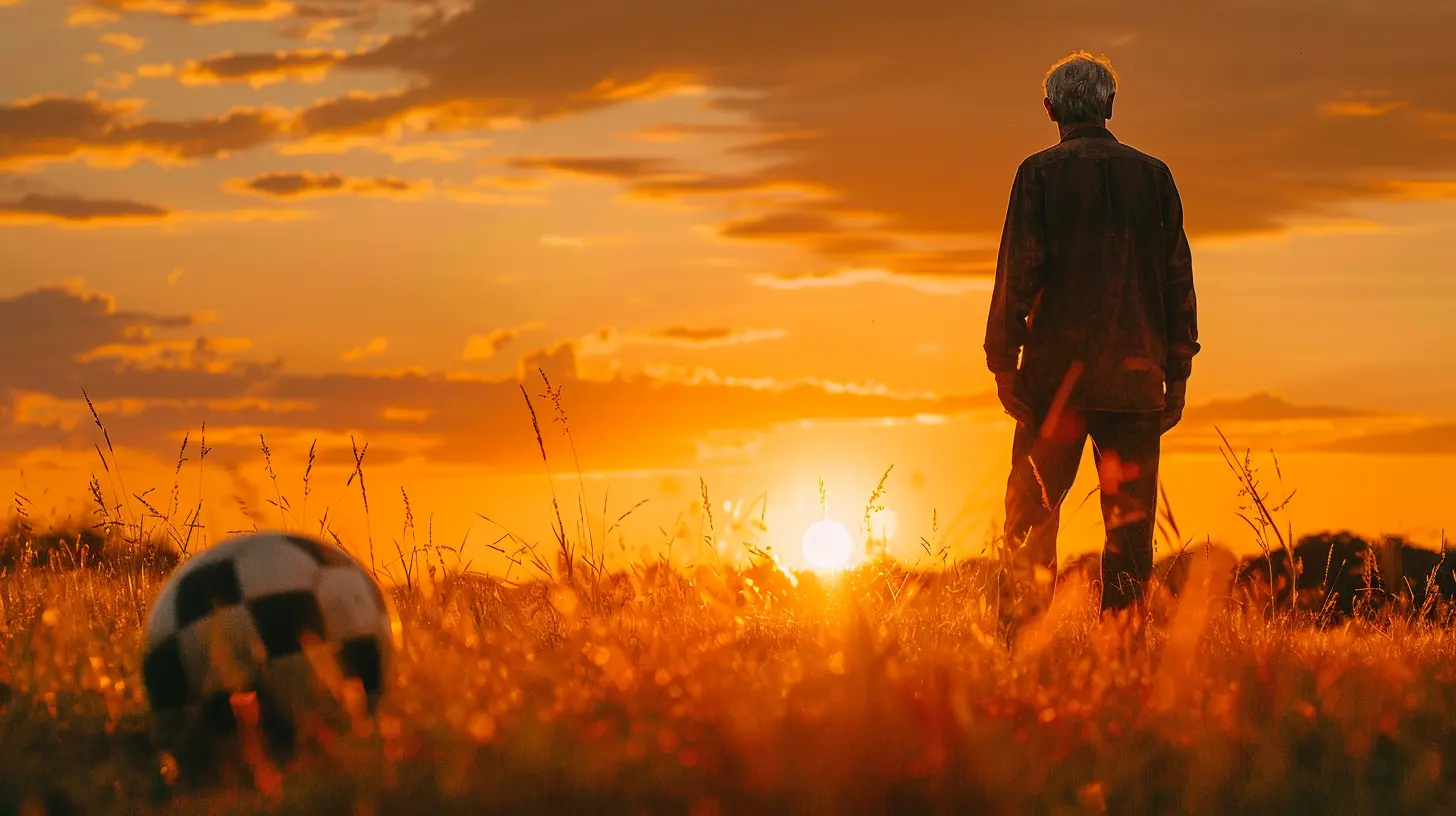
The Glory Days: Reaching the Pinnacle of Success
Every athlete dreams of standing on the podium, hoisting trophies, and hearing the roar of an adoring crowd. These moments are years in the making—long hours of training, grueling workouts, mental battles, and sacrifices.Take Michael Phelps, for instance. The most decorated Olympian of all time, he spent years in the water, training relentlessly. Serena Williams dominated tennis courts worldwide for decades. Soccer legends like Lionel Messi and Cristiano Ronaldo have redefined the game with their skill and dedication.
But no matter how invincible an athlete might seem, time eventually catches up. Injuries, age, or simply the desire to step away lead to retirement—the inevitable reality of every sports career.
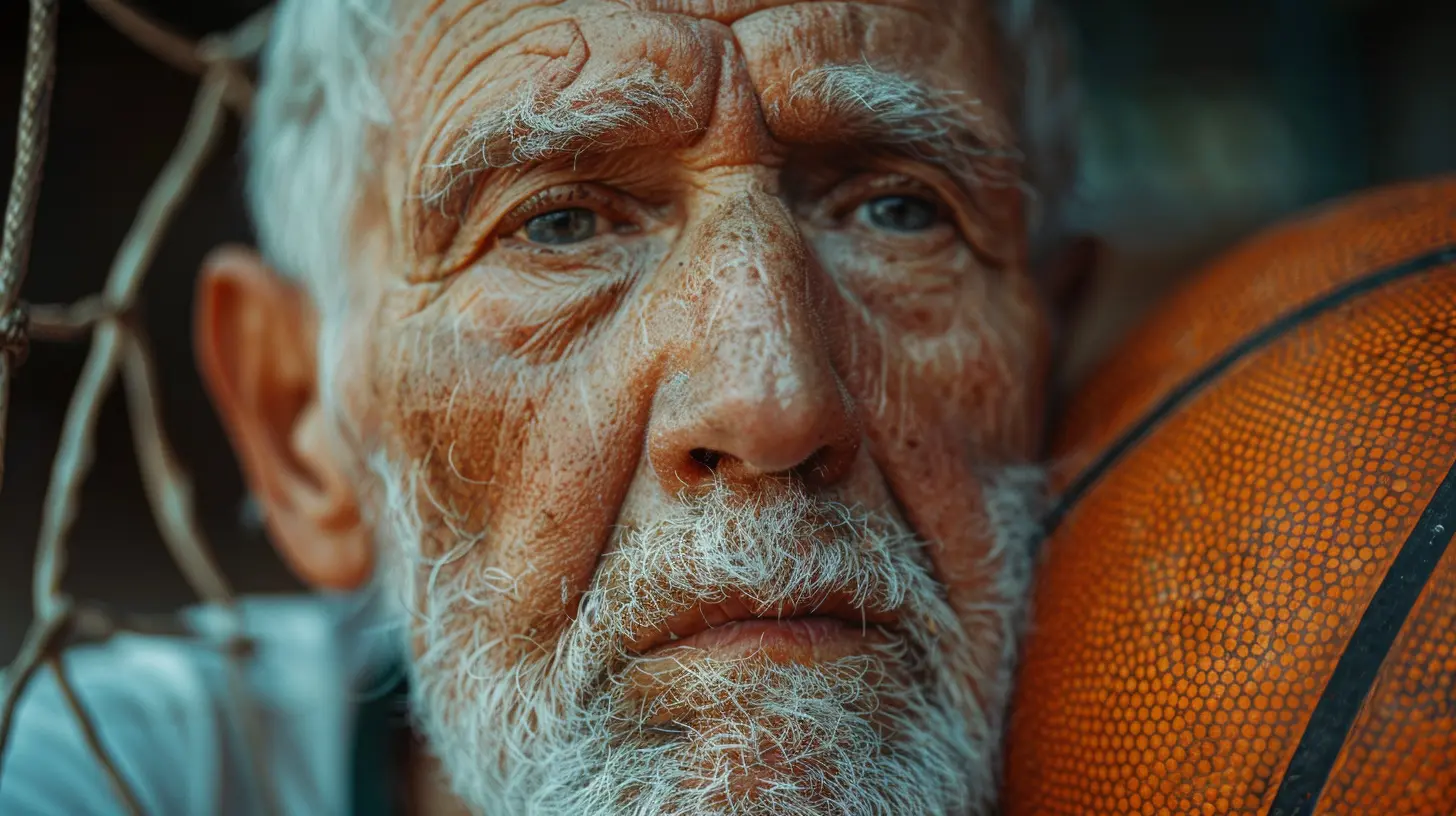
The Decision to Retire: A Crossroad
Retirement isn’t always voluntary. Some athletes bow out when they’re still at the top, like Usain Bolt, while others are forced into it due to injuries or declining performance. Then, there are those who struggle to let go, attempting comebacks before finally calling it a day.The decision isn’t just physical but psychological. Athletes have spent their entire lives chasing competition and perfecting their craft. Walking away can feel like leaving a major part of their identity behind.
For some, the decision is liberating—a chance to finally rest, enjoy life, and pursue other passions. But for others, it's unsettling. The structured routine is gone, the fanfare fades, and the question arises: What’s next?
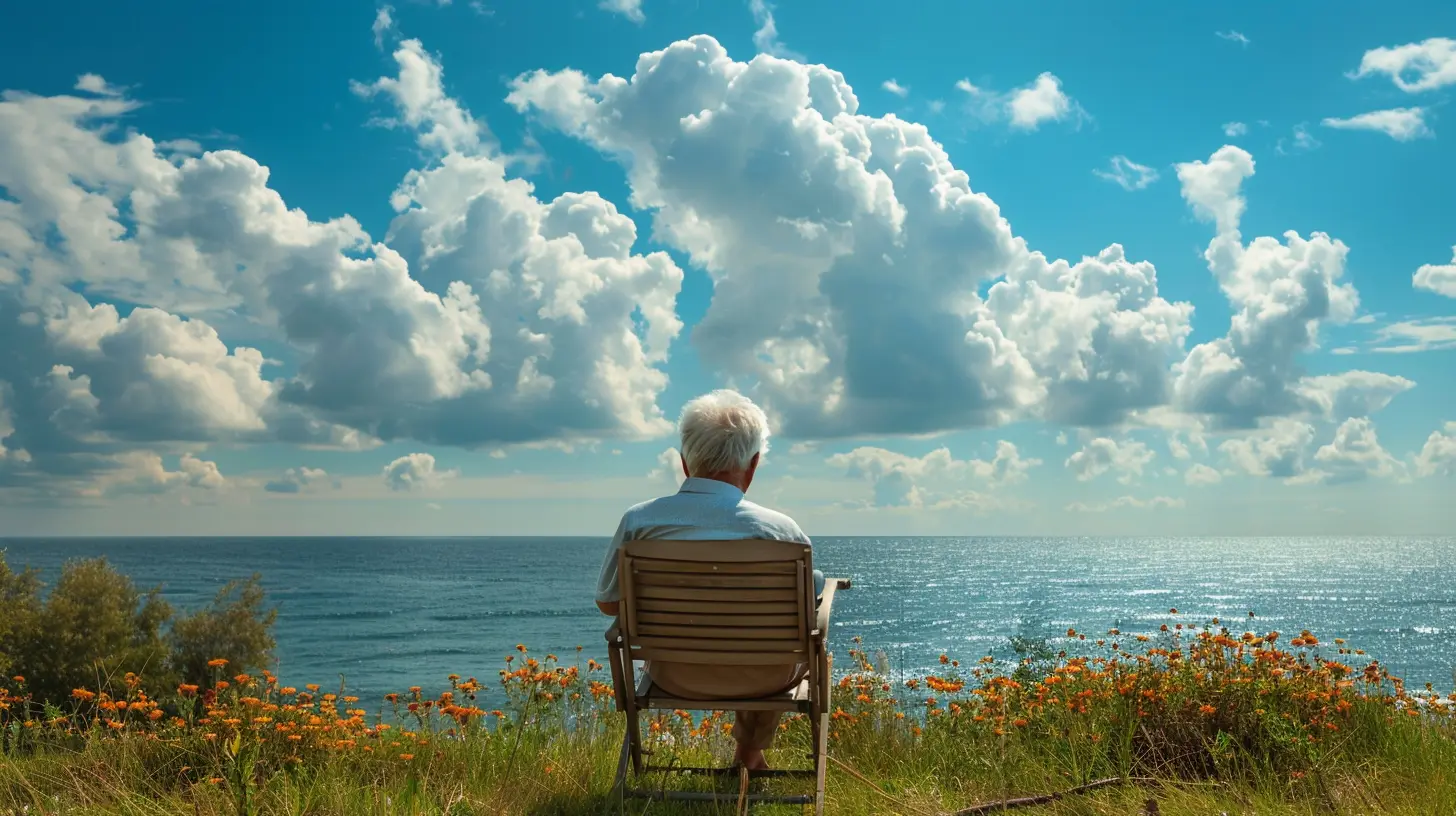
The Emotional Rollercoaster of Retirement
The transition from an active sports career to retirement isn’t always smooth. Many athletes experience what some experts call “post-career depression.” It’s a period of uncertainty, where they struggle to redefine their purpose.1. Loss of Identity
For years, an athlete lives and breathes their sport. They wake up early for practice, follow strict diets, and make their sport their entire world. When retirement arrives, the shift from "athlete" to "former athlete" can feel like losing a part of themselves.2. The Silence After the Applause
Imagine playing in front of thousands of fans, hearing your name chanted, and feeling the energy of a packed stadium. Then, one day, it’s all gone. That silence can be deafening. Many retired athletes miss the adrenaline rush, the competition, and the thrill of victory.3. The Search for a New Purpose
Without the structure of training and competition, what fills the void? Some athletes turn to coaching, mentorship, or broadcasting. Others struggle to find a passion that can match their love for competing.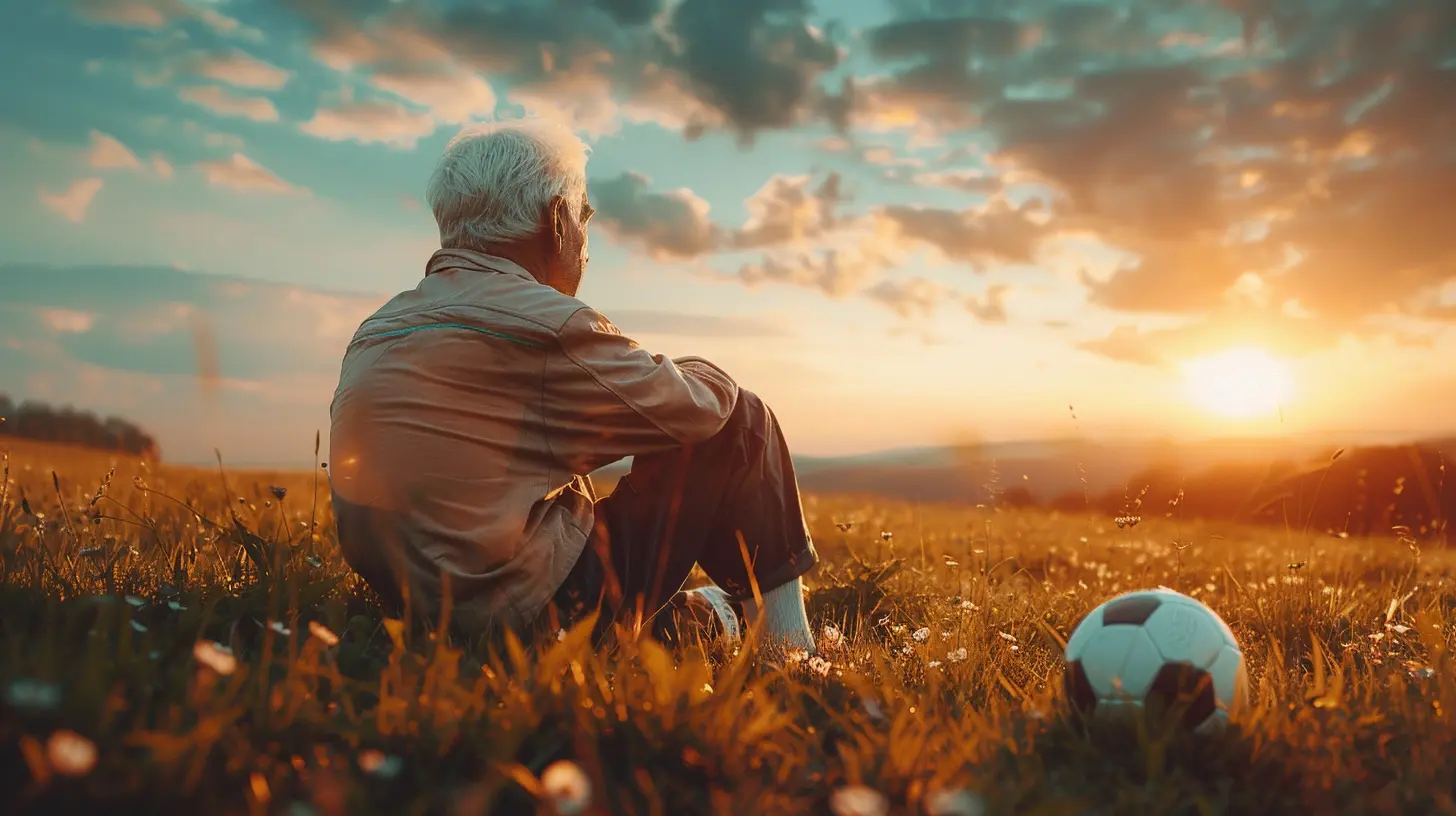
Life After Sports: Finding a New Path
While retirement may mark the end of one chapter, it opens the door to countless opportunities. Many former athletes successfully reinvent themselves and carve out inspiring second careers.1. Broadcasting and Commentary
Many former athletes stay connected to the game by becoming sports analysts or commentators. Think of Shaquille O’Neal in basketball or Gary Neville in soccer—both transitioned smoothly into media roles that keep them close to the action.2. Coaching and Mentorship
Some athletes find fulfillment in giving back to the sport by coaching or mentoring young talent. They become the guiding force behind the next generation of champions.3. Entrepreneurship and Business Ventures
Athletes are disciplined, driven, and competitive—traits that translate well into business. Michael Jordan built a billion-dollar empire with his Jordan Brand. LeBron James has successfully ventured into business and entertainment while still playing.4. Charity and Philanthropy
Giving back becomes a priority for many retired athletes. They establish foundations, support communities, and use their platform for meaningful causes. Didier Drogba, for instance, played a significant role in bringing peace to Ivory Coast through his humanitarian efforts.5. Personal Growth and New Hobbies
Retirement also provides athletes with the freedom to explore passions they previously had little time for—whether it’s traveling, writing, painting, or simply spending time with family.Challenges Athletes Face After Retirement
While some athletes transition smoothly, others struggle with various challenges:1. Financial Instability
Not all athletes retire with millions in the bank. Poor financial planning, bad investments, or a lack of financial literacy can lead to financial struggles post-retirement. This is why financial management during an athlete’s career is critical.2. Physical Health Issues
Years of rigorous training take a toll on the body. Many retired athletes deal with chronic pain, lingering injuries, or long-term health issues due to the physical demands of their sport.3. Mental Health Struggles
Depression, anxiety, and a sense of loss are real battles many ex-athletes face. Without competition and structure, some feel lost. Seeking therapy, staying active, and building a support system become essential.
The Beauty of Reinvention
One thing is certain—retirement isn't the end; it's a new beginning. Some of the greatest athletes have shown that life after sports can be just as fulfilling.Take Kobe Bryant, who after retiring from basketball, won an Academy Award for his animated short film Dear Basketball. He embraced storytelling and inspired millions beyond the court.
David Beckham transitioned into entrepreneurship, owning soccer clubs and staying active in the sport.
These examples show that while leaving the game is tough, the next phase of life can be just as rewarding.
Conclusion
The journey from the heights of victory to the calm of retirement is one of the most defining transitions in an athlete's life. It’s a road filled with challenges, self-discovery, and opportunities. While saying goodbye to the game isn’t easy, the next chapter can be just as extraordinary.Retirement is not about losing something—it’s about gaining a new perspective, embracing new passions, and finding purpose beyond the field, court, or track. And whether it’s through business, mentorship, or personal fulfillment, former athletes continue to inspire the world in ways that go far beyond sports.
all images in this post were generated using AI tools
Category:
Retirement AnnouncementsAuthor:

Frankie Bailey
Discussion
rate this article
1 comments
Delia Pope
Retirement brings peace, but the thrill of victory is unforgettable.
July 24, 2026 at 2:47 AM
Frankie Bailey
That's a great point. Victory has its highs, but finding peace in retirement is a true reward.