From Little League to the Big Leagues: How Youth Baseball Shapes Future Stars
15 December 2025
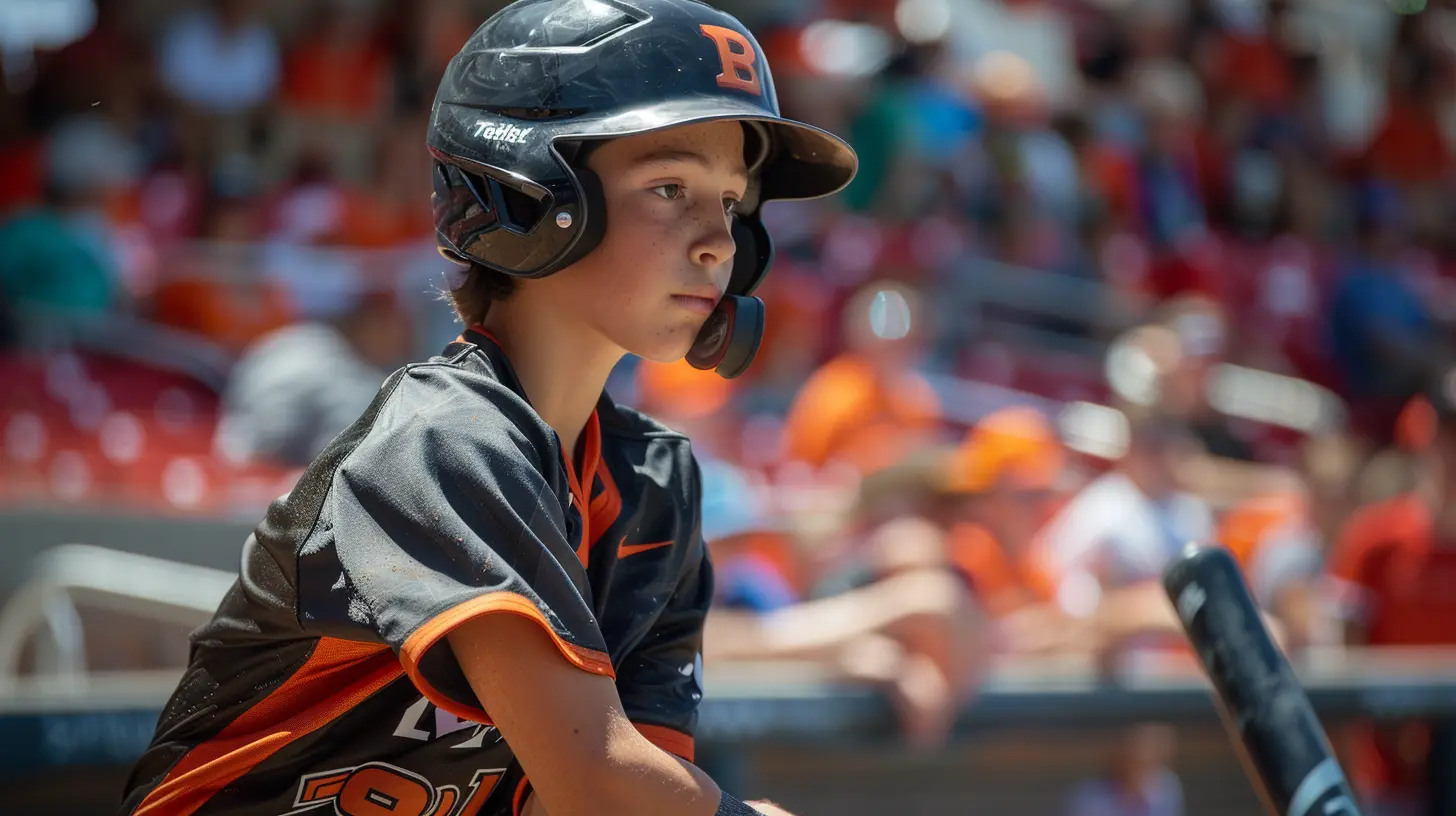
Youth baseball is the foundation upon which future stars are built. It's where the love of the game begins, skills are honed, and character is shaped. Think about it—every Major League Baseball (MLB) superstar you know today, from Mike Trout to Mookie Betts, didn’t just magically appear on the big stage. They all started small, likely swinging their first bat in their local Little League, learning the fundamentals, and dreaming big.
But what is it about youth baseball that molds these raw talents into polished professionals? How does playing in the dirt of a local park lead to the bright lights of a packed stadium? Let's dive deeper into how youth baseball shapes future stars and why it remains such an essential stepping stone for young athletes.

The Early Stages: Building Blocks of Skill Development
Learning the Basics
Every player who’s ever hit a home run or pitched a no-hitter once had to learn how to catch a ball or swing a bat. Youth baseball, particularly Little League, is where this learning process begins. At this stage, the focus is on the fundamentals—throwing, catching, hitting, and base running. It may seem simple, but these foundational skills are the bedrock of a successful baseball career.Kids in youth baseball start to develop muscle memory. Every swing, every throw, every catch builds confidence and skill. They're not just learning how to play the game—they're training their bodies to react instinctively. And let’s be real, baseball is a game of millimeters and split-second decisions. So, mastering these basics early on is crucial.
Teamwork and Communication
Baseball isn't just a game of individual prowess; it's a team sport through and through. Youth baseball is where players first learn how to work together. Whether it’s turning a double play or communicating during a fly ball, teamwork is key. Little League coaches emphasize the importance of communication, trust, and collaboration.In many ways, playing baseball as a kid is like learning how to ride a bike with training wheels. You're learning, sure, but you're also relying on your teammates to help you stay upright. You can't win a game alone. This understanding of teamwork is something players carry with them throughout their careers. It’s not just about personal stats—it’s about how you contribute to the team’s success.
Developing Mental Toughness: Handling Pressure and Failure
The Emotional Rollercoaster
Baseball is a game of failure as much as it is of success. Even the best hitters in the world fail 7 out of 10 times at the plate. Youth baseball introduces young players to these realities early. One day, you might go 4-for-4 and feel like the king of the world. The next, you strike out every time and feel like you never want to pick up a bat again.This rollercoaster of emotions teaches resilience. Kids learn that failure is a part of the game—and life. It’s not about how many times you get knocked down, but how many times you get back up. A tough loss, a missed catch, or a strikeout in the final inning—these experiences build mental toughness that’s essential for not just baseball but any walk of life.
Overcoming Pressure
There's nothing like the pressure of standing at home plate with two outs, bases loaded, and the game on the line. Even at a young age, players are exposed to high-pressure situations that test their nerves. Can they stay calm? Can they focus on the task at hand?The ability to handle pressure is a trait that carries over from Little League to the Major Leagues. Even MLB players often say that the pressure they felt as kids—when their parents, friends, and teammates were watching—was just as intense as what they experience in a packed stadium of 40,000 fans.

Character Building: Discipline, Work Ethic, and Sportsmanship
Discipline and Dedication
Let’s not sugarcoat it: baseball is hard. It’s a game that requires serious dedication. Youth baseball is often where young players first learn the importance of practice and hard work. Success on the field doesn’t come easy, and those who want to excel have to put in the effort.Whether it's showing up for early morning practices, hitting hundreds of balls in the batting cage, or running countless drills, youth baseball teaches kids the value of discipline. It sets the tone for the kind of work ethic that is required if they ever hope to make it to the big leagues.
Sportsmanship and Respect
One of the most valuable lessons learned in youth baseball is sportsmanship. Winning is great, but how you handle losing is what really defines you as a player. Little League emphasizes respect—for teammates, opponents, coaches, and the game itself. Players are taught to shake hands after a game, win or lose. They’re taught to respect the umpire’s calls, even when they don’t agree.These lessons in humility and respect stick with players throughout their careers. The MLB is full of stories of players who maintain their humility despite their success—often citing their early experiences in youth baseball as the foundation of their character.
The Role of Coaches and Mentors
Guidance Beyond the Game
Youth baseball coaches do more than just teach kids how to hit or throw. They are mentors. They provide guidance not just on the field, but off of it as well. A good coach can have a lasting impact on a player's life, teaching them about hard work, resilience, and how to handle both success and failure.For many young players, coaches are like second parents. They offer advice, give encouragement, and sometimes deliver the tough love that’s needed to push a player to the next level. These relationships often shape how a player approaches the game—and life.
The Importance of Positive Role Models
Let's face it—kids look up to their coaches. They watch how their coaches react to tough situations, how they treat others, and how they lead the team. A positive role model in a coach can make a world of difference in a young player's development, not just as an athlete but as a person too.When you see a player like Derek Jeter or Clayton Kershaw, you’re not just seeing raw talent. You’re seeing years of guidance, mentorship, and leadership that started way back in their youth baseball days.
The Transition from Youth Baseball to High School and Beyond
Stepping Up the Competition
Youth baseball is just the beginning. As players get older, they face tougher competition in high school, travel teams, and eventually, college or minor league baseball. Each level brings new challenges, and players have to keep adapting and improving if they want to continue progressing.But without that solid foundation built in youth baseball, making that leap can be incredibly difficult. The fundamentals, mental toughness, and work ethic developed in Little League are what allow talented players to shine as they face increasingly skilled competition.
The Importance of Exposure
For many young players, youth baseball is where they first get noticed by scouts and coaches from higher levels of the game. Whether it's at a local tournament or a travel ball showcase, these early opportunities can open doors. Scouts aren’t just looking for talent—they’re looking for players who can handle pressure, work hard, and play as part of a team. All qualities that are first developed in the youth leagues.
The Lifelong Love of the Game
Baseball as a Passion, Not Just a Career
While not every Little Leaguer will go on to play in the MLB, youth baseball has a way of instilling a lifelong love of the game. Whether they grow up to play in college, coach their own kids, or simply become lifelong fans, the memories and lessons learned on the baseball field stick with them forever.And for those who do make it to the big leagues, many will tell you that the purest joy they ever felt playing baseball was back in their youth. The game was simpler then—just a bat, a ball, and a group of friends who loved to play.
Conclusion: From Little League to Big Leagues—The Journey Begins
Youth baseball is more than just a stepping stone to the pros; it's a critical stage in shaping not only future stars but future leaders. It's where dreams begin, where skills are sharpened, and where character is built. Whether a young player makes it to the big leagues or not, the lessons learned on the diamond will carry them through life.So, the next time you’re watching a Major League game, remember that every player out there was once just a kid in a local park, learning how to grip a bat and dreaming of hitting that game-winning home run.
all images in this post were generated using AI tools
Category:
BaseballAuthor:

Frankie Bailey
Discussion
rate this article
2 comments
Mateo McElhinney
This article brilliantly illustrates the crucial role youth baseball plays in nurturing talent. By instilling skills and values early on, it lays the foundation for future stars in the big leagues.
February 9, 2026 at 5:21 AM
Frankie Bailey
Thank you for your insightful comment! I'm glad you found the article highlights the important impact youth baseball has in developing both skills and values for future athletes.
Sydney McElroy
Who knew the path to greatness started with juice boxes and oversized mitts? From epic snack breaks to diamond dreams, youth baseball is like training wheels for future Hall of Famers!" ⚾️✨
December 16, 2025 at 5:09 AM
Frankie Bailey
Absolutely! Those early experiences set the foundation for teamwork, resilience, and love for the game. Every Hall of Famer started somewhere! ⚾️✨