Cycling for Beginners: Your Ultimate Guide to Getting Started
15 February 2026
So, you're thinking about hopping on a bike and hitting the road (or trail)? Awesome choice! Cycling is hands-down one of the best ways to boost your physical health, mental well-being, and maybe even shrink your carbon footprint a little. But let's be real—starting anything new can feel a bit overwhelming, especially if you’re not sure what gear you need or where to even begin.
Don’t sweat it. This guide is here to give you everything you need to confidently start your cycling journey. We’ll walk through the gear, the mindset, the techniques, and even those rookie mistakes to avoid. Whether you're aiming to ride around your block or one day tackle a century ride, this is your launch pad.
Let’s roll.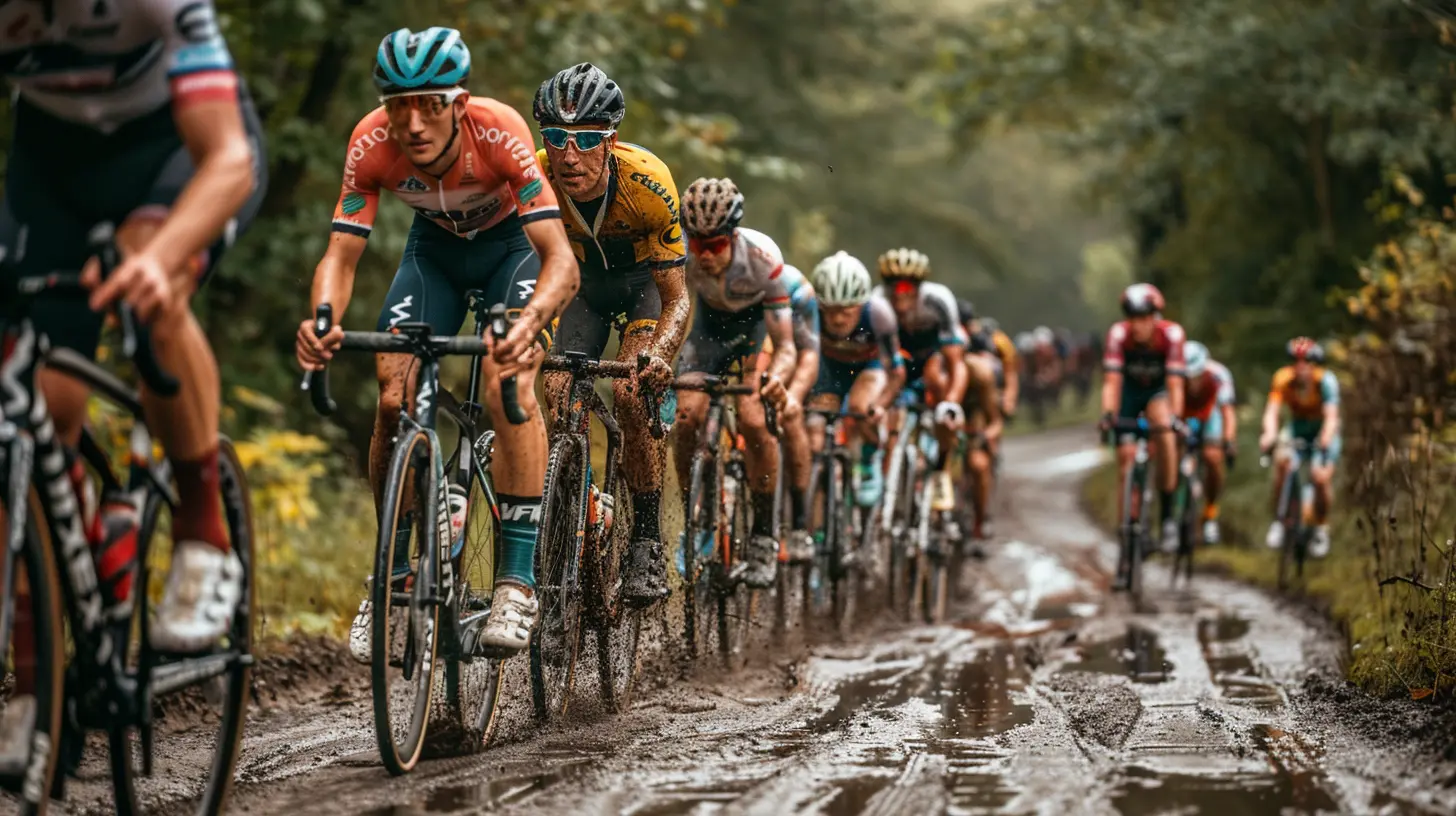
Why Cycling? (Spoiler Alert: It’s Awesome)
Before we dive into the nuts and bolts, let’s answer the big question—why cycling?Well, for starters, it’s low-impact, which means it’s much gentler on your joints than running. It’s also incredibly versatile. Want a peaceful solo ride through nature? Done. Hoping to get competitive? There are races and clubs all over. Commuting on two wheels? Save money and stay fit.
Then there's the freedom. You know that feeling when you’re coasting down a hill, wind in your face, and your brain is just... quiet? That’s cycling magic.
Plus, it’s a killer cardio workout and a great leg and core strength builder. And yeah, it burns calories like crazy, so if weight loss is on your mind, biking can definitely help.
The First Big Decision: What Kind of Bike Do You Need?
Not all bikes are created equal—and no, you don’t need to drop thousands on a shiny carbon-fiber speed demon to get started.Here’s a quick breakdown of the main types of bikes so you can find your ride-or-die:
🚴♂️ Road Bikes
- Best for: Smooth pavement, speed.- Why choose it: Lightweight, fast, made for long distances.
- Keep in mind: Narrow tires and drop handlebars might feel tricky at first.
🚵♀️ Mountain Bikes
- Best for: Off-road, trails, rugged terrain.- Why choose it: Durable, wide tires and suspension for bumps.
- Keep in mind: Heavier than road bikes, not ideal on pavement.
🚲 Hybrid Bikes
- Best for: Casual rides, commuting, light trails.- Why choose it: Comfortable upright position, versatile.
- Keep in mind: Jack of all trades, master of none.
🚴 City/Commuter Bikes
- Best for: Urban environments, short rides.- Why choose it: Practical, rack-friendly, often includes fenders and lights.
- Keep in mind: Not built for speed or rough terrain.
If you're still unsure, visit a local bike shop. They’ll help you test a few and get a feel for what suits you best.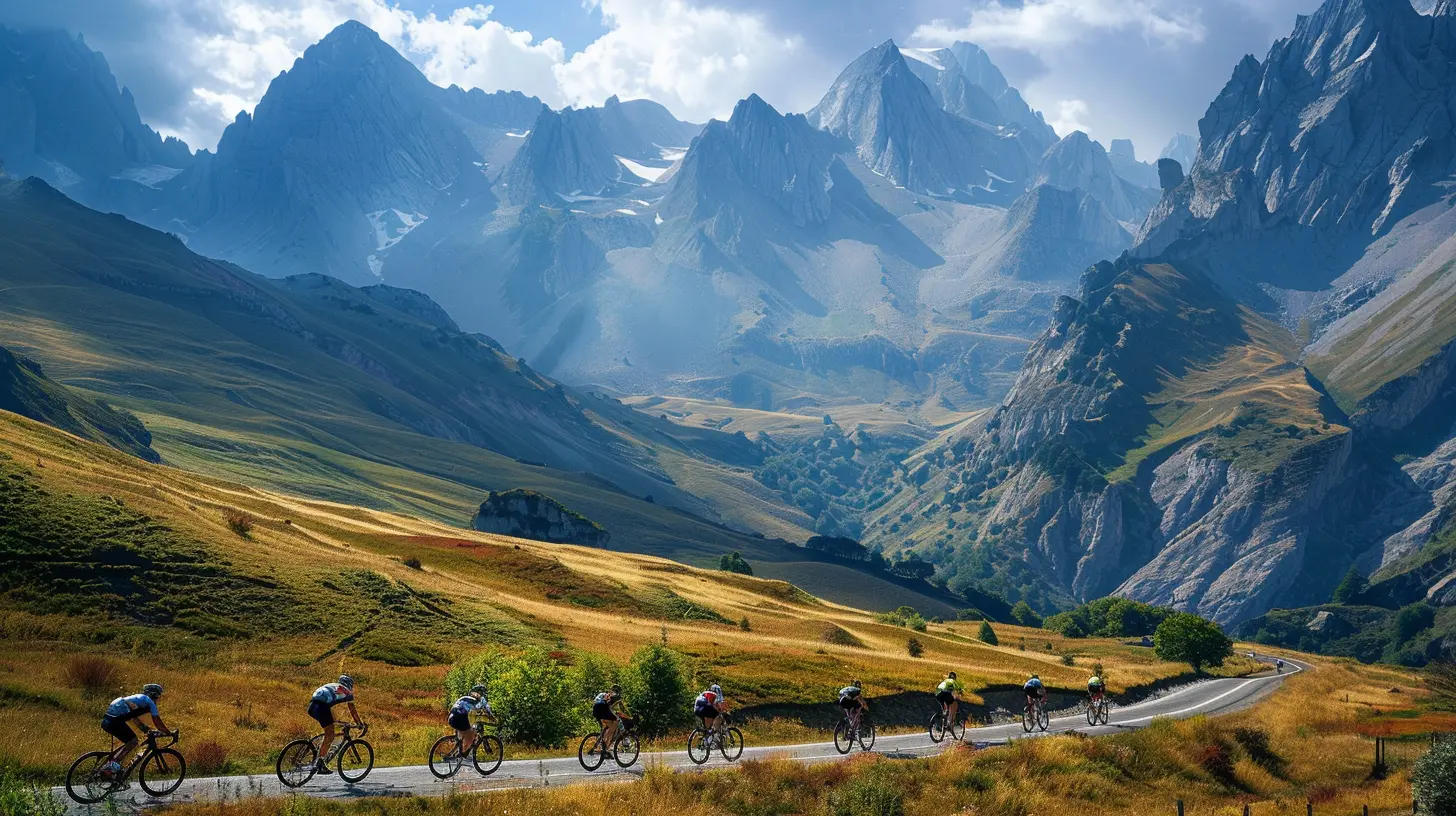
The Must-Have Gear (You Don’t Need a Closet Full… Yet)
Here’s the truth—cycling can get expensive really fast. But as a beginner, you only need the essentials. Let’s keep things simple:1. Helmet
No compromises here—a helmet is a must. Look for one that fits snugly and has safety certifications (like CPSC in the U.S.).2. Comfortable Clothing
You don’t need head-to-toe Lycra—unless that’s your thing. Just wear something breathable and fitted (baggy pants and chains don’t mix well).3. Bike Lock
Even if you think your neighborhood is safe. Trust us, bikes disappear faster than cookies in the office break room.4. Lights and Reflectors
For evening or early morning rides. Better safe than sorry, right?5. Water Bottle + Cage
You’re gonna sweat. Stay hydrated.6. Bike Pump and Patch Kit
Flat tires happen. Be ready.7. Cycling Gloves (Optional But Handy)
They reduce hand fatigue and protect you in falls. Plus, they look pretty cool.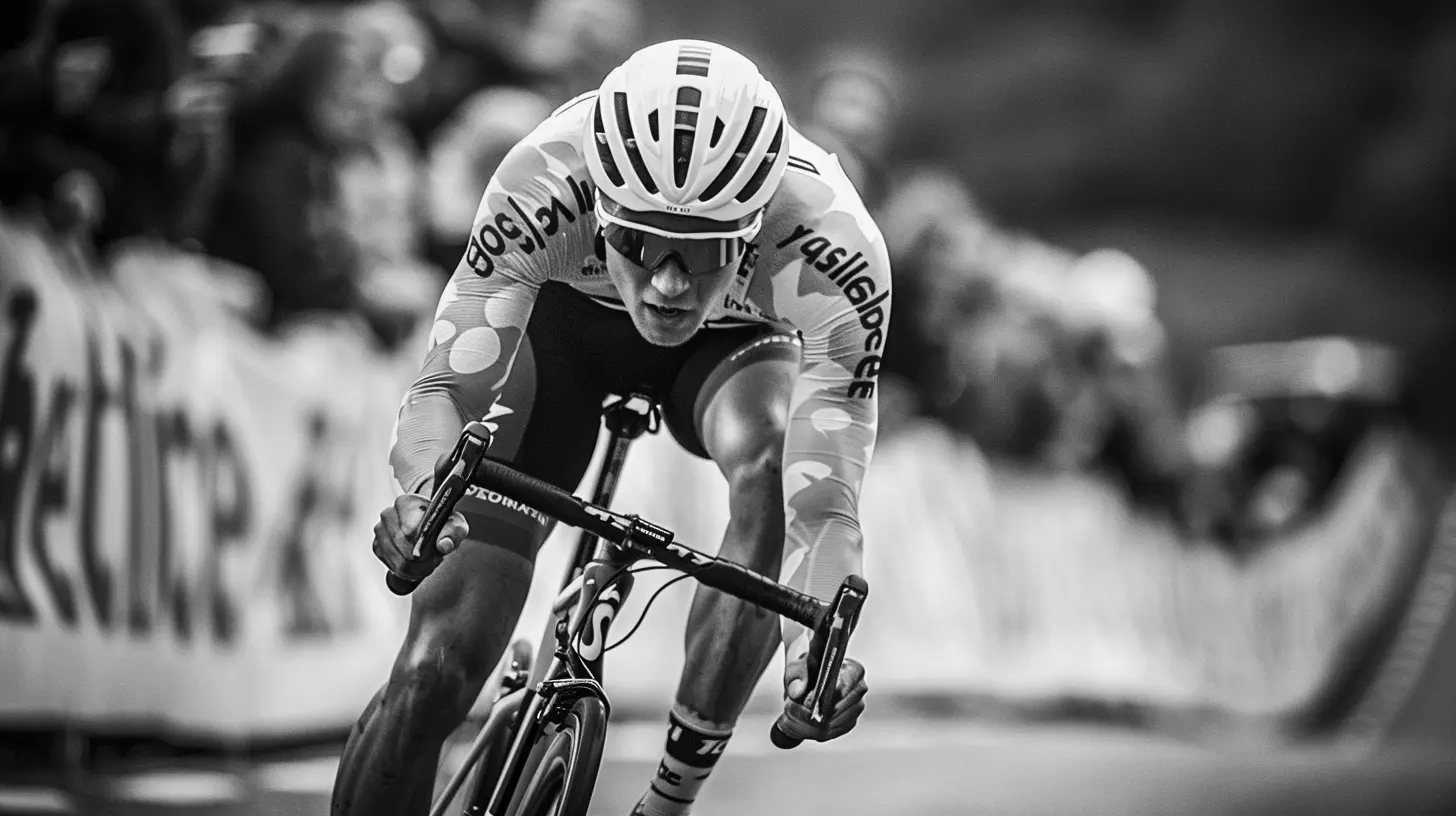
Learning the Ropes: Tips to Get Comfortable on Two Wheels
Starting out can feel a little awkward—like your first dance at middle school. But stick with it. Here are a few golden nuggets to help you feel more confident, faster:✅ Adjust Your Bike Properly
- Saddle height should allow a slight bend in your knee at the bottom of a pedal stroke.- Handlebar height depends on comfort and riding style, but beginners usually prefer higher bars for better posture.
✅ Practice in a Safe Place
Find an empty parking lot or quiet trail. Practice starting, stopping, turning, and using your gears.✅ Learn to Use Your Gears
Think of gears like the volume on a radio. You adjust them based on the terrain. Lower gears = hills. Higher gears = flat roads. Play around to get the feel.✅ Ride Predictably
No sudden swerves or stops. Signal your turns. Act like a car when you’re on the road.✅ Start Slowly, Then Build
Don’t worry about speed or distance at first. Focus on comfort and consistency. A 15-minute ride today might turn into a 50-mile ride six months from now.Common Beginner Mistakes (And How to Dodge Them)
No shame here—we’ve all been there. But if you can avoid these early slip-ups, your learning curve will be way smoother.❌ Ignoring Bike Fit
An uncomfortable bike can turn you off riding fast. Get it fitted properly or ask a shop to help.❌ Skipping Maintenance
Just like a car, your bike needs love. Lube the chain, check the brakes, and inspect your tires regularly.❌ Pushing Too Hard Too Soon
Burnout is real. So is saddle soreness. Ease into it.❌ Not Fueling Properly
Even casual rides can drain your energy. Eat a light snack before riding and pack a banana or energy bar for longer trips.❌ Being Unpredictable in Traffic
You don’t have to be a pro cyclist, but do follow basic road rules. Stay visible, communicate with hand signals, and never assume a driver sees you.How to Track Progress and Stay Motivated
Once you’re a few weeks in, you might start wondering—“Am I getting better?” Good news: there are tons of fun ways to track your progress and stay psyched.Try a Cycling App
Apps like Strava or Komoot turn every ride into a mini adventure. They log distance, speed, routes, and even elevation.Join a Group or Club
There’s nothing like riding with others to boost your skill and motivation. Local shops often host beginner rides.Sign Up for a Charity Ride or Event
Having a goal gives your training purpose. Start with a 10-mile ride and work up.Celebrate Wins (Big and Small)
First time riding 5 miles? That’s awesome. Made it up a tough hill? High five yourself. Progress isn’t always measured in miles.Nutrition and Hydration: Fueling the Ride
Food is fuel, especially when you’re churning out pedal strokes. You don’t need to eat a buffet pre-ride, but here’s the breakdown:- Before your ride: A light snack with carbs and protein (think banana with peanut butter).
- During (for rides over 60 minutes): Sip water regularly and munch on small snacks or energy bars.
- After your ride: Replenish with a balanced meal to help your muscles recover.
And don’t wait until you’re dying of thirst to drink. Sip every 10–15 minutes. Your body will thank you.
The Mental Side of Cycling
Here’s the part people don’t talk about enough—the mental journey.Cycling is as much about mental fitness as physical. You'll face days when the wind is against you, your legs feel like jelly, or you question why you even started. That’s normal. The key is to ride through it.
Use cycling as your escape. Let your thoughts quiet down with every rotation of the pedals. Find your rhythm. Sometimes, riding will feel like meditation in motion.
Pro tip? Don’t compare yourself to others. Your ride, your pace, your journey.
How to Stay Safe and Confident on the Roads
Sharing the road with cars can be intimidating at first. But confidence comes with preparation:- Wear bright, visible clothing.
- Always obey traffic rules.
- Stay out of blind spots.
- Use lights, even in daytime.
- Assume drivers don’t see you—ride defensively.
Consider taking a beginner cycling safety class if you're really nervous. Knowledge is power, and confidence makes all the difference.
Final Thoughts: Just Get Out There 🚴
If you’ve made it this far, guess what? You’re already a cyclist in the making.Starting anything new can be a little scary. But every expert was once a beginner wobbling down their driveway. So don’t wait for the perfect moment, perfect bike, or perfect weather. Grab what you’ve got and ride. Start small. Go slow. Have fun.
The open road (or trail) is waiting—and it’s one heck of a ride.
all images in this post were generated using AI tools
Category:
CyclingAuthor:

Frankie Bailey
Discussion
rate this article
2 comments
Vanta Edwards
Ready to pedal your way to fun? 🚴♂️ This guide is like training wheels for your biking dreams! Get set, gear up, and let the good times roll. Happy cycling, beginners!
March 31, 2026 at 2:43 AM
Frankie Bailey
Thanks for the enthusiasm! Let's get those wheels turning and enjoy the ride. Happy cycling!
Samira Jackson
Great tips! Excited to start my cycling journey now!
February 16, 2026 at 4:50 AM
Frankie Bailey
Thank you! Enjoy the ride – happy cycling! 🚴♀️