Biggest Midseason Injury Surprises Across Major Leagues 2026
26 October 2026
Every season writes its own story of loss. The 2026 campaign, still unfolding, has already produced a catalog of injuries that no front office planned for and no fan base braced for. Some arrived in the quiet hours of a Tuesday night, a star clutching a hamstring as the crowd exhaled. Others came in the middle of a pennant chase, a franchise player crumpling under the weight of a routine play. The biggest surprises are rarely the most gruesome. They are the ones that strike at the worst possible moment, against the grain of expectation, and force entire organizations to rewrite their plans mid-sentence.
This article examines the most consequential midseason injury surprises across the major leagues in 2026, with an eye toward what they reveal about roster construction, medical management, and the fragile arithmetic of contention. The goal is not to catalogue every trip to the injured list. It is to understand why certain injuries land like thunderclaps, how teams respond, and what the rest of us can take from the wreckage.
What Makes an Injury a Surprise
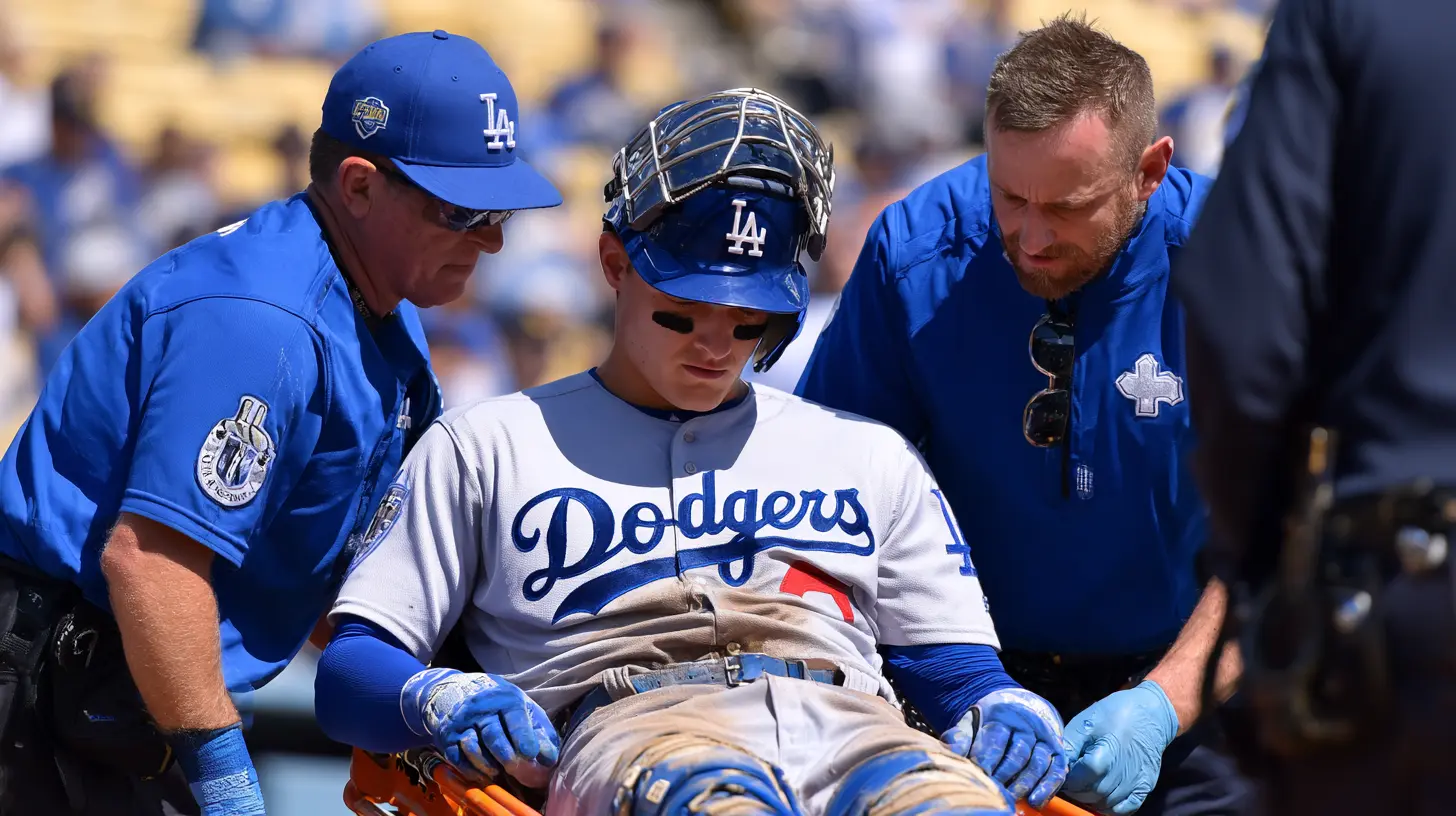
Not every injury shocks. A 38-year-old pitcher with a long history of elbow trouble going down in July is sad, but it is not surprising. A 24-year-old shortstop with a clean medical record and a reputation for durability missing six weeks after a slide into second base is a different matter entirely.Surprise, in the injury context, comes from three overlapping sources.
The first is timing. A season-ending injury in April gives a team months to adapt. The same injury in late July, with the trade deadline looming and the standings compressed, creates a crisis of arithmetic. The roster spot is gone, the replacement options are thin, and every other general manager in the league knows you are desperate.
The second is expectation. Players build reputations for reliability. When a workhorse starter who has made thirty starts a year for half a decade suddenly misses two months, the surprise is not just medical. It is psychological. Teammates, coaches, and fans have built their assumptions around that reliability.
The third is consequence. An injury to a role player is a footnote. An injury to the one player who holds a lineup together, or the closer who has converted every save since May, reshapes the entire competitive landscape. The surprise is proportional to the vacuum it creates.
Understanding these three axes helps separate the genuinely shocking from the merely unfortunate. The 2026 season has offered plenty of both.
The Anatomy of a Midseason Shock
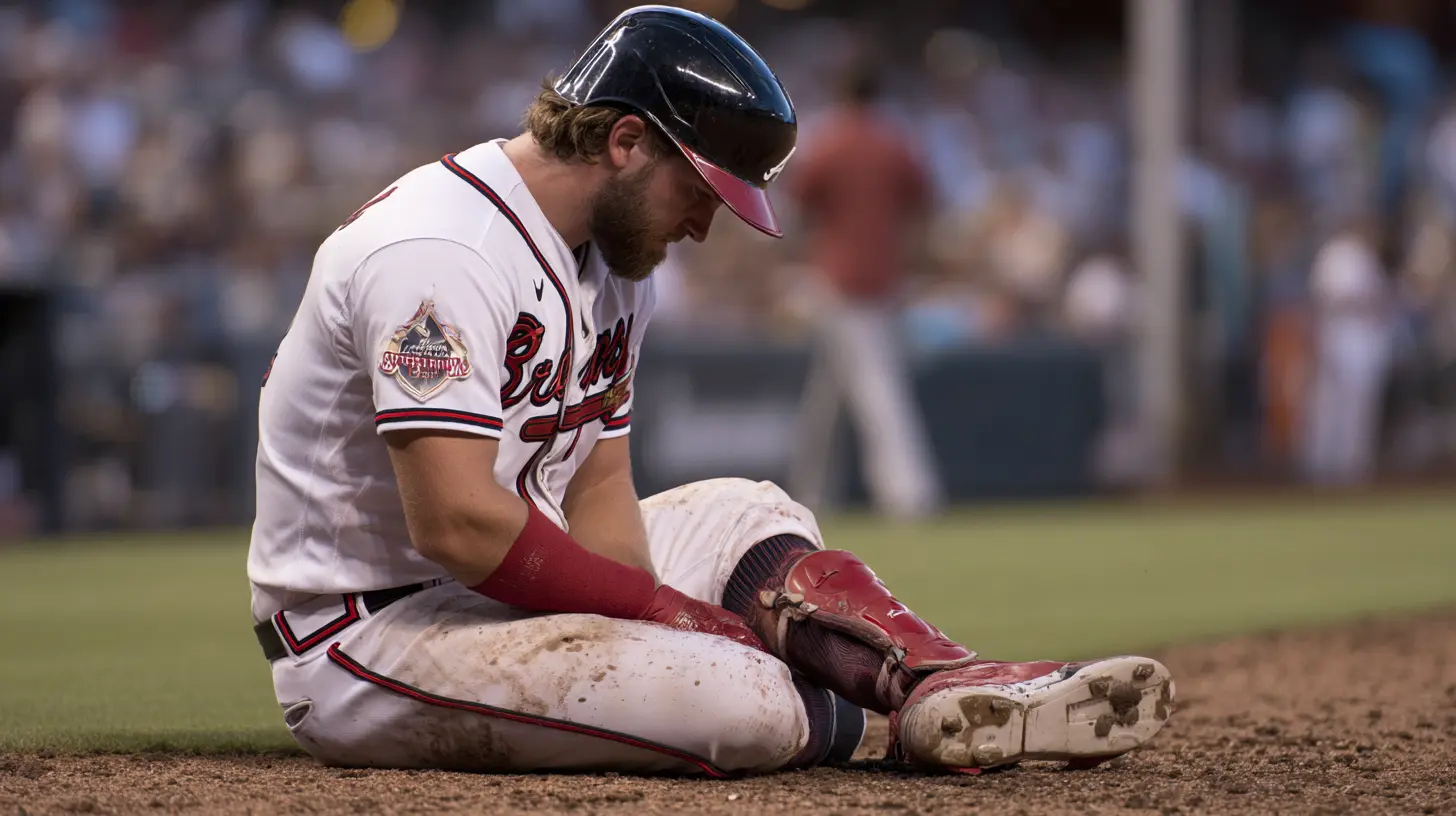
Midseason injuries carry a particular cruelty because they arrive after the sample has grown large enough to trust. In April, a hot start might be noise. By July, the standings reflect real performance, and a team knows whether it is a buyer or a seller. An injury at that moment does not just remove a player. It removes certainty.There is also a physiological dimension that fans often overlook. Players who survive the first three months of a season are not necessarily the healthiest. They are often the ones who have accumulated the most invisible wear. Pitchers have thrown thousands of pitches. Position players have made thousands of explosive movements. The body at the All-Star break is not the body of spring training. It is a machine that has been running hot for months, and the breakdowns that occur in July and August often trace back to loads accumulated in May and June.
This is why midseason injury clusters can feel like they arrive without warning. In truth, they are the delayed invoice for work done weeks earlier. Teams that manage workloads carefully, monitor sleep and travel, and rotate aggressively tend to see fewer of these surprises. Teams that ride their stars hard in the first half often pay for it in the second.
Baseball: When the Rotation Cracks
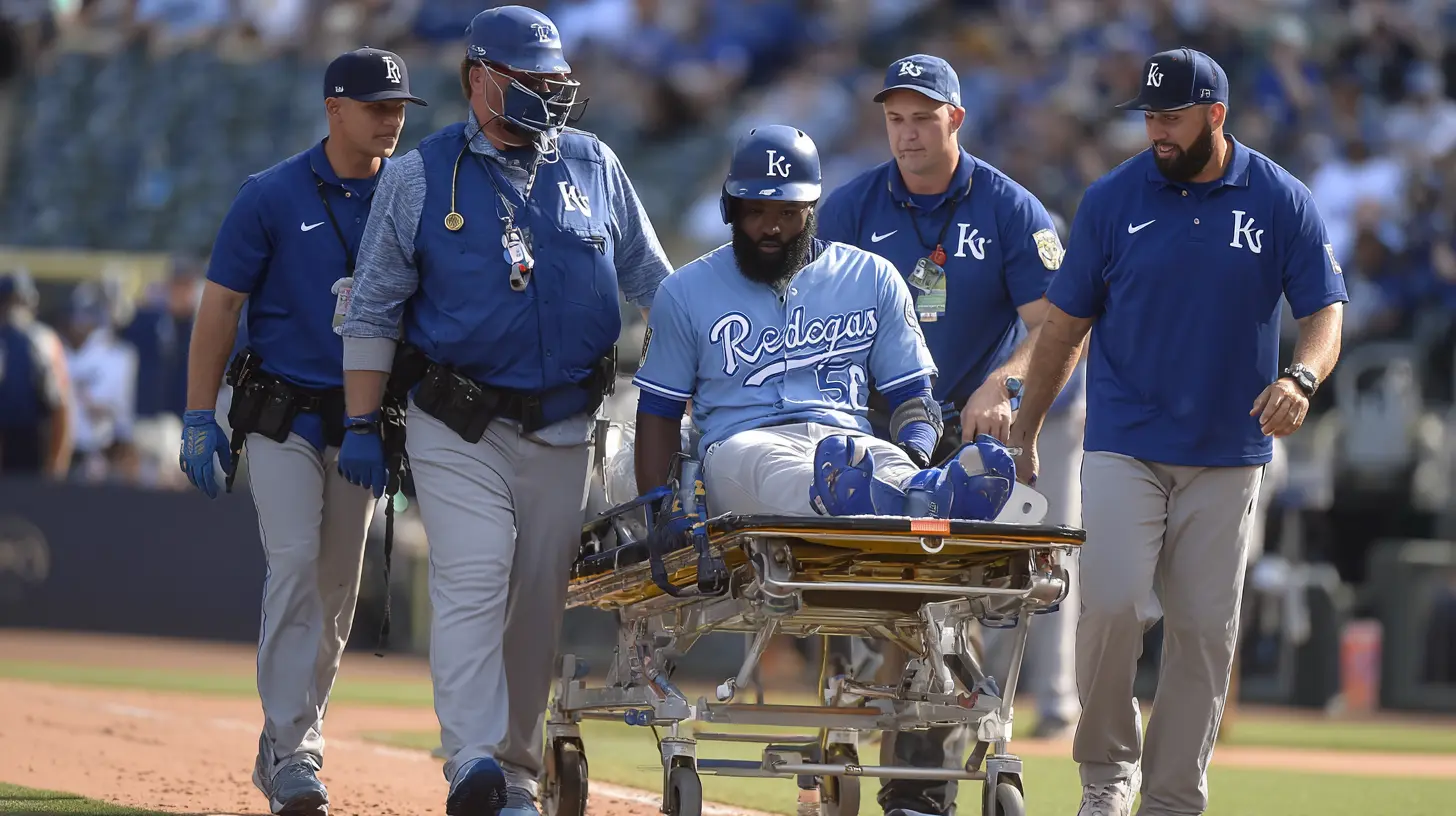
Baseball's 162-game season is a stress test unlike any other in professional sports. The sheer volume of repetition, the daily grind of travel, and the explosive demands of pitching create a landscape where injuries are less a question of if and more a question of when. The 2026 season has reminded everyone of this with several high-profile rotation losses that arrived at the worst possible time.The most instructive surprises in baseball tend to involve starting pitchers who had been models of consistency. A starter who has logged six or seven innings per outing for three months is exactly the kind of arm a team builds its plans around. When that arm develops shoulder inflammation or a forearm strain in mid-July, the ripple effects are immediate. The bullpen absorbs extra innings. The rotation shuffles. The front office, which had been shopping for a bat, suddenly pivots to the pitching market, where prices are higher and supply is thinner.
There is a common misconception that these injuries are random. They are not. Research in sports medicine has repeatedly shown that acute workload spikes, insufficient recovery between outings, and the cumulative stress of high-intensity pitches correlate with injury risk. A pitcher who throws 110 pitches in a start after a stretch of 85-pitch outings is at elevated risk. A pitcher who is asked to pitch on short rest in July because the bullpen is depleted is at elevated risk. The surprise, in many cases, is manufactured by the decisions that preceded it.
What should teams do differently? The best organizations treat workload as a budget, not a suggestion. They plan rest proactively rather than reactively. They use the minor leagues as a rotation depth tool, not just a development pipeline. And they communicate honestly with players about the trade-offs between short-term availability and long-term health. None of this eliminates injuries. It reduces the frequency of the ones that feel like bolts from the blue.
For fantasy players and fans, the practical lesson is similar. Durability is a skill, but it is not a guarantee. Betting heavily on a pitcher's injury-free history is a bet on the past, not the future. Diversifying exposure across a roster is the only real hedge.
Basketball: The Load Management Reckoning
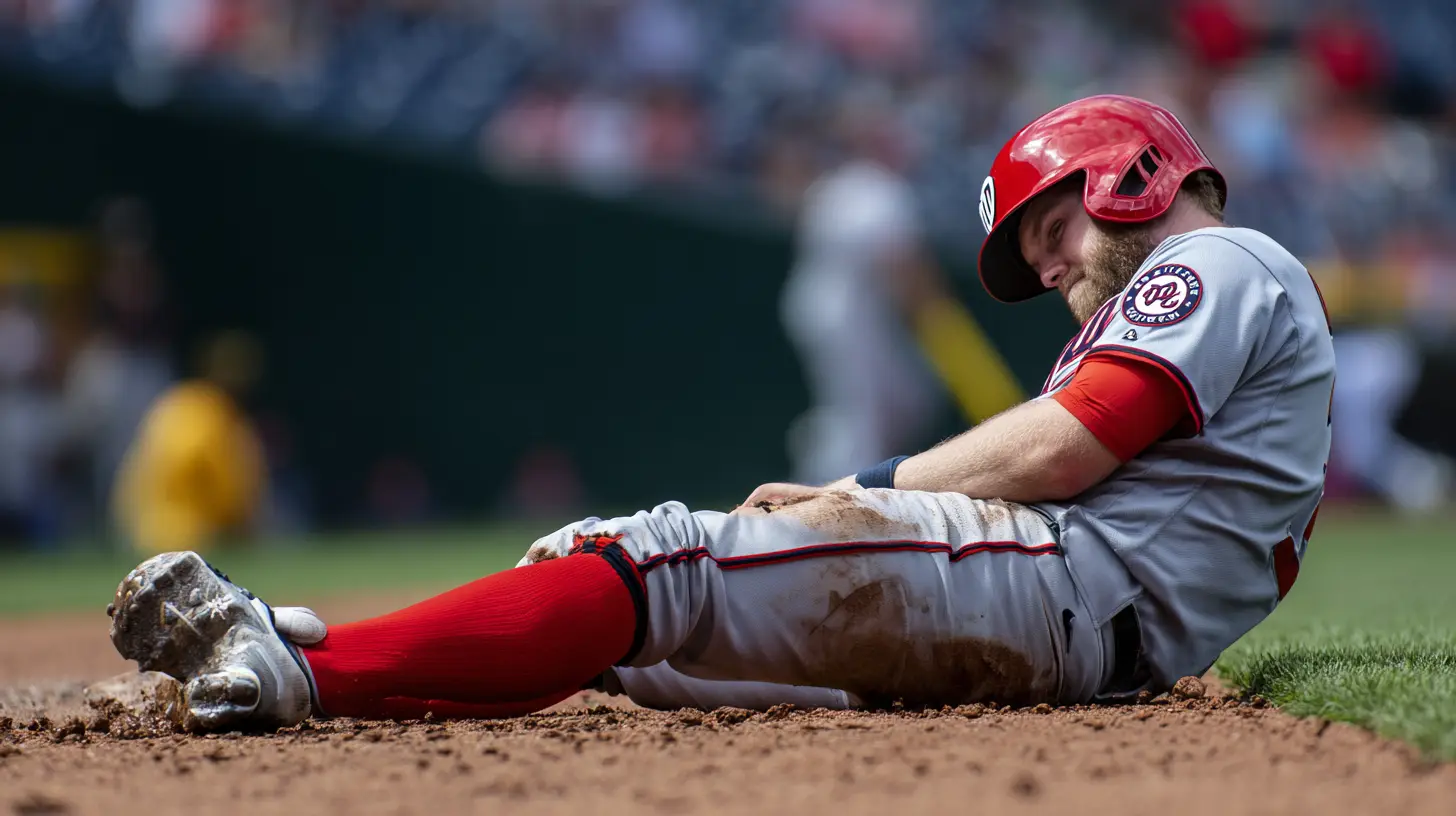
The basketball calendar has become a year-round proposition. Players who compete deep into the playoffs face a compressed offseason. Players who represent their national teams in international competition face additional wear. By the time the midseason arrives, the cumulative toll can be significant, and the 2026 season has produced several injuries that raise uncomfortable questions about how the sport manages its stars.The most surprising basketball injuries are often the ones that occur in non-contact situations. A player plants a foot, feels something give, and the entire season shifts. These injuries are surprising because they do not look violent. There is no collision, no fall, no dramatic moment. Just a player walking to the locker room and a team announcing that its best player will miss an extended period.
The deeper issue is that basketball's modern style of play, with its emphasis on space, speed, and constant cutting, places enormous stress on joints and soft tissue. Players are asked to change direction at full speed dozens of times per game. The cumulative load is immense. When a team asks a star to play heavy minutes night after night, especially in a condensed schedule, the risk compounds.
Load management remains a contested topic. Critics argue that resting players in the regular season cheats fans who pay to see them. Defenders argue that the alternative, a serious injury in March, is worse for everyone. The 2026 season has provided evidence for both sides. Some teams that managed minutes aggressively have seen their stars available in critical moments. Others have seen injuries strike anyway, suggesting that load management is a risk reduction tool, not a guarantee.
The best practice, according to sports medicine professionals, is individualized load management. Not every player needs the same rest. Age, injury history, playing style, and position all matter. A 22-year-old wing who plays with relentless energy may need different management than a 34-year-old big man who relies on skill and positioning. Teams that treat load management as a one-size-fits-all policy tend to get mediocre results. Teams that tailor it to the individual tend to fare better.
Football: The Schedule's Hidden Cost
Football's injury landscape is shaped by the collision nature of the sport and the increasing length and intensity of the competitive calendar. The midseason period, when domestic leagues and continental competitions overlap, is particularly treacherous. Players who feature for both club and country face a workload that no single competition would demand on its own.The most surprising football injuries are often the ones that occur in training or in matches that seem low-stakes. A player who has been rested for a cup tie comes on as a substitute, sprints for the first time in weeks, and pulls a hamstring. The injury is surprising because it happened in a moment that did not seem to matter. But the underlying cause is clear. The player's body was not prepared for the intensity of match play, and the sudden demand exceeded the tissue's tolerance.
This is a common mistake at every level of the game. Coaches rest players to protect them, then bring them back into high-intensity situations without a proper ramp-up. The result is a different kind of injury, one caused by deconditioning rather than overuse. The best clubs manage this by using structured return-to-play protocols that gradually increase intensity over days or weeks, not minutes.
Football also illustrates a broader truth about injury surprises. The most expensive injuries are not always the most dramatic. A star striker who misses three weeks with a minor muscle strain during a crucial run of fixtures can cost a club more points than a squad player who misses three months. Availability, in a sport where points are currency, is everything.
Hockey: The Grind of the Long Season
Hockey's physical demands are unique. Players skate at high speeds, absorb hits, block shots, and compete in a sport where the margin between health and injury is measured in inches. The midseason period, when the games pile up and the travel wears on, is when the body's reserves run lowest.The most surprising hockey injuries are often the ones that happen away from the puck. A player who is skating in open ice, not involved in the play, suddenly goes down. These injuries are surprising because they seem to come from nowhere. But hockey players carry accumulated damage. A hip that has been subtly compromised for weeks can give out in a moment of innocent acceleration. A wrist that took a slash in November can become a problem in January.
The best organizations in hockey manage this by treating the season as a marathon with defined phases. They build in recovery days. They use the AHL as a development and rest tool. They communicate with players about the difference between pain and injury, encouraging early reporting rather than stoic silence. The culture of playing through pain is deeply embedded in hockey, and it is also one of the reasons injuries are often discovered later than they should be.
What These Surprises Reveal About Modern Sports
Across all four sports, the 2026 midseason injury surprises share common threads. The first is that the human body has limits, and those limits are being tested more aggressively than ever. Schedules are longer. Travel is more extensive. The financial incentives to keep stars on the field are enormous. The result is a collision between commerce and physiology.The second is that information is better than it has ever been, but it is not perfect. Teams have access to wearable technology, biomechanical analysis, and predictive modeling. They can track a player's sleep, heart rate variability, and movement efficiency. Yet injuries still happen. The reason is that prediction is probabilistic, not deterministic. A model can tell you that a player's risk is elevated. It cannot tell you that the injury will happen on this play, in this game, at this moment.
The third is that the response matters as much as the prevention. Teams that handle injuries well, with clear communication, structured rehabilitation, and realistic timelines, tend to recover faster. Teams that rush players back or mismanage the psychological side of recovery tend to suffer longer absences and more re-injuries.
Practical Lessons for Teams and Fans
For decision-makers in sports organizations, the 2026 season offers several actionable lessons.Build depth before you need it. The teams that weathered midseason injuries best were the ones that had already invested in roster depth. They had a sixth starter ready in the minors. They had a backup guard who could absorb minutes. They had a rotation player who could step into the lineup without a dramatic drop in quality. Depth is insurance, and insurance is cheapest when you buy it before the disaster.
Treat workload as a budget. Every player has a finite capacity for stress in a season. Teams that track that capacity and manage it proactively see fewer catastrophic breakdowns. This does not mean coddling players. It means being intentional about when and how they are pushed.
Communicate honestly. Injury surprises are worse when they are compounded by vague timelines and shifting updates. Teams that provide clear, consistent information build trust with fans and reduce the noise around a difficult situation.
Do not confuse correlation with causation. A player who gets injured after a heavy workload is not necessarily injured because of the workload. But the pattern is common enough that it deserves attention. The best teams look for the underlying causes rather than the most convenient explanation.
For fans, the lessons are simpler. Appreciate availability. It is the most underrated skill in sports. A player who is on the field every day is providing value that does not show up in highlight reels. And understand that injuries are part of the game, not a failure of character or commitment. The athletes who go down are not weak. They are human, and they are pushing their bodies to extremes that most of us will never experience.
Looking Ahead
The 2026 season is not over, and more surprises may be waiting. That is the nature of sport. The teams that adapt fastest, communicate best, and plan deepest will be the ones standing in October. The rest will be left to wonder what might have been.What makes these injuries worth studying is not the drama. It is the window they provide into how modern sports actually work. Behind every surprise injury is a chain of decisions, some good, some bad, some made under pressure. Understanding that chain is the first step toward building a smarter, more resilient approach to the games we love.
all images in this post were generated using AI tools
Category:
Injury UpdatesAuthor:

Frankie Bailey