Behind the Scenes: How Sports Broadcasters Prepare for the Big Game
21 July 2026
When we sit down to watch our favorite sports, whether it's the Super Bowl, the World Cup, or the NBA Finals, we often focus on the game itself. But behind every epic goal, clutch touchdown, or buzzer-beater, there’s a team of dedicated sports broadcasters making sure we don’t miss a single moment.
Ever wondered how they prepare for the big game? It’s not just about showing up and talking about what’s happening on the field. There's a whole world of research, rehearsals, and high-pressure decision-making that goes on behind the scenes. Let’s dive in and see what it takes to be the voice of the game. 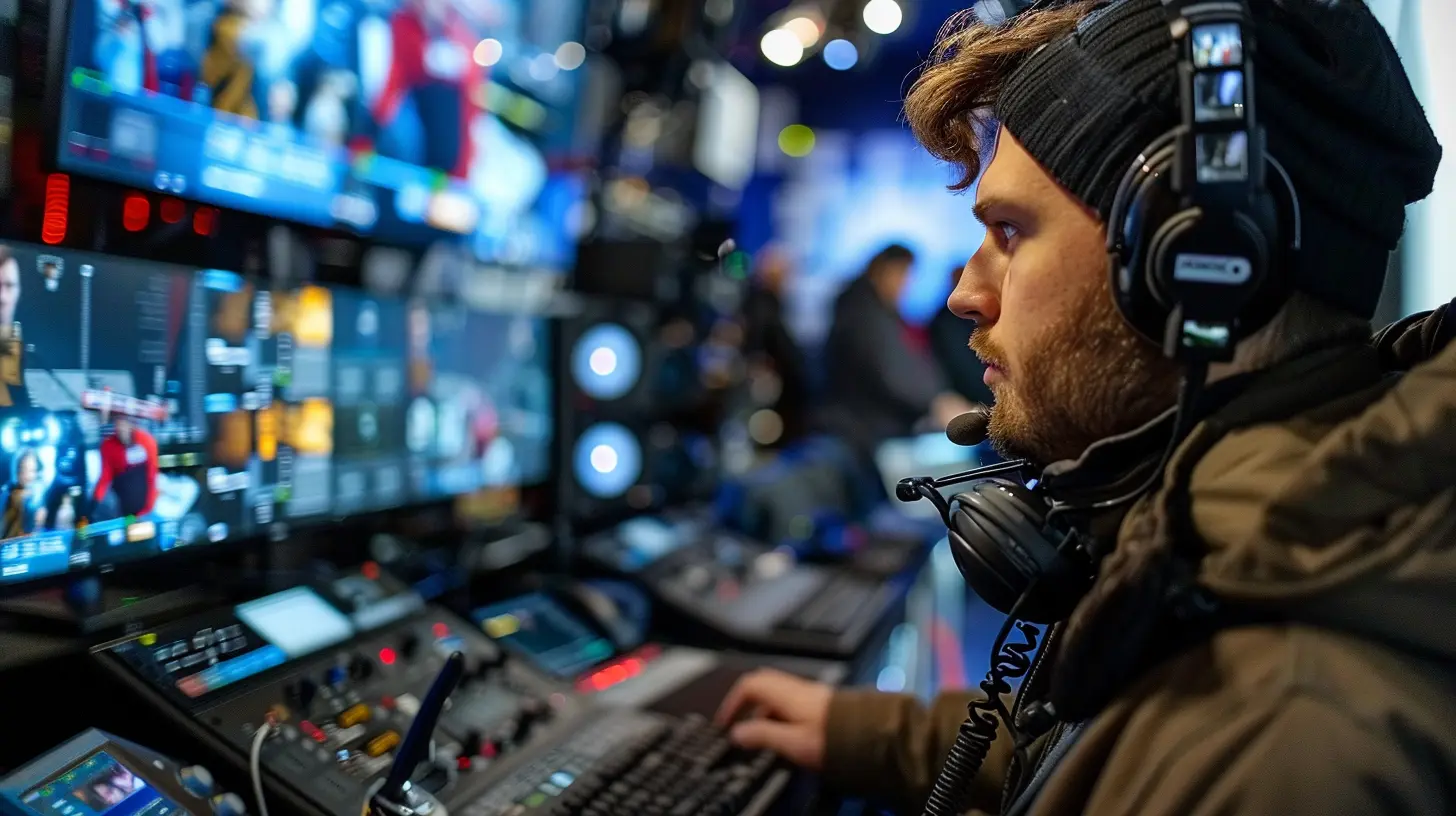
The Days (or Even Weeks) Leading Up to the Big Game
Sports broadcasting isn’t just about showing up and calling plays. The real work begins long before the first whistle blows.Research, Research, and More Research
Think of a sports broadcaster as part journalist, part historian, and part storyteller. They need to know everything about the teams, players, coaches, and even previous matchups. Before any major event, broadcasters spend hours:- Studying player stats – Who’s in top form? Who’s struggling? What are the key matchups?
- Analyzing team strategies – How have these teams performed in past encounters? What tactics might they use?
- Reading up on injuries and trades – Last-minute roster changes can shift the entire narrative.
- Reviewing historical records – Fans love hearing interesting tidbits, like past rivalries or records on the line.
Broadcasters often have massive binders or digital notes packed with all this info. Some even create their own cheat sheets with quick stats they can glance at during live commentary.
Interviews & Insider Info
Before the game, broadcasters will often interview coaches, players, and analysts to get fresh insights. Sometimes, these interviews are aired live; other times, they provide valuable context when discussing the game.Having inside knowledge allows commentators to go beyond what fans can see on the screen. They can break down the mindset of the athletes, explain strategies in real time, and even predict plays before they happen. 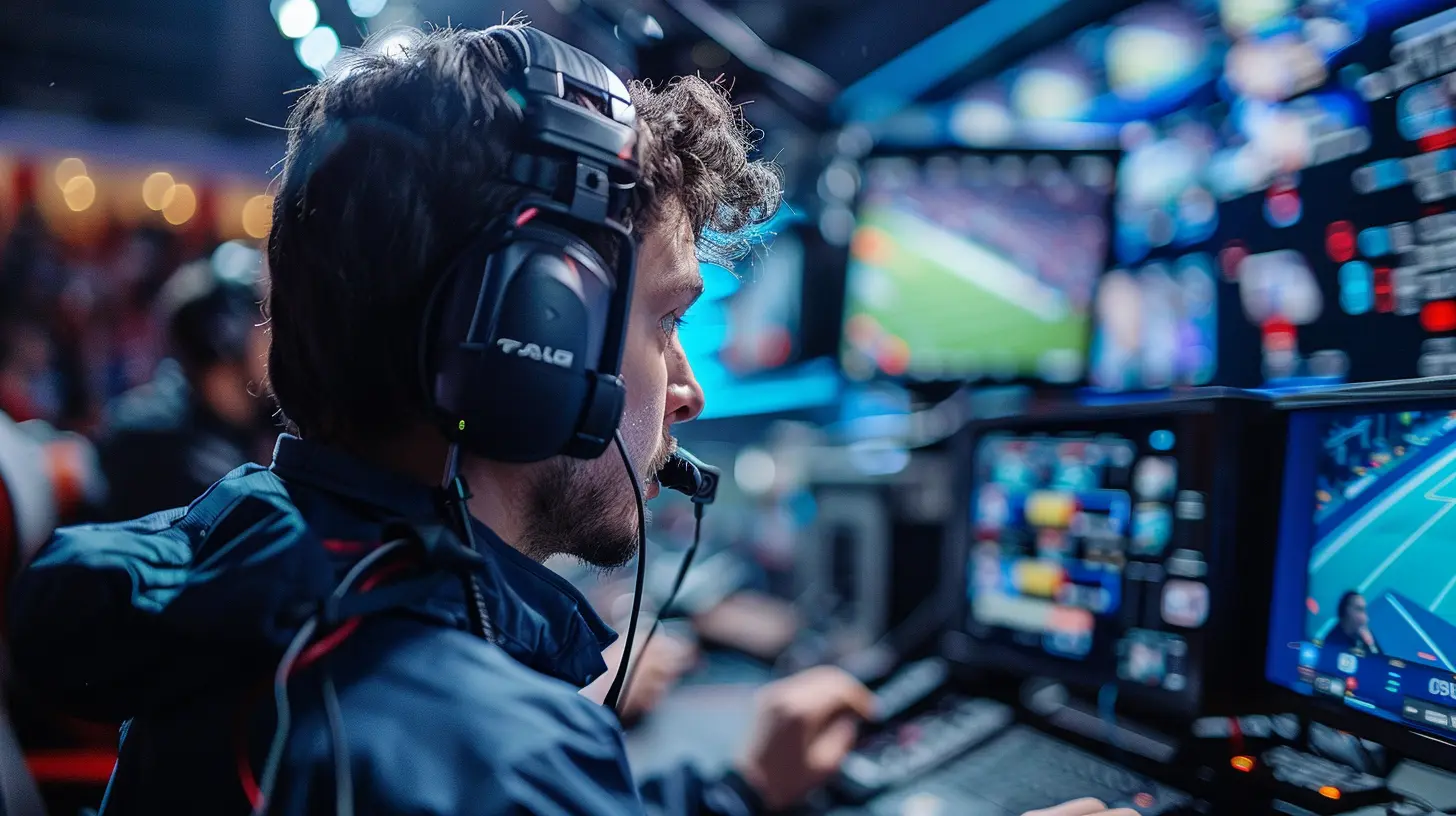
Game Day: The Calm Before the Storm
By the time the game day rolls around, sports broadcasters are already armed with all the knowledge they need. But preparation doesn’t stop there.Production Meetings
Broadcasting a big game is like directing a movie—every camera angle, replay, and graphic needs to be planned.Before going live, broadcasters meet with producers, analysts, and camera crews to:
- Go over the game plan and key storylines.
- Decide which graphics, replays, and statistics to highlight.
- Talk about potential scenarios (What happens if there's a game-winning shot or a controversial call?).
This ensures that when the game kicks off, everyone knows their role and what to expect.
Rehearsals & Sound Checks
Ever watched a broadcast where the commentator’s mic cuts out mid-sentence? That’s what they try to avoid with extensive pre-game sound checks.Broadcasters test their microphones, practice name pronunciations (imagine trying to say “Giannis Antetokounmpo” on live TV without messing up), and do test runs to make sure everything goes smoothly when the cameras start rolling.
Some broadcasters also practice their opening lines—after all, the first few seconds set the tone for the entire broadcast. 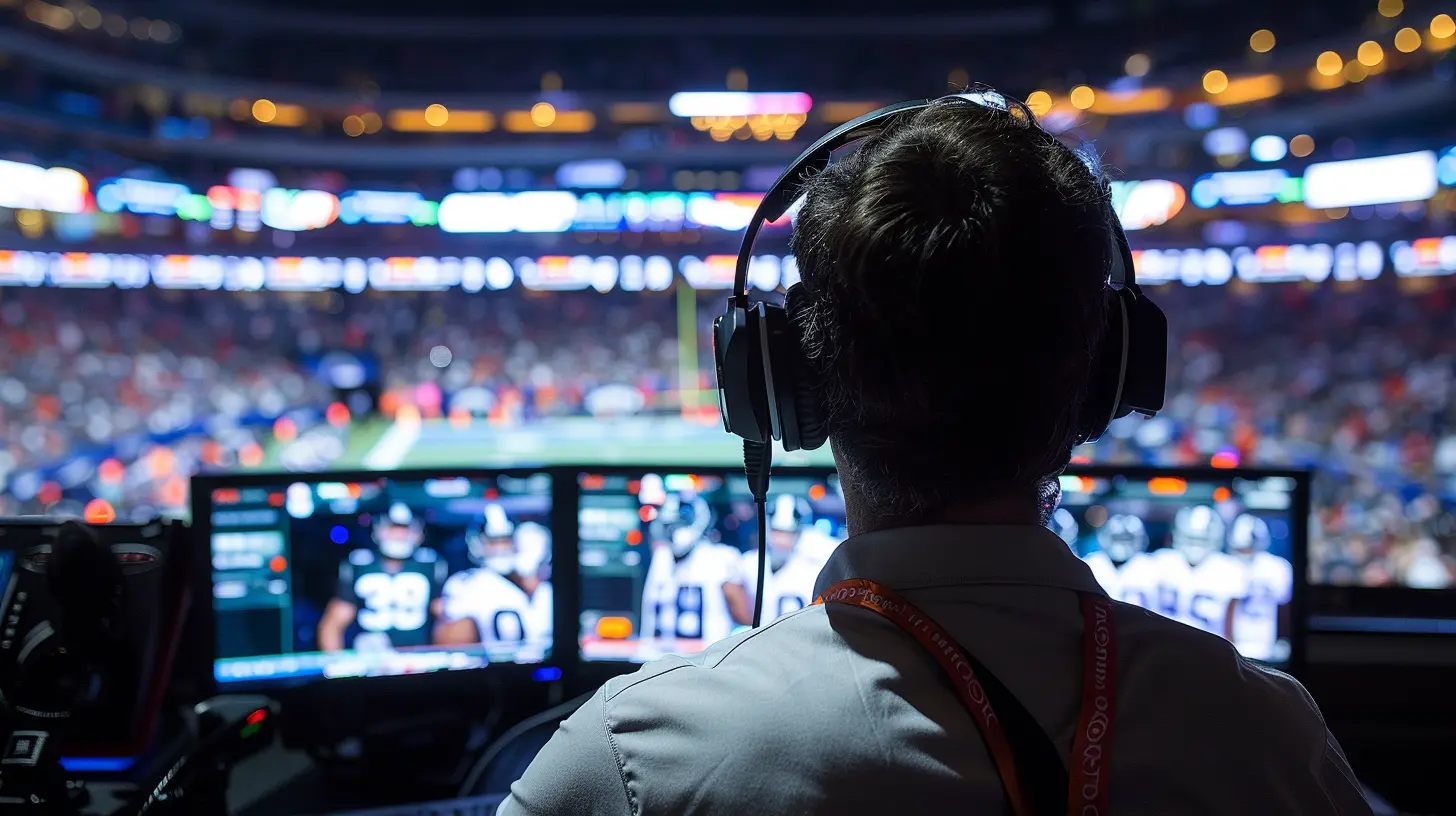
Game Time: Staying Sharp Under Pressure
Once the game begins, a sports broadcaster’s job is to keep viewers engaged and informed.Real-Time Play-by-Play Commentary
The best commentators make you feel like you're right there in the stadium. They:- Call plays as they happen, using clear and energetic descriptions.
- Balance excitement with analysis—breaking down why a certain play worked (or didn’t).
- Keep fans engaged, even in slow moments of the game.
A great broadcaster doesn’t just describe the action; they enhance it, making even casual viewers feel like experts.
Adapting to Unexpected Moments
Live sports are unpredictable—that’s what makes them exciting. But for broadcasters, it also means being ready for anything.What if a major player gets injured? What if there’s a power outage? What if there's an insane last-second comeback?
Broadcasters have to think on their feet, adjust their storytelling, and make sure viewers stay informed and entertained. 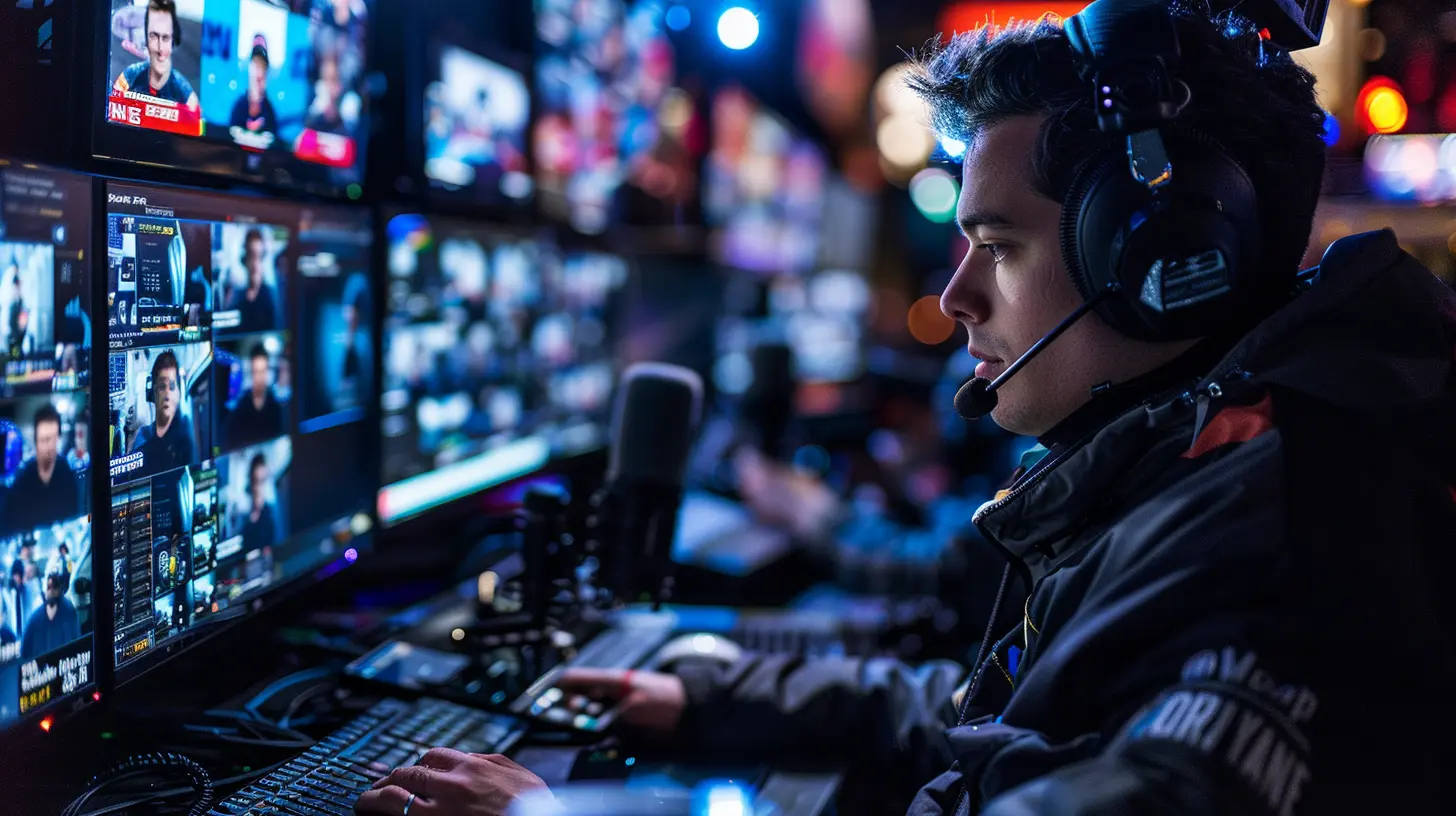
Post-Game Wrap-Up: The Final Breakdown
Once the final whistle blows, broadcasters still have work to do.Post-Game Analysis & Interviews
Most broadcasts include a quick breakdown of what just happened. This means:- Discussing key moments of the game.
- Analyzing stats and what they mean for future games.
- Interviewing players and coaches to get raw, emotional reactions.
Crafting the Narrative
Every game tells a story—was it an underdog victory? A historic moment? A controversial ending?It’s the broadcaster’s job to wrap things up in a way that leaves fans satisfied (or hyped for the next game).
What Makes a Great Sports Broadcaster?
Not just anyone can sit behind a mic and make sports exciting. The best broadcasters have a mix of:- Passion – If you don’t love the game, your audience will know.
- Knowledge – Stats, history, and strategic analysis are crucial.
- Quick Thinking – Reacting to unexpected twists with professionalism.
- Charisma – Keeping energy levels up while letting the game shine.
- Storytelling Skills – Turning a simple play into an unforgettable moment.
From legendary voices like Vin Scully to modern-day icons like Mike Breen, the best in the business know how to bring games to life in a way that sticks with fans for years.
Conclusion
So, the next time you watch a game, take a moment to appreciate the voices behind the action. Sports broadcasters work tirelessly to make each game as immersive and exciting as possible.From the hours of prep work to the on-the-fly analysis during live action, they play a crucial role in how we experience sports. It’s more than just calling plays—it’s storytelling, entertainment, and expertise all rolled into one.
So, who’s your favorite sports broadcaster? Let us know in the comments!
all images in this post were generated using AI tools
Category:
Sports BroadcastingAuthor:

Frankie Bailey
Discussion
rate this article
1 comments
Celine McMurtry
Great insights into the hard work and passion behind broadcasting. It's inspiring to see how much preparation goes into bringing the game to life for fans. Keep it up!
July 29, 2026 at 11:14 AM
Frankie Bailey
Thank you! I'm glad you found it inspiring. The behind-the-scenes work is truly a labor of love.