Behind the Scene: Injury Updates Before the 2026 Playoffs
10 September 2026
The 2026 playoff picture is shaping up to be one of the most unpredictable in recent memory, and not because of talent gaps or coaching mismatches. The real story, the one that general managers lose sleep over and trainers refuse to comment on, is the injury report. Every contender has a star playing through something, a role player on the verge of returning, or a franchise cornerstone whose entire postseason hinges on a single MRI result.
Injuries have always been part of the game, but the way teams manage them heading into the playoffs has changed dramatically. The old school mentality of "rub some dirt on it" is gone. What replaced it is a complex, data-driven, and often secretive process that determines who lifts the trophy and who watches the final round from a suite. This is the behind-the-scenes reality of injury updates before the 2026 playoffs.
The New Timeline of Injury Management
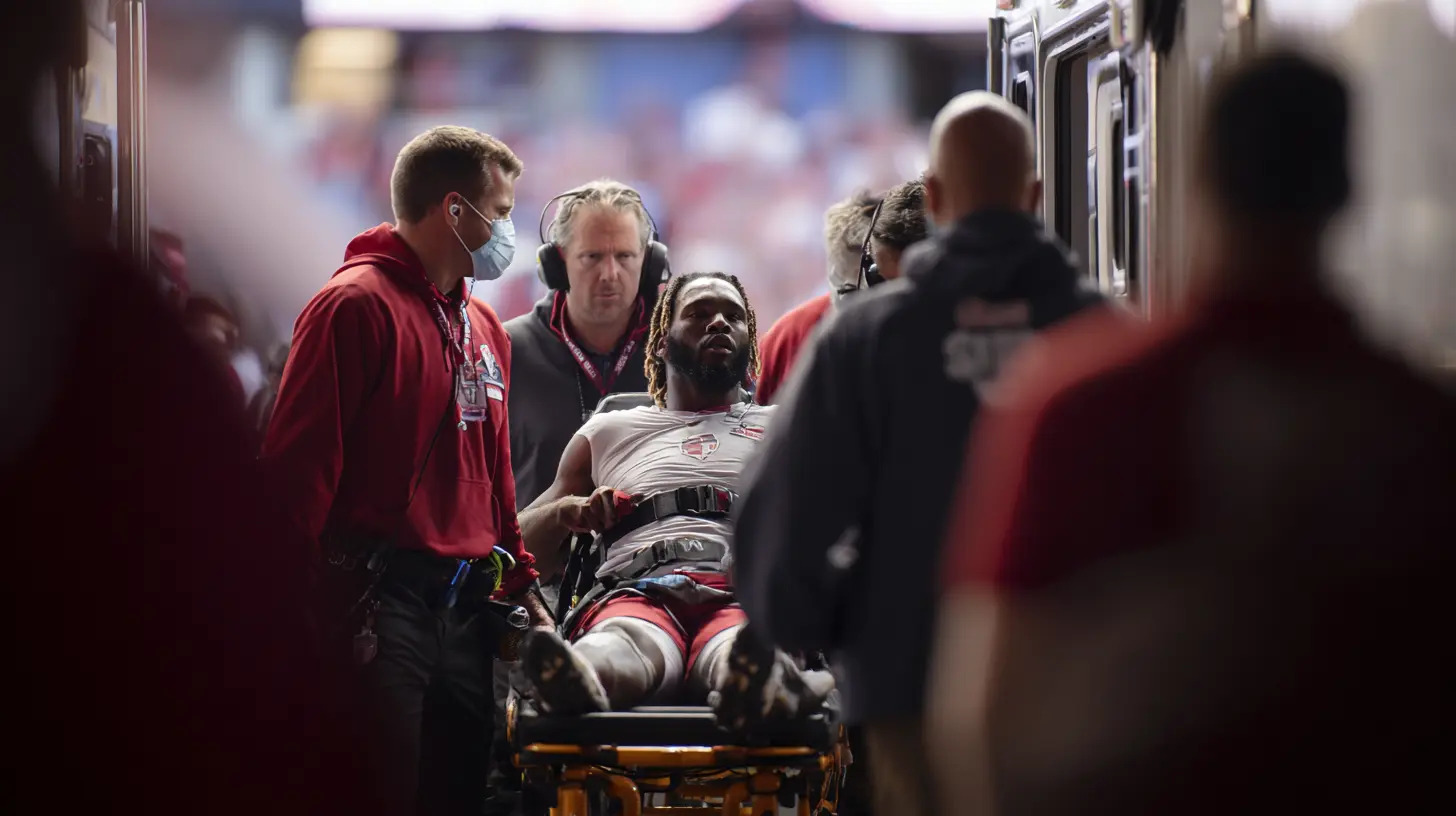
The days of the two-week rest period before the postseason are over. Teams now begin load management and preventative care months in advance, sometimes as early as the All-Star break. The goal is not to have a fully healthy roster on day one of the playoffs. That is a myth. The goal is to have a roster that can survive the first round and still have enough gas for the conference finals.The 2026 season has seen a shift toward what sports scientists call "peak readiness windows." Instead of trying to keep every player at 100 percent for 82 games, teams target specific dates. They want their best players peaking in mid-April, not in late February. This means that a player who looks sluggish in March might actually be following a prescribed plan to reduce inflammation, manage tendon stress, and build up cardiovascular capacity for the playoff grind.
What fans often misinterpret as "rust" or "decline" is frequently a deliberate de-loading phase. The tricky part is that teams rarely share this information. So when a star player sits out the last three games of the regular season with "knee soreness," the public assumes the worst. In reality, that soreness might be a pre-planned maintenance window that was scheduled six weeks earlier.
The Reporting Game: What Teams Actually Know
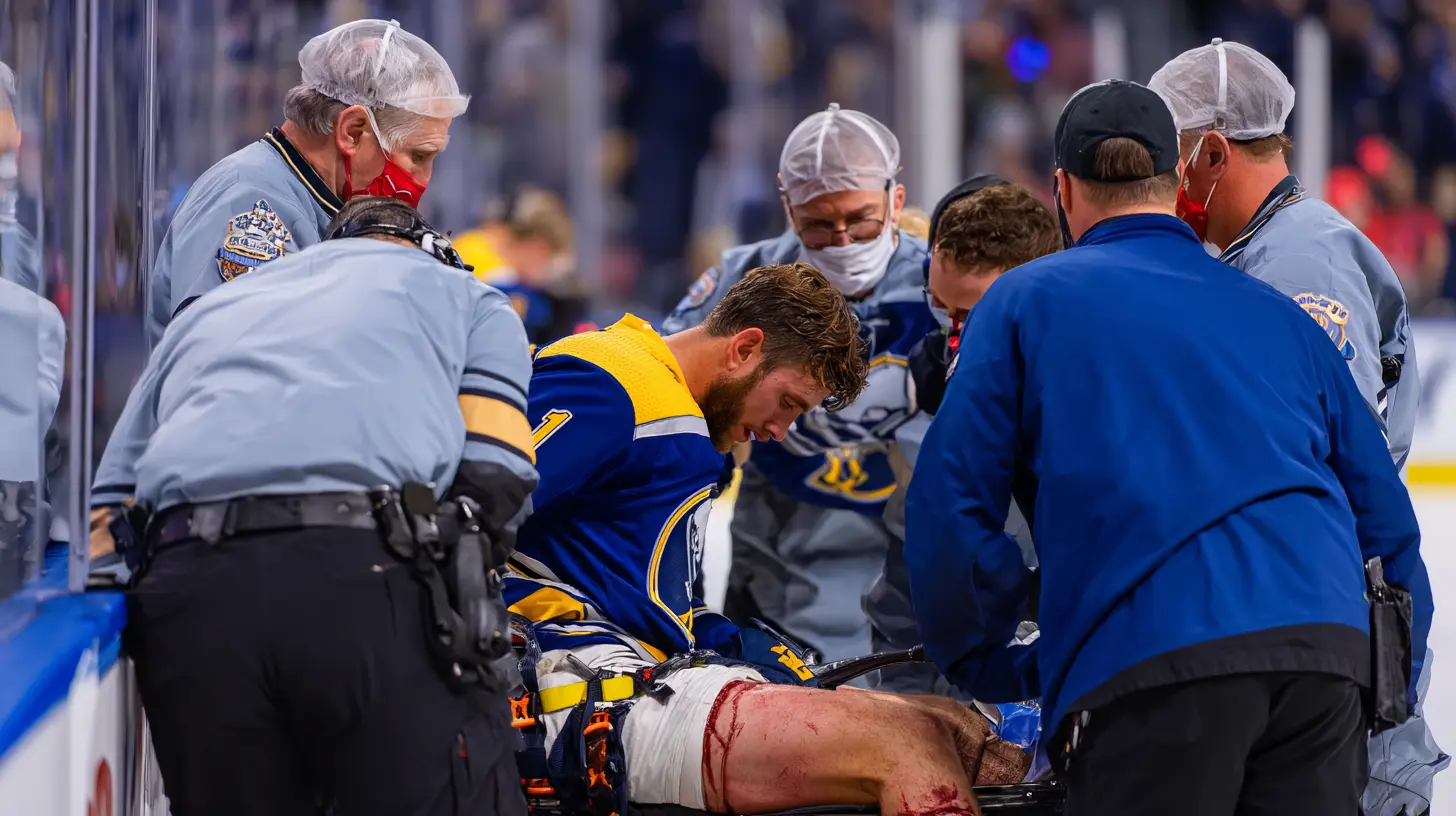
The official injury report is a work of fiction, but not in the way most people think. It is not that teams are lying outright. It is that they are playing a game of strategic ambiguity. The NBA, NHL, MLB, and NFL all have different rules, but the underlying principle is the same: give the minimum required information and control the narrative.Take the case of a hypothetical star point guard with a hamstring strain. The team lists him as "questionable" for three straight games. Fans rage online. Analysts speculate about a torn muscle. The reality is that the medical staff knows the exact grade of the strain, the expected recovery timeline, and whether he can play through it without making it worse. But they will not release that information because it gives opponents an advantage.
If the opposing defense knows that the point guard cannot explode off his left leg, they will force him left. If they know he is limited to 28 minutes, they will attack him in the fourth quarter. So teams use vague language like "lower body injury" or "load management" to keep opponents guessing. This is not deception for its own sake. It is competitive intelligence.
The 2026 season has introduced a new layer to this game: the use of wearable technology. Many teams now track player biometrics in real time, including heart rate variability, sleep quality, and muscle oxygen levels. This data is not shared with the league office or the media. It is used internally to make decisions about practice intensity, travel schedules, and game minutes.
The problem is that this data can sometimes contradict what the player feels. A player might have perfect biometric readings but still feel a nagging ache in his knee. The medical staff must balance objective data with subjective feedback. The best teams in 2026 have learned that the player's voice matters more than any algorithm. The worst teams ignore the player and rely solely on the numbers, which leads to breakdowns when the playoffs start.
The Hidden Injuries That Change Series Outcomes
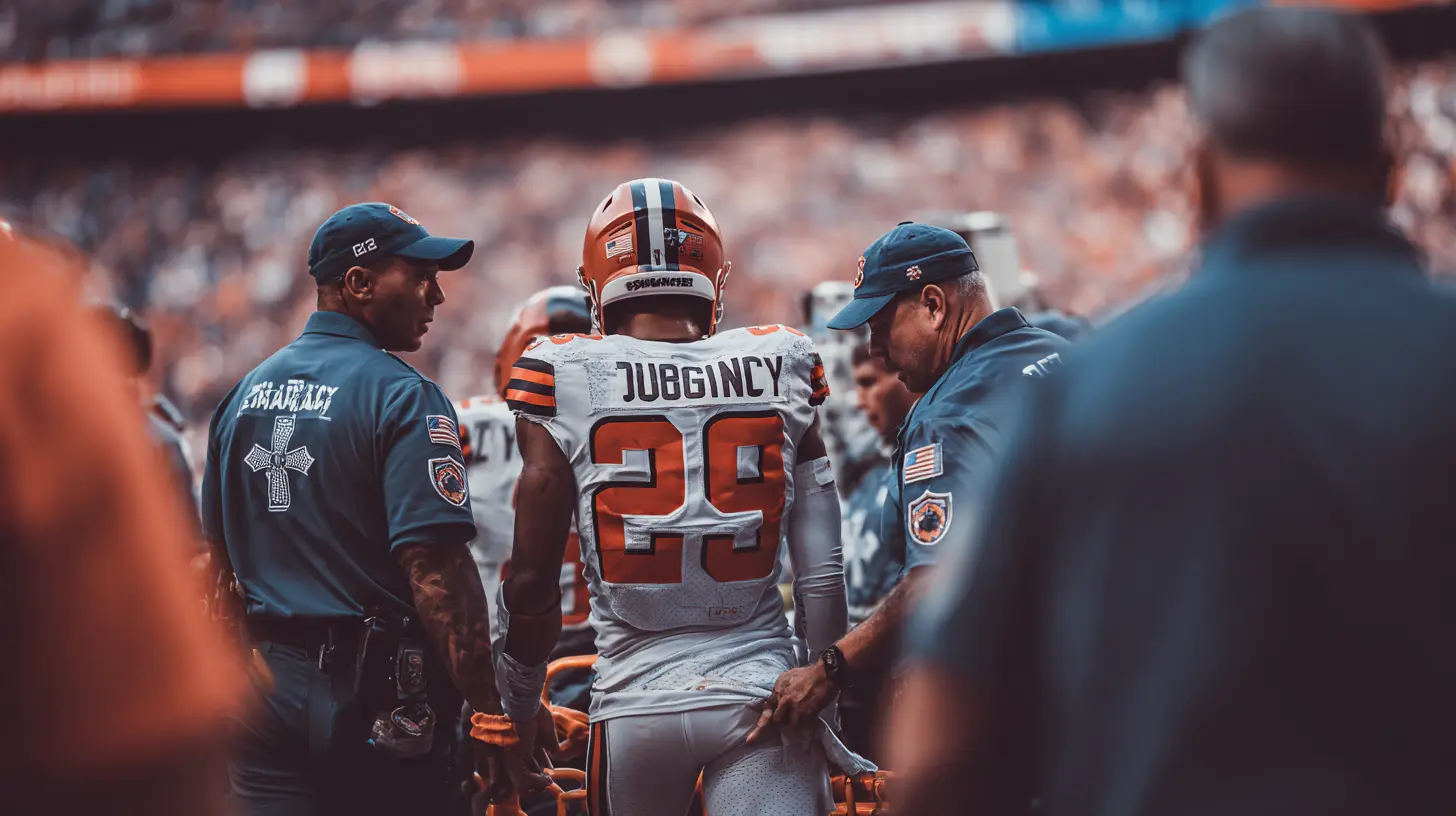
Every year, there are injuries that never make the official report but have a massive impact on the postseason. These are the "hidden" injuries that players hide from their own coaches because they fear losing their spot or being labeled as fragile.A classic example is a shooting guard with a torn thumb ligament. He can still catch and pass, but his shot mechanics are off by a fraction of a second. His shooting percentage drops from 38 percent from three-point range to 31 percent. The team loses a close game in the first round, and the media blames poor shot selection. The player knows the real reason, but he does not say anything because he does not want to be benched.
This is one of the most dangerous dynamics in professional sports. Players are competitors. They want to be on the court. They will downplay pain to stay in the lineup. The medical staff has to be the adult in the room, but even they face pressure from the front office to keep the star player active for ticket sales and television ratings.
In 2026, the smartest organizations have implemented a "second opinion" protocol for the playoffs. If a player says he is fine, but the training staff notices a change in his movement patterns, they bring in an independent specialist. This removes the emotional pressure from the player and gives the coaching staff a clear medical directive. The best example of this working well came when a team benched its All-NBA forward for two games in the first round despite his protests. He returned in game three fresh and dominant, leading his team to a sweep. The public never knew the full story because the team called it "rest."
The Role of the Training Staff in the Modern Playoff Run
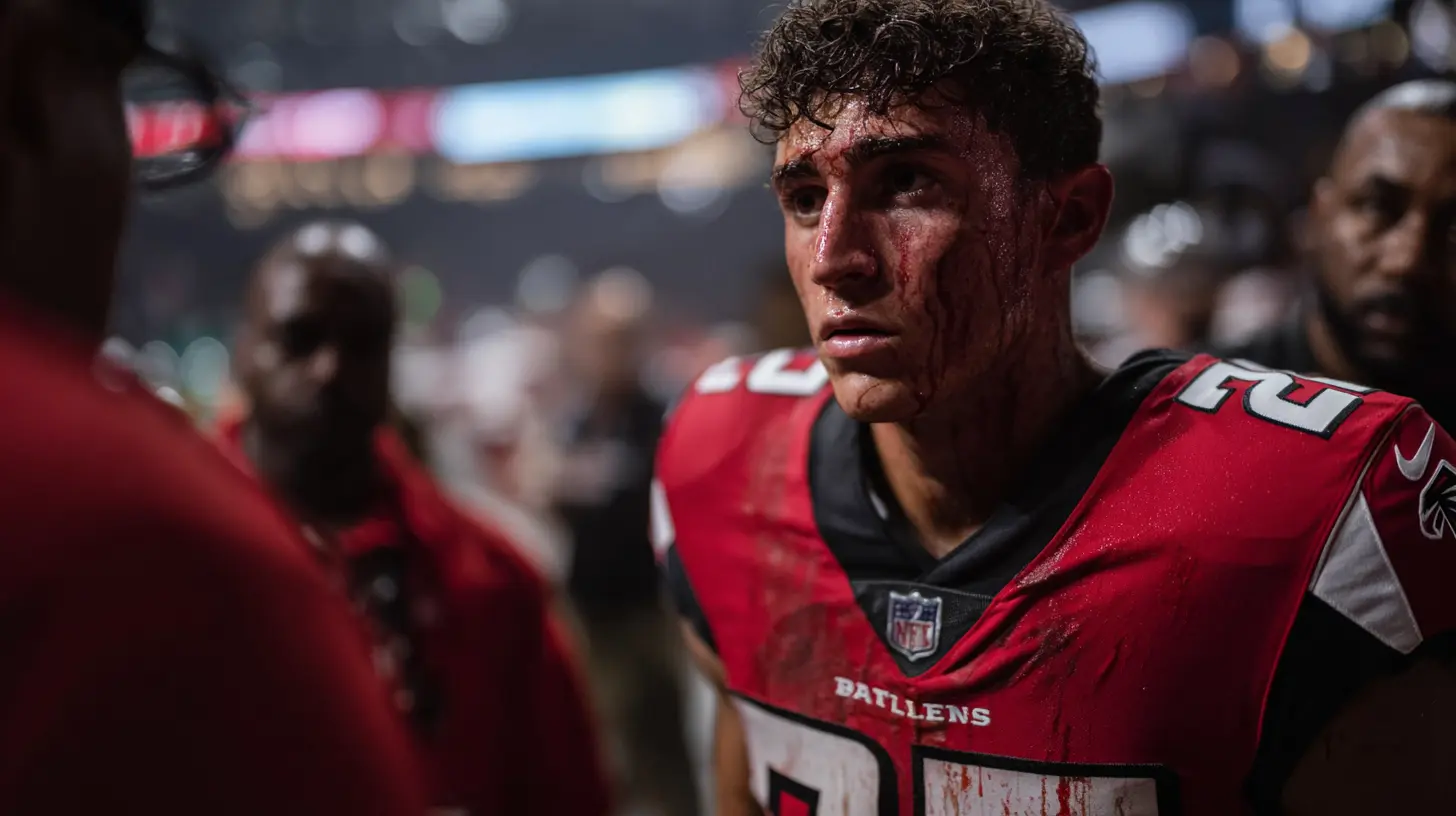
The head coach gets the credit, the players get the glory, but the training staff is the true MVP of any championship run. In 2026, the role of the athletic trainer has evolved from taping ankles to managing a full-scale medical operation.Modern playoff training staffs include physical therapists, massage therapists, nutritionists, sleep specialists, and even mental health counselors. They work in shifts to cover the players around the clock. The days of a single trainer traveling with the team are long gone. Now, a team might bring fifteen medical personnel on the road for a playoff series.
The most important job of the training staff is not treatment. It is prevention through monitoring. They watch how players walk off the bus, how they sit on the bench, and how they react after a hard foul. They look for subtle changes in gait, posture, and facial expression. A player who is favoring his right side is flagged immediately, even if he says nothing.
One of the biggest mistakes that casual fans make is assuming that a player who is "day to day" is close to returning. In playoff terminology, "day to day" means the medical staff is doing everything possible to get the player on the court for the next game, but they have no idea if it will work. It is a status of uncertainty, not a timeline. A player can be day to day for two weeks.
The 2026 playoffs have highlighted the importance of having a deep and experienced training staff. Teams that invested in sports science during the regular season are seeing the payoff now. Teams that cut corners on medical staff to save money are paying the price with soft tissue injuries that could have been prevented.
Comparing the Major Sports Leagues: Different Rules, Same Pain
The injury reporting rules differ significantly between the NFL, NBA, NHL, and MLB, and each has its own quirks that affect how teams manage the playoff push.The NFL has the most stringent rules because of gambling and fantasy football. Teams must list players as questionable, doubtful, or out, and they must provide a reason. But even with these rules, teams use vague terms like "illness" or "personal" to hide injuries that could reveal game plan adjustments.
The NBA has a reputation for being the most secretive league. The league has tried to crack down on load management, but teams have found loopholes. The 2026 season saw the rise of "right knee injury management" as a status, which is essentially load management with a medical excuse. The league office is not happy about this, but the players' union supports it because it protects player health.
The NHL is the most honest league when it comes to injuries, but that is because they use the "upper body" and "lower body" designations. This gives almost no information. A player with a broken wrist and a player with a concussion are both listed as "upper body." The lack of specificity is intentional. It protects the player from targeted hits and keeps the opposition guessing about line combinations.
MLB is unique because the season is so long that teams often place players on the injured list for rest purposes. The 2026 playoffs have seen a trend of pitchers being shut down for "forearm tightness" in late September, which is often code for preserving their arm for the postseason. This is controversial because it affects the integrity of the regular season, but teams argue that their only obligation is to win the World Series.
The key takeaway for fans is that the same injury can be reported very differently depending on the league. A sprained ankle in the NFL is a concrete diagnosis. The same sprain in the NBA might be listed as "soreness." The same sprain in the NHL is "lower body." And in MLB, it might not even be reported until the player goes on the 10-day injured list.
The Psychological Toll of Playing Injured
The physical aspect of playing through pain is well documented, but the psychological toll is often overlooked. When a player takes the court at 80 percent, he is not just fighting the opponent. He is fighting his own doubts.In the 2026 playoffs, several players have spoken off the record about the mental burden of being a "game time decision" every night. The uncertainty is exhausting. They cannot fully commit to a game plan because they do not know if they will be able to execute it. They worry about letting their teammates down. They worry about making the injury worse and hurting their long-term earning potential.
This is where the best coaching staffs earn their money. They do not just ask the player if he can go. They ask him how he feels about going. They have honest conversations about the risk-reward ratio. A player who is scared to push off his injured ankle is a liability on the court, even if the MRI shows no structural damage.
The 2026 trend is toward "mental readiness" as a formal component of the injury protocol. Teams are bringing in sports psychologists to work with injured players, not just to help them cope with the pain, but to help them visualize success on the court. This is a relatively new practice, but it is gaining traction because the results are measurable. Players who undergo this mental preparation are less hesitant when they return, and they are less likely to reinjure the same area.
Common Mistakes That Teams Make in the Playoff Push
Even with all the advanced technology and medical knowledge, teams still make predictable mistakes every year. The most common one is rushing a player back because the front office panics about a losing streak.The scenario plays out like this: a team loses two straight games in the first round. The star player is on the bench in street clothes. The media starts writing obituaries for the season. The general manager calls the head coach and asks, "Can he go?" The coach puts pressure on the medical staff. The medical staff caves. The player suits up, but he is not ready. He plays poorly, the team loses anyway, and now the injury is worse.
This happens more often than anyone wants to admit. The counter to this is the "red shirt" rule that some teams have adopted. If a player misses the entire regular season with a major injury, he is not allowed to return for the playoffs unless he has played at least three full games at the NBA level or the equivalent in other sports. This forces the team to be honest about his readiness, but it also creates a dilemma. Do you risk a regular season game to get him playoff-ready, or do you save him for a potential game seven?
Another common mistake is over-resting healthy players. A player who sits out for ten days with a minor strain can lose his shooting touch, his timing, and his conditioning. The playoffs are about rhythm. A player who is fully healthy but out of sync is less valuable than a player who is 85 percent but has been playing consistently.
The best practice in 2026 is the "ramp-up" protocol. After an injury, the player does not just return to full minutes. He gradually increases his workload over several games. He might play 12 minutes in his first game back, then 18, then 24. This protects him from sudden overload and allows his body to adapt to game speed. The downside is that the team might lose a game during the ramp-up period, which can be costly in a short series.
The Misconception About Playing Through Pain
There is a romanticized notion that playing through pain is a sign of toughness. The 2026 playoffs have proven that this is often a sign of poor decision-making. A player who grits his teeth and plays through a grade two hamstring strain is not a hero. He is a liability who is likely to tear the muscle completely, ruining his team's chances and his own career.The medical community has moved away from the "pain is weakness leaving the body" philosophy. Instead, they use a traffic light system. Green means the player can go at full intensity. Yellow means the player can play but must modify his movements. Red means the player should not be on the court, period.
The problem is that players are notoriously bad at self-reporting their color. They always say green when they are really yellow. They always say yellow when they are really red. The medical staff has to be the one to override the player's ego. This requires a level of trust that takes years to build. If the player does not trust the trainer, he will hide his symptoms. If the trainer does not trust the player, he will over-protect him and keep him out longer than necessary.
The most successful teams in 2026 have a clear hierarchy. The medical staff has final say on whether a player suits up. The coach cannot override them. The general manager cannot override them. The owner cannot override them. This sounds simple, but it is incredibly difficult to implement in practice because everyone wants to win the next game.
Best Practices for Managing Injury Updates During the Playoffs
For teams that want to maximize their chances of a deep playoff run, there are several best practices that have emerged from the 2026 season.First, establish a clear communication protocol between the medical staff, the coaching staff, and the front office. Everyone should know who is allowed to speak to the media about injuries. Usually, this is the head coach or the general manager. The medical staff should stay out of the spotlight. This prevents contradictory statements that confuse the players and the public.
Second, create a "worst case scenario" plan for every key player. If the starting center goes down in game one, what is the rotation? Who steps up? What style of play changes? Teams that do this in advance are not caught off guard. Teams that improvise after an injury usually collapse.
Third, practice with the backup players more than you think is necessary. The playoffs are a war of attrition. The team that has the best third-string point guard often wins the championship. This is not a glamorous strategy, but it is a practical one. The 2026 playoffs have shown that depth wins over star power when injuries pile up.
Fourth, be honest with the player about the long-term risks. A player who is approaching free agency might be more willing to play through an injury than a player with a guaranteed contract. The team has a responsibility to protect the player from himself. This is not just a moral obligation. It is a business obligation. If a player suffers a career-ending injury because the team pushed him, the franchise will be damaged for years.
Fifth, do not let the media dictate the narrative. The 24-hour news cycle will speculate endlessly about an injury. The team should release a brief, factual statement and then refuse to elaborate. Feeding the speculation only increases the pressure on the player. The best teams in 2026 have mastered the art of saying nothing while appearing to say everything.
The Future of Injury Management in the Playoffs
Looking ahead, the 2026 playoffs are likely the last year where injury management relies so heavily on human judgment. The next generation of wearable technology will be able to predict injuries before they happen. Machine learning algorithms will analyze movement patterns and flag players who are at risk of a soft tissue tear.But this does not mean that injuries will disappear. It means that they will be managed differently. The focus will shift from treatment to prevention. Teams will not wait for a player to feel pain. They will intervene at the first sign of mechanical inefficiency.
The challenge will be maintaining the human element. A player is not a machine. He has good days and bad days. He has emotional attachments to games and rivalries. He might choose to play hurt in a game against his former team, even if the data says he should sit out. The teams that succeed in the future will be the ones that can blend the data with the human spirit without letting either dominate.
For now, the 2026 playoffs are a reminder that the injury report is not just a list of names. It is a strategic document that reveals a team's philosophy, its medical capabilities, and its willingness to sacrifice short-term gains for long-term health. The teams that understand this will be the last ones standing. The teams that treat injuries as an afterthought will be watching from home, wondering what went wrong.
all images in this post were generated using AI tools
Category:
Injury UpdatesAuthor:

Frankie Bailey
Discussion
rate this article
2 comments
Ardent McIntyre
Injuries are tough, but resilience shines through. Let's rally behind our teams and embrace the excitement of the playoffs!
September 16, 2026 at 10:59 AM
Dusk McCall
As the playoffs approach, hidden truths about injuries could shift the balance... Who will rise from the shadows?
September 13, 2026 at 3:15 AM